Dog Shedding
Ten things every dog owner should know about shedding, from seasonal coat blows and stress-related loss to diet fixes and realistic expectations.
Read the guide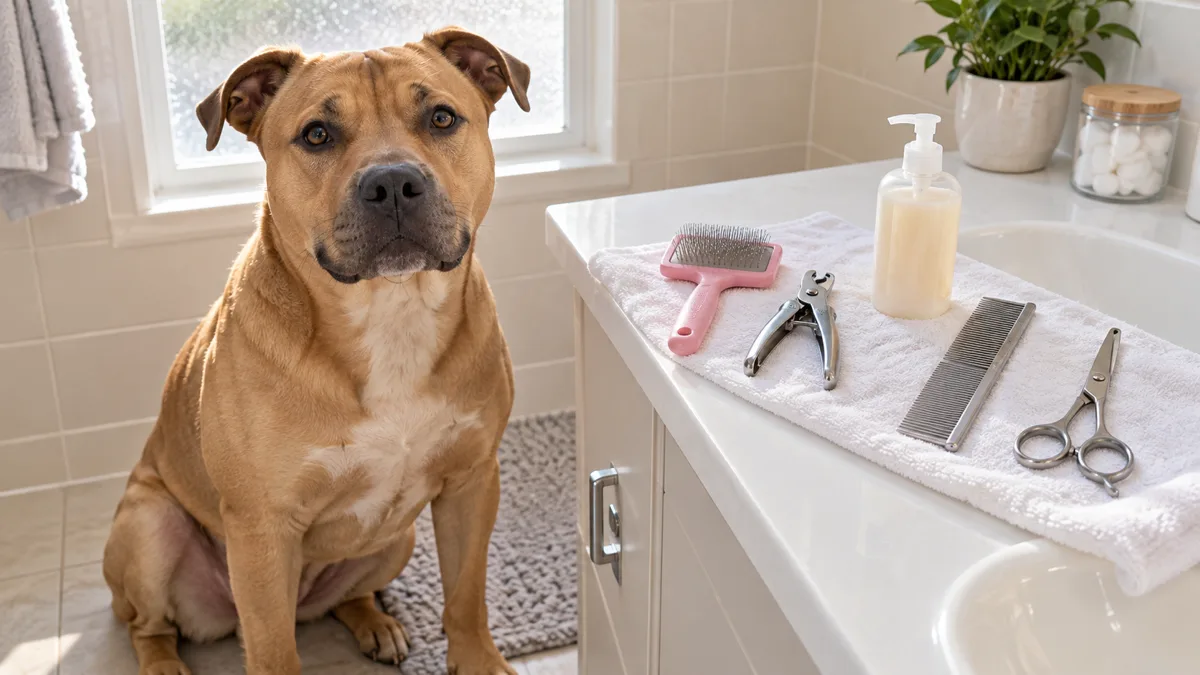
A single trip to the groomer costs what a decent slicker brush and nail clipper set cost together. Once you own the right tools, every bath, brushing session, and nail trim happens on your schedule instead of theirs.
These sixteen tools cover coat care, nails, dental health, and drying — everything for a full grooming routine. Need a grooming station? That guide covers setup.
New to grooming altogether? Start with the puppy first-grooming guide before buying anything.
Every tool below earns its spot in a home grooming kit. Tap any name to jump straight to what it does and when you actually need it.
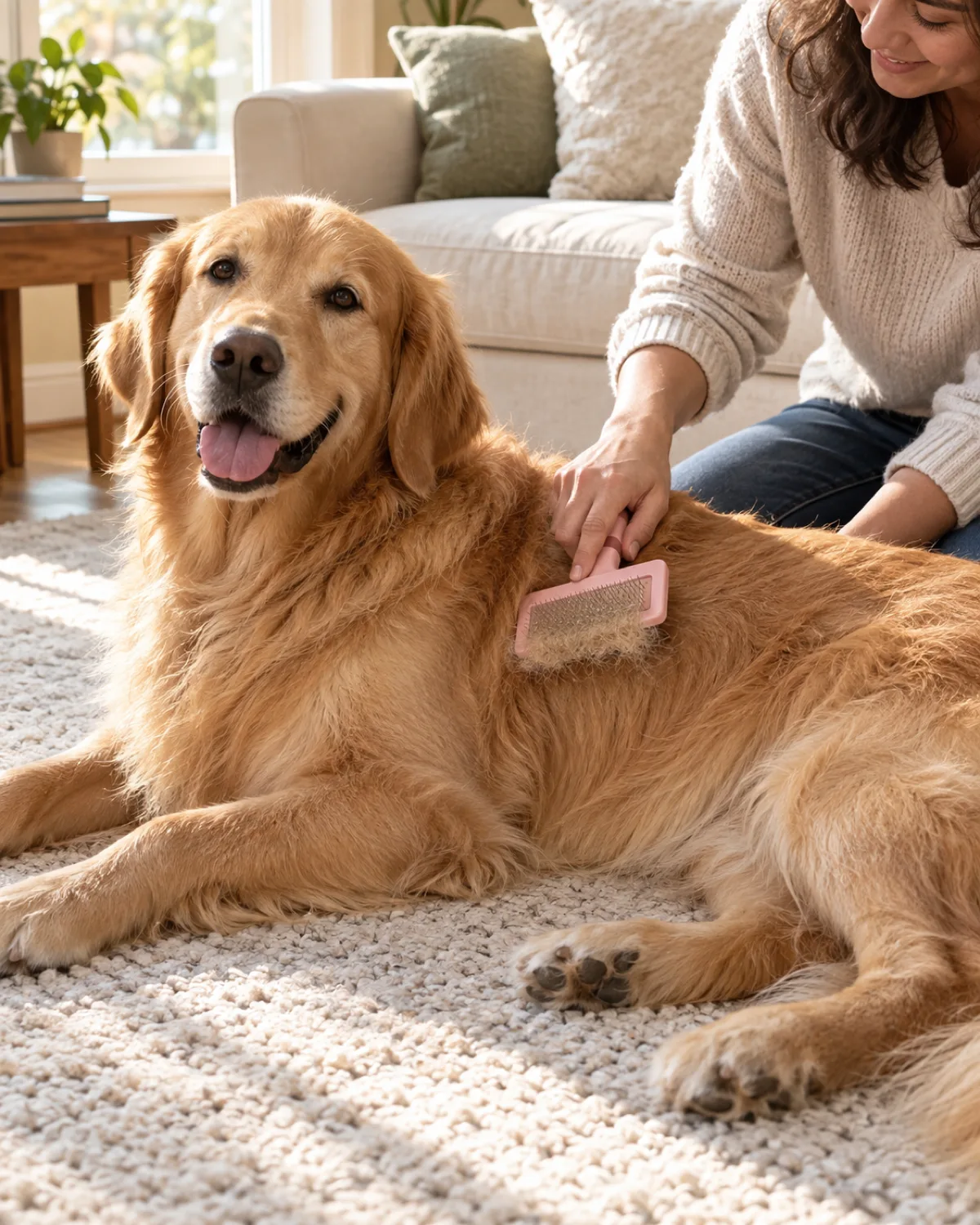
A slicker brush has rows of fine bent-wire pins set in a rubber pad. Each pin slides under loose fur and lifts it away without dragging through healthy coat, which makes this the first brush most groomers reach for.
Soft-pin slickers suit thin-coated or sensitive dogs. Firm-pin versions handle dense double coats better because the stiffer wires push through the topcoat to the undercoat below.
Brush in the direction the fur grows. Pressing too hard bends the pins flat and scratches the skin underneath — if the pad flexes more than halfway down, ease up. A slicker pairs well with a stainless steel comb for a final check after brushing.
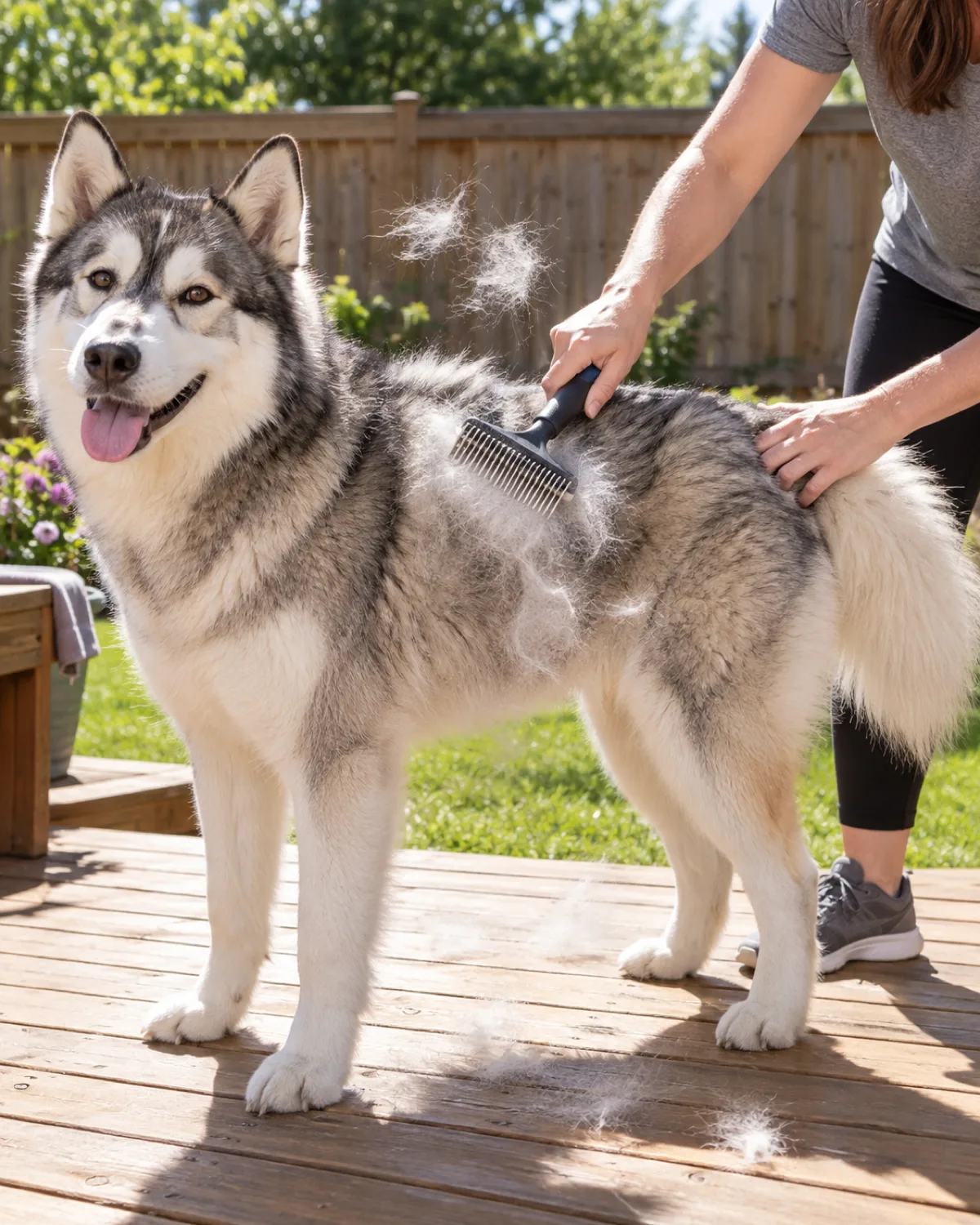
An undercoat rake has a row of long, rounded-tip metal teeth spaced wide enough to skip the topcoat and catch only the dense, woolly layer underneath. Dogs with thick double coats — the ones that leave tumbleweeds on your hardwood every spring and fall — need this tool more than any other.
Pull the rake in the direction the fur grows using slow, even strokes. Short, choppy passes yank live fur instead of releasing the dead stuff.
A rake handles the bulk removal that a de-shedding tool finishes. Using both cuts shedding cleanup in half. For a full de-shedding walkthrough, that guide covers technique step by step.
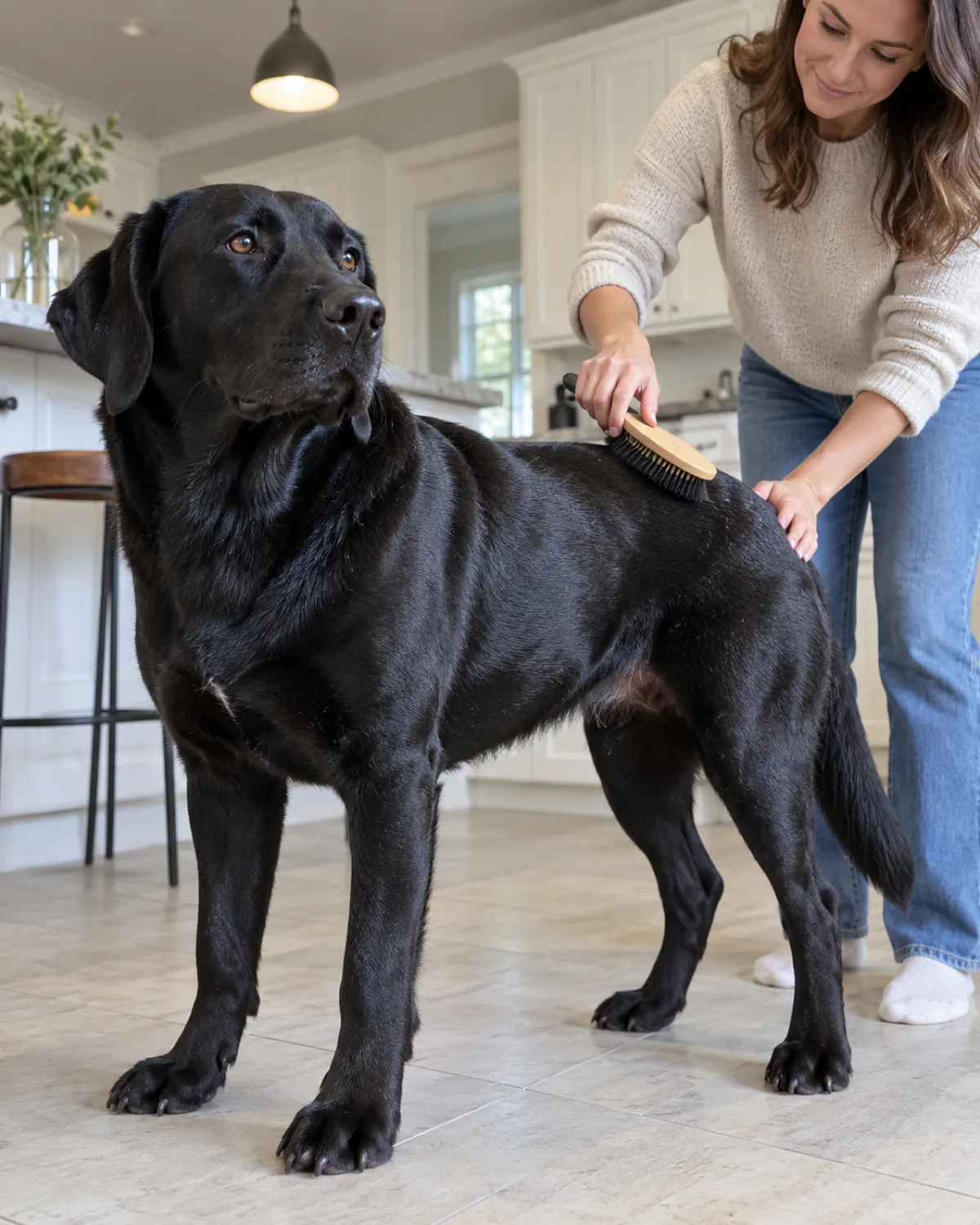
A bristle brush has clusters of natural or nylon bristles packed tightly on a flat or oval pad. It does not detangle — it distributes the natural oils already sitting on the skin across every strand, which is what gives a short coat that mirror-finish shine.
Use it as the last step after a slicker or comb session, or as the only brush for smooth-coated dogs that rarely tangle.
| Bristle spacing | Best for | Why |
|---|---|---|
| Widely spaced, long bristles | Long, flowing coats | Reaches through without pulling |
| Tightly packed, short bristles | Short, smooth coats | Maximum surface contact for oil distribution |
| Medium spacing, stiff nylon | Wiry or coarse coats | Enough grip to smooth rough texture |
A few minutes of bristle brushing after a bath replaces most coat-shine sprays. The oils are already there — they just need to be moved.
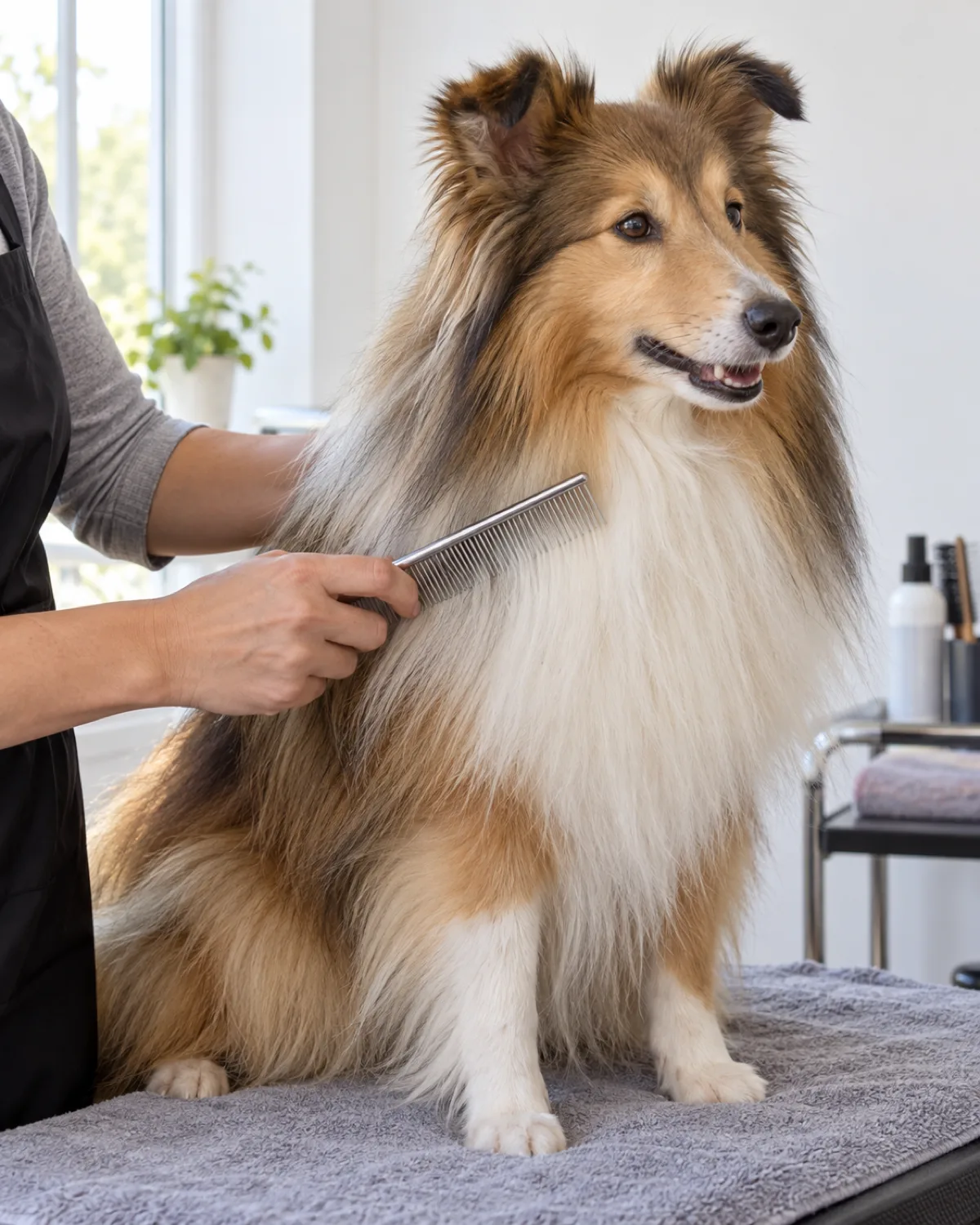
A stainless steel comb is the quality-check tool. After brushing, run it through every section of the coat. If it glides without catching, the coat is tangle-free. If it snags, you missed a spot.
Most combs have two tooth spacings on the same handle — wide on one end for thick areas and fine on the other for behind the ears and around the muzzle.
This tool also catches fleas. Comb slowly through the fur close to the skin and check the teeth for tiny dark specks — flea dirt shows up clearly against the silver metal.
For dogs that hate being brushed, the desensitization tips in this guide make the comb session shorter and calmer.
You do not need all sixteen tools at once. Pick the situation below that fits your dog and start with those first.
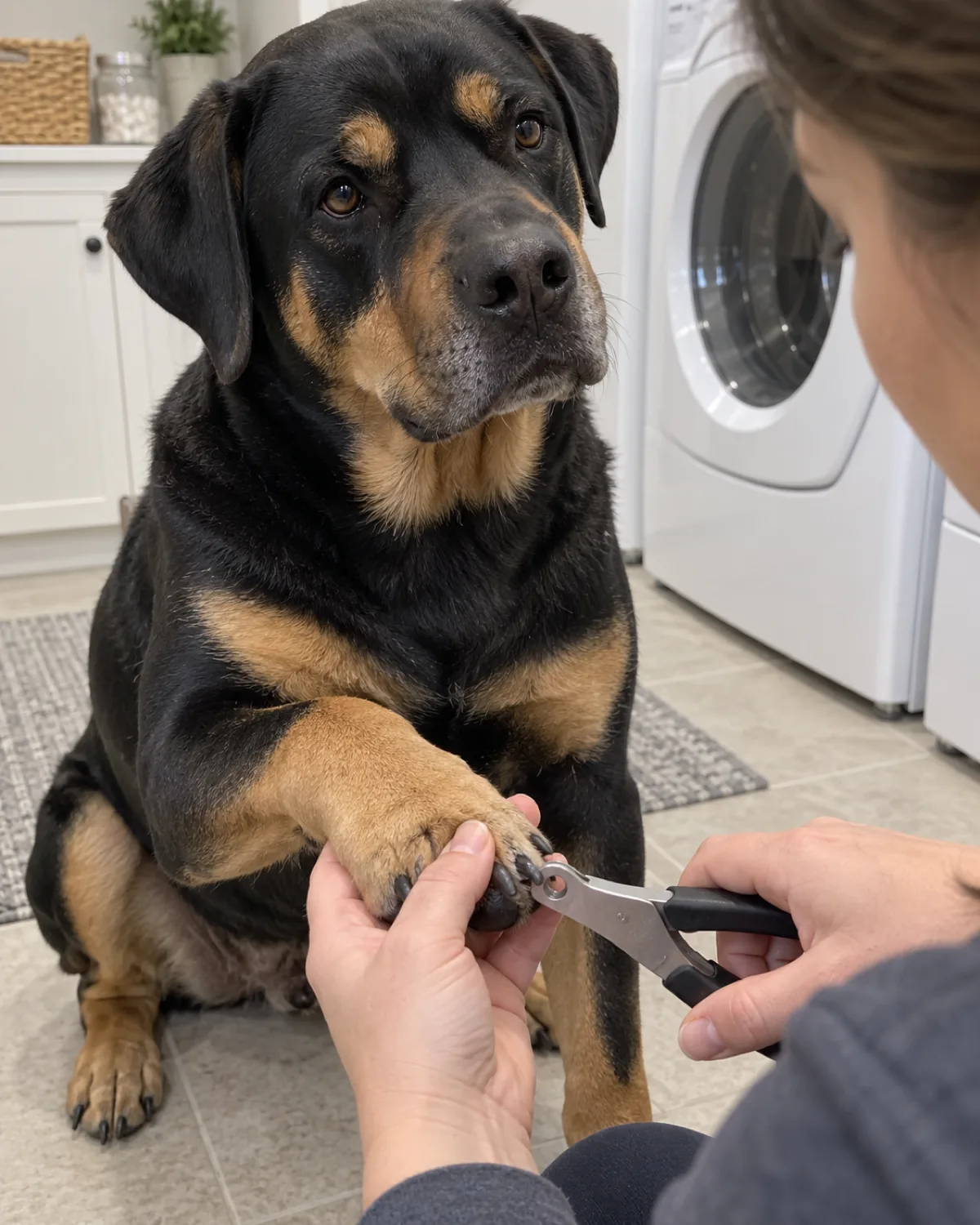
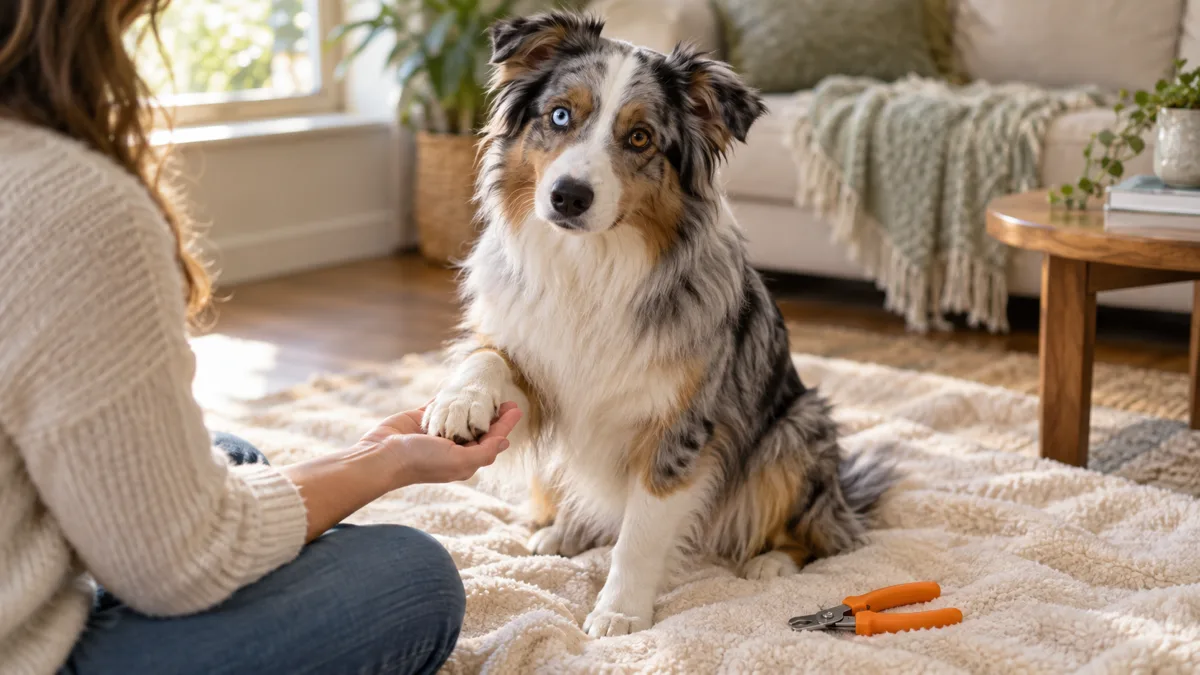
Guillotine-style clippers work best for small and medium dogs. The nail slides through a hole and a single blade slices the tip when you squeeze the handle. Plier-style clippers handle thicker nails on larger dogs because the two-blade design gives more cutting force.
Clip just the curved tip — the translucent hook that curls past the pad line. On dark nails where you cannot see the quick, take thin slices and stop when the center of the cut surface looks chalky or shows a small dark dot.
Keep styptic powder within reach before every session. Even experienced owners nick the quick occasionally.
For a full nail-trimming walkthrough, see the nail trimming guide.
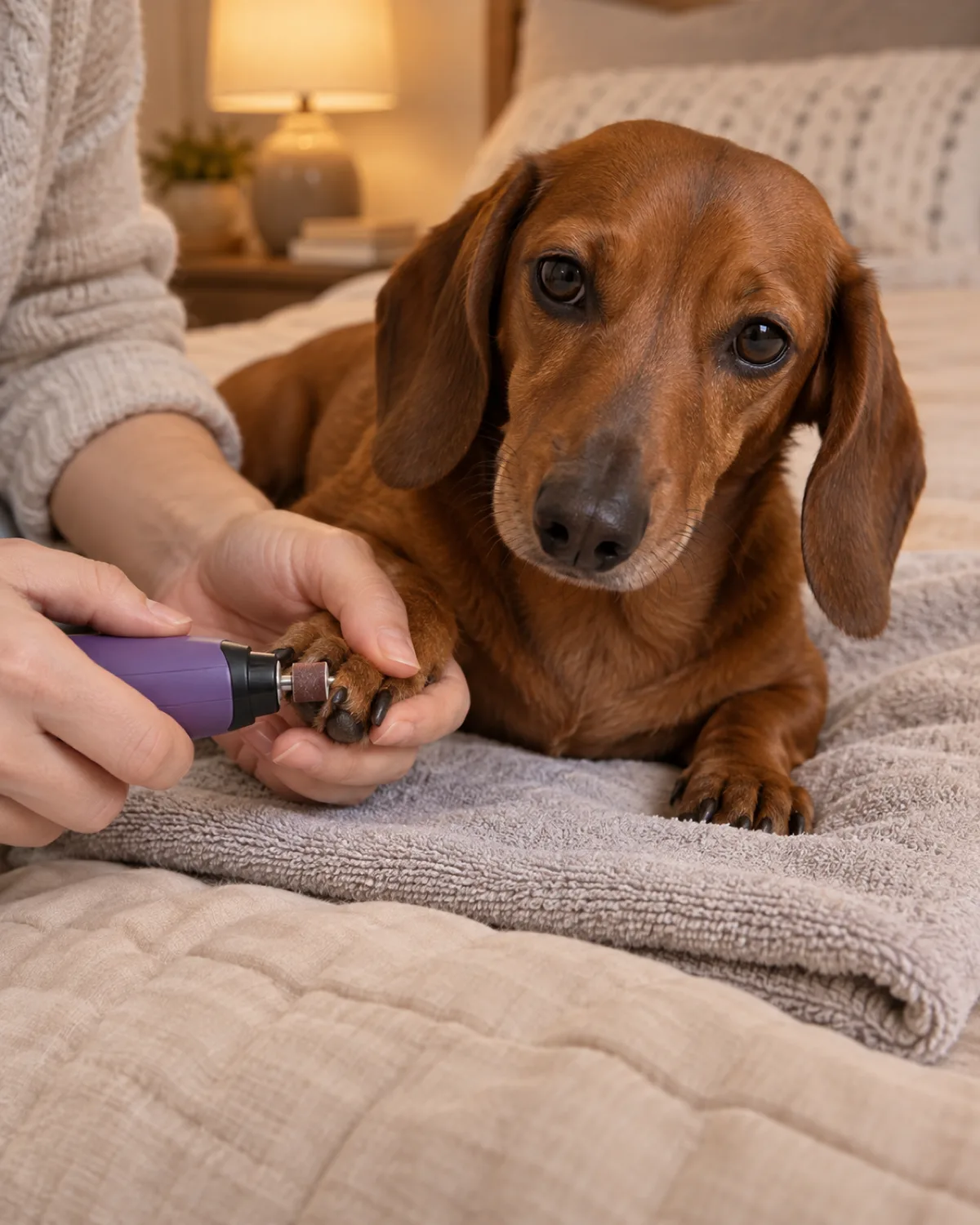
A nail grinder uses a small rotating sanding band to file the nail down instead of cutting it. The result is a smooth, rounded edge with no sharp corners — and because you remove material gradually, the risk of hitting the quick drops significantly.
Grinders work especially well for dogs that panic at the snap-and-pressure sensation of clippers. The vibration and sound take some getting used to, but most dogs tolerate it faster than the sharp squeeze of a blade.
| Clippers | Grinder |
|---|---|
| Faster per nail | Slower but smoother finish |
| Sharp edge left behind | Rounded edge, no snags |
| Risk of cutting too deep | Gradual removal, lower quick risk |
| Silent | Motor hum — needs desensitization |
Many owners use clippers first to remove the bulk, then finish with a grinder to smooth the edges. That combination is faster than grinding alone and cleaner than clipping alone.
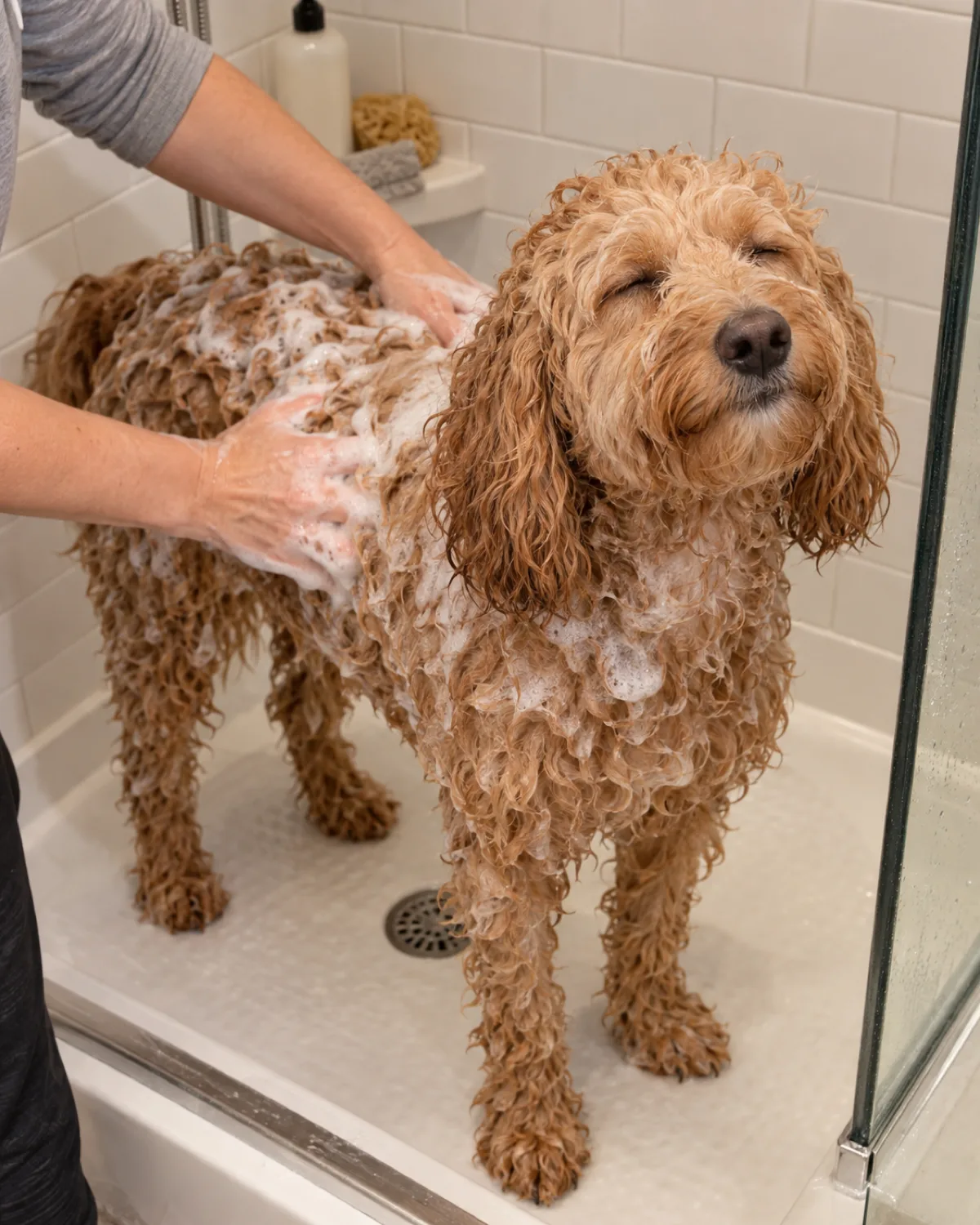
Dog skin sits around a pH of 7.5, while human shampoo is formulated for a pH of about 5.5. Using human shampoo strips the protective acid mantle on your dog’s skin, leading to dryness, itching, and sometimes bacterial infections.
A dog-specific shampoo is pH-balanced for canine skin and typically contains milder surfactants that clean without over-stripping.
Wet the coat thoroughly before applying shampoo. Work the lather from neck to tail, avoiding the eyes and inner ears. Rinse until the water runs completely clear — leftover residue causes flaking.
For the full bathing process, the at-home bathing guide covers water temperature, drying, and common mistakes.
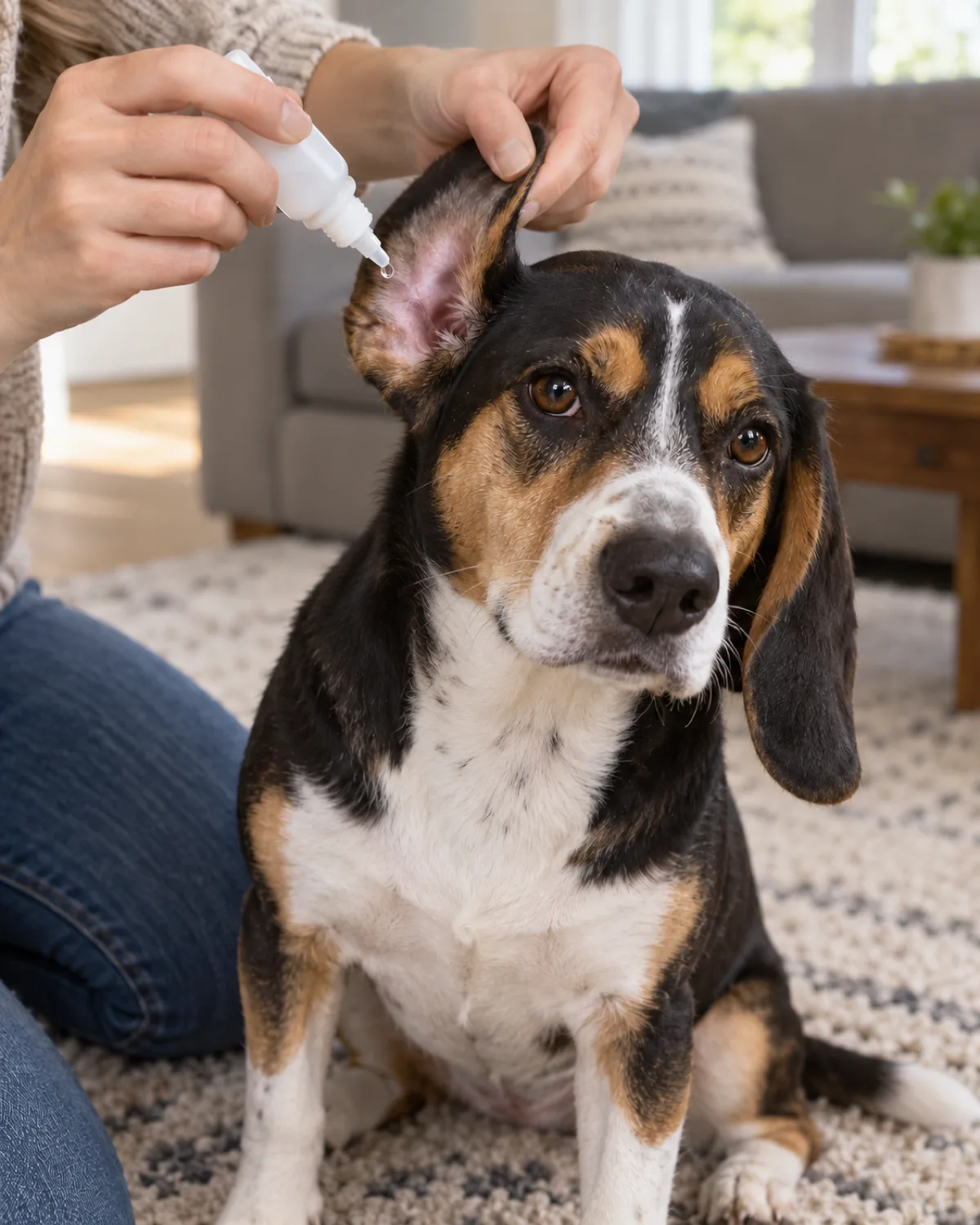
Dogs with floppy ears trap moisture and warmth inside the ear canal, which creates the exact environment yeast and bacteria thrive in. A veterinary-grade ear cleaning solution breaks up wax buildup and dries the canal after it drains.
Lift the ear flap, squeeze enough solution to fill the canal, then massage the base of the ear for about thirty seconds. You will hear a squishing sound — that means the solution is reaching the debris. Let the dog shake (they will), then wipe the visible outer ear with a cotton ball.
For a step-by-step ear cleaning routine, see the ear cleaning guide.
Discharge that is dark brown, yellow-green, or has a strong yeasty smell means an active infection. Cleaning alone will not resolve it — a vet needs to examine the ear and may prescribe medicated drops. Clean ears maintain, they do not treat.
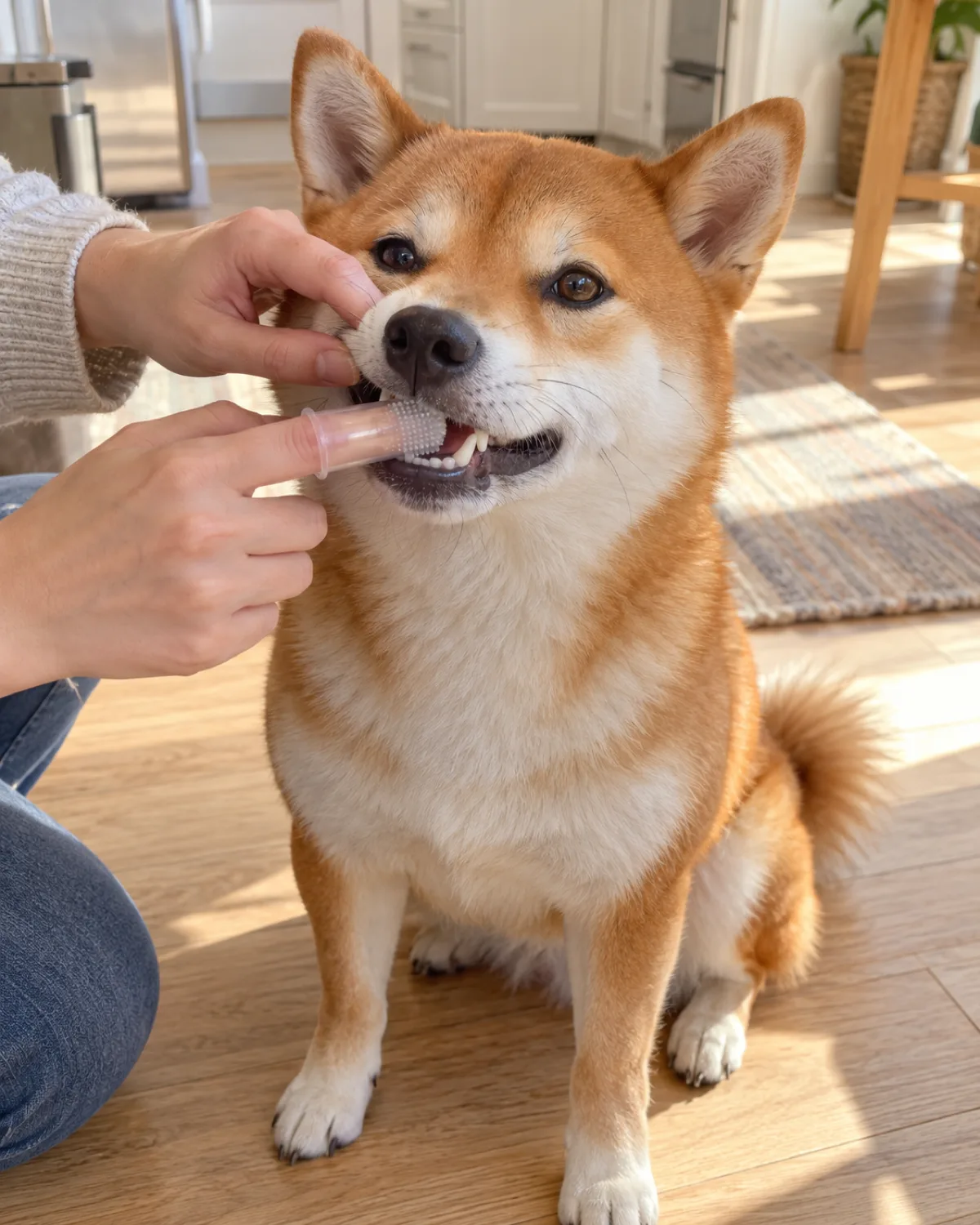
Dental disease affects most dogs over the age of three. Daily brushing is the single most effective way to prevent plaque from hardening into tartar, which leads to gum recession and tooth loss.
A dog toothbrush has softer bristles and an angled head sized for a canine mouth. Finger brushes — silicone caps that slip over your index finger — give more control for small dogs or beginners.
Dog toothpaste uses enzymatic formulas that break down plaque on contact, which means even a short session helps. Human toothpaste contains fluoride and xylitol, both toxic to dogs — never substitute.
For dogs that refuse a brush altogether, the no-brush dental care guide covers dental chews, water additives, and other alternatives. The full dental care overview ties everything together.
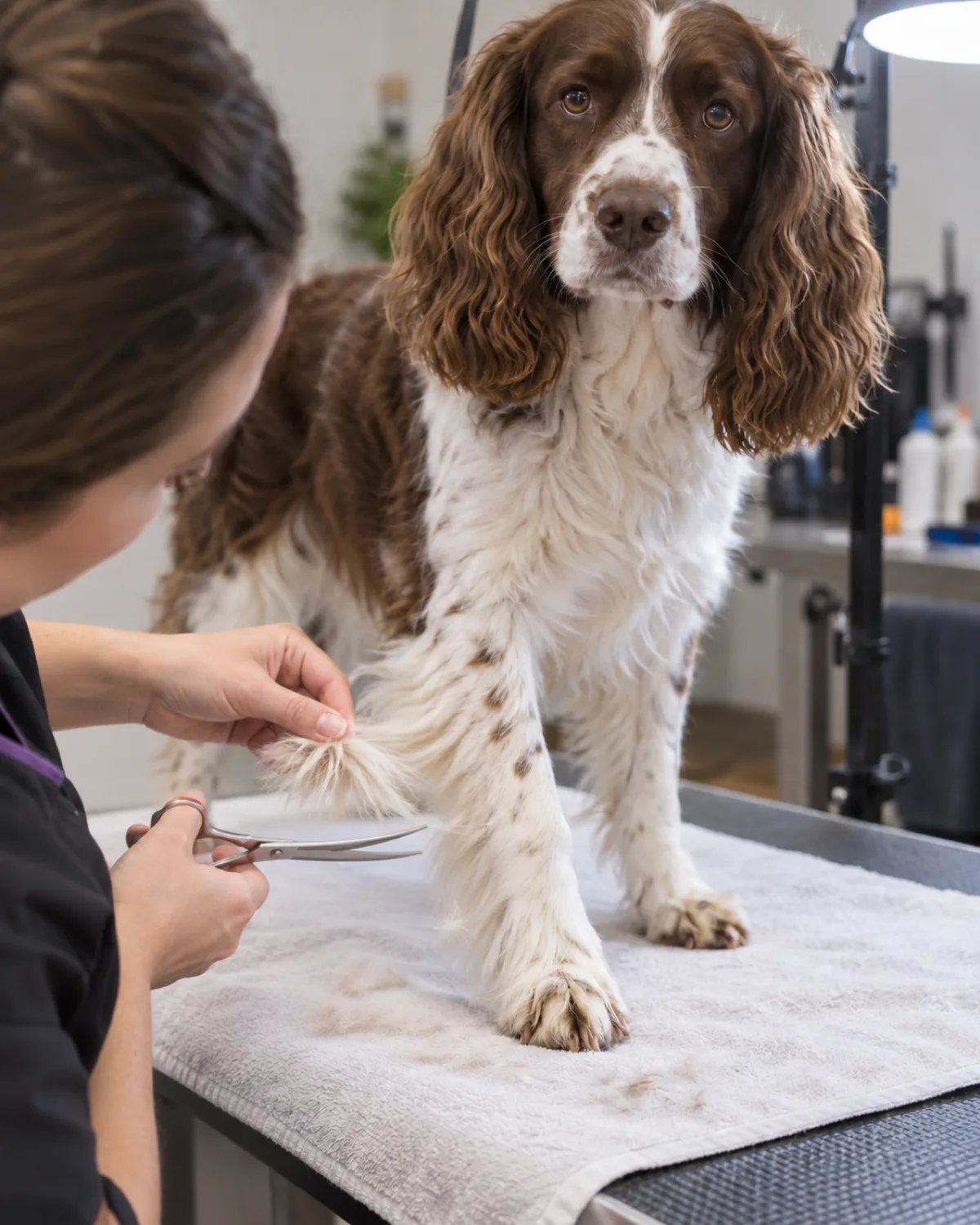
Grooming scissors handle the detail work that clippers cannot reach — the fur between the paw pads, around the eyes, under the tail, and along the ear edges.
Curved scissors follow the natural contour of a paw or face better than straight ones, which is why most groomers keep both styles in their kit.
Hold the scissors parallel to the body and cut small amounts at a time. Cutting against the growth direction creates a choppy, uneven look.
For a complete home haircut walkthrough, that guide covers clippers, scissors, and blending together.
Buying the wrong tool wastes money and makes grooming harder than it needs to be. These three rules keep your kit lean and functional.
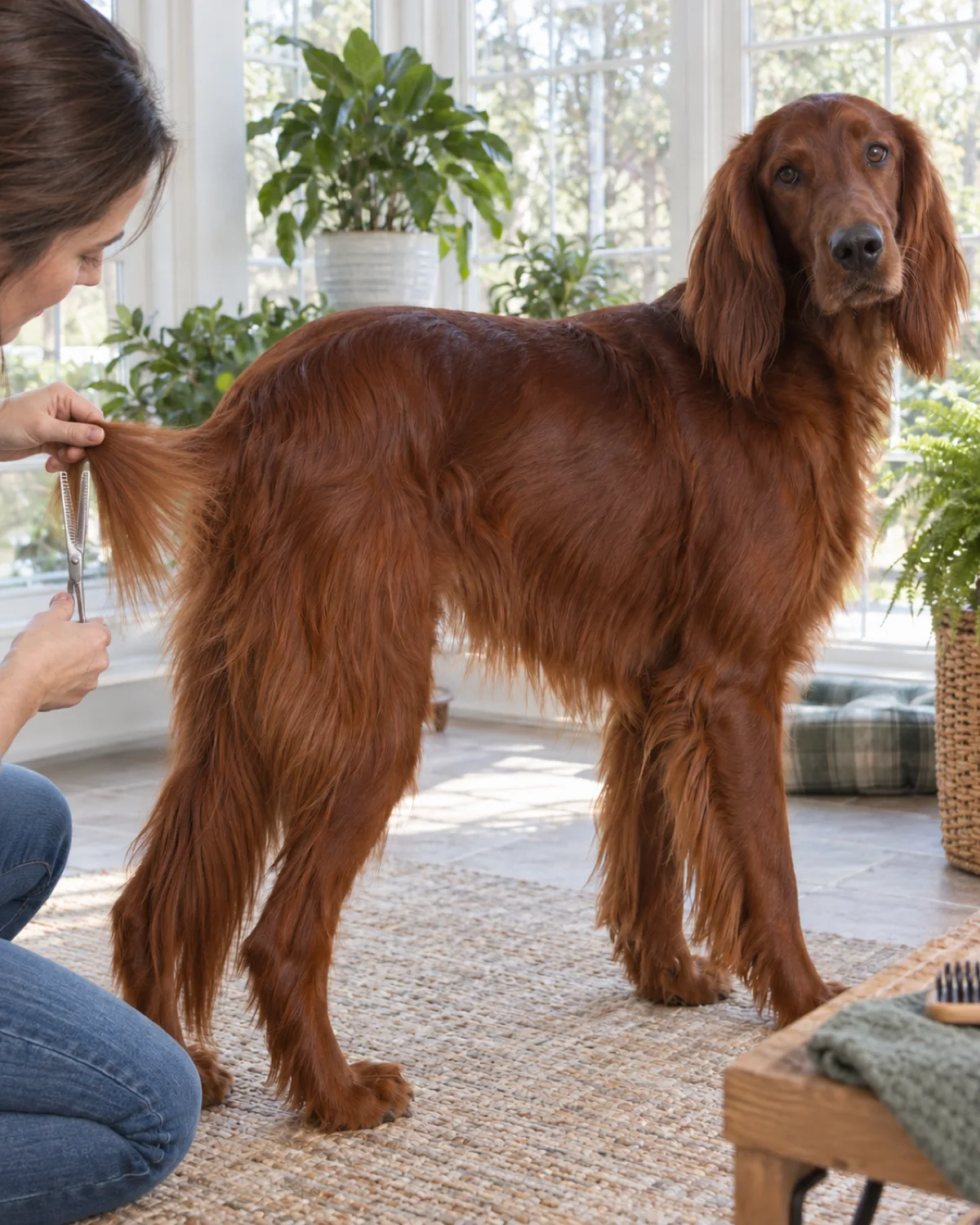
Thinning shears have one regular blade and one blade with teeth. When you close them, only the strands caught in the teeth get cut, which removes bulk without creating a visible cut line.
Use them to blend the transition between clipped and scissored areas, thin out heavy ear feathering, or reduce the poofiness of a thick coat without changing the length.
Thinning shears are not a substitute for regular scissors or clippers. They refine a shape that already exists. If the coat needs length taken off, cut first and thin second.
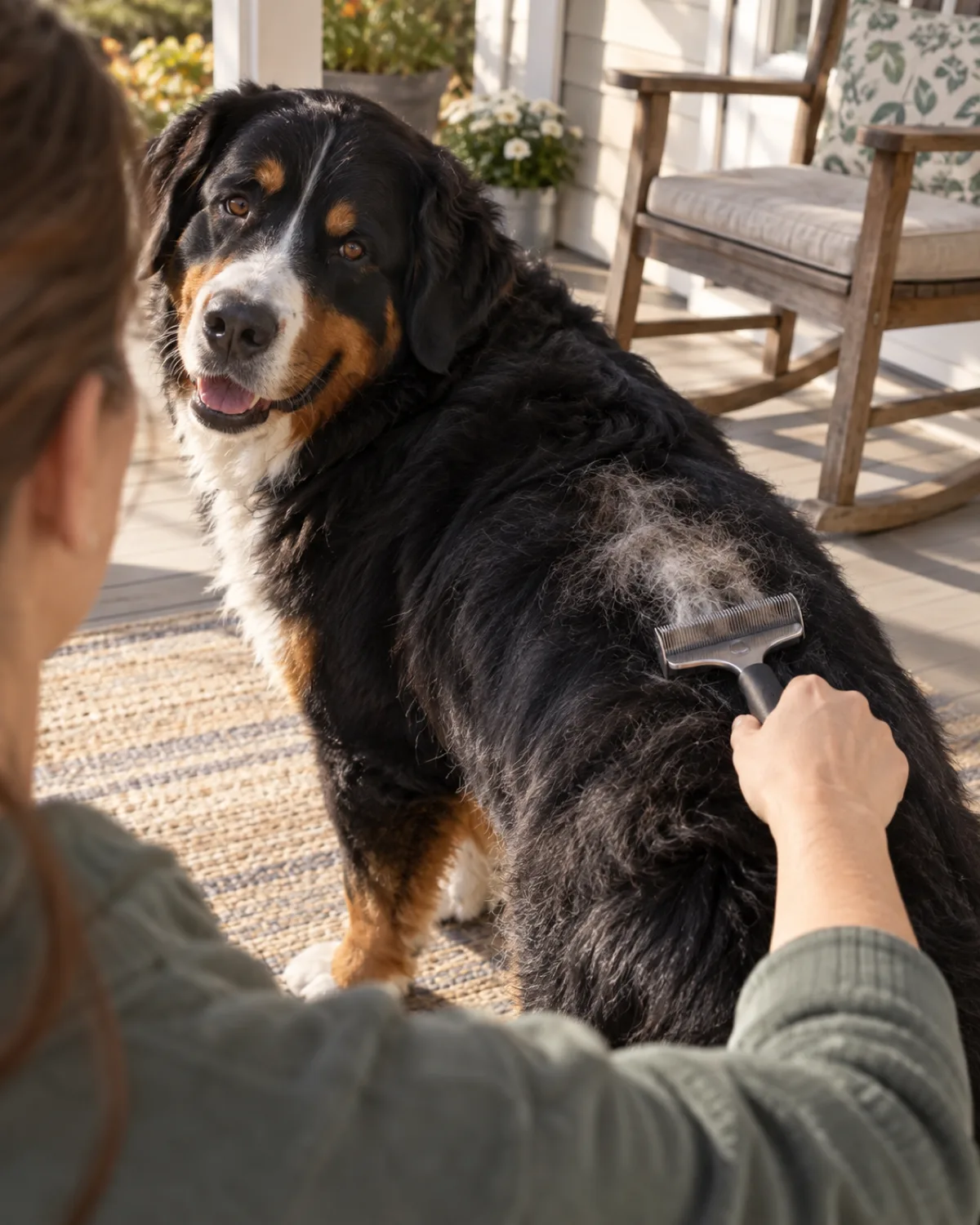
A de-shedding tool has a row of short, closely spaced teeth behind a guard that catches and holds the dead undercoat as you pull it through. It removes the fine, shed-ready hairs that a regular brush misses.
This tool works on the finished layer after an undercoat rake has already pulled the big clumps. Using it alone on a heavily shedding coat takes too long because the fine teeth cannot grip thick mats of loose fur.
| Tool | What it removes | Best timing |
|---|---|---|
| Undercoat rake | Bulk dead undercoat | During heavy coat blows |
| De-shedding tool | Fine loose hairs left after raking | Weekly maintenance between blows |
| Bristle brush | Surface dust and redistributes oils | Daily or every other day |
For the full shedding-reduction routine, the shedding guide ties all three tools together.
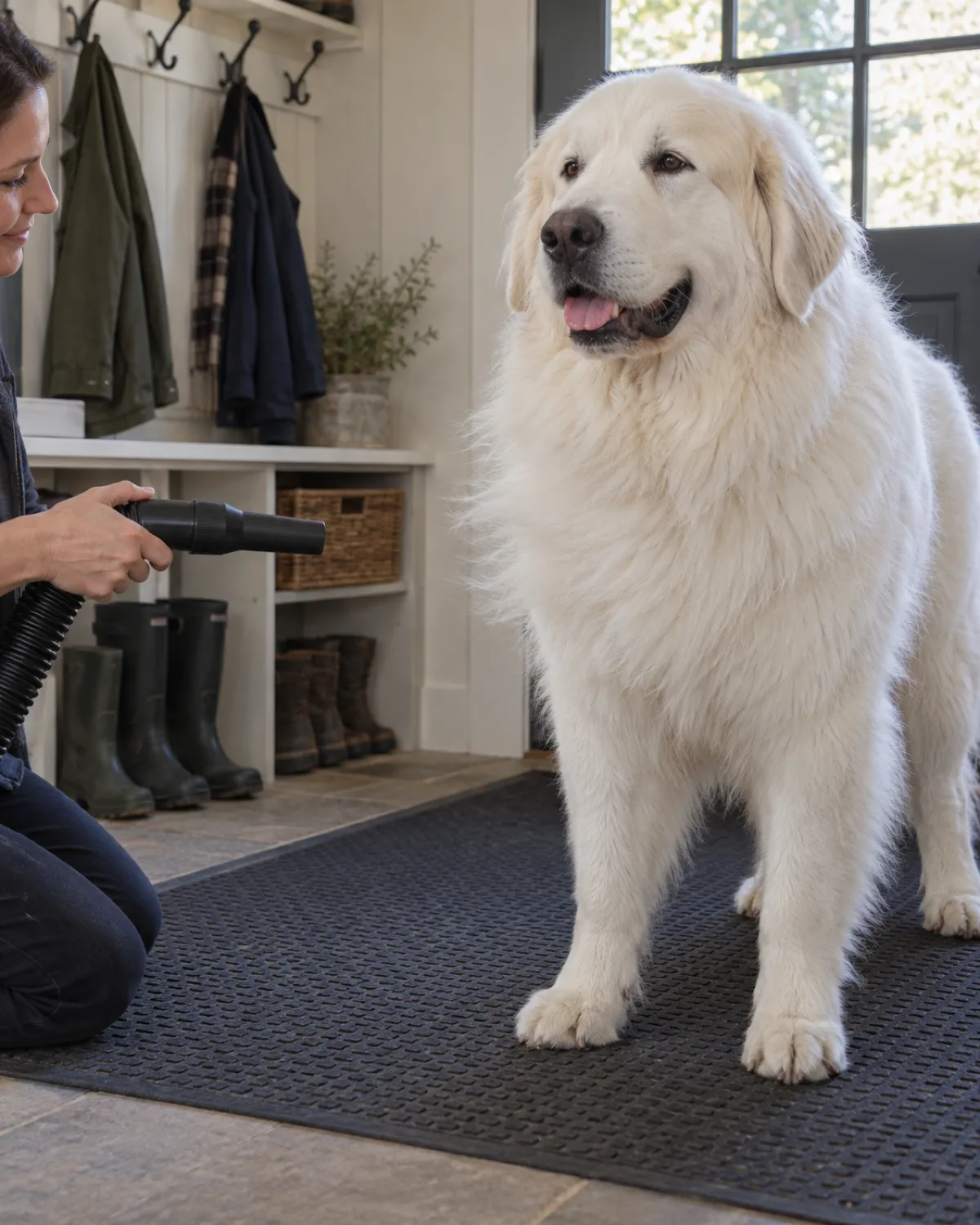
A pet-specific forced-air dryer blows room-temperature air at high velocity to push water out of the coat mechanically. Human blow dryers use heat, which dries the surface while leaving moisture trapped near the skin — the exact condition that causes hot spots and fungal infections in thick-coated dogs.
Air drying works for thin-coated dogs in warm weather. Double-coated dogs, curly-coated dogs, and any dog bathed in cooler months need forced-air drying to get the undercoat fully dry.
For more on post-bath drying technique, see the drying guide.
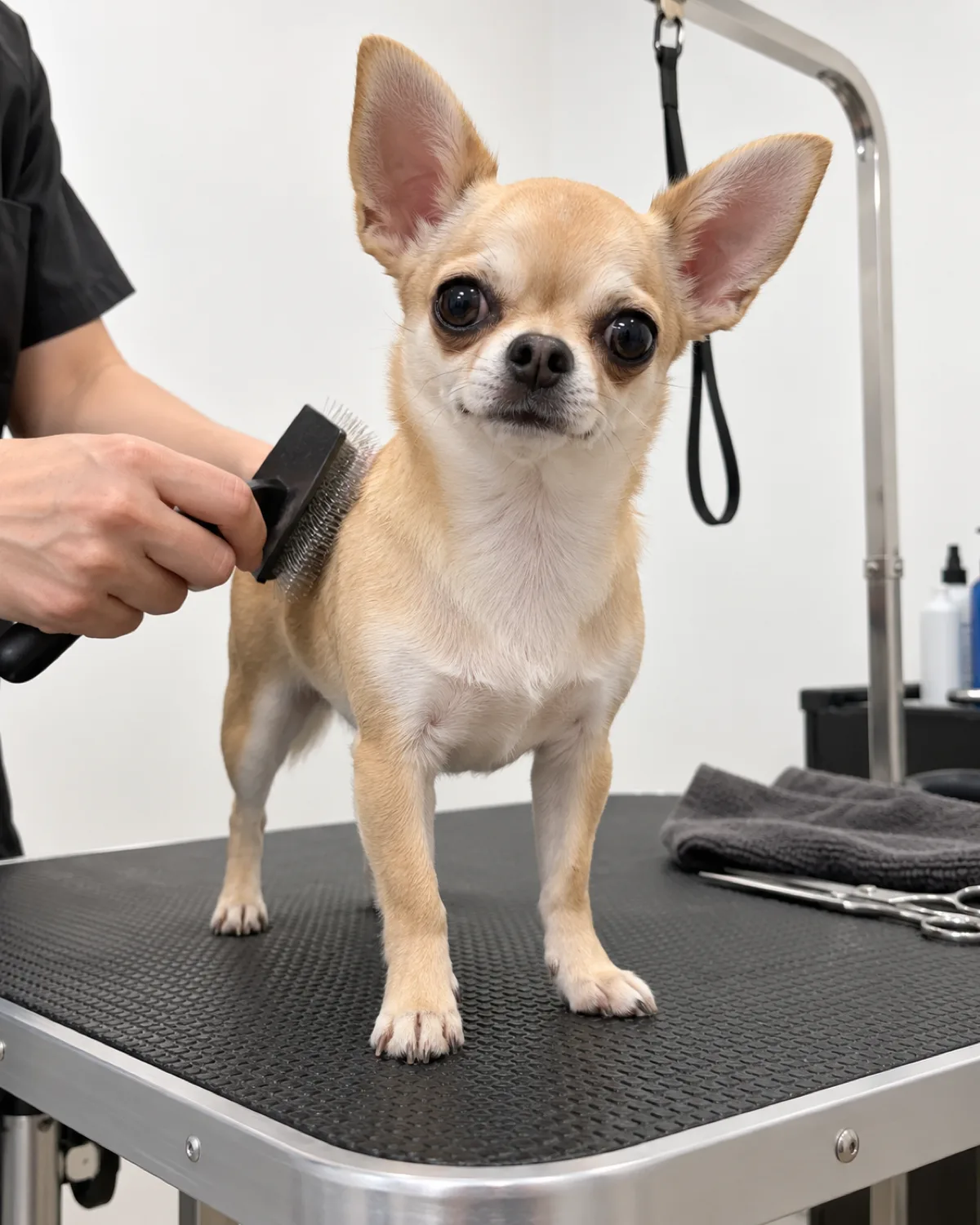
A grooming table puts the dog at waist height so you are not hunched over the bathtub or kneeling on the floor. The non-slip rubber top keeps paws from sliding, and the adjustable arm with a loop keeps the dog standing in place without someone else holding them.
The loop around the dog's neck is a safety aid, not a restraint. It should be loose enough to fit two fingers between the loop and the neck. Never leave a dog unattended on a table with a loop attached.
A dedicated grooming station turns a corner of a laundry room or mudroom into a permanent setup.
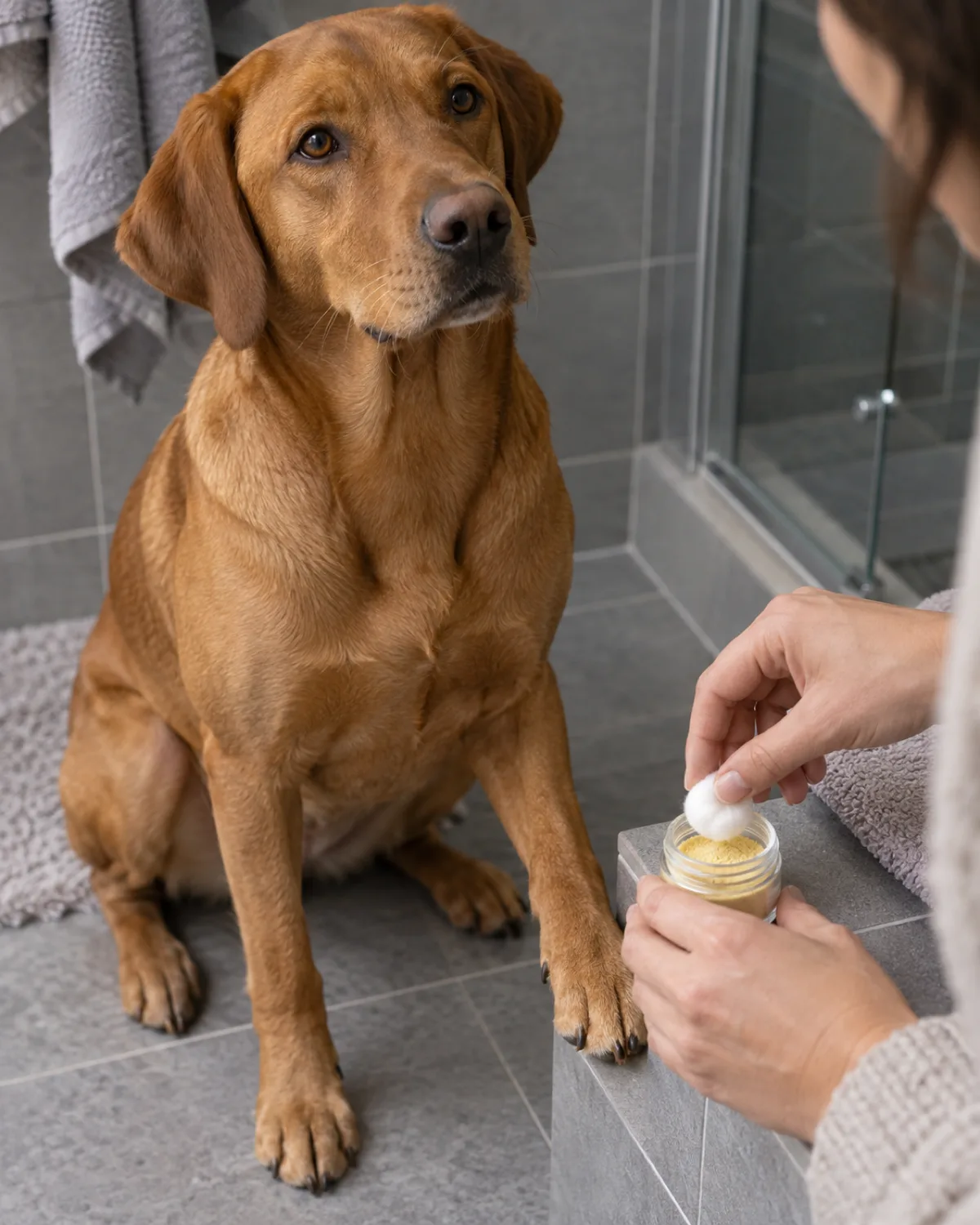
Styptic powder is a clotting agent that stops bleeding within seconds when you accidentally cut a nail too short. It contains ferric subsulfate or potassium alum, which constricts the blood vessel at the cut end.
Dip a cotton ball or your fingertip into the powder and press it firmly against the bleeding nail for ten seconds. Hold steady — pulling away to check too soon restarts the bleeding.
This is the one tool you hope you never need but absolutely should own before the first nail session. Having it on hand keeps a minor nick from turning into a panicked trip to the emergency vet.
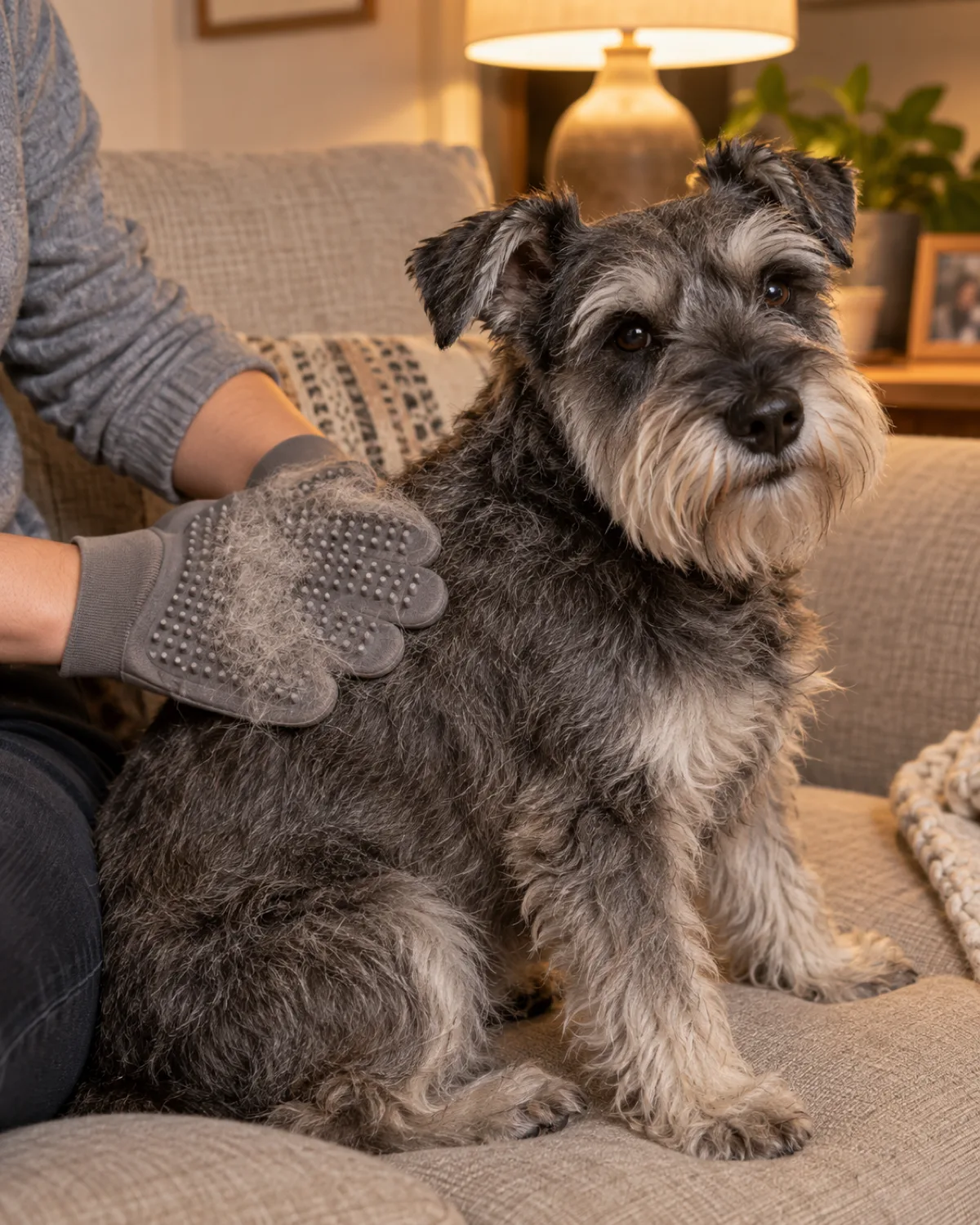
A grooming glove has soft rubber nubs on the palm and fingers. You pet the dog normally and the nubs lift loose hair as you go. For dogs that bolt at the sight of a brush, this turns grooming into something that feels like affection.
It does not replace a proper brush for thick or tangled coats. What it does well is daily light maintenance — removing the surface layer of loose fur before it ends up on the couch.
The glove also doubles as a gentle massager during bath time. The nubs work the shampoo into the coat more evenly than your fingers alone, and most dogs lean into it rather than pulling away.
A soft slicker brush, puppy-specific shampoo, and a nail grinder are enough to start. Puppies have thin, fine coats and small nails that do not need heavy-duty tools yet. The goal at this stage is getting your puppy comfortable with being handled, not a perfect grooming session. See the puppy grooming guide for a step-by-step first session.
Brushes and combs last for years if you clean them regularly — pull out trapped fur after every session and wash them with soap monthly. Nail clipper blades dull after about six to twelve months of regular use, and you will feel the difference when they start crushing instead of cutting cleanly.
Grinder bands need replacing every few months depending on use. Scissors should be professionally sharpened once a year.
One emergency bath will not cause permanent damage, but do not make it a habit. Human shampoo has a lower pH that disrupts the protective layer on canine skin, leading to dryness and irritation with repeated use. Baby shampoo is closer to neutral pH and is a better emergency substitute than adult formulas.
Not necessarily. Either tool works on its own. Clippers are faster, grinders give a smoother finish with less risk of cutting the quick. Many owners prefer using clippers first for the bulk removal, then finishing with a grinder for the edges. If your dog only tolerates one, stick with whichever keeps them calmer.
Pull hair out of brushes and combs by hand. Wash metal tools with warm soapy water and dry them completely to prevent rust. Wipe scissor blades with a cloth and apply a drop of clipper oil to the pivot point. Disinfect nail tools with rubbing alcohol or a pet-safe disinfectant between dogs if you groom more than one.
pawliqa.com
Ten things every dog owner should know about shedding, from seasonal coat blows and stress-related loss to diet fixes and realistic expectations.
Read the guideFifteen dog paw care tips covering pad checks, nail length, moisturizing, hot pavement tests, winter balm, cracked pad first aid, and seasonal routines.
Read the guideFourteen dog nail trimming tips covering tool choice, anxiety cues, quick avoidance, dark nails, grinding versus clipping, frequency, and when to call a groomer.
Read the guide