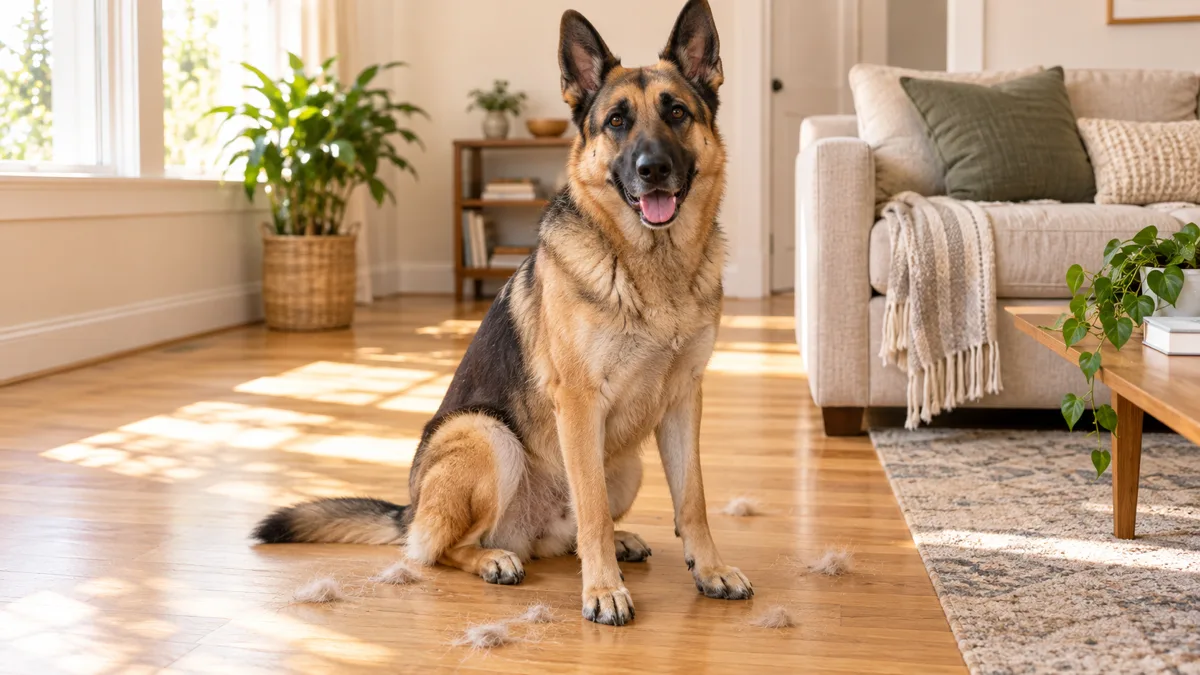
Dog shedding is one of those things every owner expects but few fully understand. The fur on the couch, the tumbleweeds under the table, the layer coating your black pants.
You cannot stop it. But you can understand why it happens, predict when the worst waves hit, and set up your routine so the mess stays manageable.
These ten things cover the biology, the seasonal patterns, the stress signals, and what you can and cannot control.
1. Why Dogs Shed and What the Hair Growth Cycle Actually Does
Every dog hair goes through a four-phase life cycle: growth (anagen), transition (catagen), rest (telogen), and release (exogen). Shedding is the exogen phase — the moment a fully rested hair finally detaches and falls.
The length of each phase varies wildly between dogs. A dog with a short, smooth coat might cycle through the entire process in a few weeks, which means loose hairs appear constantly. A dog with a long, dense coat can hold hairs in the telogen phase for months before releasing them in a dramatic wave.
The takeaway: dog shedding is not a malfunction. It is the coat doing exactly what it is supposed to do. The volume and timing of what lands on your floor are dictated by your dog's individual hair cycle, not by anything you are doing wrong.
Anagen (growth): determines max hair length — short-coated dogs have brief anagen phases, long-coated dogs have extended ones
Catagen (transition): hair stops growing and the follicle shrinks — lasts roughly two weeks regardless of breed
Telogen (rest): the hair sits in the follicle, fully formed but no longer anchored tightly — this is the "loaded" phase before shedding
Exogen (release): the old hair falls out and a new anagen hair pushes in behind it
Understanding these phases helps you predict when shedding will peak and why certain interventions (like brushing) work — they are mechanically pulling telogen hairs before they scatter on their own.
2. Seasonal Shedding: When the Big Coat Blow Happens and How Long It Lasts
Most dogs experience two major shedding events each year. The spring blow drops the thick winter undercoat as daylight hours increase and temperatures rise. The fall blow sheds the lighter summer coat to make room for denser winter growth.
Spring is almost always the heavier of the two. The winter undercoat is thicker, denser, and more tightly packed, so when it releases, the volume of loose fur can be startling — clumps pull out in handfuls, and fur tumbleweeds accumulate within hours of vacuuming.
The timing varies by geography. In northern climates, the spring blow usually peaks between late March and early May. In southern climates, it can start as early as February and drag into June. Fall blows typically run from September through November, though they are less dramatic in milder regions.
Season
Trigger
Duration
Volume
Spring blow
More daylight + rising temps
2–4 weeks
Heavy
Fall blow
Less daylight + cooling temps
2–3 weeks
Moderate
Year-round
Normal hair cycling
Ongoing
Light
A typical coat blow lasts two to four weeks at peak intensity. Brushing daily during these windows shortens the visible mess considerably — not because it changes the biology, but because you are catching the telogen hairs before they hit the carpet.
3. Double Coat vs Single Coat: What Decides How Much Fur Falls
The biggest single factor in how much your dog sheds is coat structure, and the primary distinction is whether your dog has a double coat or a single coat.
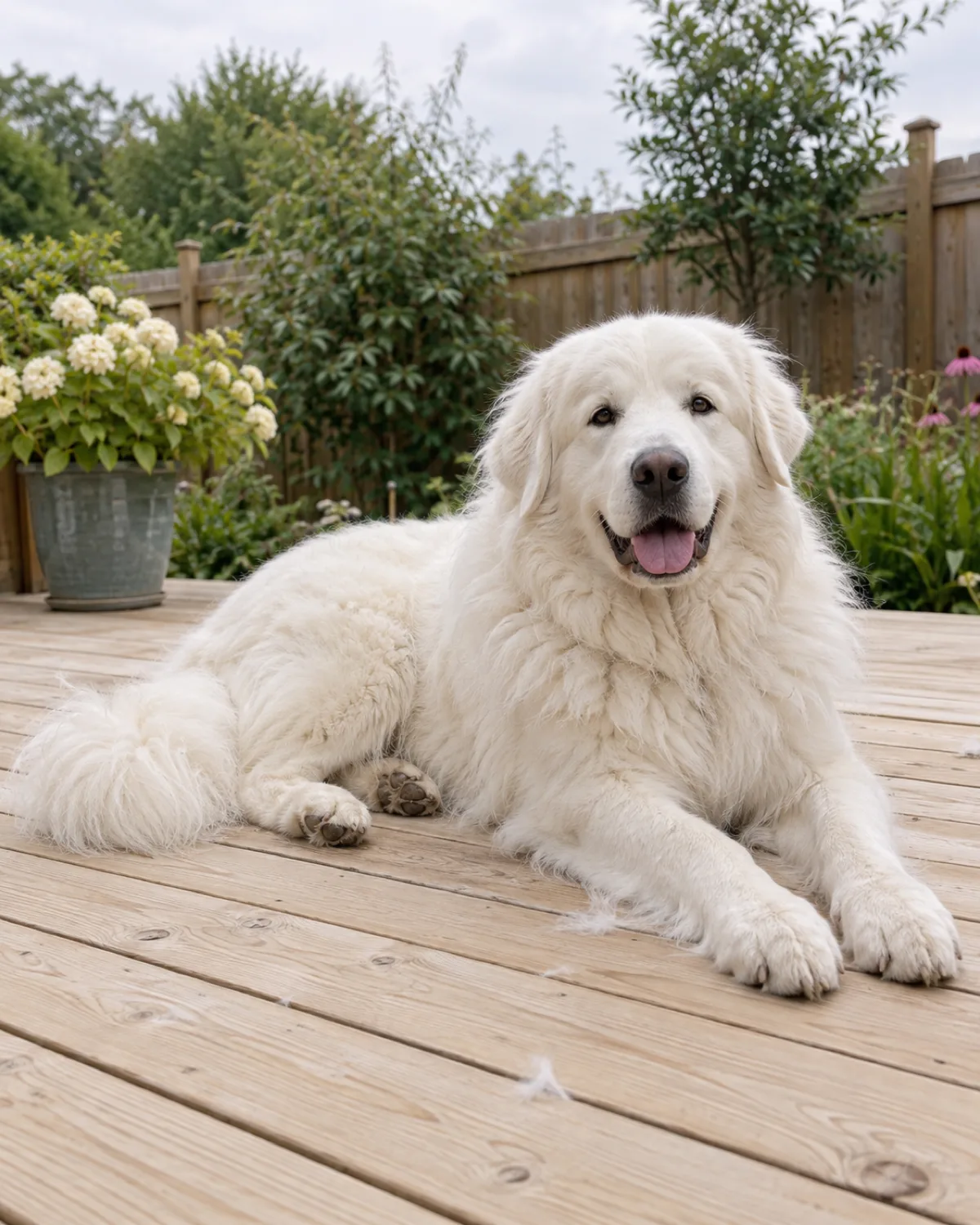
A double coat has two layers: a coarse outer coat (guard hairs) that repels water and debris, and a soft, dense undercoat that insulates. Dogs with double coats shed dramatically during seasonal blows because the entire undercoat turns over at once. Between blows, they shed moderately as individual guard hairs and undercoat fibers finish their cycles.
A single coat has one uniform layer of hair with no distinct undercoat. These dogs still shed — every hair that grows eventually falls — but the volume is lower and more consistent throughout the year. There are no dramatic seasonal dumps because there is no undercoat to dump.
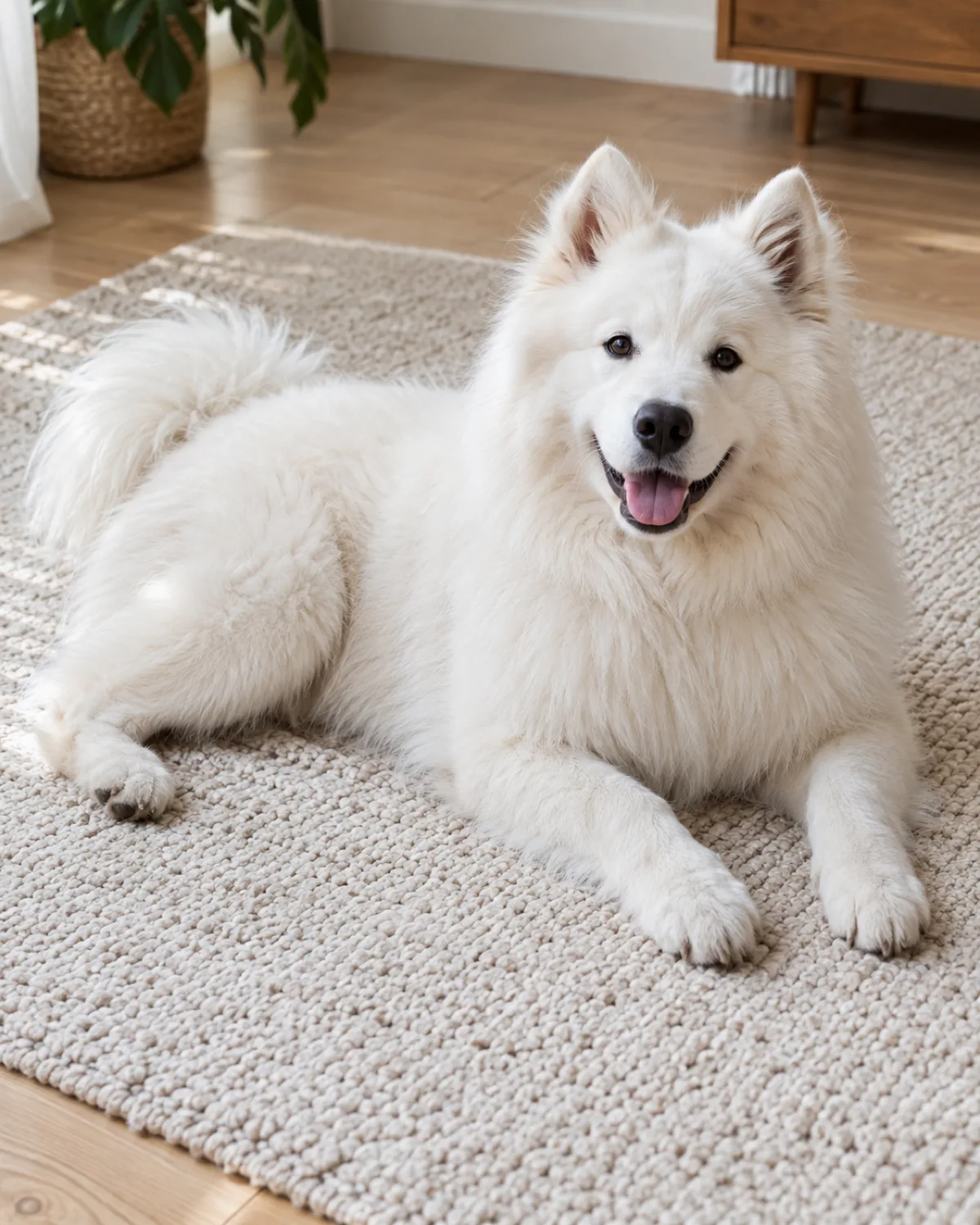
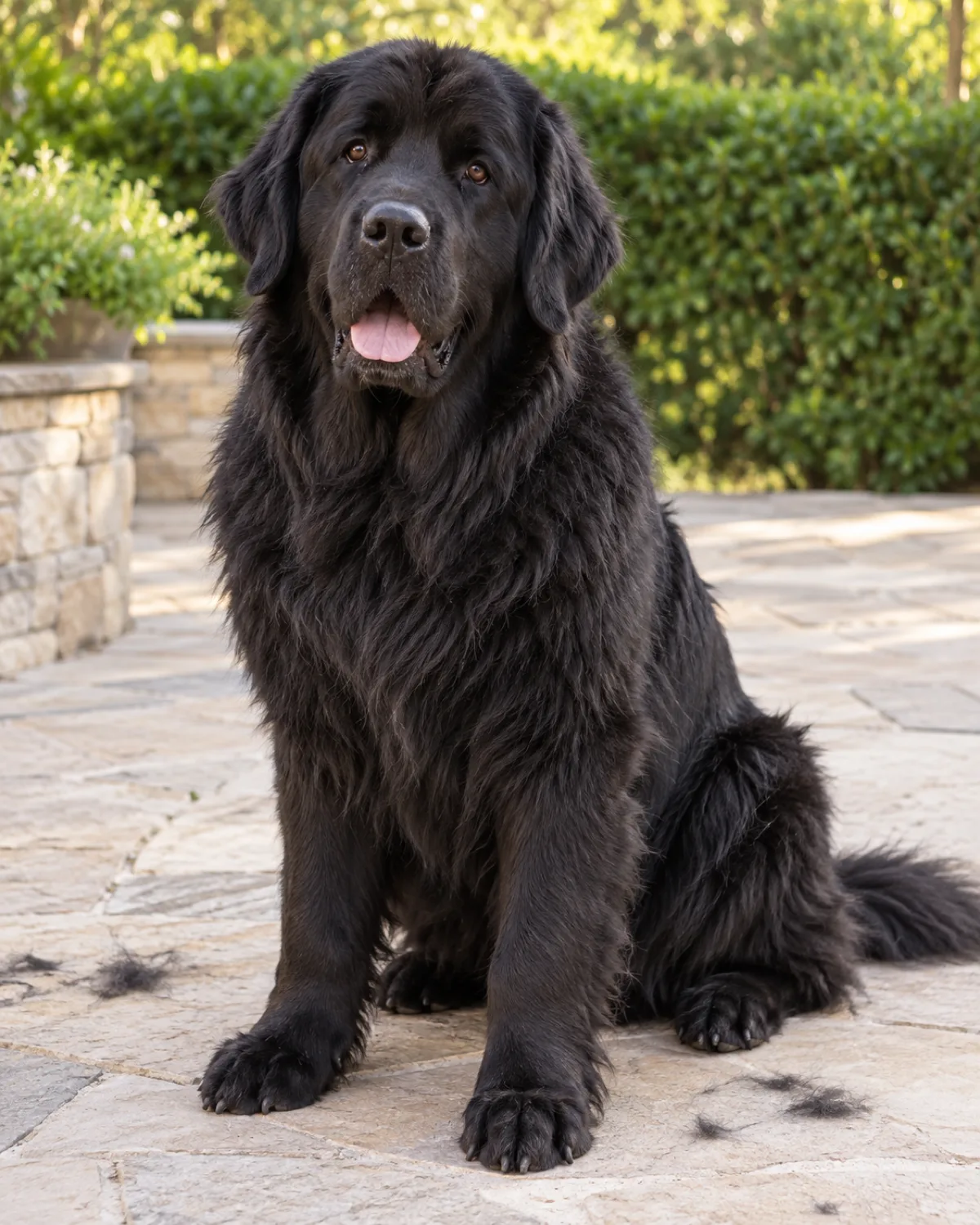
Heavy double-coat shedders: thick-furred dogs with dense undercoats, arctic-type dogs, large herding dogs, and many sporting dogs
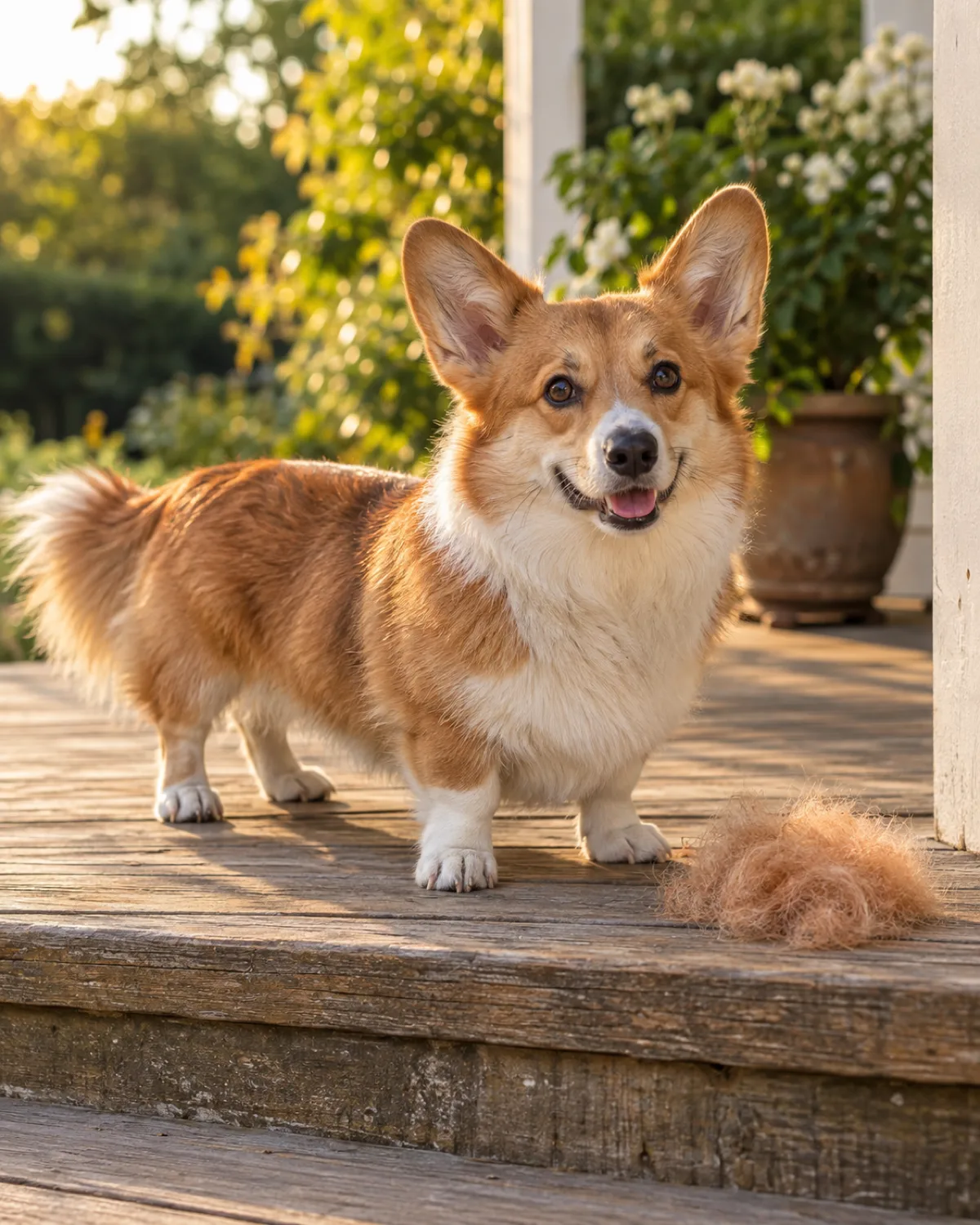
Moderate shedders: medium-coated dogs with lighter undercoats, many terriers, and some hound types
Low shedders: curly and wiry single-coated dogs, silky-haired toy breeds — they lose less fur but often need more grooming to prevent mats
The phrase "hypoallergenic dog" gets thrown around, but it is misleading. All dogs shed to some degree. Dogs with curly coats shed less fur into the environment because the shed hairs get trapped in the curls instead of falling onto surfaces — which means more brushing, not less maintenance.
Quick Check
Is your dog a heavy or light shedder?
Two quick checks to set your expectations for how much fur to expect.
Part the fur to the skinIf you see a dense, cottony underlayer beneath coarser outer hairs, your dog has a double coat and will shed heavily during seasonal blows.
Run your hand against the grainIf loose hairs cling to your palm with a single stroke, your dog is in an active shedding phase regardless of coat type. Little to no pickup means a quieter period.
4. Indoor Dogs and Year-Round Shedding: Why Climate-Controlled Homes Change the Pattern
If your dog lives primarily indoors, you may notice shedding that never really stops. This is normal, and it has a straightforward explanation.
Seasonal coat blows are triggered mainly by changes in daylight, not temperature. But dogs who spend most of their time in climate-controlled homes with artificial lighting get mixed signals. The consistent temperature and extended light exposure can flatten the natural shedding cycle, spreading what would have been two intense blows across the entire year.
The total amount of fur shed over twelve months is roughly the same — the difference is distribution. Instead of two heavy dumps with quiet months in between, indoor dogs produce a steady, moderate stream of loose hair year-round.
This pattern catches some owners off guard because they expected a dog that "only sheds in spring and fall" based on something they read. If your dog sleeps in an air-conditioned house and spends evenings under bright ceiling lights, the body never gets a strong enough seasonal signal to synchronize the coat cycle.
Dogs that split time between indoor and outdoor environments often keep partial seasonal patterns — noticeable increases in spring and fall, but less dramatic than a fully outdoor dog
Dogs in homes with large windows and natural light exposure tend to maintain slightly more defined seasonal cycles than dogs in windowless apartments
This does not mean you should change your dog's living situation to manage shedding — it just explains why the "twice a year" rule does not apply to every household
5. Stress Shedding: The Coat Loss That Has Nothing to Do With Seasons
You have probably seen it happen: you take your dog to the vet, and by the time you leave there is a layer of fur on the exam table. That sudden burst of shedding is stress-related, and it works differently from normal seasonal hair loss.
Stress shedding happens because adrenaline and cortisol cause the arrector pili muscles at the base of hair follicles to contract. This pushes telogen-phase hairs out of the follicle faster than they would normally release. The result is a rapid, noticeable dump of loose fur that can happen within minutes of a stressful event.
Common triggers for stress shedding include:
Vet visits, grooming appointments, or car rides
Loud noises like thunderstorms or fireworks
Changes in routine — a new home, a new family member, a new pet
Separation anxiety or extended periods alone
Pain or illness that the dog has not shown other signs of
Stress shedding is temporary. Once the stressor passes and cortisol levels normalize, the coat returns to its usual cycle. But if your dog is shedding heavily outside of normal seasonal windows and none of the obvious triggers apply, it is worth mentioning to your vet — chronic stress or an underlying health issue might be pushing cortisol levels up without a visible behavioral cue.
The practical difference: seasonal shedding pulls mostly undercoat. Stress shedding pulls guard hairs and undercoat indiscriminately, so the fur that falls tends to look coarser and more varied than a typical coat blow.
6. Diet and Coat Quality: What Actually Slows Excessive Shedding
You cannot diet your way out of normal shedding. But you can make the difference between a coat that sheds the expected amount and one that sheds excessively because the hair is brittle, dry, or falling out before it finishes its cycle.
The nutrient that matters most for coat health is fat, specifically omega-3 and omega-6 fatty acids. These support the skin barrier and keep hair shafts flexible instead of dry and breakable.
A dog eating a balanced commercial diet usually gets adequate fat. But dogs on very lean diets or homemade meals without careful formulation sometimes show dull, flaky coats with more shedding than expected.
Nutrient
Role
Sources
Omega-3
Skin barrier, anti-inflammation
Fish oil, sardines
Omega-6
Hair shaft integrity
Chicken fat, eggs
Protein
Keratin production (90% of hair)
Animal protein
Zinc
Follicle health
Red meat, pumpkin seeds
Biotin (B7)
Keratin support
Liver, eggs
Adding a fish oil supplement (dosed for your dog's weight) is one of the few interventions that reliably improves coat quality in dogs whose existing diet is adequate but not rich in omega-3s. Expect four to six weeks before you see a difference — hair already in the telogen phase will shed regardless, and the improvement shows up in the new growth.
What does not help: over-bathing (strips natural oils), coconut oil applied topically (sits on the surface without penetrating), and most "anti-shedding" treats marketed with proprietary blends that do not disclose actual EPA/DHA levels.
Ground Rules
Four diet principles for a healthier coat
Fat firstCheck that your dog's food has at least 12–15% fat content. Lean or weight-management formulas sometimes cut fat too aggressively for coat health.
Fish oil by weightGeneral guideline is 75–100 mg EPA+DHA combined per kilogram of body weight daily. Use a product that lists EPA and DHA separately.
Protein qualityNamed animal protein as the first ingredient. Avoid foods where the primary protein source is plant-based — keratin production needs complete amino acid profiles.
PatienceCoat changes take one to two full hair cycles to show. Expect visible improvement in four to eight weeks, not days.
7. Brushing Routines That Match Your Dog's Shedding Level
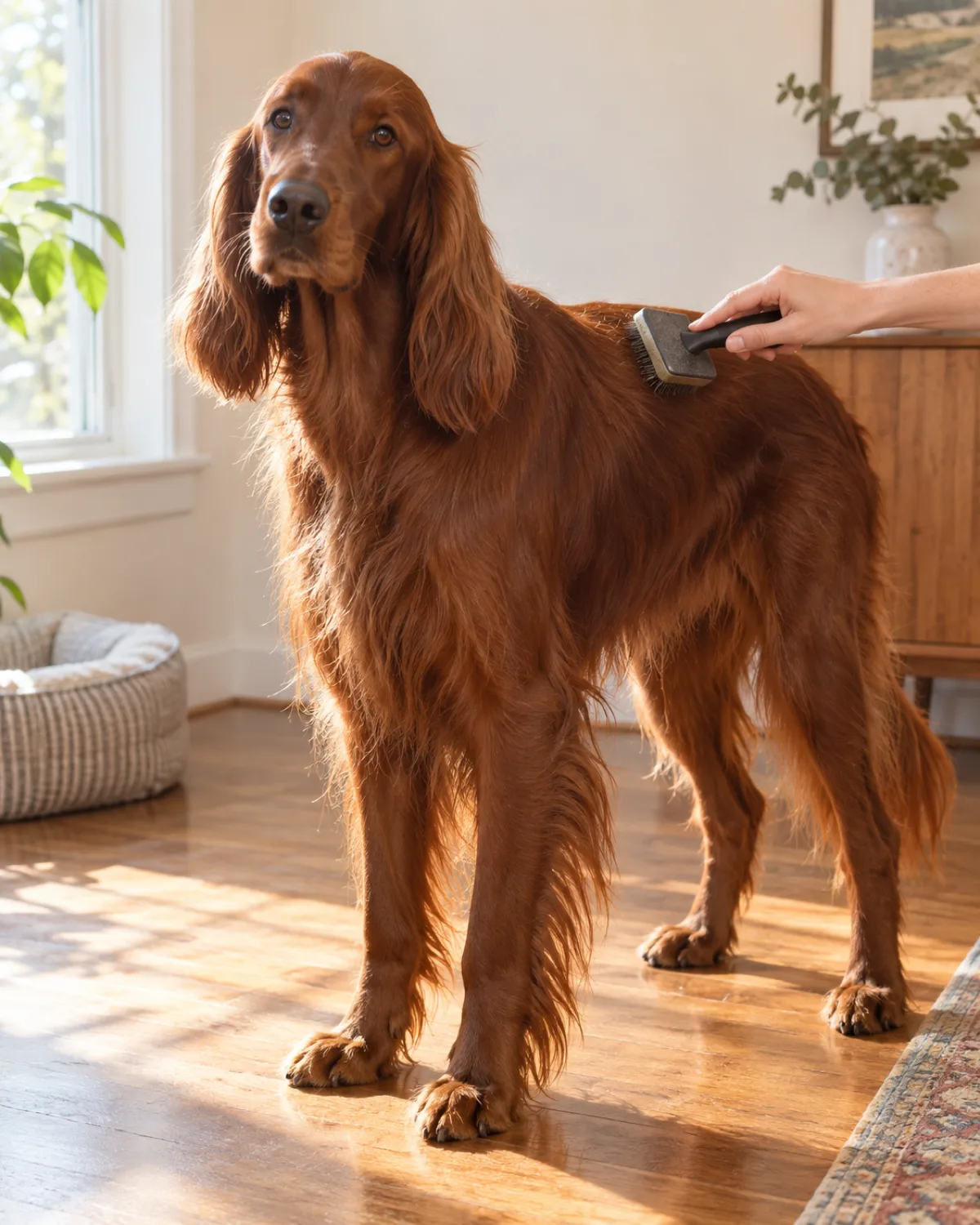
Brushing does not reduce shedding in a biological sense — your dog will lose the same total number of hairs whether you brush or not. What brushing does is capture those hairs before they scatter across your house, and it removes them in a controlled way that keeps the coat cleaner and the skin healthier.
The right frequency depends on coat type and whether you are in a shedding peak or a calm stretch.
Double-coated, heavy shedders: daily during seasonal blows, two to three times per week during quieter months — use an undercoat rake or deshedding tool to pull loose undercoat without cutting guard hairs
Medium-coated dogs: two to three times per week year-round — a slicker brush handles most medium coats well
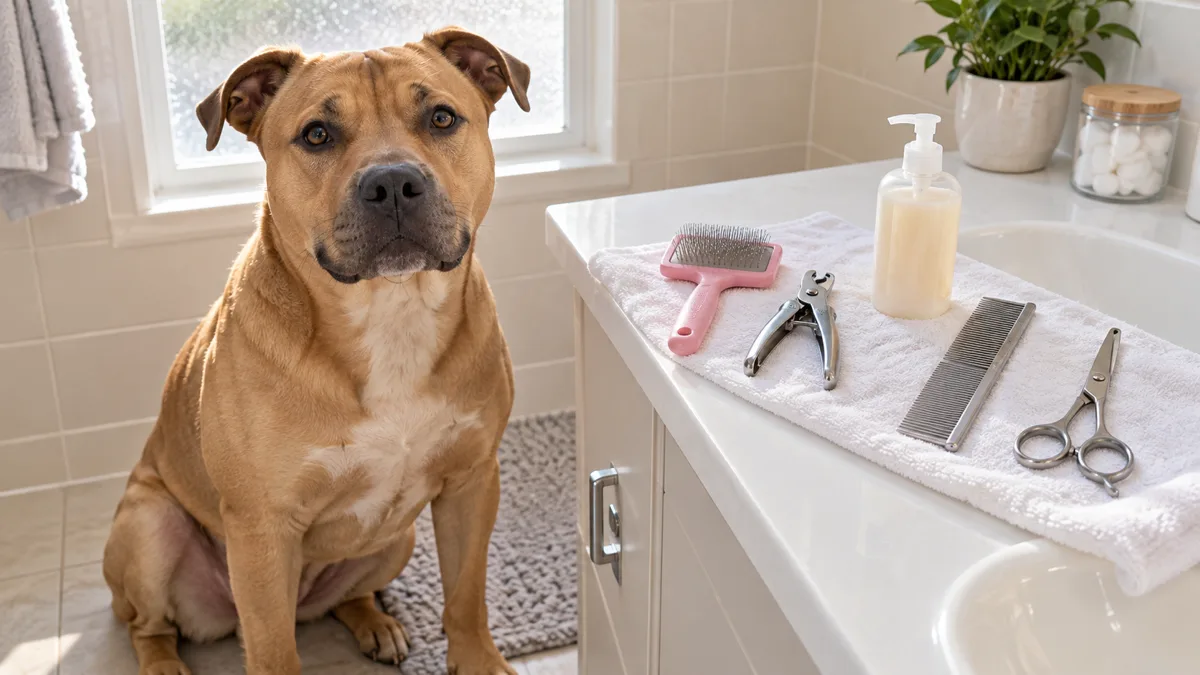
Short, smooth-coated dogs: once or twice per week with a rubber curry mitt or bristle brush — the sessions are quick but they make a noticeable difference on furniture
Curly and wiry coats: two to three times per week with a slicker and comb to prevent mats — these dogs shed less visibly but trapped hairs tangle fast if ignored
The deshedding guide covers the specific tools and technique for heavy coat blows. For everyday maintenance between those peaks, a simple slicker brush session of five to ten minutes catches loose telogen hairs before they hit the floor.
One thing to watch: over-brushing during non-shedding periods can irritate the skin, especially with metal-toothed tools. If the brush is pulling out very little hair, you are brushing more than the coat needs. Scale back and let the coat tell you when it is ready.
8. Home Cleanup Strategies for Heavy-Shedding Households
If your dog sheds heavily, you are not going to eliminate fur from your home. The goal is containment and efficiency — reducing the time you spend cleaning without fighting a battle you cannot win.
The single most effective tool is a robot vacuum running daily. It will not deep-clean, but it picks up the loose surface fur that accumulates between full vacuuming sessions. During peak shedding, running it twice a day keeps tumbleweeds from building up in corners and under furniture.
Beyond vacuuming, a few targeted strategies make the biggest difference:
Washable covers on furniture and dog beds. Remove and launder weekly during peak shed, biweekly during quieter months. Machine-washable slipcovers on couches pay for themselves in time saved.
Damp rubber gloves on upholstery. The friction pulls embedded fur out of fabric weave better than most lint rollers. Drag a damp rubber glove across a couch cushion and watch the fur ball up.
Hard flooring in high-traffic zones. If you have the option, hard floors in hallways and living areas are dramatically easier to keep fur-free than carpet. Area rugs can be shaken out; wall-to-wall carpet traps fur at the base of the pile.
Lint rollers staged at exits. A lint roller by the front door and one in the car handles the fur that has already attached to clothing.
Air purifier with a HEPA filter. Airborne fur and dander settle on every horizontal surface. A HEPA filter in the main living area reduces the dust-and-fur film that coats shelves, electronics, and windowsills.
The dogs who shed fine, short hairs (smooth-coated dogs) are often harder to clean up after than dogs who shed long, fluffy clumps. Short hairs weave into fabric and are nearly impossible to pull out with a standard lint roller. For these dogs, a damp microfiber cloth or a specialized pet hair removal brush with a rubber edge works better than rollers.
9. When Shedding Signals a Health Problem
Normal dog shedding is diffuse — hair comes out evenly across the coat, and the skin underneath looks healthy. When shedding crosses into something that needs veterinary attention, the pattern or the skin changes.
Watch for these warning signs:
Bald patches or thinning spots where the skin is visible through the coat — normal shedding does not leave bald areas
Red, irritated, or flaking skin under the shedding areas — could indicate allergies, fungal infection, or parasites
Sudden dramatic increase in shedding outside of seasonal windows and without an obvious stressor
Excessive scratching or licking paired with increased shedding — often points to allergies (environmental or food)
Changes in hair texture — brittle, dull, or coarse hair that breaks instead of shedding cleanly
Symmetrical hair loss (mirrored on both sides of the body) — a classic sign of hormonal imbalance such as hypothyroidism or Cushing's disease
Hypothyroidism is one of the most common medical causes of excessive shedding in dogs. It slows the hair growth cycle, causes telogen hairs to fall without adequate replacement, and leaves the coat thin and dull. A simple blood panel can confirm or rule it out, and treatment with daily thyroid medication typically restores the coat within a few months.
Allergies — particularly food allergies and environmental allergies — cause inflammation at the skin level that disrupts normal hair cycling. The shedding itself is a secondary symptom; the primary issue is the itch-scratch-inflammation cycle that damages follicles. Addressing the allergy (elimination diet, allergy testing, or medication) resolves the excessive shedding as a downstream effect.
If your dog's shedding pattern changes suddenly or you notice any of the warning signs above, a vet visit is the right call. Most of these issues are straightforward to diagnose and treat, and catching them early prevents months of unnecessary coat damage.
10. Setting Realistic Expectations: Shedding Never Fully Stops
The most useful thing you can do about dog shedding is accept that it is permanent. No supplement, no grooming tool, and no dietary change will eliminate it. Your dog will shed for the rest of its life because that is how a healthy coat works.
What you can control is how much of that shedding ends up on your furniture, your clothes, and your sanity. A consistent brushing routine, a good diet, and a few smart cleanup habits reduce the visible impact dramatically — but they shift where the fur goes, not how much fur there is.
Setting expectations also means preparing for the surprises. A first-time owner who researches "low-shedding" dogs and adopts a curly-coated dog may be shocked to discover that "low shedding" still means some shedding, plus hours of brushing and professional grooming to prevent mats. The trade-off is real — less fur on the couch, more time with a brush in your hand.
Here is the honest framework for living with a shedding dog:
You will vacuum more than you think. Once or twice a week is the realistic minimum for a moderate shedder. Daily during seasonal blows.
Black clothing is a choice you will make consciously. Or you will own more lint rollers than you ever imagined.
Your car will have fur in it. A seat cover and a handheld vacuum in the trunk are worth the investment.
Guests will notice. And most of them will not care, especially if you have a lint roller available.
It gets easier. The first year of living with a shedding dog feels overwhelming. By year two, the cleanup is autopilot and the fur is background noise.
Shedding is the cost of the companionship. Once you stop trying to eliminate it and start managing it, the whole experience gets a lot less stressful — for you and for your dog.
Save This
10 dog shedding essentials
1Hair Growth CycleFour phases — growth, transition, rest, release — determine when and how much fur falls.
2Seasonal Coat BlowsTwo to four weeks of heavy shedding in spring and fall, triggered by changing daylight.
3Double vs Single CoatDouble-coated dogs shed dramatically in waves. Single-coated dogs shed less but steadily.
4Indoor Year-Round PatternClimate-controlled homes flatten seasonal cycles into constant moderate shedding.
5Stress SheddingAdrenaline and cortisol push telogen hairs out fast. Temporary but dramatic.
6Diet and Coat QualityOmega-3s and adequate fat reduce excessive shedding from brittle, dry hair.
7Brushing RoutinesMatch tool and frequency to coat type. Daily during blows, weekly between.
9Health Warning SignsBald patches, red skin, symmetrical loss, or sudden changes mean a vet visit.
10Realistic ExpectationsShedding never stops. Managing it beats fighting it every time.
pawliqa.com
Frequently Asked Questions About Dog Shedding
How often should I brush my dog during heavy shedding?
Daily brushing during a seasonal coat blow catches the most loose fur before it scatters. Use an undercoat rake for double-coated dogs and a slicker brush for medium coats. Between seasonal peaks, two to three sessions per week is enough for most dogs.
Does shaving a dog reduce shedding?
Shaving removes the visible hair but does not change the shedding cycle. The hair grows back and sheds at the same rate. For double-coated dogs, shaving can actually damage the coat — the undercoat often grows back faster than guard hairs, changing the texture permanently and reducing the coat's ability to insulate and protect the skin.
Why does my dog shed more after a bath?
Bathing loosens telogen-phase hairs that were sitting in the follicle. The water, shampoo, and scrubbing all accelerate the release of hairs that were about to fall out anyway.
This is a normal post-bath dump, not a sign that bathing causes shedding. The bath-and-blow method is one of the most effective ways to remove loose undercoat during heavy shedding.
Can food allergies cause excessive shedding?
Yes. Food allergies trigger an inflammatory response that disrupts the hair growth cycle and damages follicles. The most common food allergens in dogs are beef, dairy, chicken, wheat, and soy. If your dog sheds excessively alongside itching, ear infections, or digestive issues, an elimination diet supervised by your vet can help identify the trigger.
Is there a dog that does not shed at all?
No. Every dog sheds to some degree because all hair has a finite life cycle. Dogs with curly or wiry coats (like poodle-type or terrier-type coats) shed less visibly because loose hairs get trapped in the coat instead of falling onto surfaces. These dogs need regular brushing and professional grooming to prevent painful matting.
Jess Calloway
Dog mom to three very different dogs who shed in three very different ways. I write about the grooming, training, and daily-life decisions that keep all of us comfortable — fur and all. More at About Pawliqa.
Fifteen dog paw care tips covering pad checks, nail length, moisturizing, hot pavement tests, winter balm, cracked pad first aid, and seasonal routines.
Fourteen dog nail trimming tips covering tool choice, anxiety cues, quick avoidance, dark nails, grinding versus clipping, frequency, and when to call a groomer.