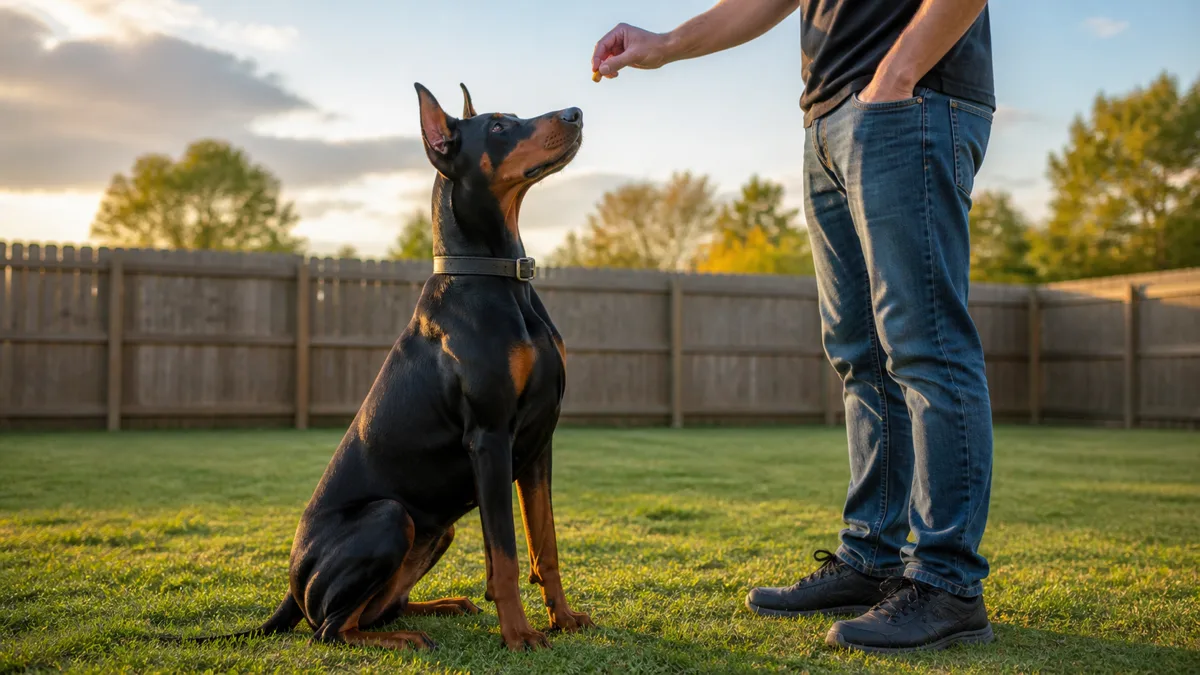
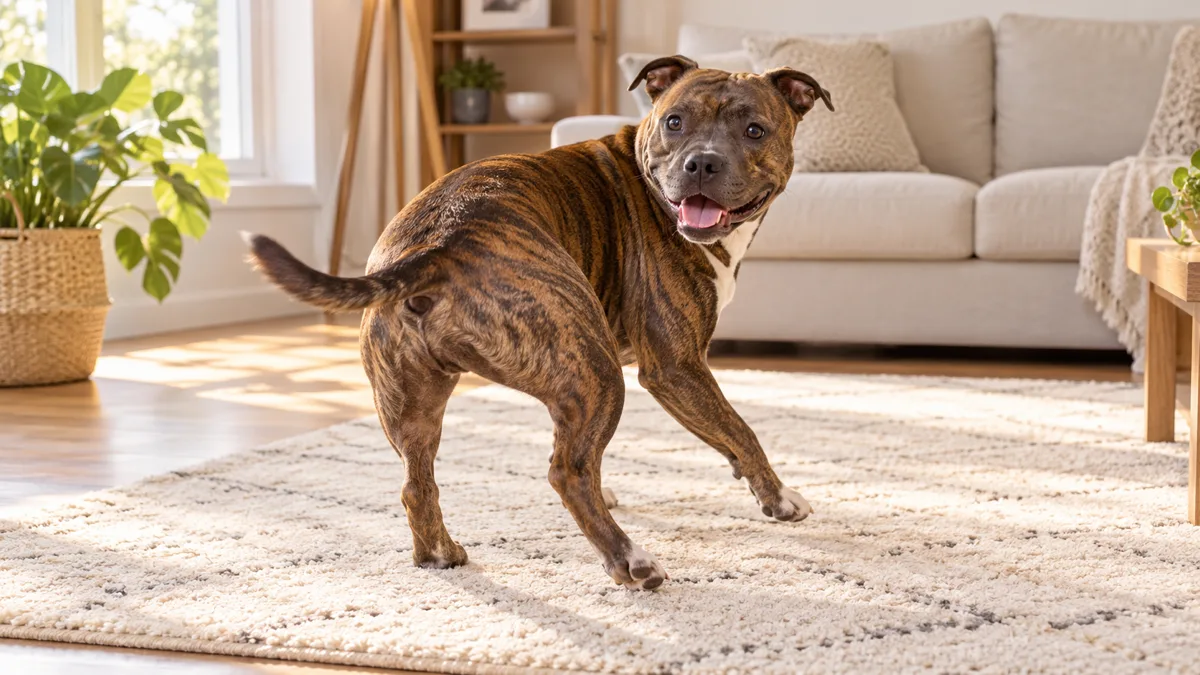
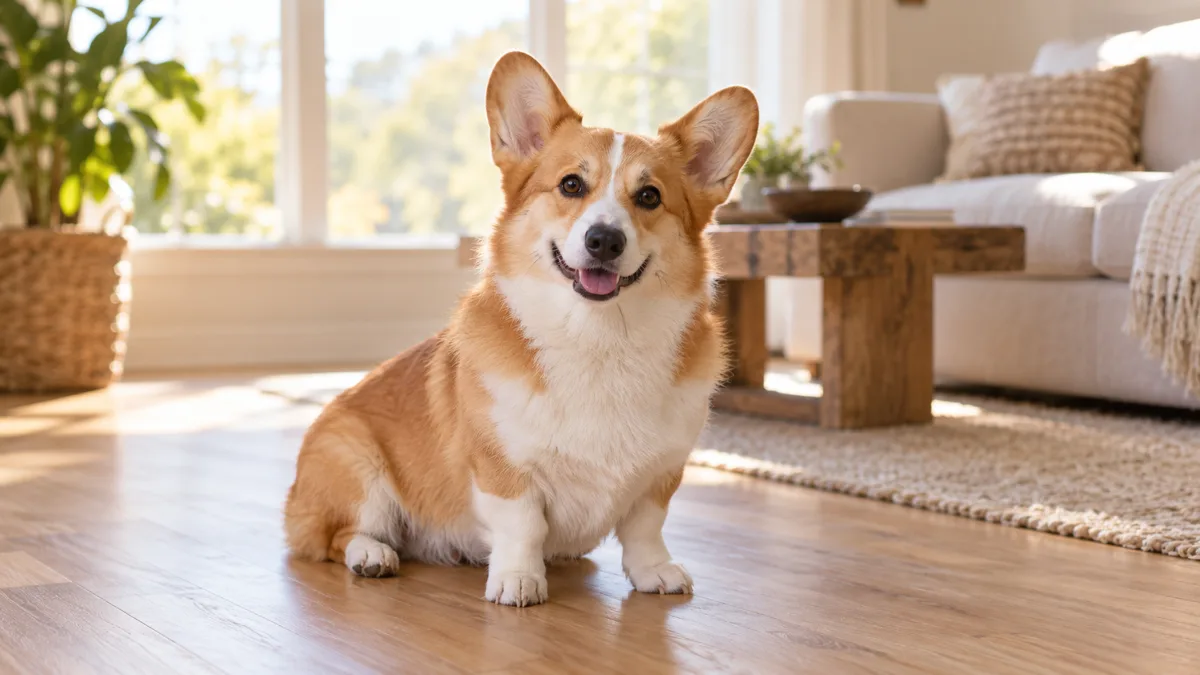
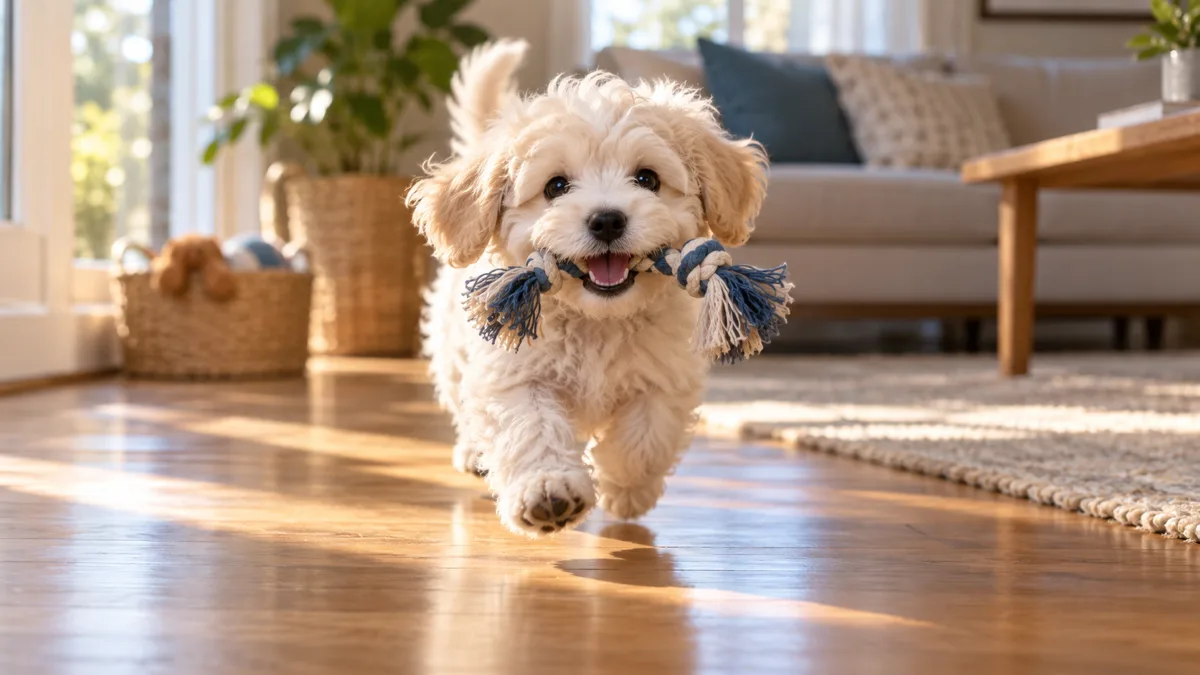
Our middle dog learned sit in one afternoon. She learned stay over the course of three weeks. She learned that come-when-called is optional somewhere around month four, and we spent the next year undoing that lesson.
The problem was never her intelligence. It was mine. I was training in thirty-minute blocks after she had eaten, repeating commands she had already ignored, and ending sessions on failures that made both of us frustrated.
Here are fifteen training tips that changed how quickly every dog in our house learns.
Keep Training Sessions Under Five Minutes
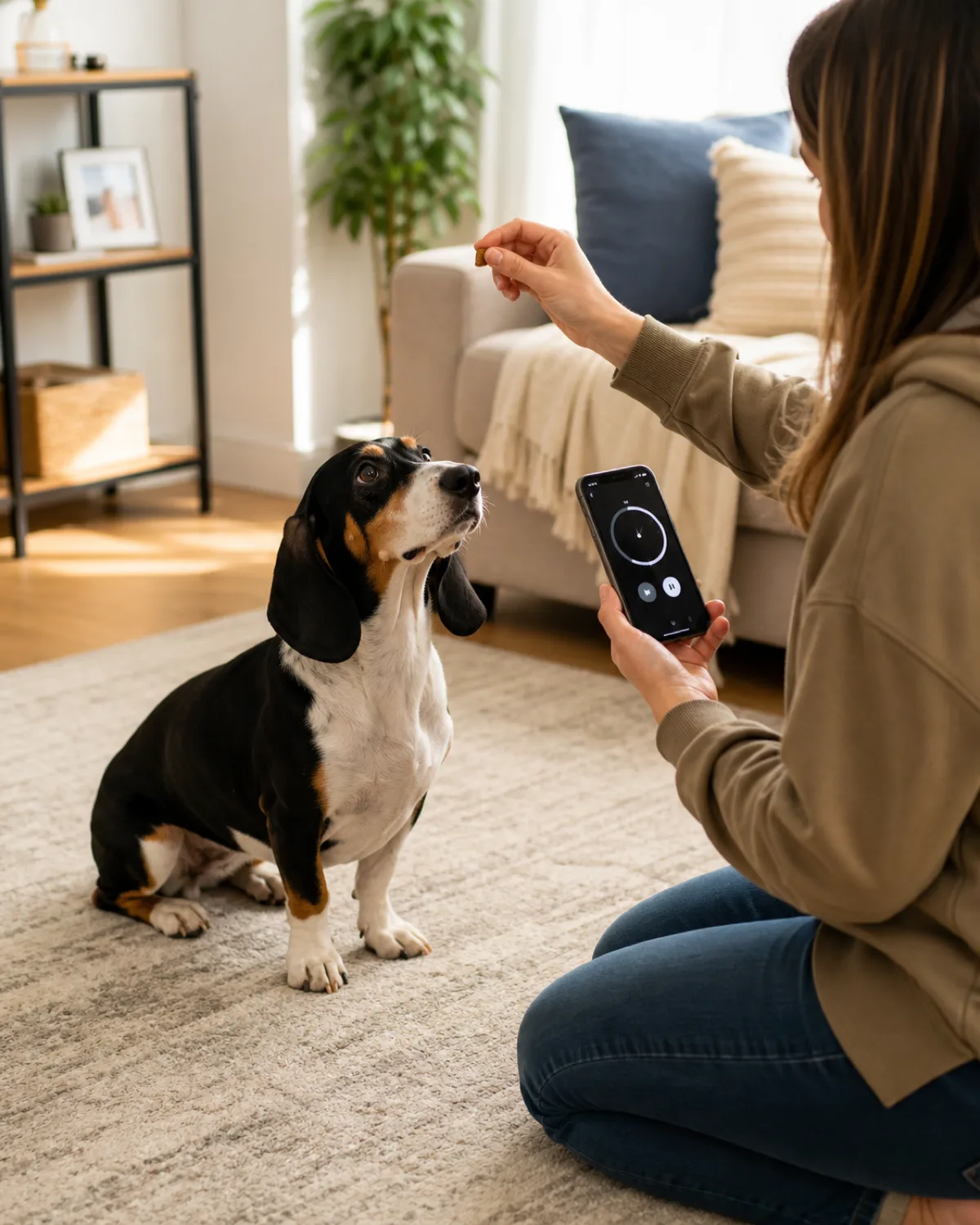
A five-minute session sounds impossibly short until you watch what happens during a thirty-minute one. The dog nails the first three reps, gets slower on the next five, and by minute twelve starts sniffing the ground, scratching, or staring at a squirrel three yards away.
Attention dropped ten minutes ago, and everything since then was wasted repetition at best or accidental reinforcement of sloppy behavior at worst.
Three to five focused minutes, three times a day, builds more reliable skills than a single marathon round. Set a phone timer. When it goes off, scatter a few treats on the ground as a release and walk away. Your dog will start looking forward to sessions instead of dreading them.
Start where you are right now
What kind of trainer are you today?
Train Before Meals, Not After
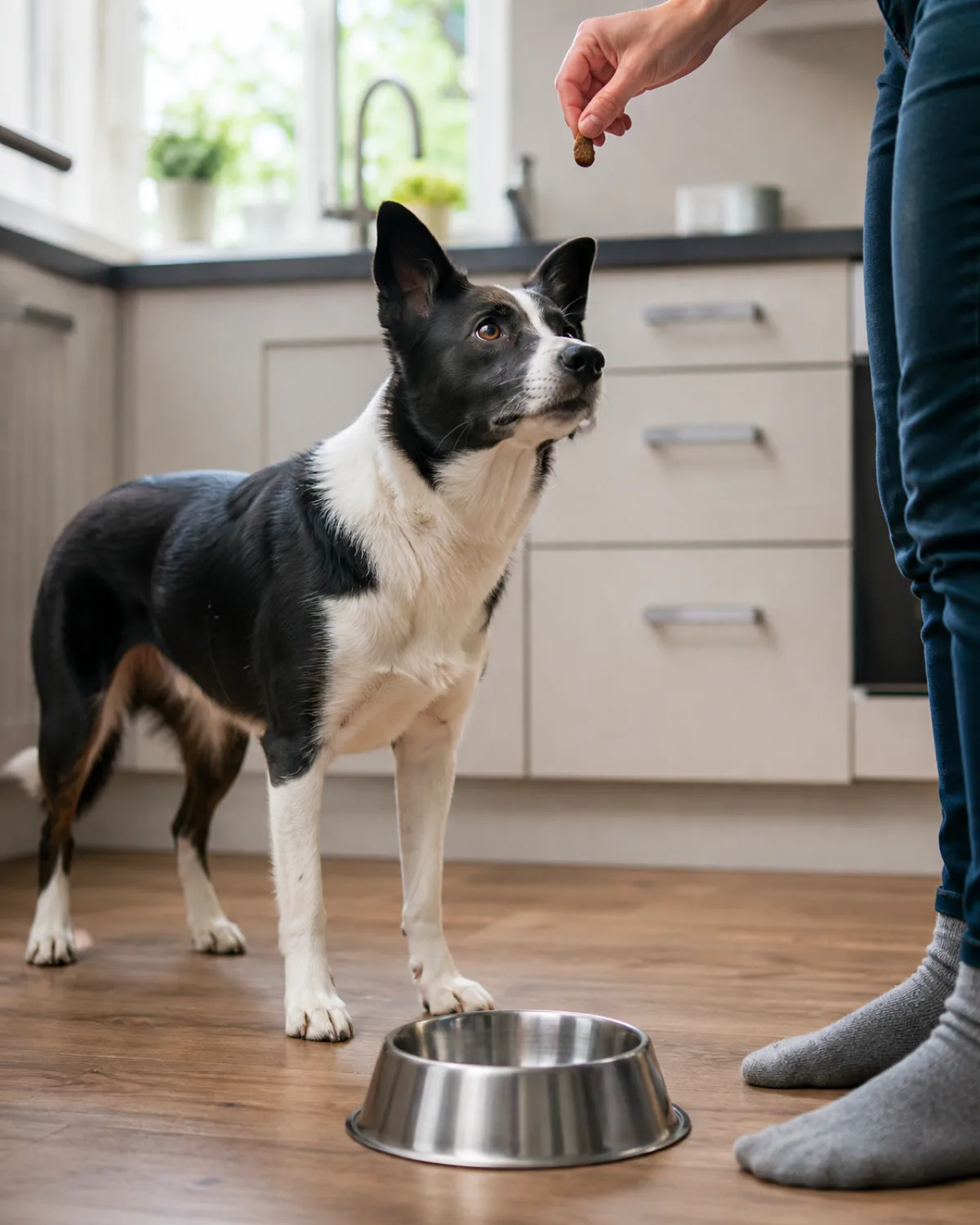
Food is the engine of positive reinforcement, and that engine runs on hunger. A dog that just ate a full bowl of kibble looks at your training treat the way you look at dessert after a holiday dinner. Interested in theory, committed to nothing.
Schedule your mini sessions ten to fifteen minutes before a regular meal. The dog is alert, motivated, and willing to work for every crumb. Some trainers take it further and use part of the daily kibble ration as training rewards, so the dog literally earns its breakfast through repetition. Meal motivation is the simplest hack that most new owners miss entirely.
Use One Short Word Per Command and Never Change It
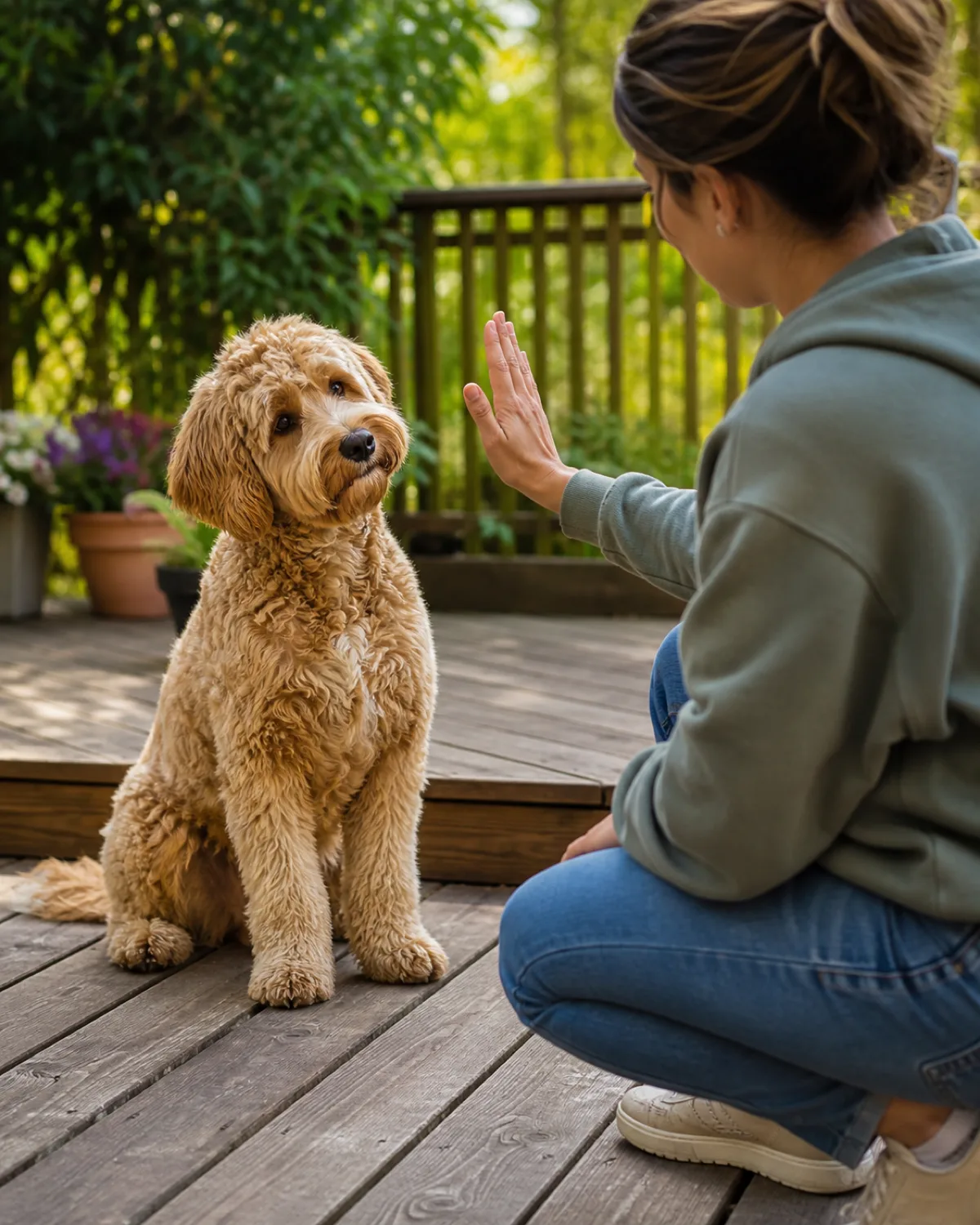
Sit means sit. Not sit down, not sit sit sit, not have a seat. Pick one crisp syllable per behavior and carve it in stone. Write the list on a sticky note and post it on the fridge so every person in the household uses the same word and the same hand signal.
Dogs do not understand sentences. They recognize sound patterns paired with outcomes. If three family members use three different phrases for the same action, the dog hears three different commands and responds to none of them reliably. Consistency across every human in the house is worth more than any trick tutorial online.
Deliver the Reward Within One Second of the Correct Behavior
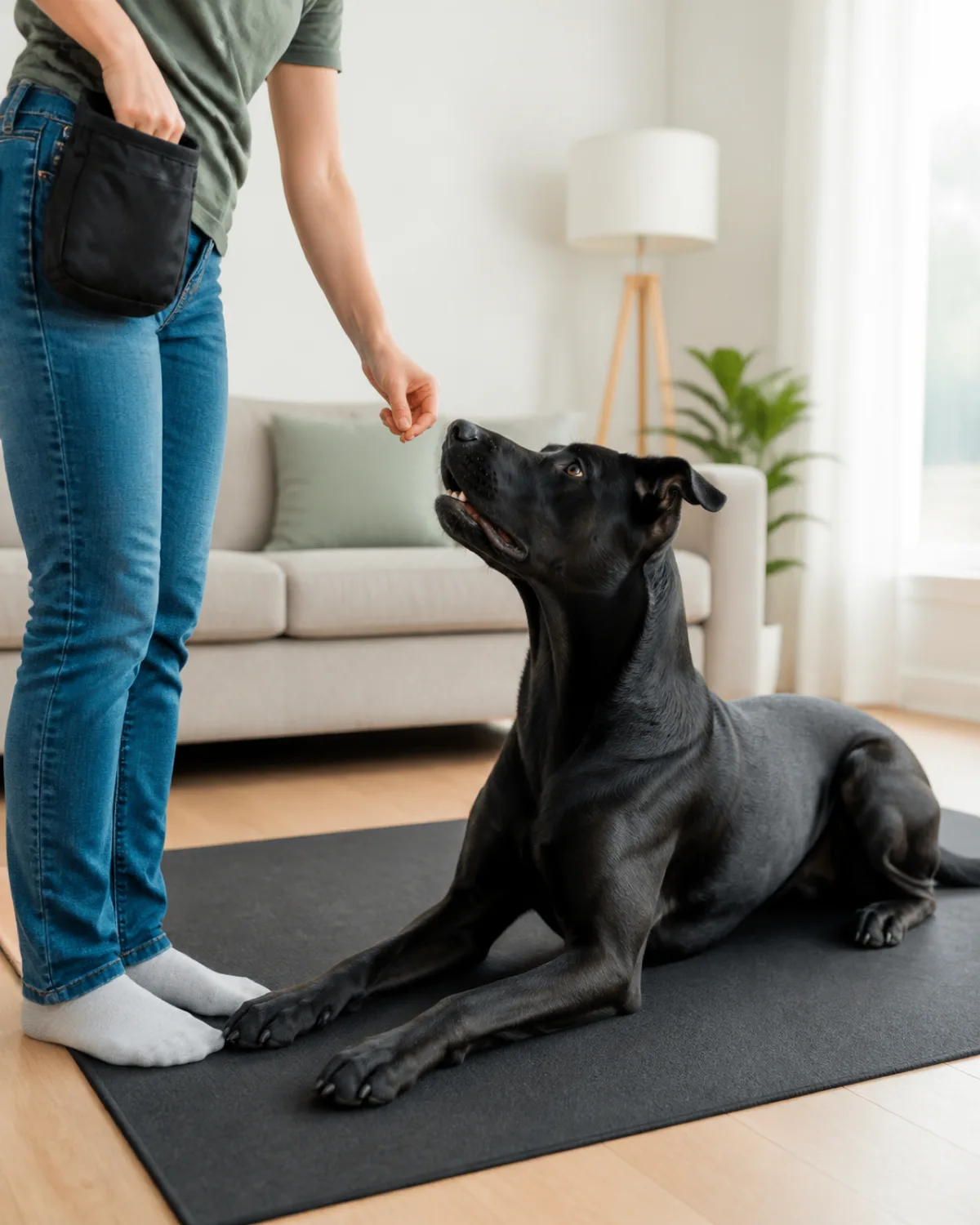
The gap between a correct action and its payoff determines whether the dog learns the lesson or a random coincidence. Research on animal cognition puts the effective window at roughly one second. After that, the dog's brain has already moved on to whatever it did next, and the treat reinforces that later behavior instead.
This means preparation matters as much as reaction. Have the treat in your hand or in an open pouch at hip level before you give the cue. Fumbling through a ziplock bag in your pocket adds five seconds of delay, and five seconds is an eternity in dog-brain time.
If you consistently deliver within the window, the dog starts connecting its own choices to outcomes and begins offering behaviors deliberately rather than stumbling into rewards by accident.
Reward the Behavior You Want, Ignore the Behavior You Do Not
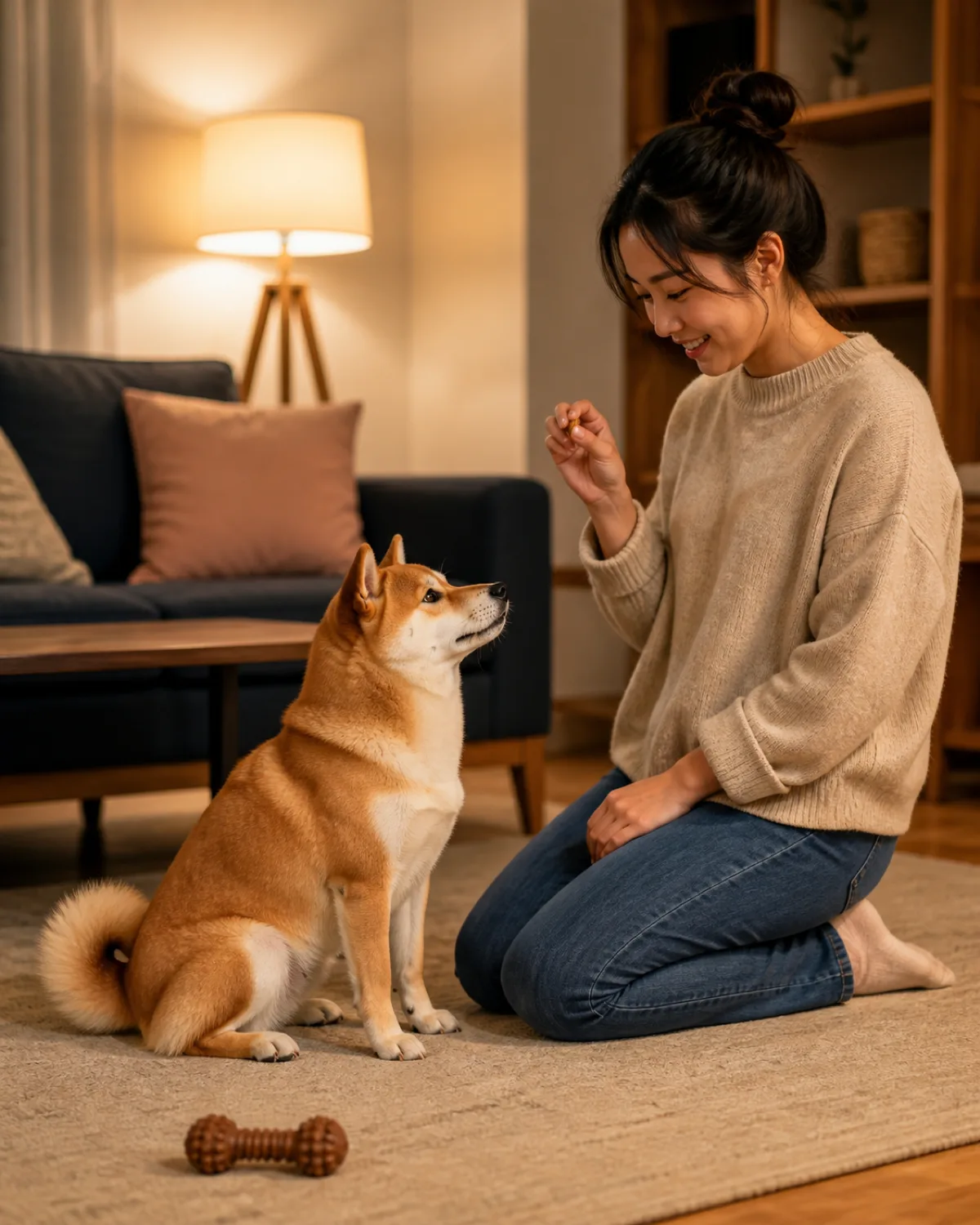
Attention is currency. When your dog jumps on a guest and you shout no, push the dog down, and make eye contact, you just paid the dog three forms of attention for jumping. The dog does not parse your frustration. It registers that jumping triggered a response.
Instead, turn away, cross your arms, and stare at the ceiling. The moment all four paws hit the floor, reward. It takes a few repetitions, but the dog figures out the math: jumping gets nothing, standing calmly gets cheese. Every behavior that produces zero outcome eventually stops. Every behavior that produces a reward gets repeated.
End Every Session on a Success
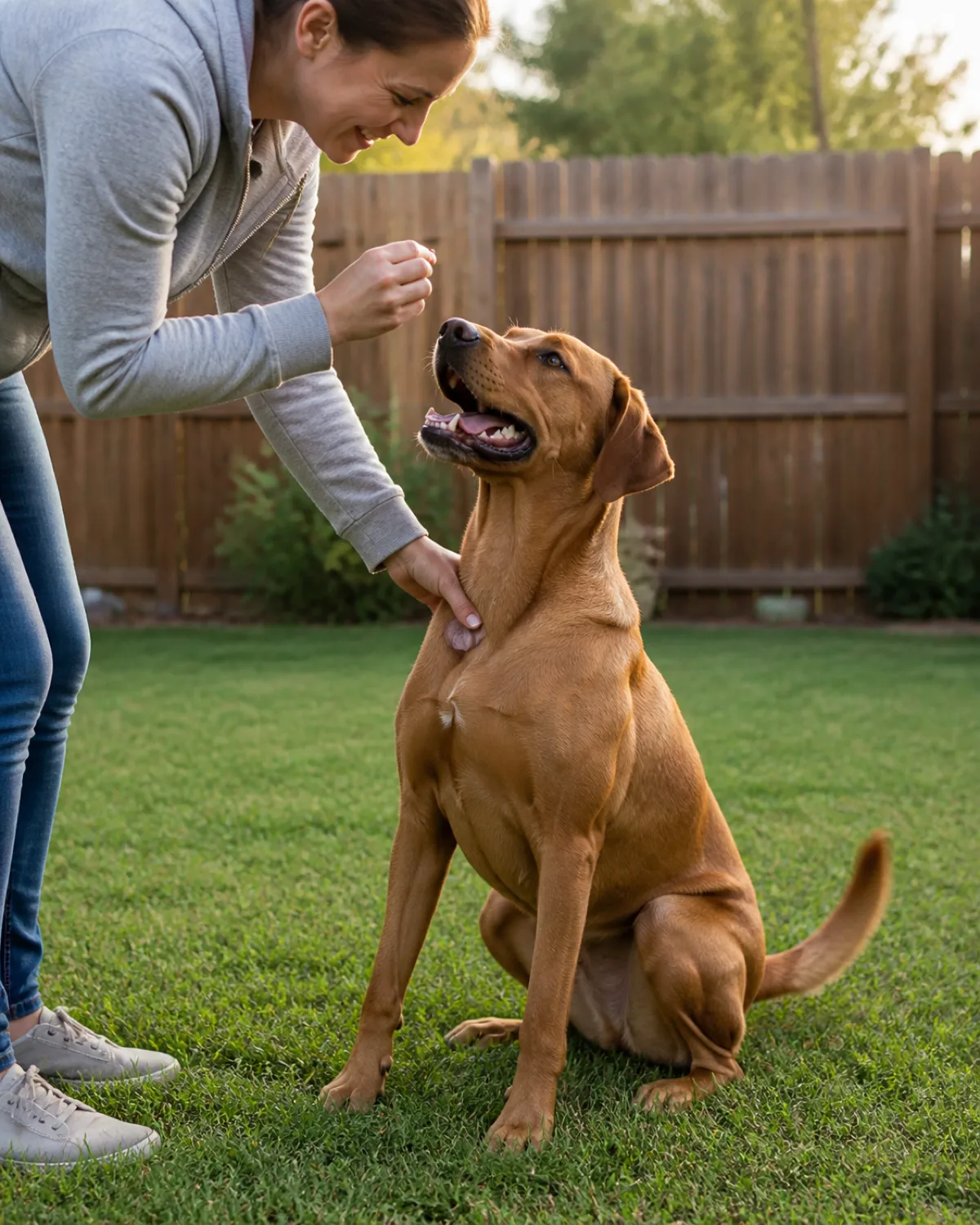
Never quit after a failed repetition. If the dog cannot land the new skill you are working on, drop back to something it already knows — a solid sit, a reliable down, a quick hand touch — and reward that. The last memory of the session is the taste of success.
Walk away while the dog is still engaged and happy, not after it has mentally checked out. This is not a feel-good philosophy. It is behavioral science: the final trial disproportionately colors the dog's emotional association with the entire session. A sour ending makes tomorrow's training harder before it even starts.
The foundation that makes every tip work
4 non-negotiable training rules
Short and frequentThree five-minute sessions beat one thirty-minute block. Attention drops after five minutes. Stop before it does.
One cue, one meaningEvery command is one word, used by every person in the house, with the same hand signal. No synonyms, no sentences.
Reward, never punishCorrect behavior gets treats and praise. Wrong behavior gets silence. Punishment teaches fear, not skills.
End on a winThe last rep of every session must be successful. Drop back to an easy command if the new one is not clicking.
Train in Boring Places First, Then Add Distractions Gradually
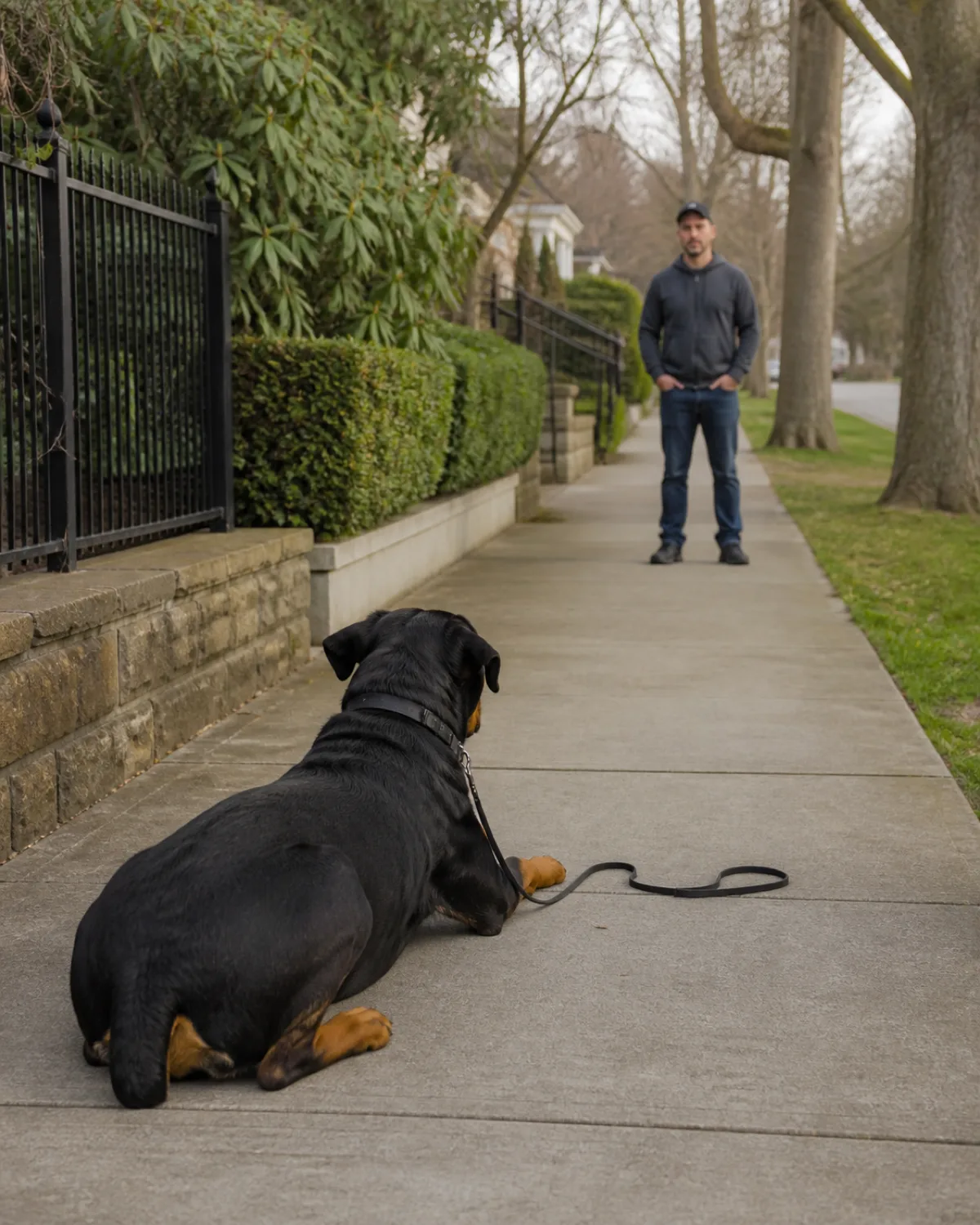
A dog that nails a perfect sit in your quiet living room will act as if it has never heard the word when you try it at a busy park. That is normal. Every new environment resets the difficulty dial to zero.
Start in the most boring room in your house with the door closed and no other people or pets around. Once the dog hits eighty percent accuracy across five sessions, move to the backyard. Then the front yard. Then the quiet end of the street. Then the park at low-traffic hours.
Each jump adds stimulation, and each jump requires you to lower your criteria. Ask for a two-second sit at the park even if the dog holds a thirty-second stay at home.
Stop Repeating a Command Your Dog Already Heard
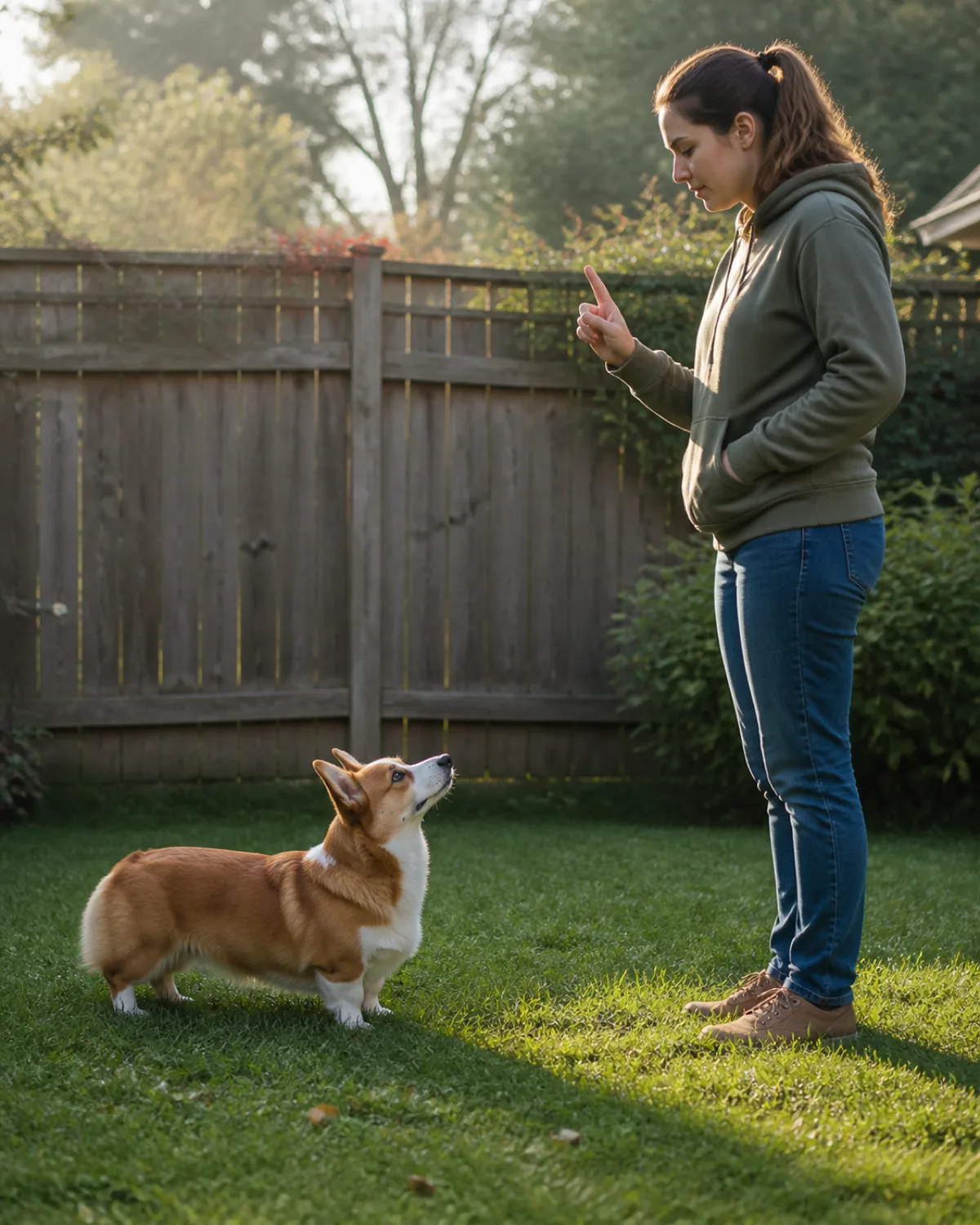
Say it once. Wait three seconds. If nothing happens, the dog either did not learn the skill, the environment is too distracting, or the reward is not motivating enough. Repeating the cue trains the dog to wait for the third or fourth repetition before complying, because it has learned that the first one does not count.
Instead of saying sit sit sit, go back to a simpler environment, increase the value of the reward, or shorten the distance between you and the dog. Diagnose the failure instead of shouting louder. One clear cue, one patient pause, one honest assessment of what went wrong.
Exercise Your Dog Before a Training Session, Not During
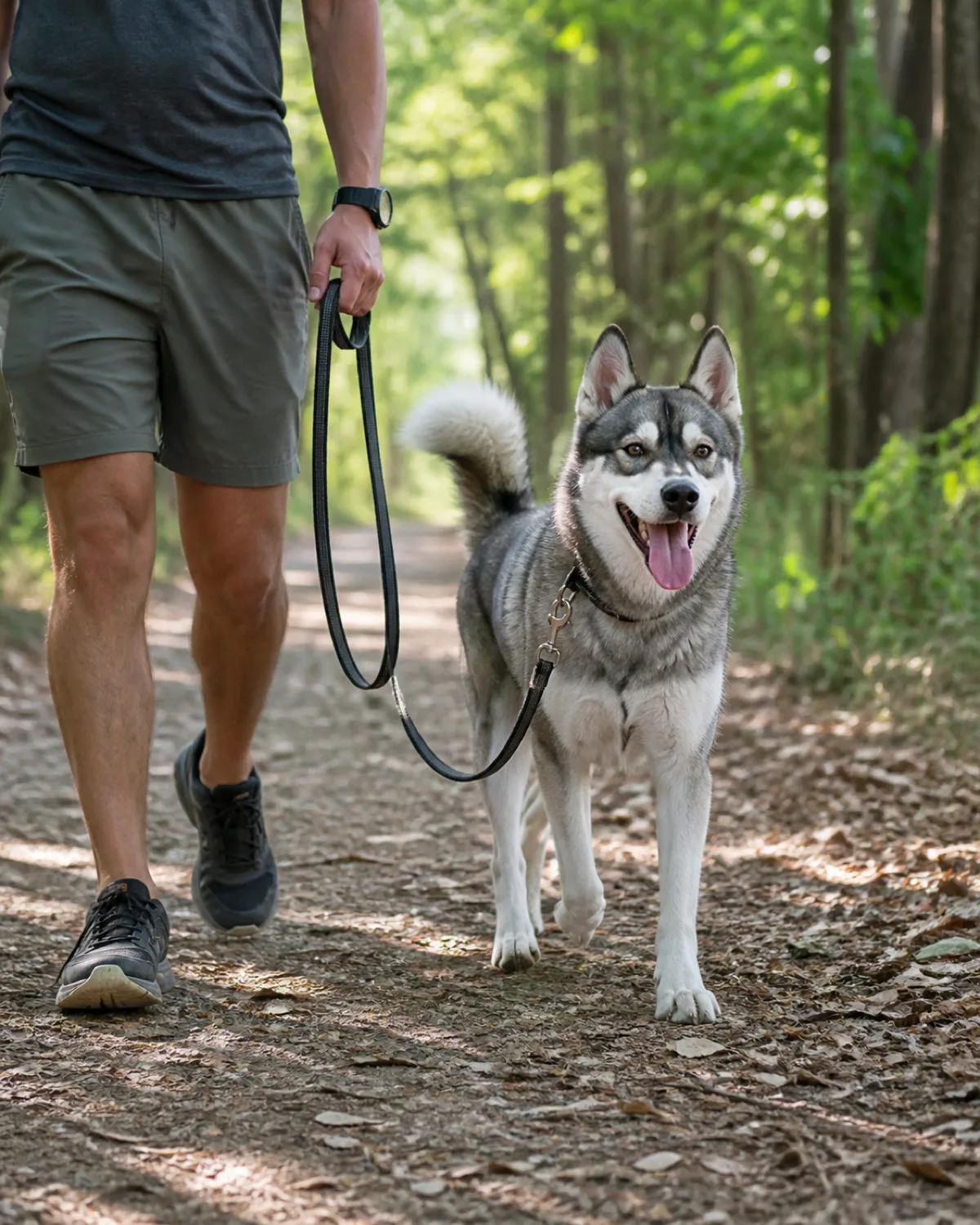
A dog brimming with unspent energy cannot concentrate. Its body is screaming to run, chase, and wrestle, and you are asking it to hold a polite sit for five seconds. Give it fifteen to twenty minutes of moderate movement first: a brisk walk, a sniff-heavy wander around the block, or a short fetch session in the yard.
You want the edge off, not exhaustion. A dog too tired to stand is also too tired to learn. The sweet spot is calm-alert: tongue in, ears forward, body settled but eyes tracking you. That is when the brain is open for business.
Teach One New Skill at a Time
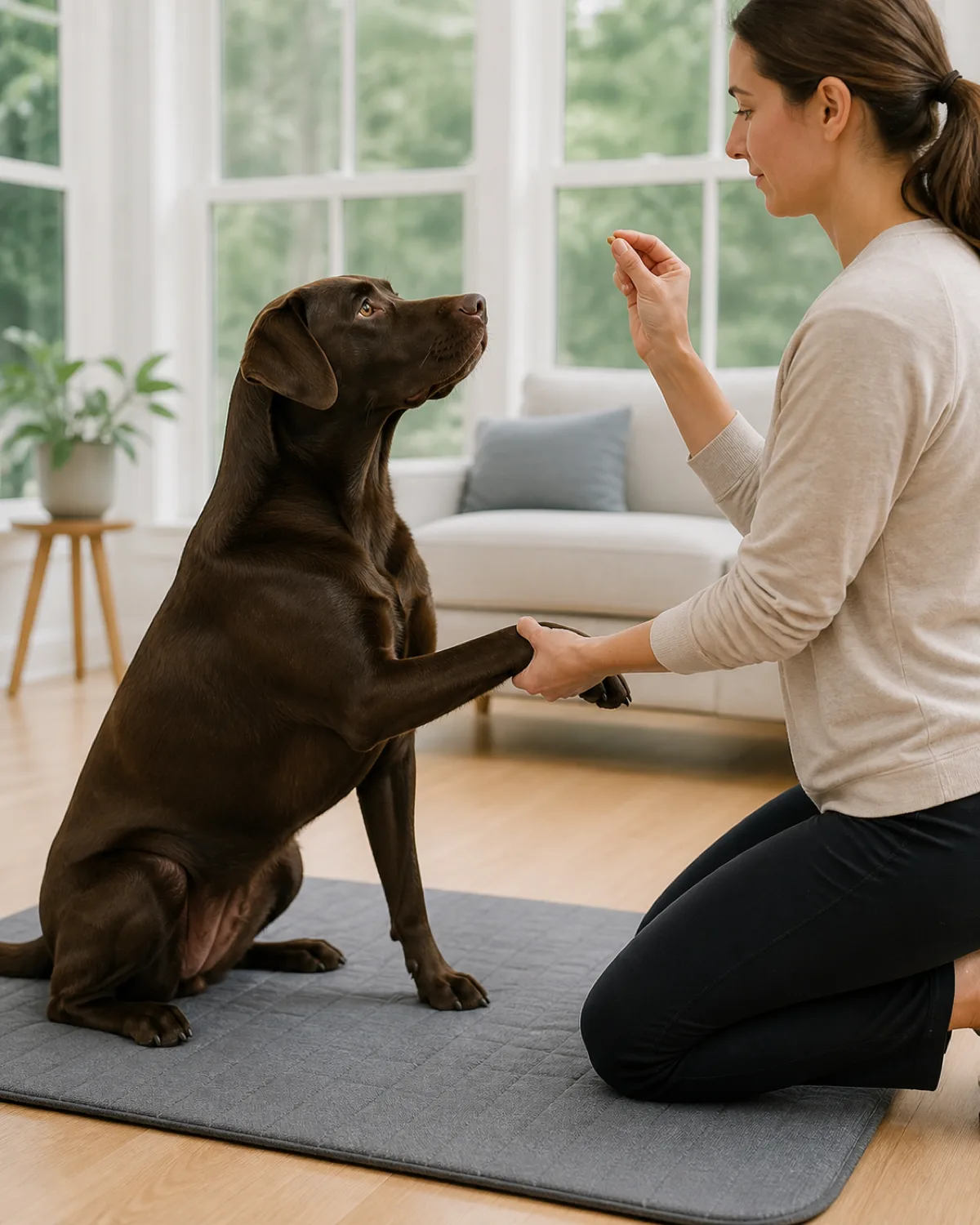
Multitasking does not work for dogs any more than it works for people. If you try to teach sit, down, and shake in the same week, none of them will stick. Pick one skill and repeat it across multiple short sessions until the dog hits eighty percent accuracy without a lure.
Then put that skill on maintenance — one or two reps at the start of each session — and introduce the next one. The stack grows steadily: every new skill joins a warm-up rotation of old skills, which reinforces them while the dog focuses its learning energy on the fresh challenge.
Use Treats Your Dog Actually Goes Crazy For
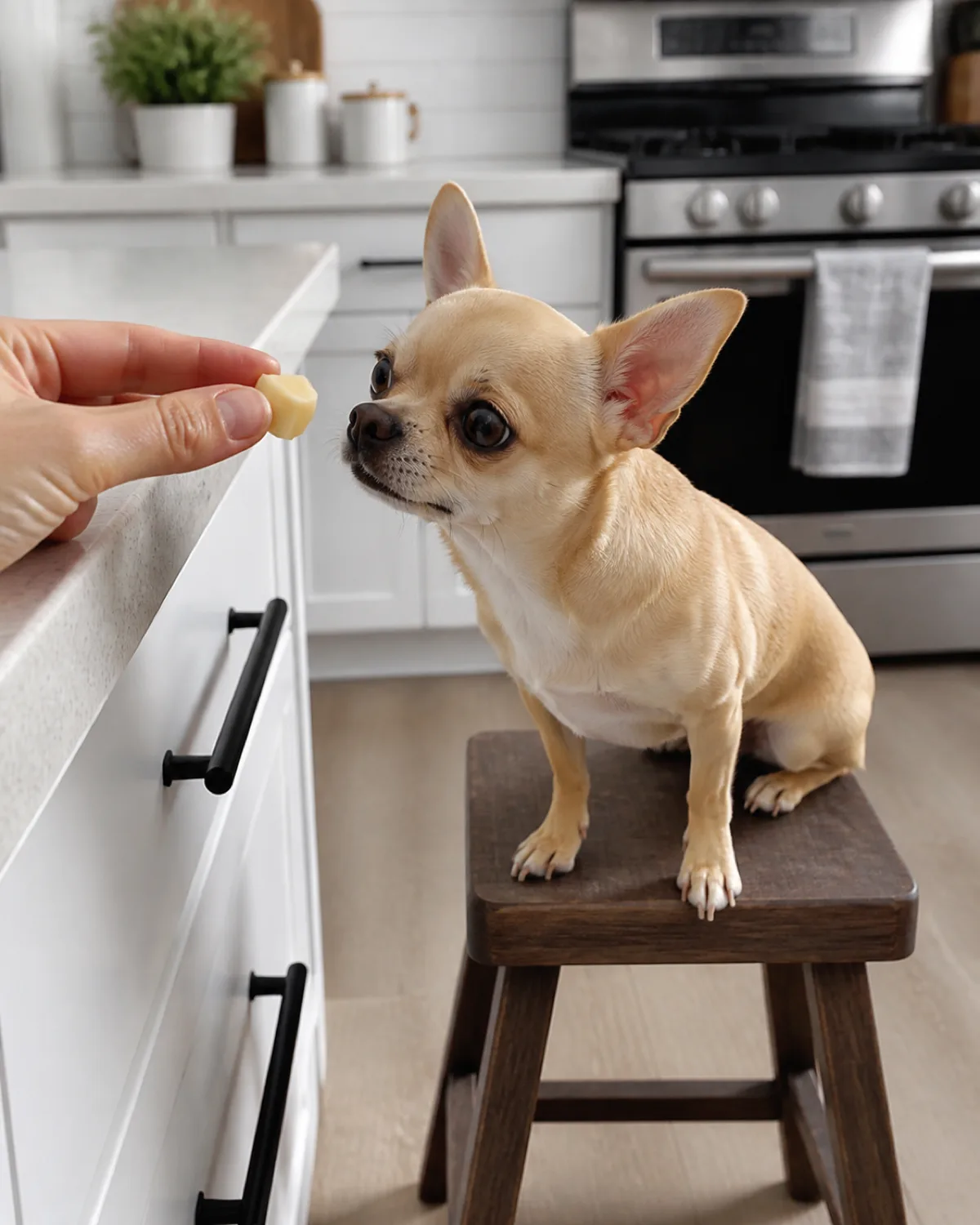
Regular kibble is not a training treat. It is background noise. Training demands high-value currency: freeze-dried liver, small cubes of cheese, tiny bits of boiled chicken, or commercial soft training treats that the dog inhales on contact.
Rank your dog's rewards into three tiers. Tier one is the daily food, fine for easy repetitions the dog already knows. Tier two is a decent commercial treat for moderate challenges. Tier three is the nuclear option — the food that makes your dog's eyes dilate — reserved for brand-new skills and high-distraction environments. Match the payment to the difficulty of the job.
Save this for later
15 Dog Training Tips That Actually Work
- 1Short sessionsThree to five minutes, three times a day.
- 2Train before mealsHungry dogs work harder for every treat.
- 3One word per commandSame word, same signal, every person in the house.
- 4Reward within one secondLate rewards teach the wrong behavior.
- 5Reward or ignoreAttention is currency. Spend it on what you want repeated.
- 6End on successLast rep is always a win, even if you have to go easy.
- 7Boring places firstMaster the living room before attempting the park.
- 8Say it onceRepeating a command teaches the dog to wait for round two.
- 9Exercise firstFifteen minutes of movement clears the mental runway.
- 10One skill at a timeEighty percent accuracy before adding a new command.
- 11High-value treatsFreeze-dried liver beats kibble every time.
- 12Proof in three dimensionsDuration, distance, and distraction, one at a time.
- 13Watch yourselfYour posture sends more signals than your voice.
- 14Break when frustratedYour stress becomes their stress. Walk away.
- 15Keep a logThree lines per session. Review weekly.
Proof Every Command in Three Dimensions
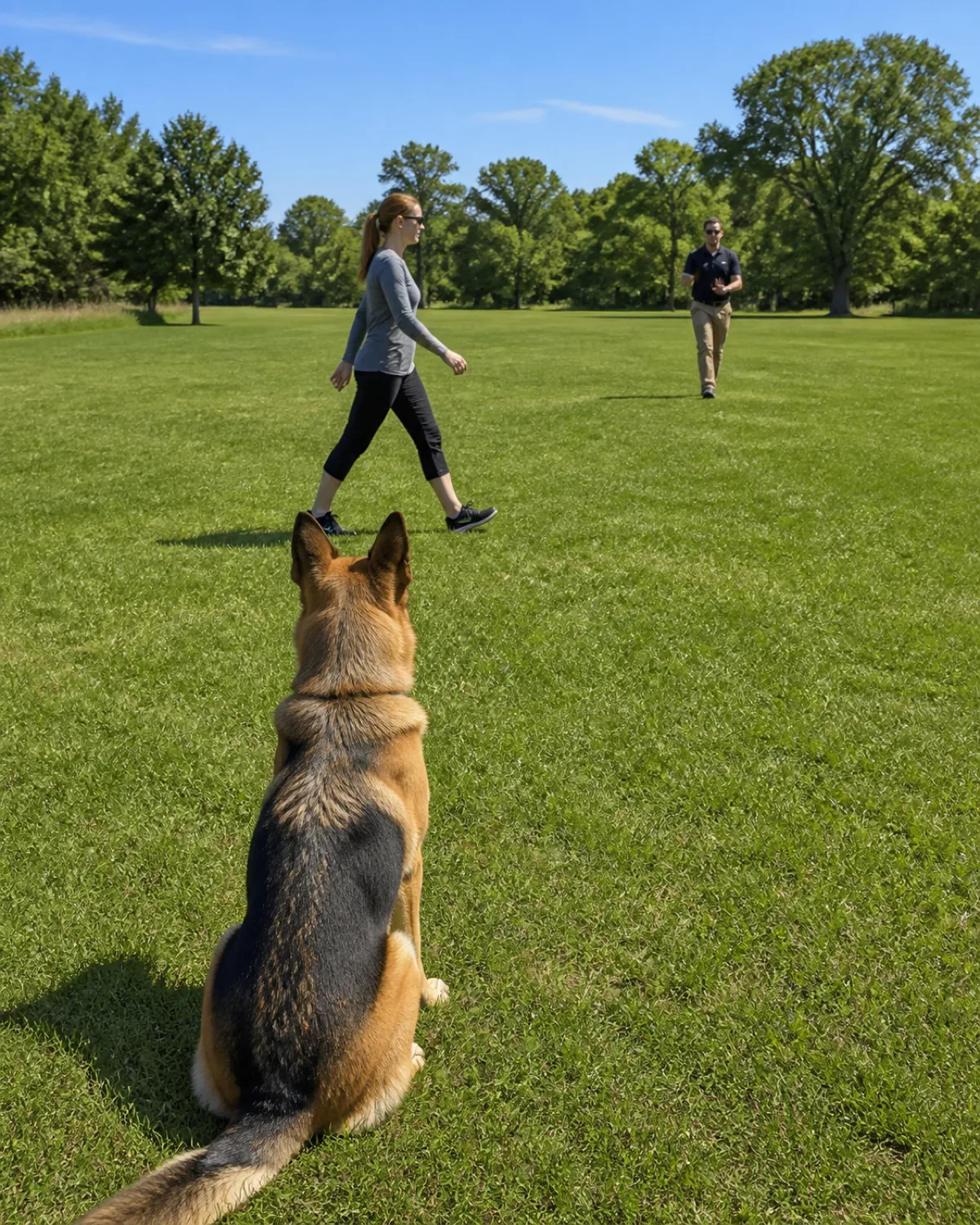
A reliable command works across three variables: duration, distance, and distraction. Duration means the dog holds the position longer, from two seconds to thirty to two minutes. Distance means you move farther away, from one step to ten to across the room. Distraction means the environment gets busier, from an empty room to a room with a person walking through to a park with other dogs.
Increase only one variable at a time. If you are adding distance, keep the duration short and the distractions zero. Stacking all three at once is how a six-week stay command collapses overnight.
Watch Your Own Body Language, Not Just Your Dog's
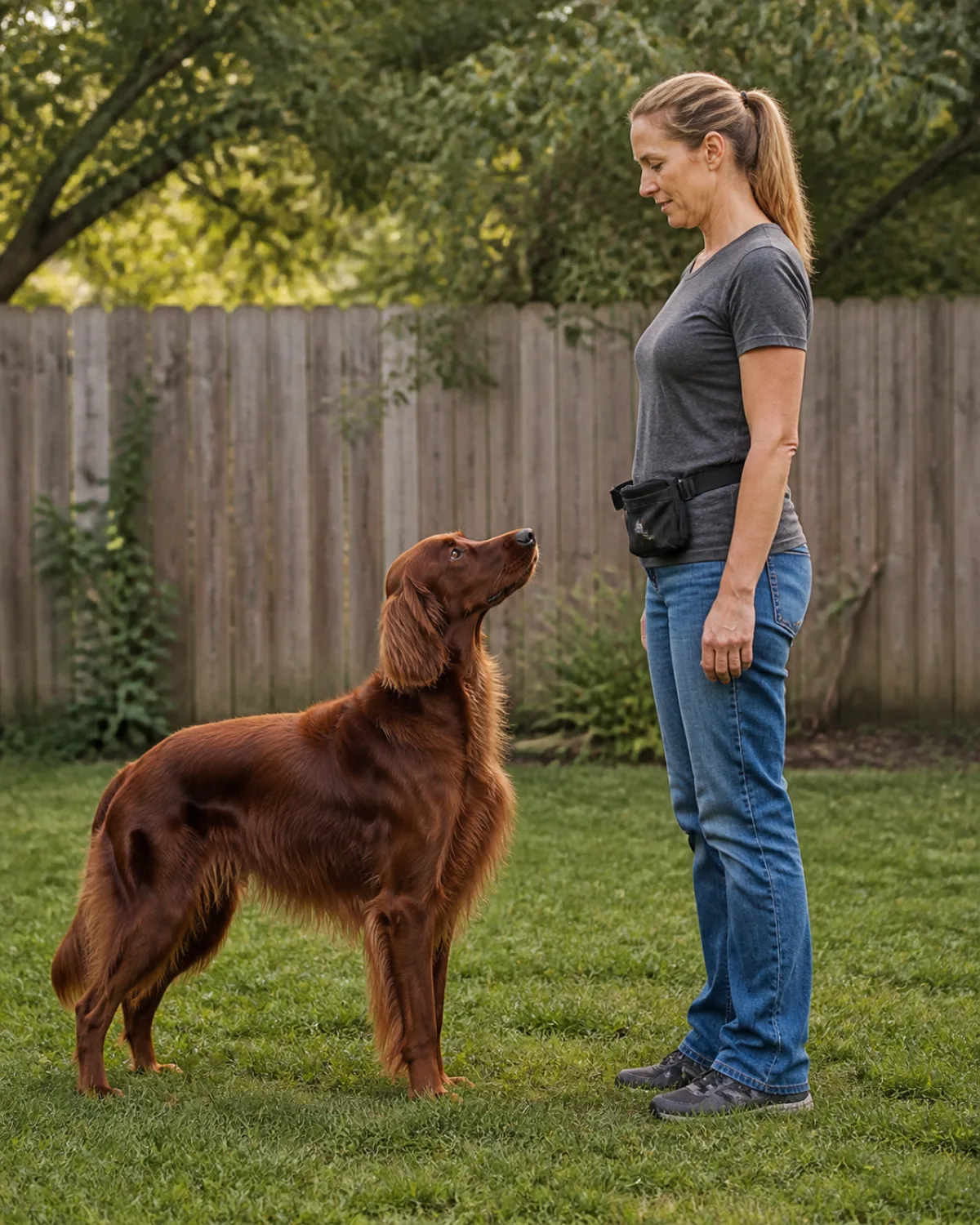
Your dog reads your posture before it registers your voice. When you lean forward, the dog backs up. When you stand tall, the dog feels more pressure. When you crouch, the dog relaxes and approaches. Every hand height, every shoulder angle, every shift of weight sends a message.
Many owners think their dog only responds to the verbal cue, then discover the dog falls apart when they give the same word while standing differently. Film yourself during a session. Watch where your hands go, how your torso tilts, what your face does. You will find a dozen unintentional signals you never knew you were sending.
Take a Break the Moment You Feel Frustrated
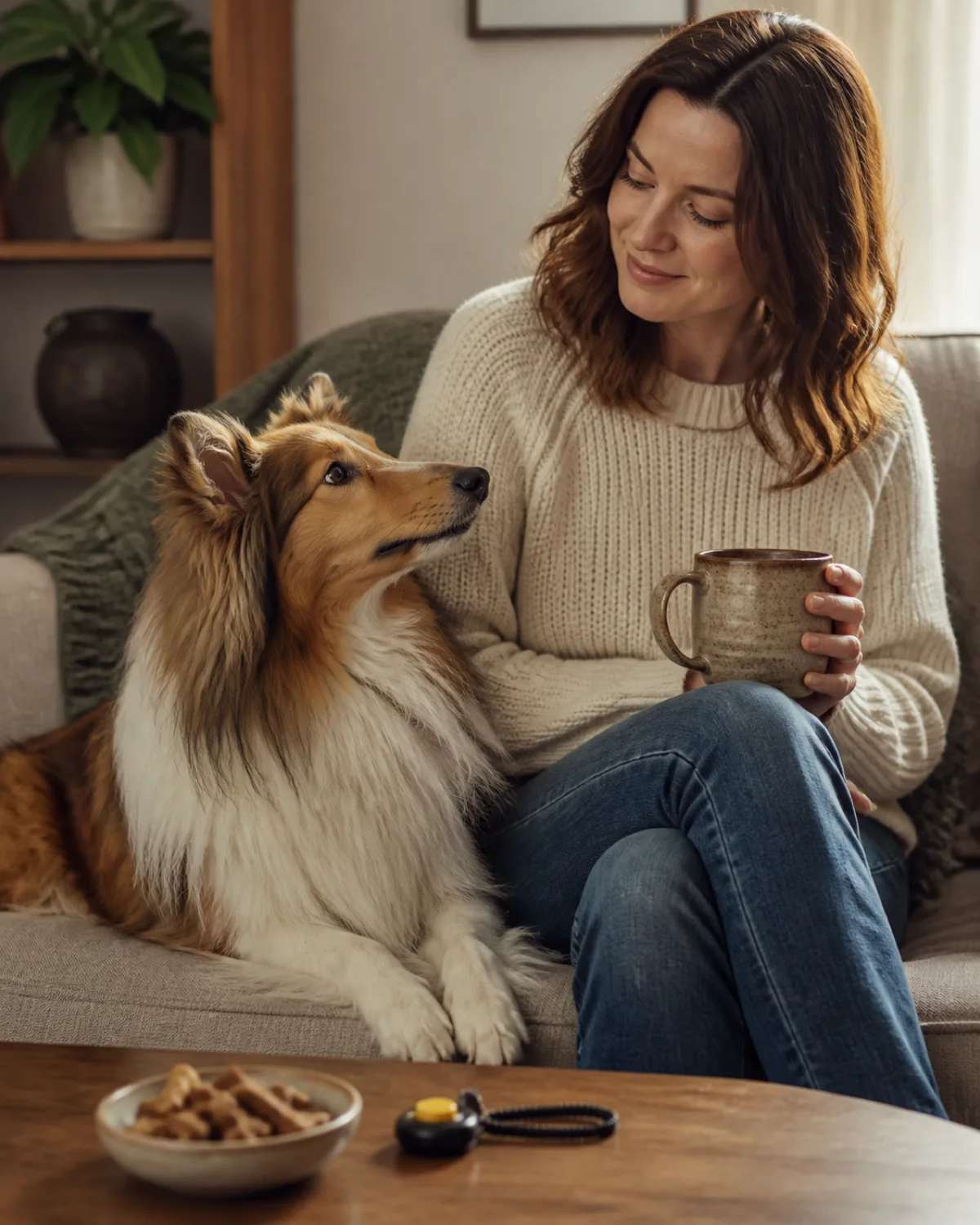
Dogs read human frustration with unsettling accuracy. Your breathing changes, your movements get sharper, your voice drops or rises, and the dog's stress level spikes in response. Learning stops the instant the dog shifts from curious to anxious.
The moment you feel your patience thinning, call the dog for an easy known command, reward it, and end the session. Walk away. Make coffee. Try again in an hour or tomorrow. No single session is worth poisoning your dog's emotional association with training. The best trainers are not the most skilled. They are the ones who know when to stop.
Keep a Simple Training Log to Track Real Progress
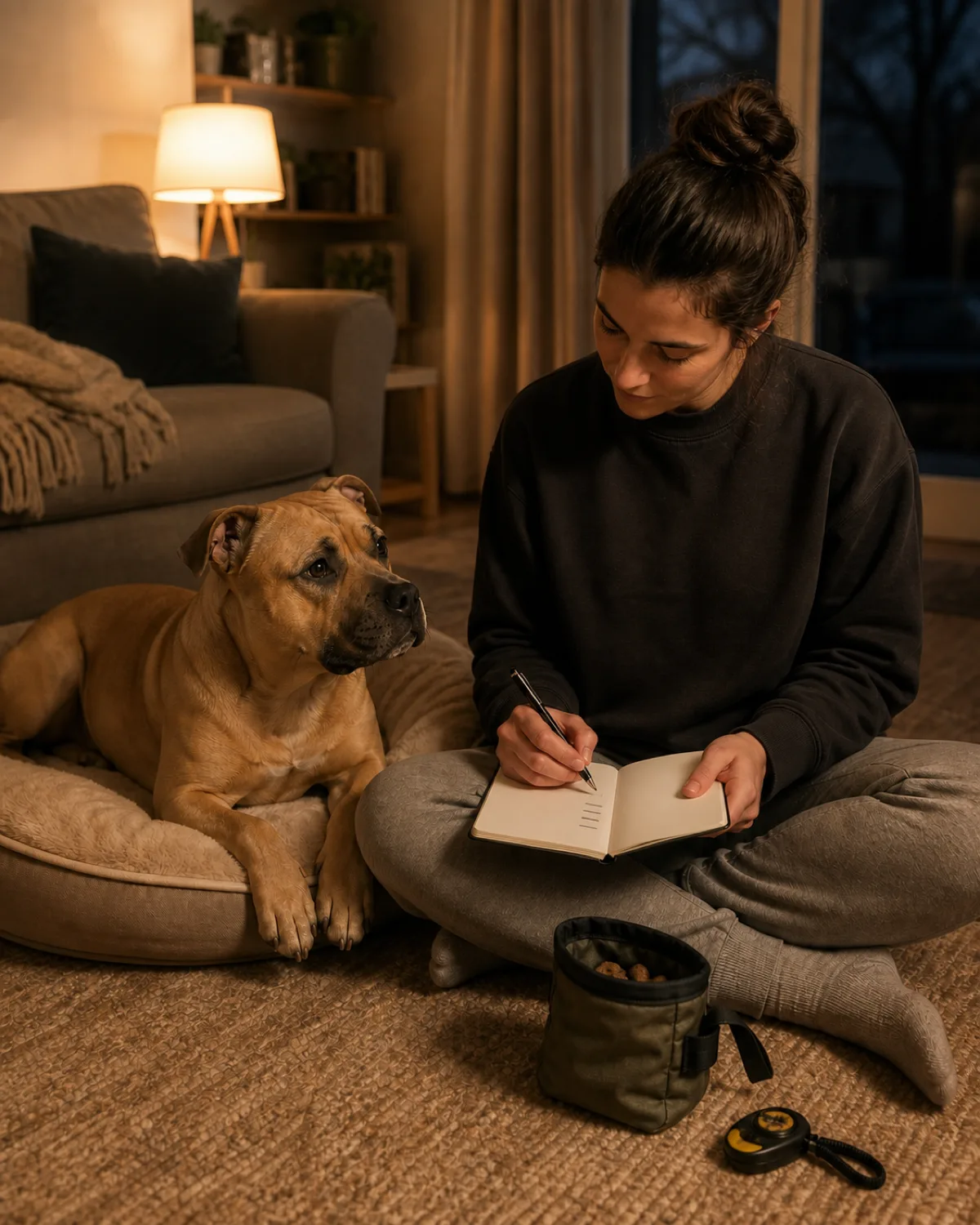
Memory lies. You think your dog was better yesterday, but you cannot remember exactly what happened three sessions ago. A training log fixes that.
After each session, write three things on your phone: what you practiced, roughly how many reps out of ten were successful, and what went wrong if anything did.
At the end of the week, read back through the notes. You will see patterns invisible in the moment: certain times of day produce better focus, certain treats drive faster results, and certain environments reliably cause regression. Three lines per session, thirty seconds of writing, and suddenly you are making decisions based on data instead of feelings.

Written by Jess
Dog mom to three very different dogs who each required a completely different training approach. These fifteen tips are what I wish I had taped to the fridge from day one. Got a question? Reach out or find me on Pinterest.