If you have ever wondered whether your daily walk is enough, you are asking the right question. Most dogs do not need a set number of miles. They need enough movement for their energy level, and that varies a lot from dog to dog.
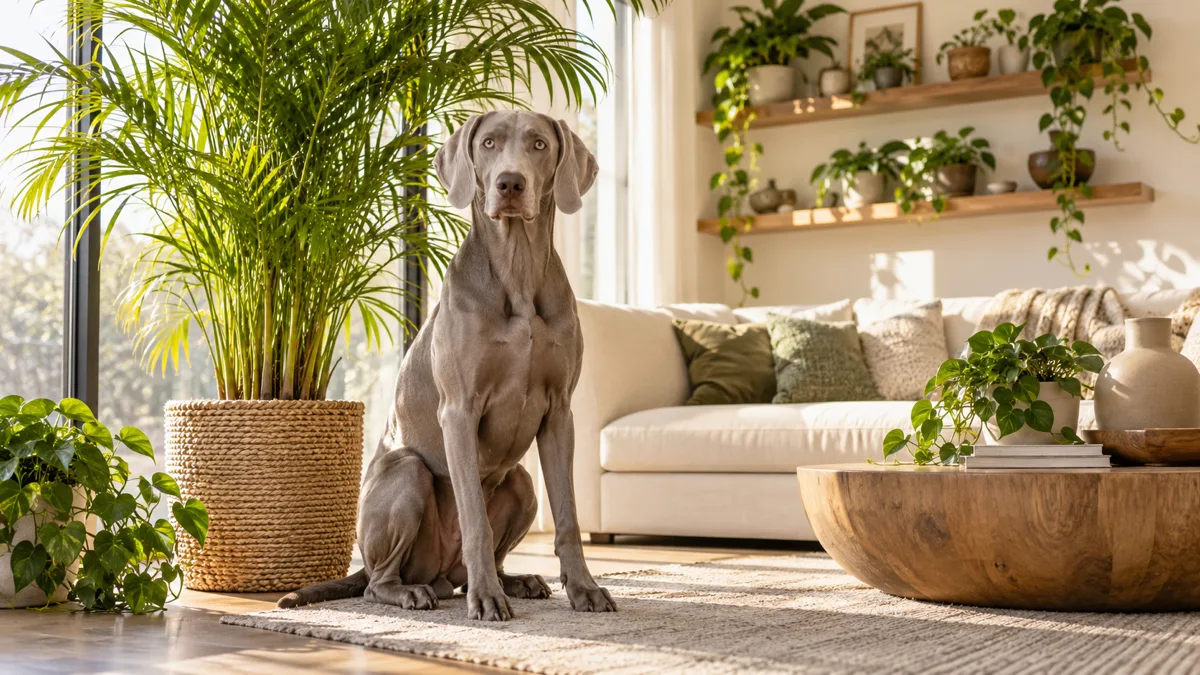
I share my home with three very different dogs: one high-energy, one anxious, one stubborn. The same 30-minute walk leaves one bored, one happy, and one ready for a nap. So this guide sorts it out by energy level and size, not by breed.
Use it to land on a sensible daily target, spot the signs you are doing too little or too much, and steal a few ideas for days when the weather will not cooperate.
This guide sorts daily exercise by energy level and size, not by breed, then covers the signs of too little or too much. Jump straight to the part that fits your dog.
- 1The real answer: energy, not just size
- 2High-energy dogs: 1 to 2+ hours
- 3Medium-energy dogs: about an hour
- 4Low-energy dogs: 20 to 40 minutes
- 5Puppies: short bursts, not marathons
- 6Senior dogs: gentle and consistent
- 7Flat-faced dogs: heat and breathing
- 8Signs your dog isn’t getting enough
- 9Signs you’re overdoing it
- 10Mental exercise counts too
- 11Easy indoor exercise for bad days
- 12Outdoor ideas beyond the usual walk
- 13Build a simple daily routine
The Real Answer: It Depends on Energy, Not Just Size
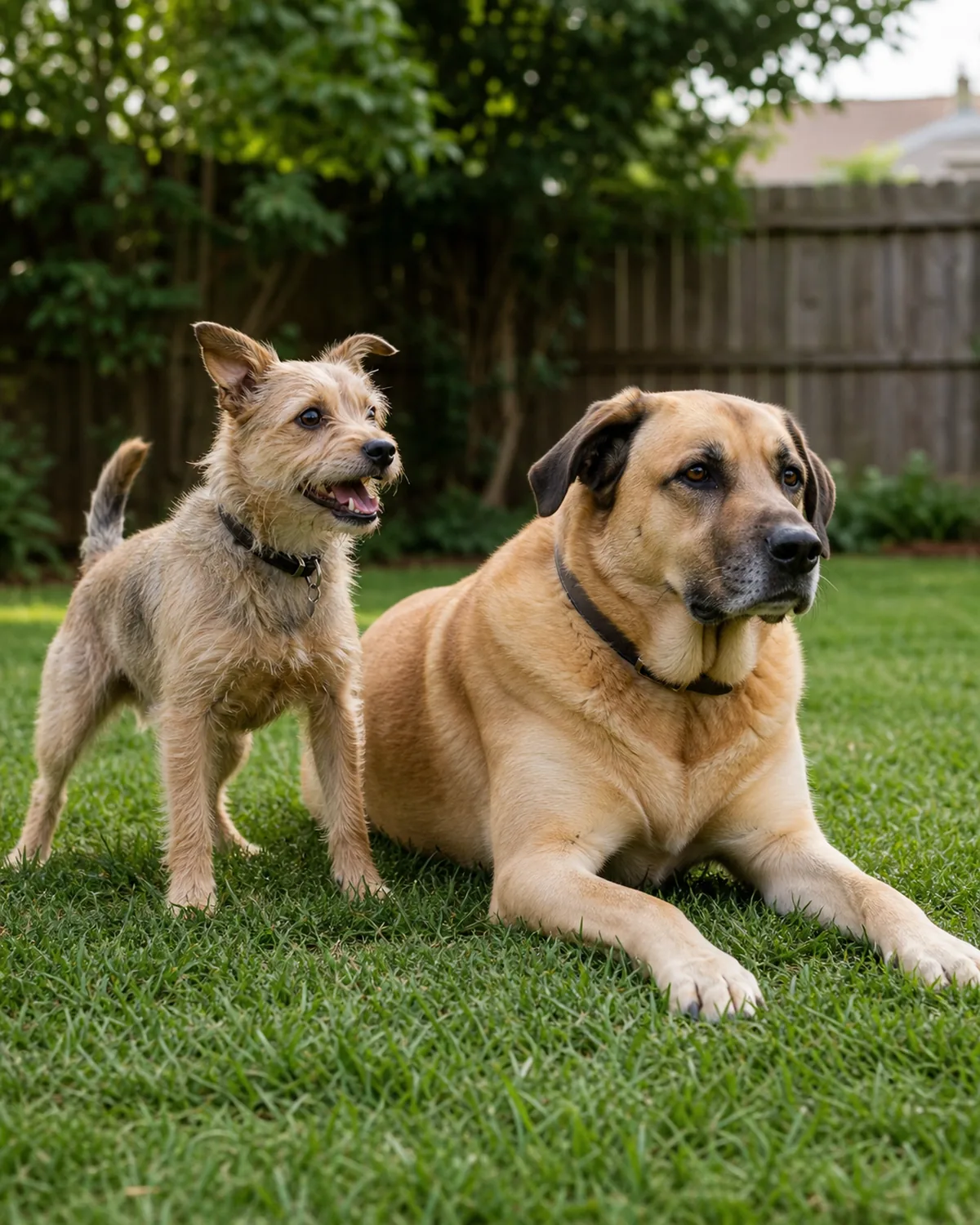
Size is a rough hint, not the rule. A small terrier type can out-run a big, mellow couch lover any day of the week. What actually sets the daily target is your dog’s natural drive to move, which comes down to their energy level far more than their weight.
- Watch your dog for a week and note when they get restless versus when they settle on their own.
- Sort them into high, medium, or low energy based on that pattern, not their size.
- Treat the time targets below as starting points, then adjust up or down to what your dog shows you.
High-Energy Dogs: 1 to 2+ Hours a Day
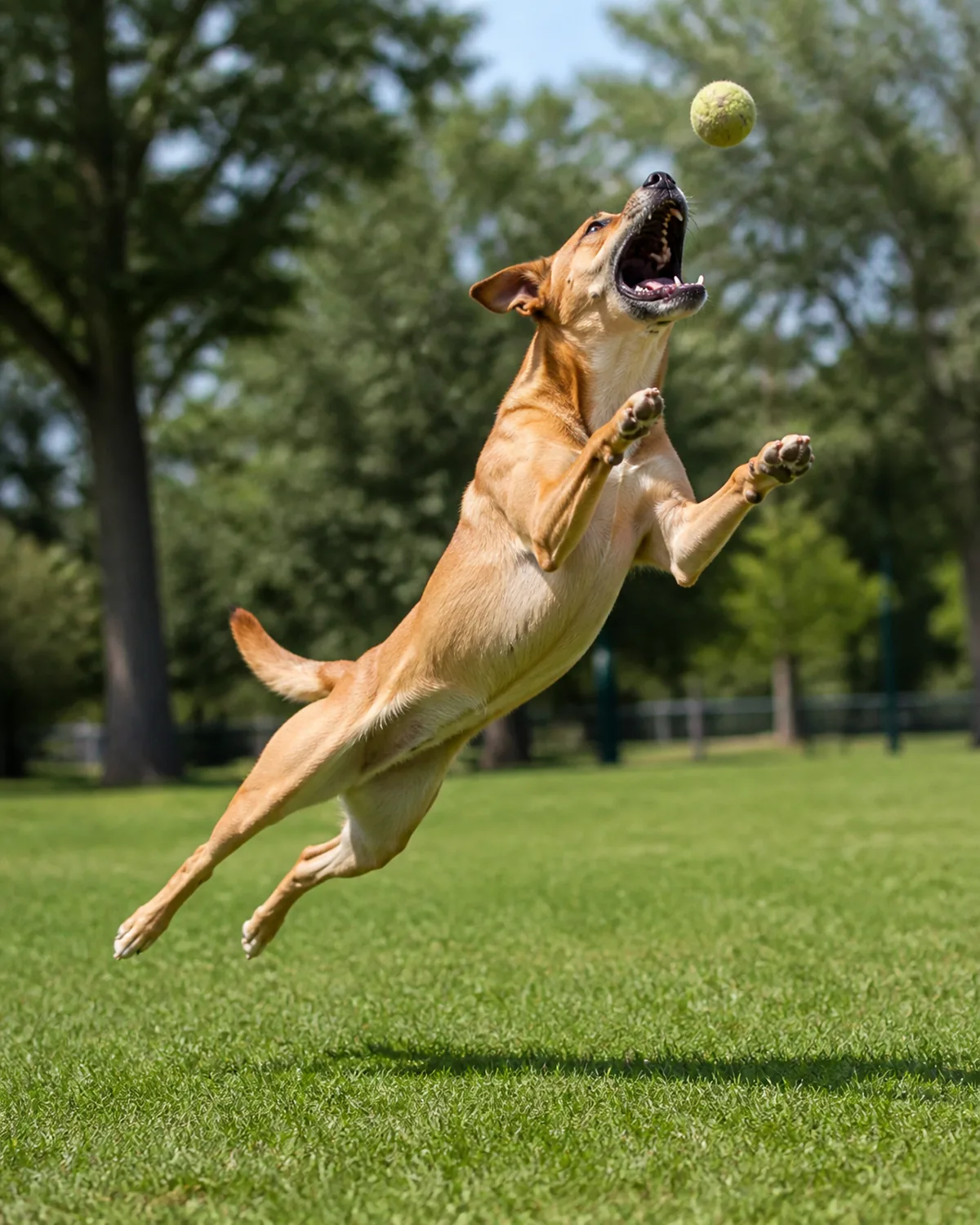
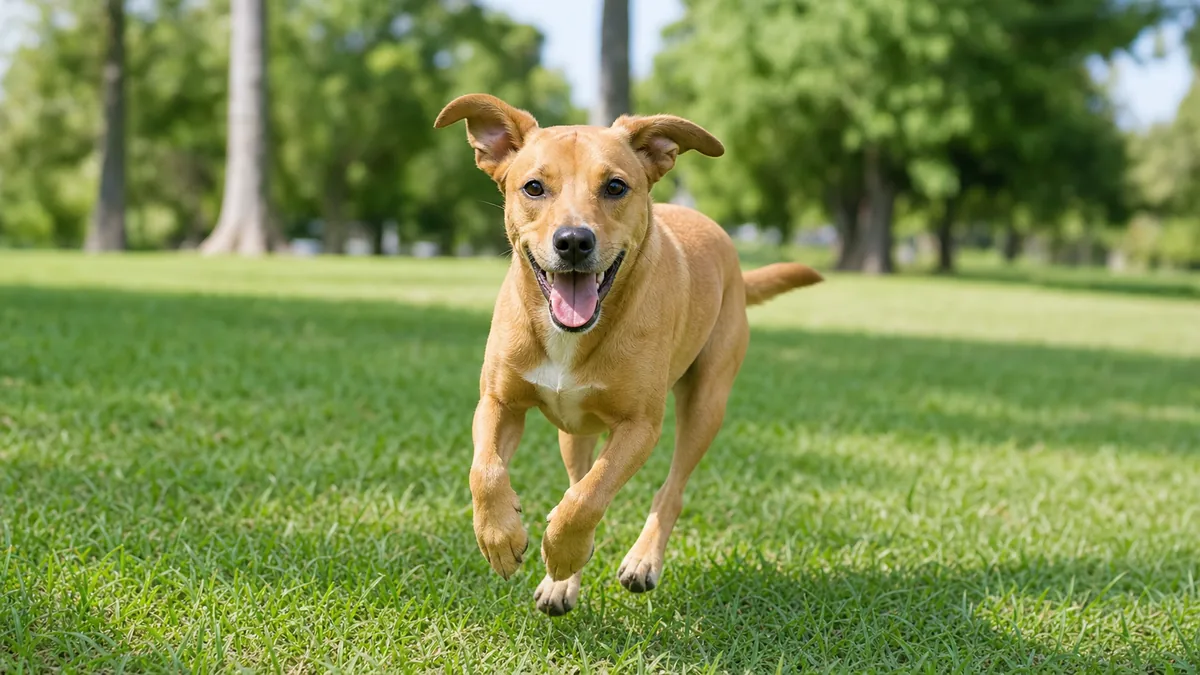
Herding-type and working-type dogs were bred to move and think all day, so a quick stroll barely takes the edge off. These dogs usually need one to two hours or more of real activity, and they need a job for their brain on top of it, or that energy turns into trouble at home.
- Aim for at least an hour split into two sessions, with some of it fast (running, fetch, or off-leash play in a safe space).
- Add a thinking task daily: training drills, a flirt pole, or scent games count as real work.
- If your dog still cannot settle by evening, add more mental work before you add more miles.
Medium-Energy Dogs: About an Hour
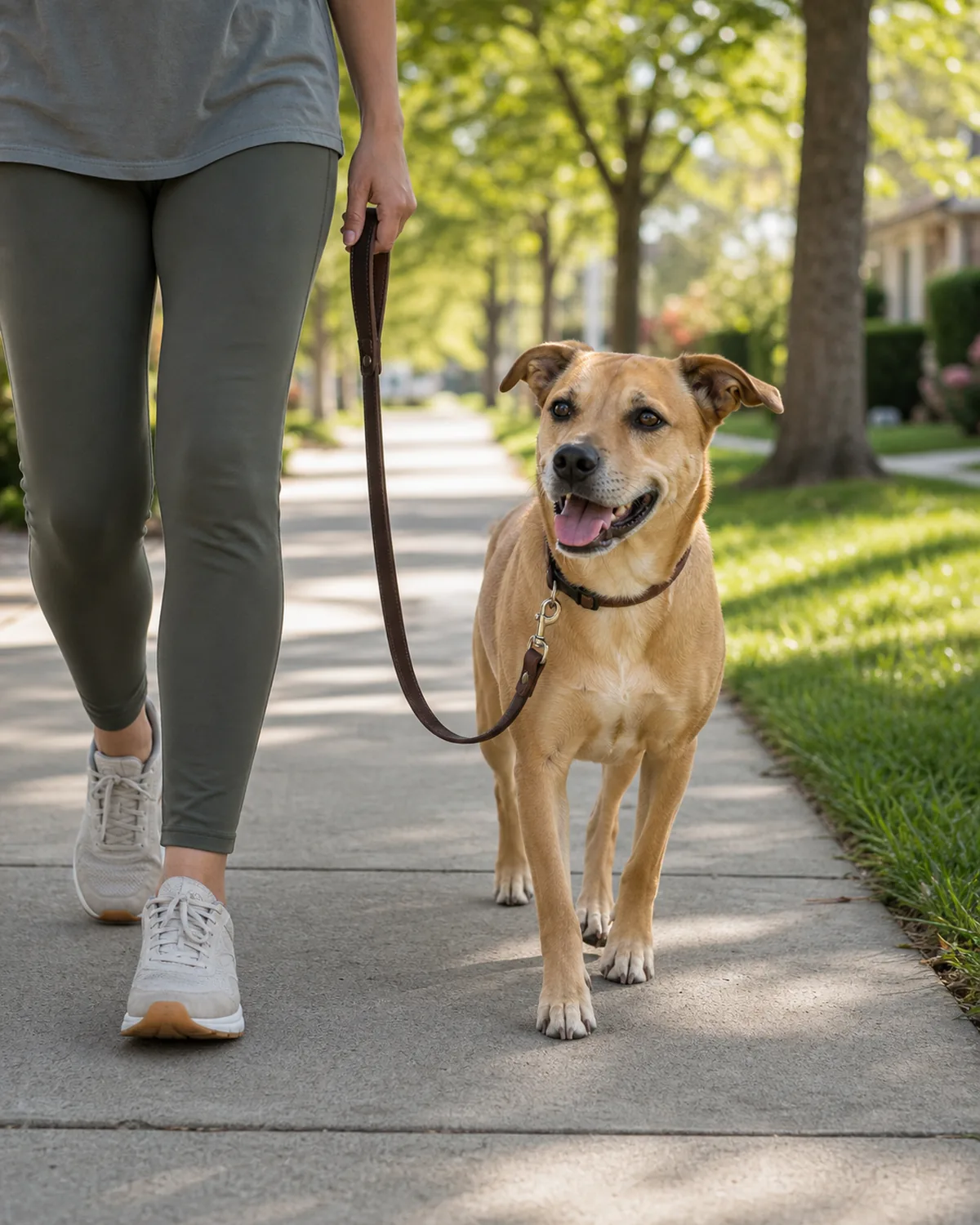
Most family dogs land here, and they are the easygoing middle. About an hour of activity a day, give or take, keeps a medium-energy dog fit and content without taking over your schedule. The mix matters more than the exact minutes.
- Build the hour from a couple of decent walks plus some play or sniffing time.
- Vary the route and pace so the hour stays interesting rather than the same loop on autopilot.
- On a busy day, a shorter walk with extra sniffing or a quick game still does the job.
You will not need every section today. Pick the dog below that sounds most like yours, and begin with those parts.
Low-Energy and Companion Dogs: 20 to 40 Minutes
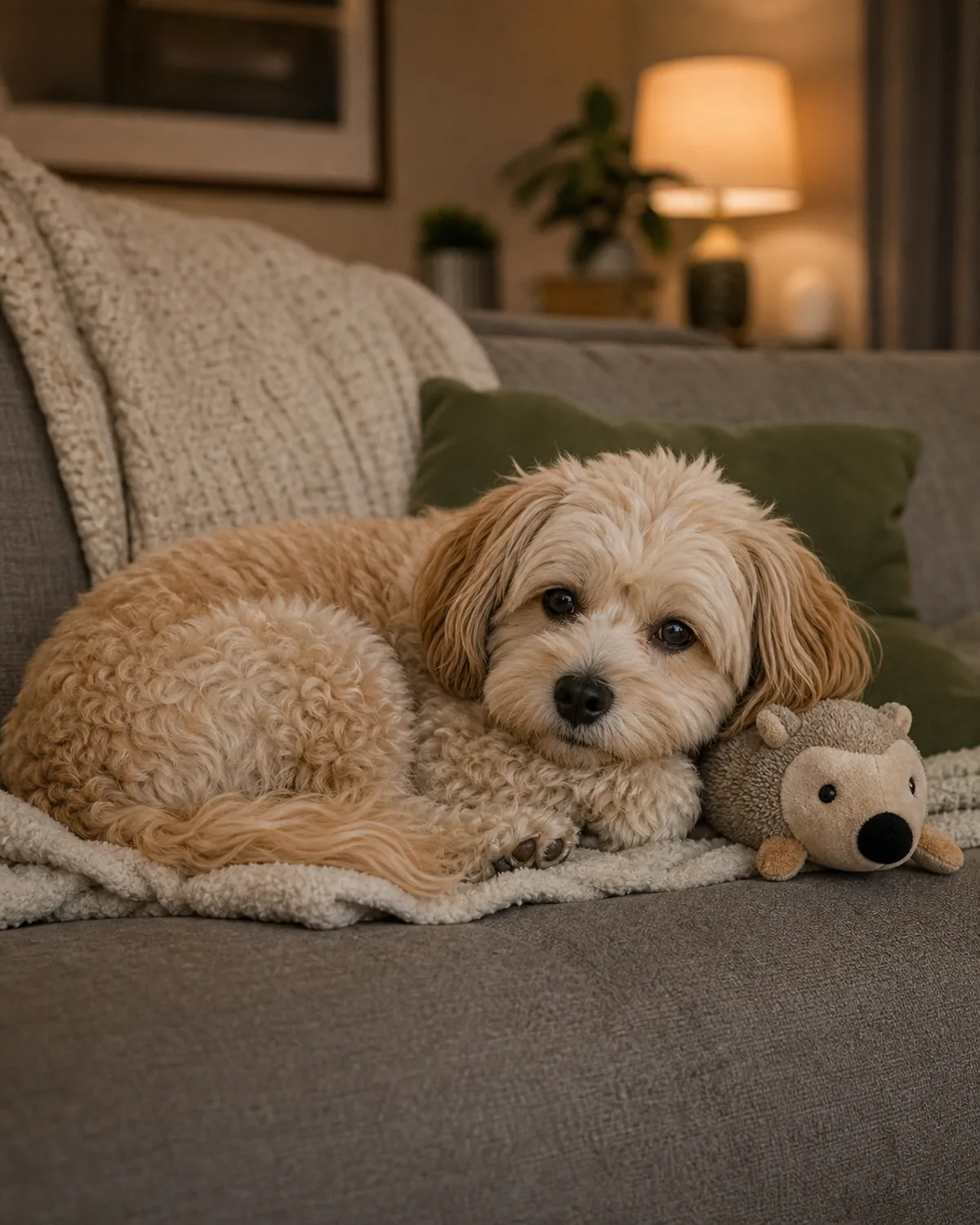
Toy and companion-type dogs, plus naturally laid-back dogs of any size, are happy with much less. Roughly 20 to 40 minutes a day usually covers it, and pushing a low-drive dog into long workouts often just stresses them out instead of helping.
- Keep sessions short and gentle: a relaxed walk plus a little indoor play is plenty.
- Watch the weather for small or flat-faced dogs, who tire and overheat faster than you expect.
- Let your dog opt out when they are clearly done rather than marching them to a step count.
Puppies: Short Bursts, Not Marathons
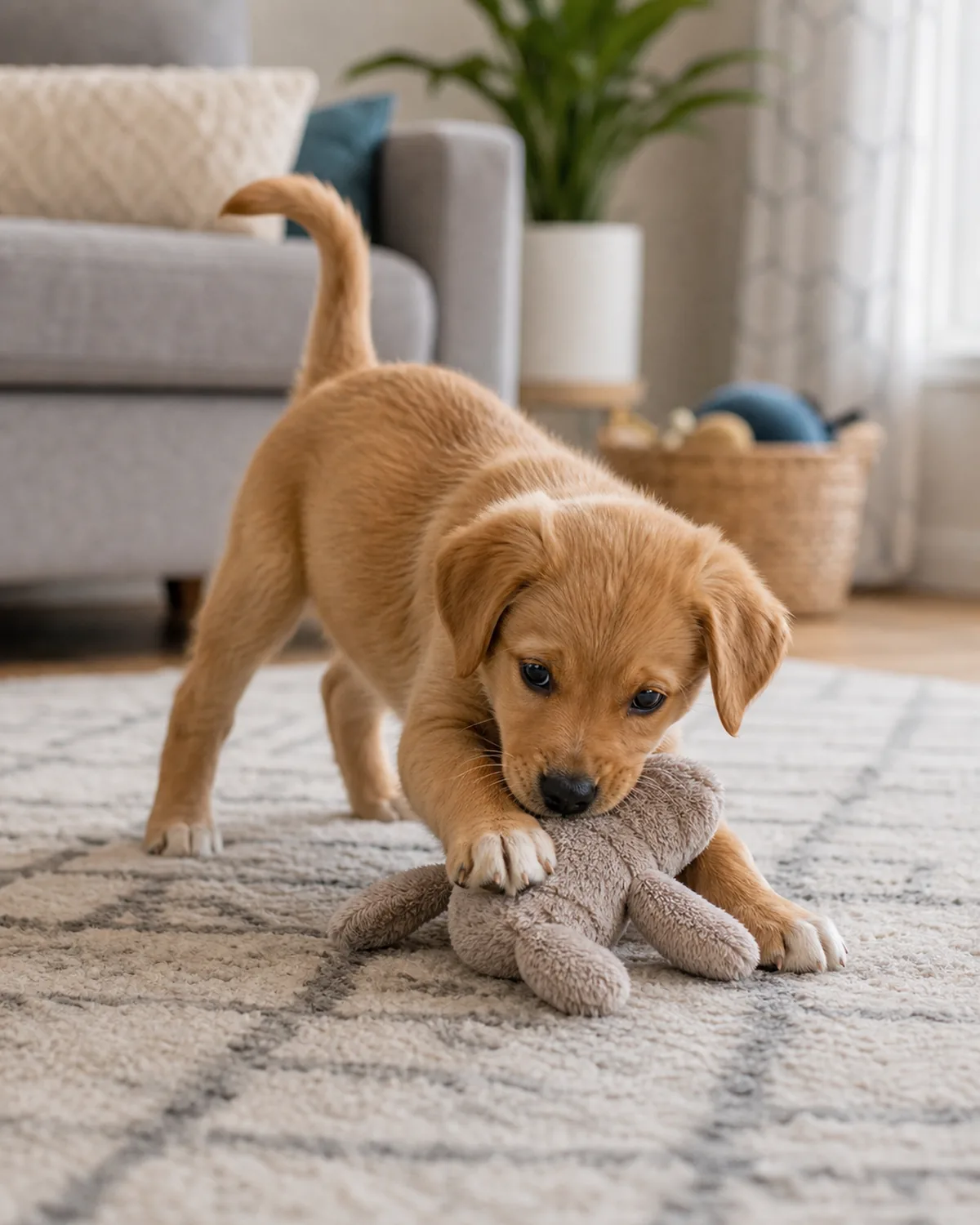
Puppies seem to have endless energy, but their growing joints cannot take long, repetitive exercise yet. A common rule of thumb is about five minutes of structured activity per month of age, once or twice a day, with lots of free play and naps filling the rest.
- Favor short, frequent play bursts over one long walk, and skip forced running or long hikes for now.
- Let your puppy set the pace and stop the moment they flop, since they will overdo it if you let them.
- Check with your vet before any high-impact activity, especially for larger breeds still growing.
Senior Dogs: Gentle and Consistent
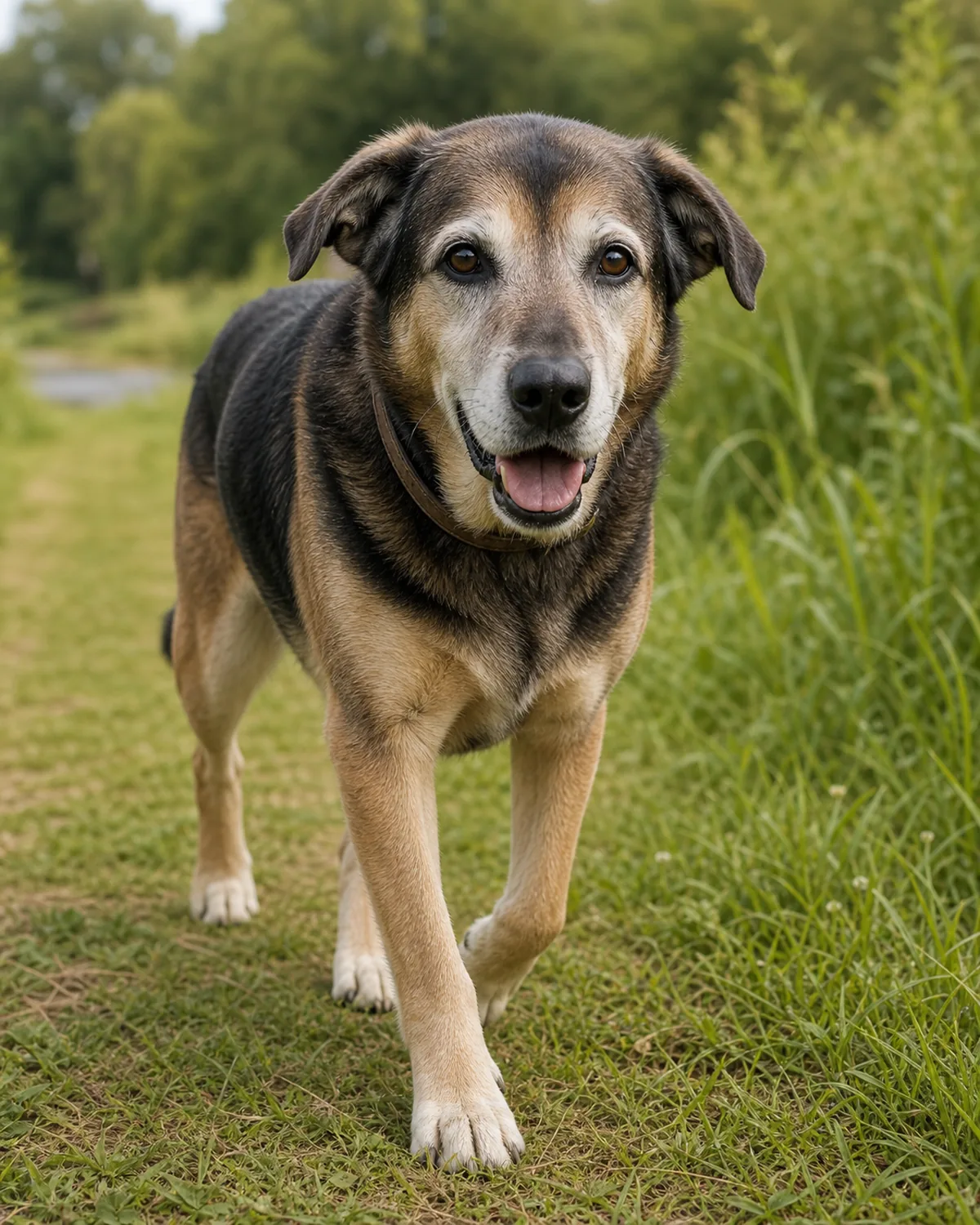
Older dogs still need to move, just gentler and more often. Consistent, low-impact activity keeps stiff joints working and the weight off, which matters more as they age. The goal shifts from tiring them out to keeping them comfortable and mobile.
- Trade one long outing for two or three short, easy walks at a pace your dog sets.
- Choose soft ground over hard pavement to go easier on aging joints.
- If your senior is slowing down suddenly, limping, or reluctant to move, talk to your vet rather than pushing through.
The time targets in this guide are only a starting point. These four rules are what turn a number on a page into the right amount of movement for the actual dog in your house.
Flat-Faced Dogs: Heat and Breathing Cautions
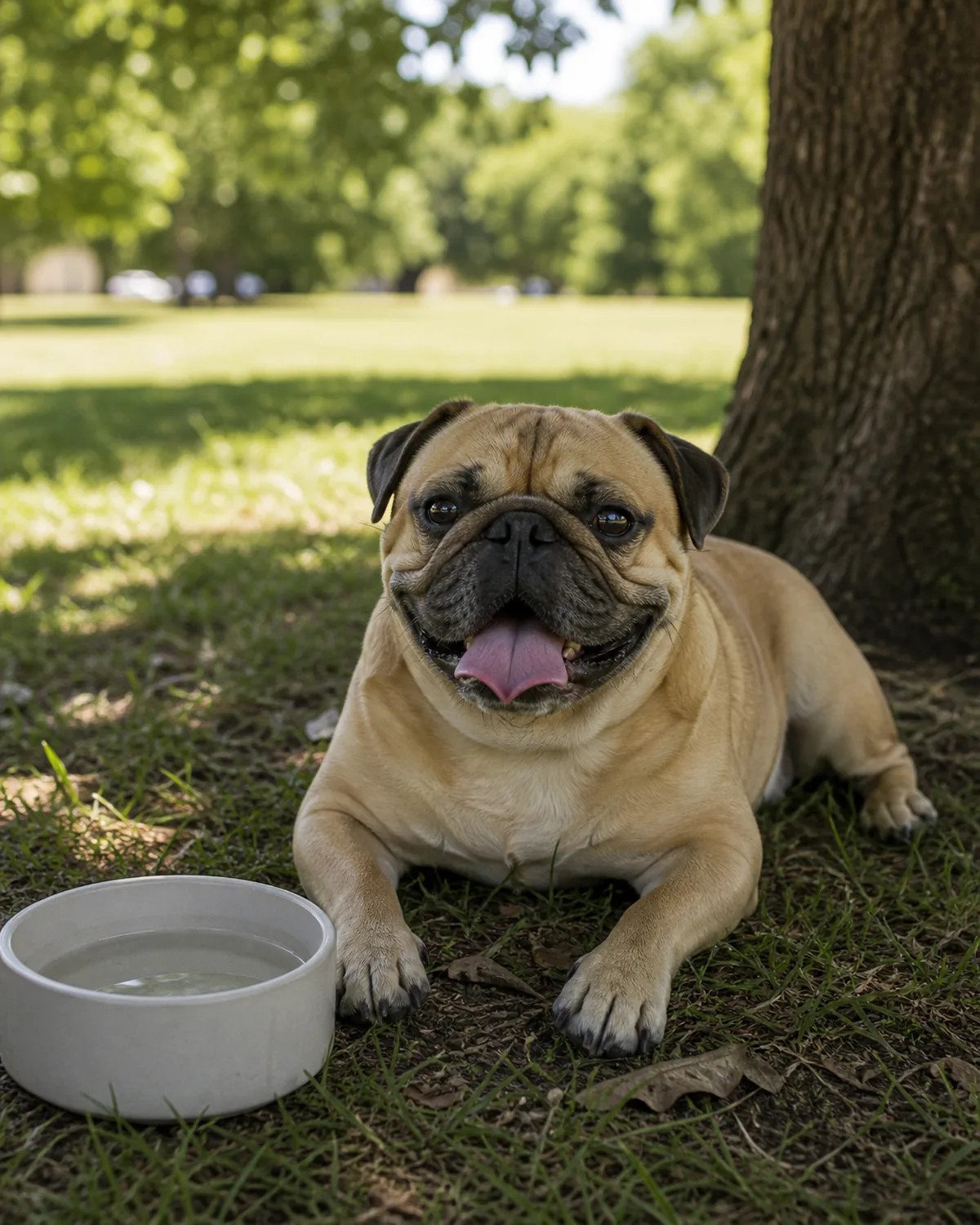
Flat-faced (brachycephalic) dogs need extra care because their shorter airways make it harder to cool down and breathe during exertion. Heat is the real risk here, so timing and intensity matter more for these dogs than for most.
- Exercise in the cool parts of the day and keep sessions short, with water and shade close by.
- Stop right away if you hear heavy, labored, or noisy breathing, and let your dog fully recover.
- For specific limits and warm-weather precautions, talk to your vet, since this is care guidance, not medical advice.
Signs Your Dog Isn’t Getting Enough
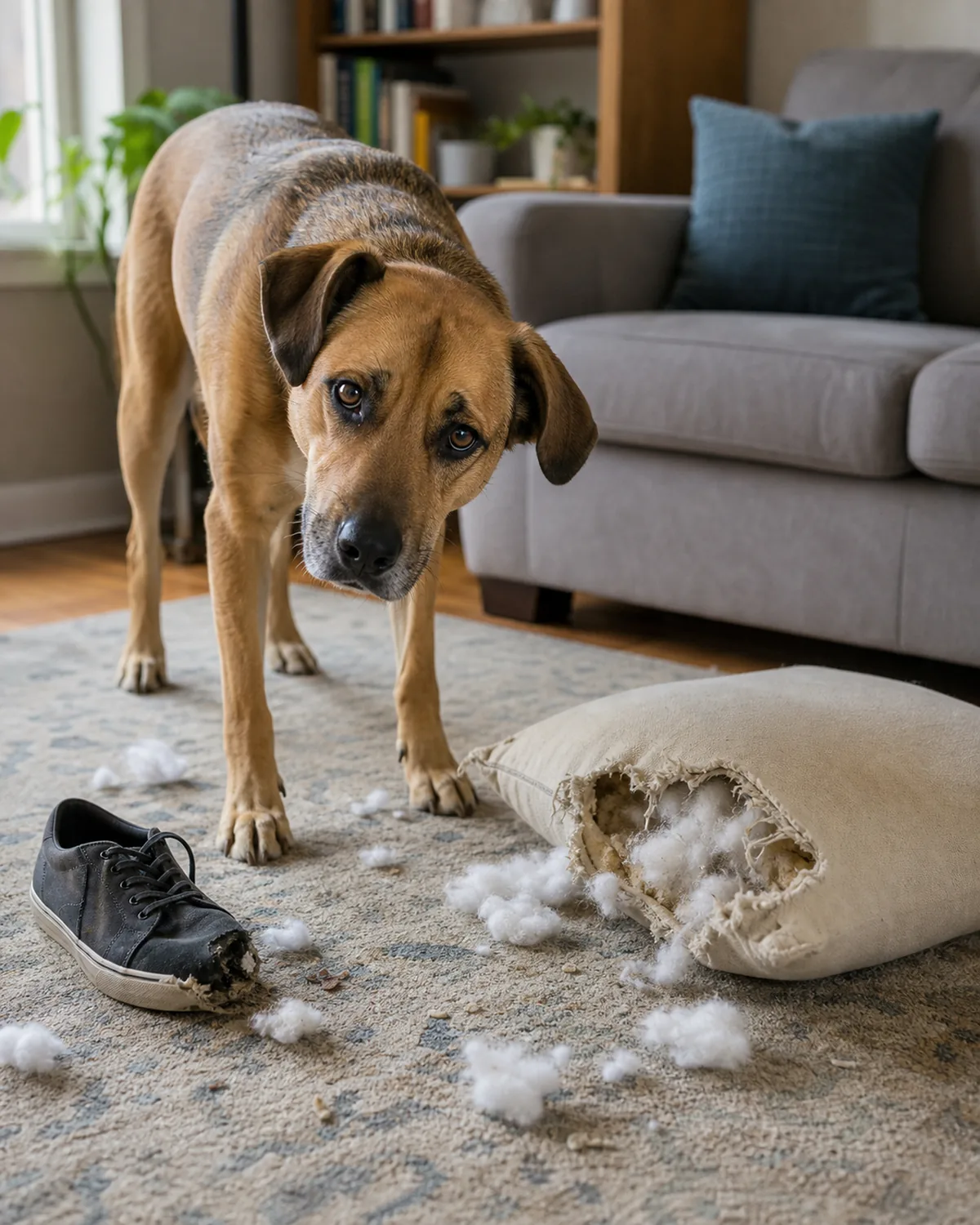
A dog with pent-up energy usually tells you in the house. Chewing, digging, barking, pacing, and general restlessness are classic signs the daily output is too low for that dog. A well-exercised dog is calmer for everything, including brushing a dog that hates it.
- Look for destructive habits, hard-to-settle evenings, or weight creeping up despite normal food.
- Add 15 to 20 minutes of activity or a daily puzzle and watch whether the behavior eases within a week or two.
- If the energy still has nowhere to go, lean on mental work, which tires many dogs faster than another lap.
Signs You’re Overdoing It
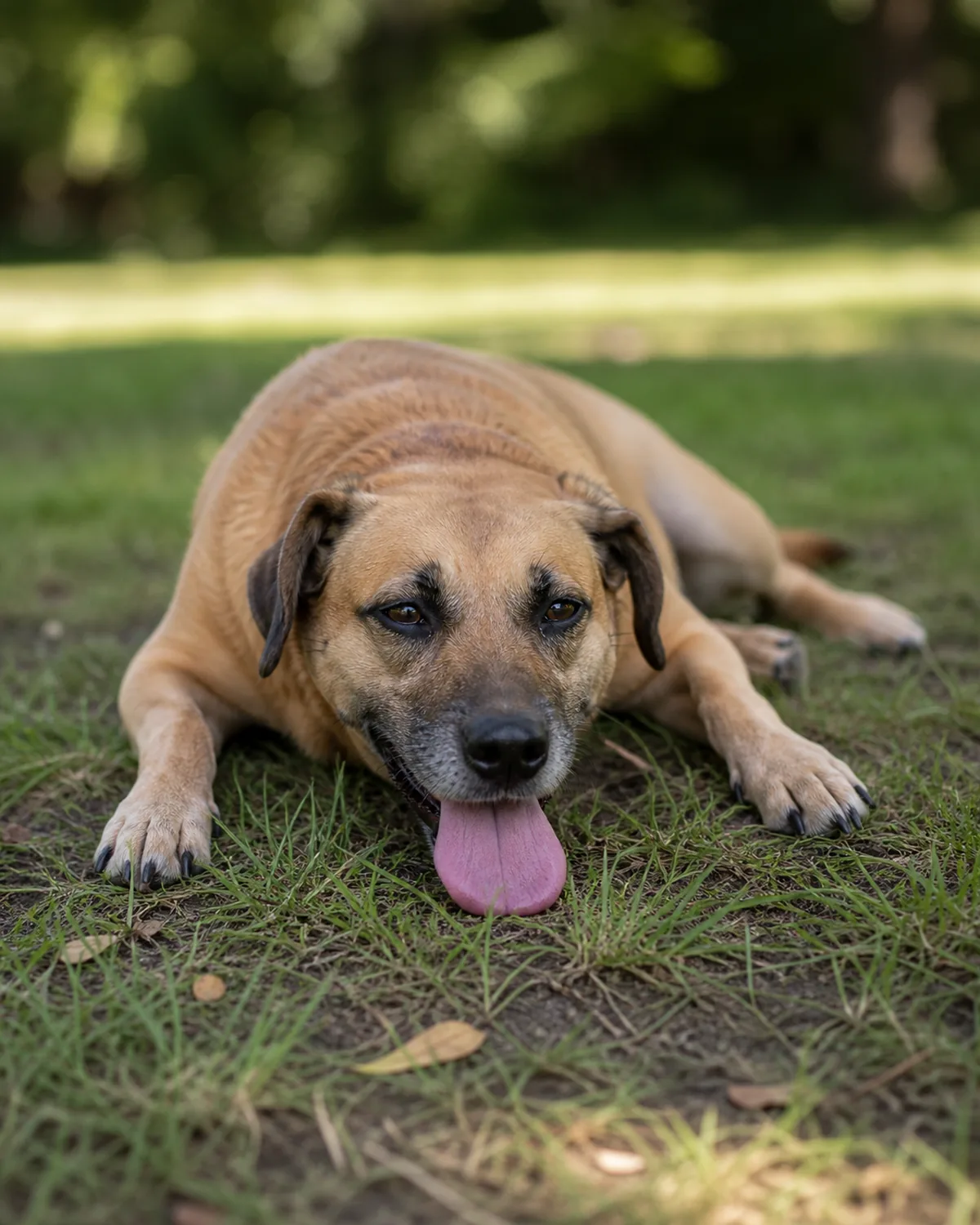
More is not always better, and an over-exercised dog has its own tells. Limping, lagging behind, lying down mid-walk, refusing to go out, or sore stiffness the next day all mean you have pushed past what your dog can handle right now.
- Scale back the distance and intensity for a few days and see if the soreness or reluctance clears.
- Build mileage up gradually rather than jumping from short walks to long hikes overnight.
- If limping, stiffness, or exhaustion keeps showing up, talk to your vet before continuing.
How Much Exercise Does Your Dog Need? A Guide by Energy Level
- 1The real answer: energy, not just sizeA dog’s natural drive to move sets the target far more than their weight does.
- 2High-energy dogs: 1 to 2+ hours a dayWorking and herding types need lots of movement plus a daily job for the brain.
- 3Medium-energy dogs: about an hourMost family dogs do well on a couple of walks plus some play or sniffing.
- 4Low-energy and companion dogs: 20 to 40 minutesLaid-back and toy-type dogs are happy with short, gentle daily activity.
- 5Puppies: short bursts, not marathonsRoughly five minutes per month of age, plus free play and lots of naps.
- 6Senior dogs: gentle and consistentShort, low-impact walks keep stiff joints moving and the weight off.
- 7Flat-faced dogs: heat and breathing cautionsShort, cool sessions with water and shade; ask your vet about safe limits.
- 8Signs your dog isn’t getting enoughChewing, pacing, barking, and weight creep usually mean too little movement.
- 9Signs you’re overdoing itLimping, lagging, and refusing to go out mean it’s time to scale back.
- 10Mental exercise counts tooPuzzles, sniffing, and training tire a dog as much as a walk, sometimes more.
- 11Easy indoor exercise for bad-weather daysTug, hallway fetch, stairs, and hide-and-seek take the edge off indoors.
- 12Outdoor ideas beyond the same old walkSniffaris, hikes, fetch, and water play beat the same block every day.
- 13Build a simple daily exercise routineSplit the target into morning, midday, and evening blocks and keep it steady.
pawliqa.com
It’s Not Just Walks: Mental Exercise Counts
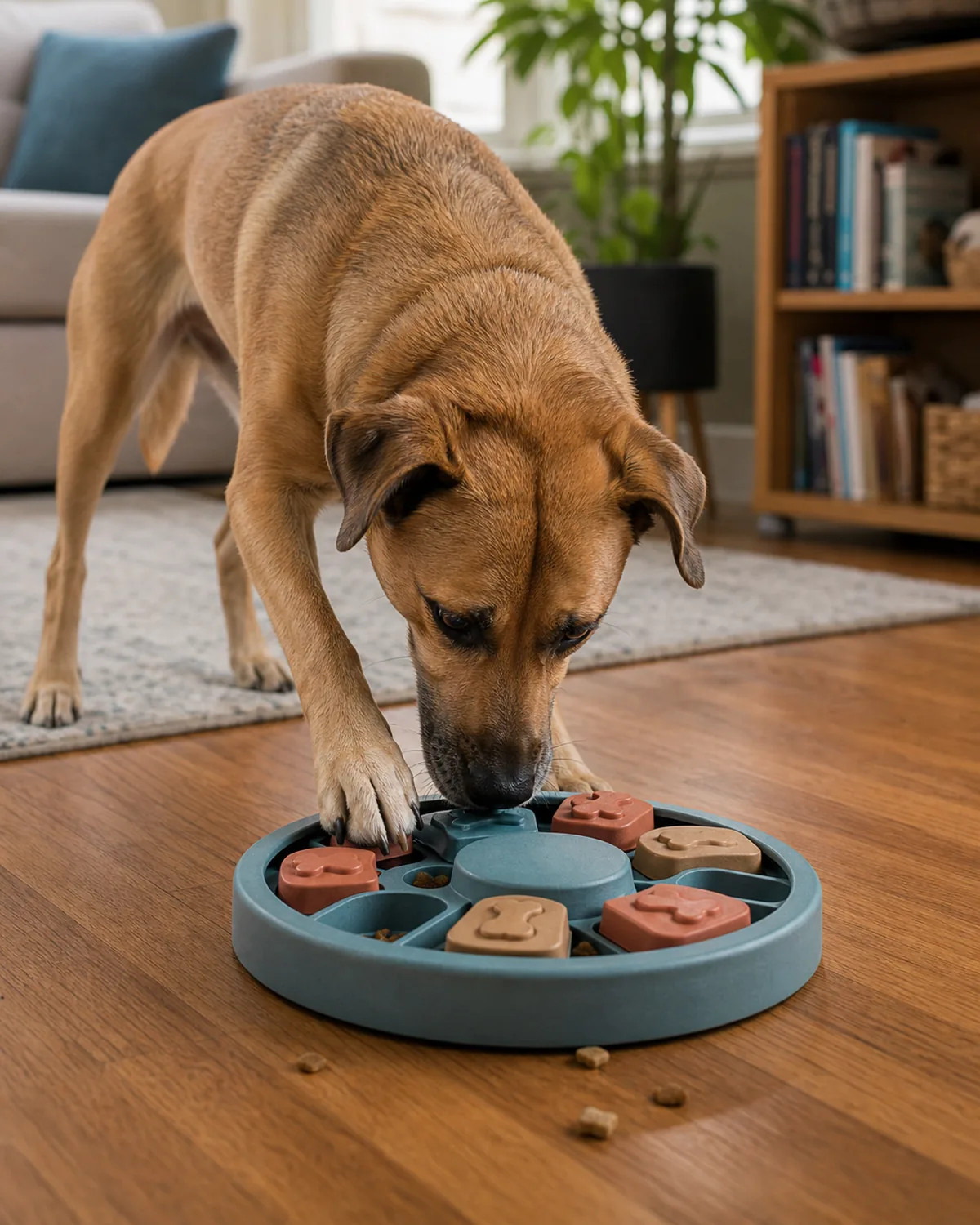
Brainwork tires a dog as much as a walk, sometimes more. Sniffing, problem-solving, and training all burn real mental energy, which is why a tough puzzle can settle a wound-up dog faster than another loop around the block. This is the part most owners underuse.
- Feed at least one meal from a puzzle feeder or a snuffle mat instead of a bowl.
- Run short training sessions: new tricks and impulse-control games count as exercise for the mind.
- Let walks include plenty of sniffing time, since reading scents is genuinely tiring work for dogs.
Easy Indoor Exercise for Bad-Weather Days
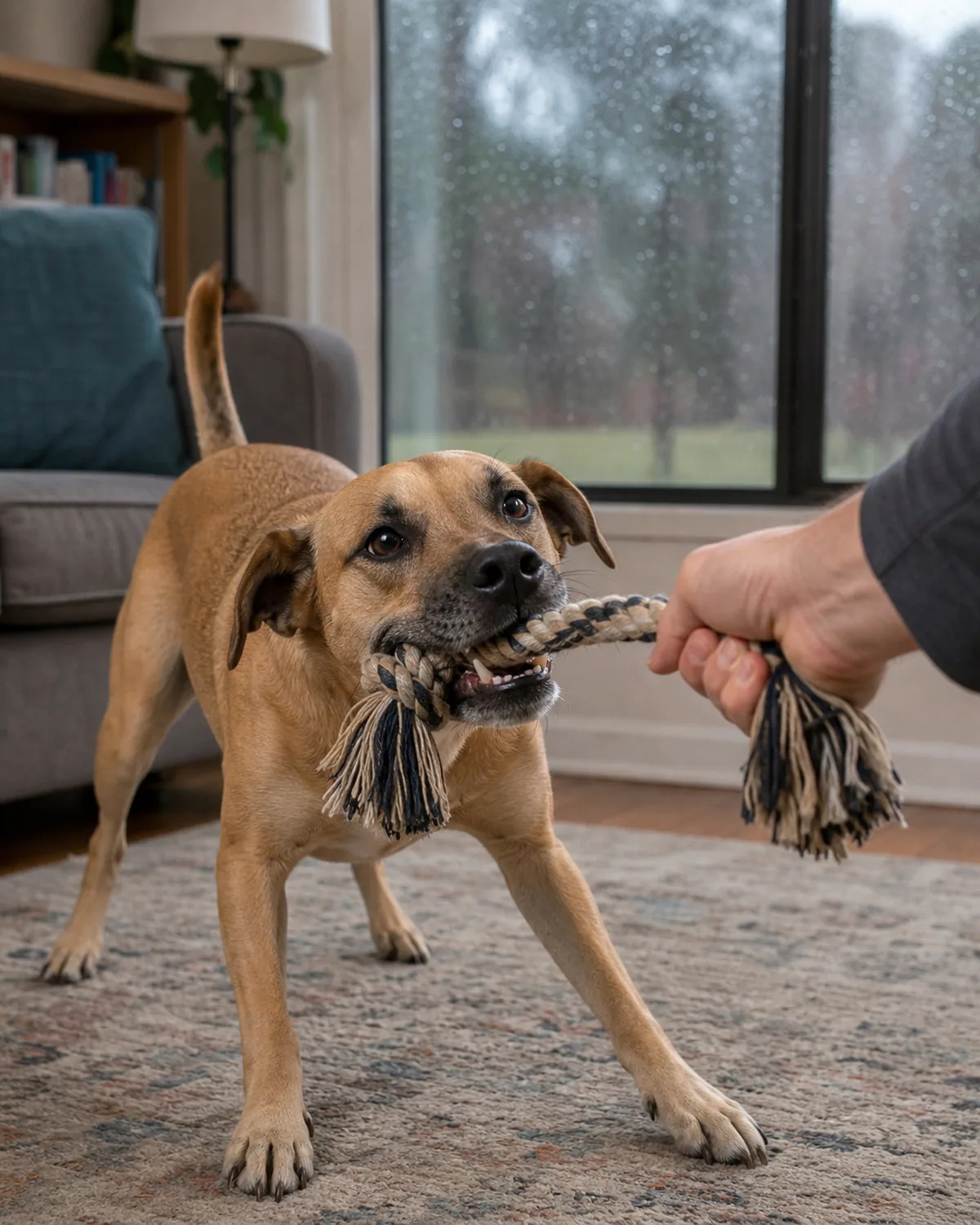
Rain, heat, or a packed day does not have to mean a skipped day. Plenty of activity works inside the house, and a short burst indoors can take the edge off until you can get back outdoors. What matters is making it count, not just letting your dog wander.
- Play tug, indoor fetch down a hallway, or hide-and-seek with treats around the room.
- Use the stairs for a few controlled up-and-downs (skip this for puppies and stiff senior dogs).
- Rotate puzzle toys and quick training games so the indoor routine stays fresh and tiring.
Outdoor Ideas Beyond the Same Old Walk
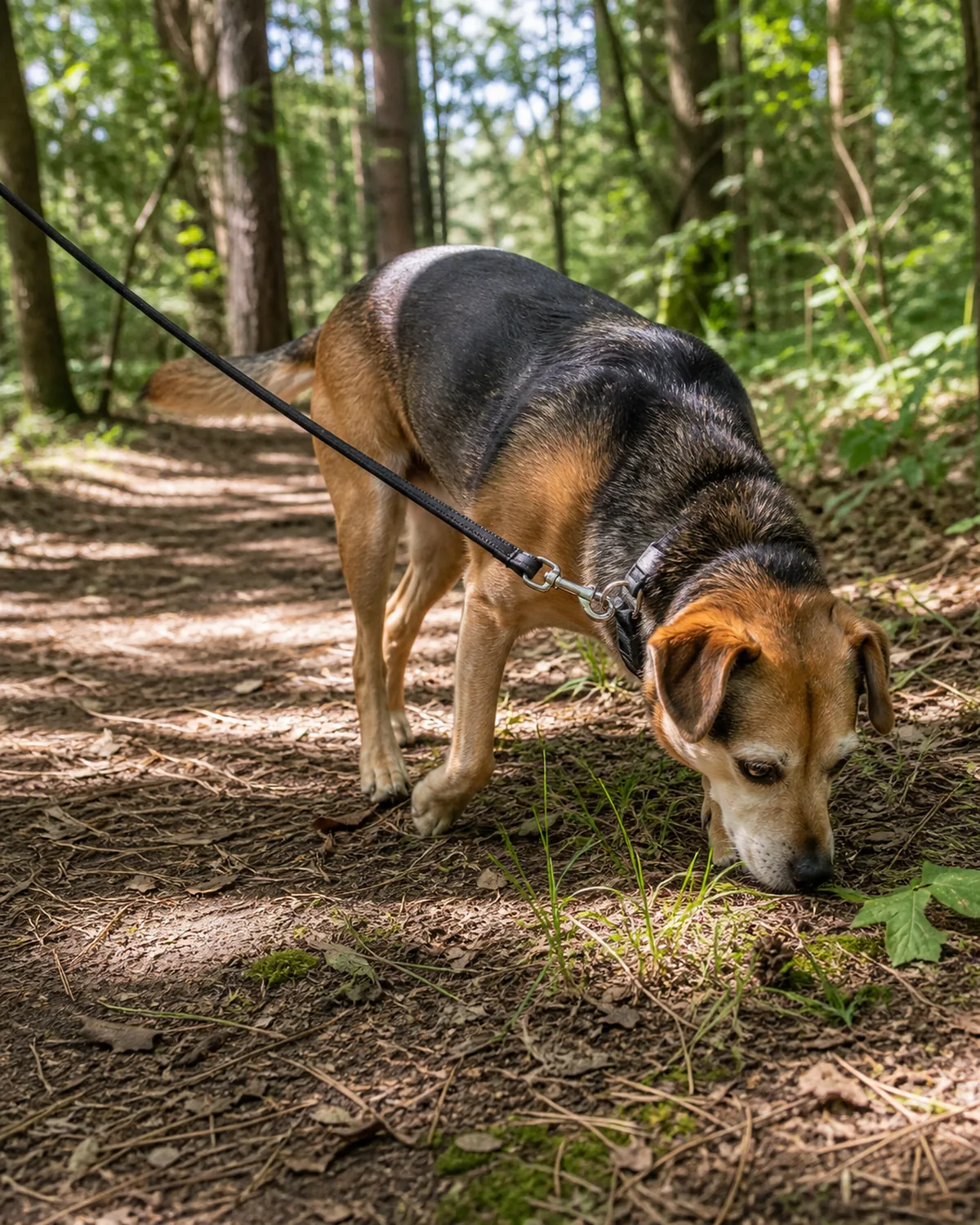
The same block every day gets stale for both of you. Changing the where and the how gives your dog more enrichment from the same amount of time, and variety often does more for a restless dog than walking farther.
- Try a sniffari, a slow walk where your dog leads and sets the pace by nose, in a new spot.
- Mix in a hike on softer trails, a game of fetch in a field, or safe water play in warm weather.
- Rotate locations through the week so familiar smells do not turn every outing into a routine march.
Build a Simple Daily Exercise Routine
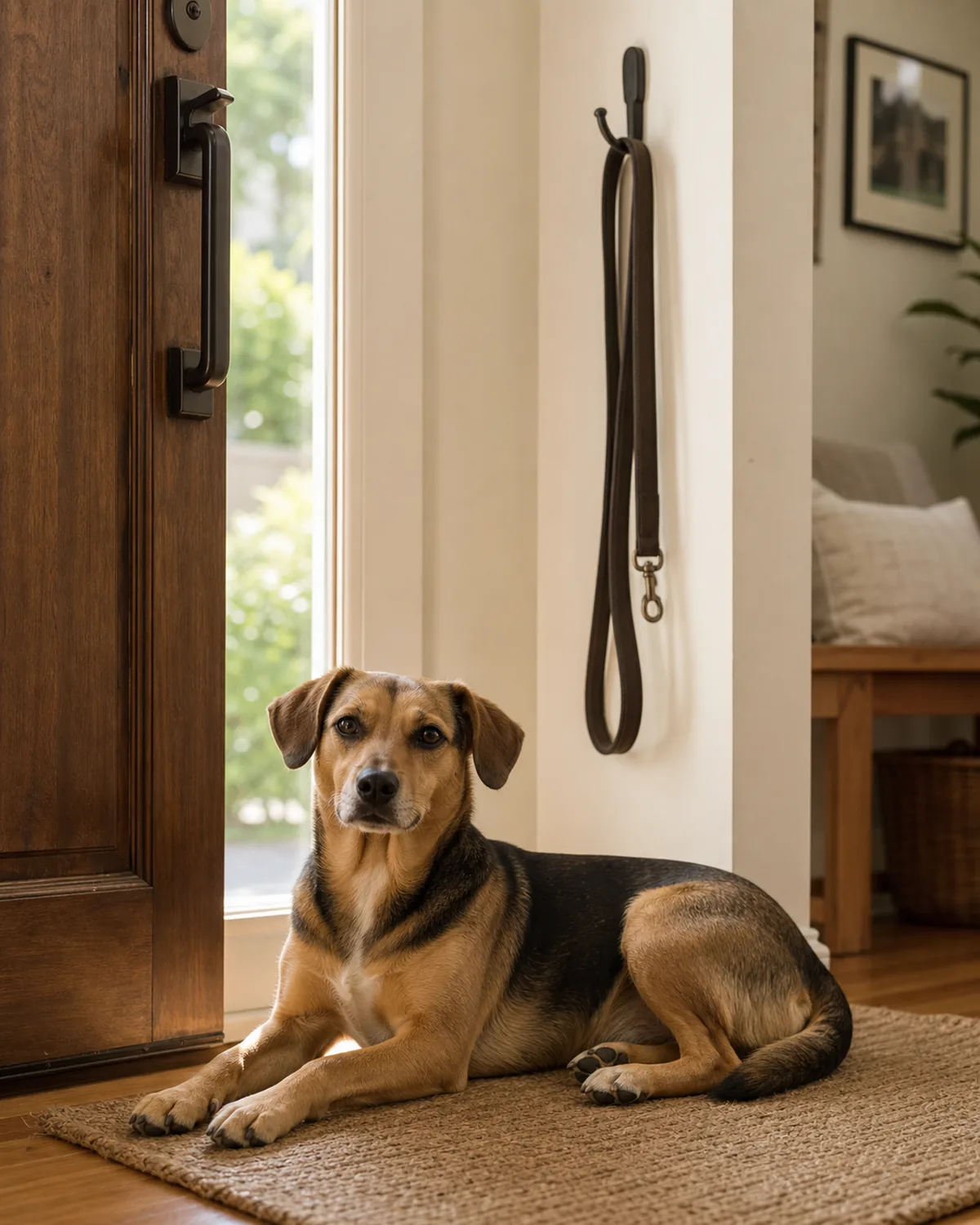
The easiest way to hit your dog’s target is to stop deciding daily and build a rhythm instead. Splitting the day’s activity into a few set blocks fits real life better than one big outing, and a predictable routine keeps a dog calmer between sessions.
- Anchor activity to your day: a morning walk, a midday game or sniff break, and an evening wind-down walk.
- Match the total to your dog’s energy level using the targets above, then keep it roughly the same each day.
- Build in flexibility for weather and busy days by swapping an outdoor walk for indoor play or a puzzle.
Figuring out how much exercise your dog needs is less about a magic number and more about watching the dog in front of you. Match the effort to their energy level, adjust when their behavior tells you to, and remember a tired brain counts as much as tired legs. Get that balance right and you get the best version of your dog: calmer at home and more fun on the days you do get out.

Jess Calloway edits Pawliqa, where she shares dog care, grooming, training, and new-owner tips — plus DIY and pet-friendly home ideas — for anyone who wants a happy, well-cared-for dog. As a dog mom to three very different dogs, she writes the honest, tested version of what actually works. Every guide is image-led and reviewed for clarity, usefulness, image accuracy, and Pinterest-to-page alignment before it goes live. Visit the About page.