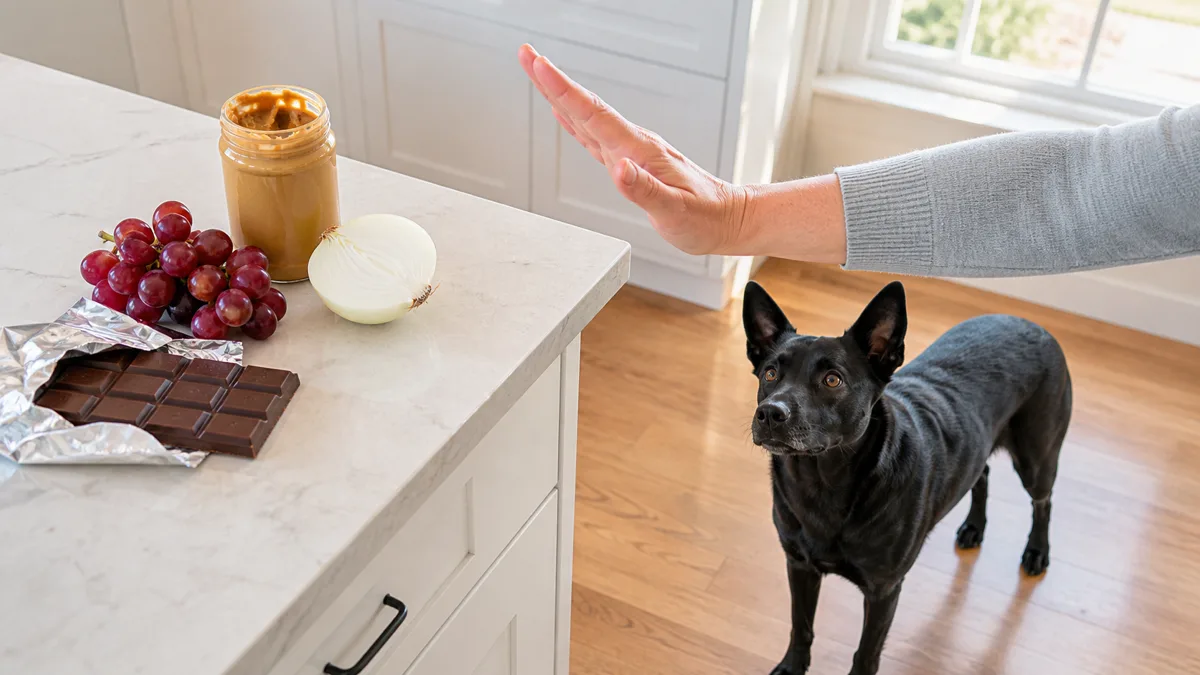
Our youngest dog once grabbed half a chocolate muffin off a coffee table before anyone could react. Thirty seconds of panic, a call to the vet, and a dose of activated charcoal later, she was fine.
That afternoon taught us something every dog owner figures out eventually. The list of human foods that can hurt a dog is shorter than the internet suggests, but the items on it are genuinely dangerous and most are already in your kitchen.
Here are ten foods dogs should never eat, why each one is harmful, and what to do if your dog gets into any of them.
What to keep away from your dog
10 foods dogs should never eat
Each one is genuinely dangerous for a different reason. Tap any item to jump straight to the details and the emergency steps.
1. Chocolate
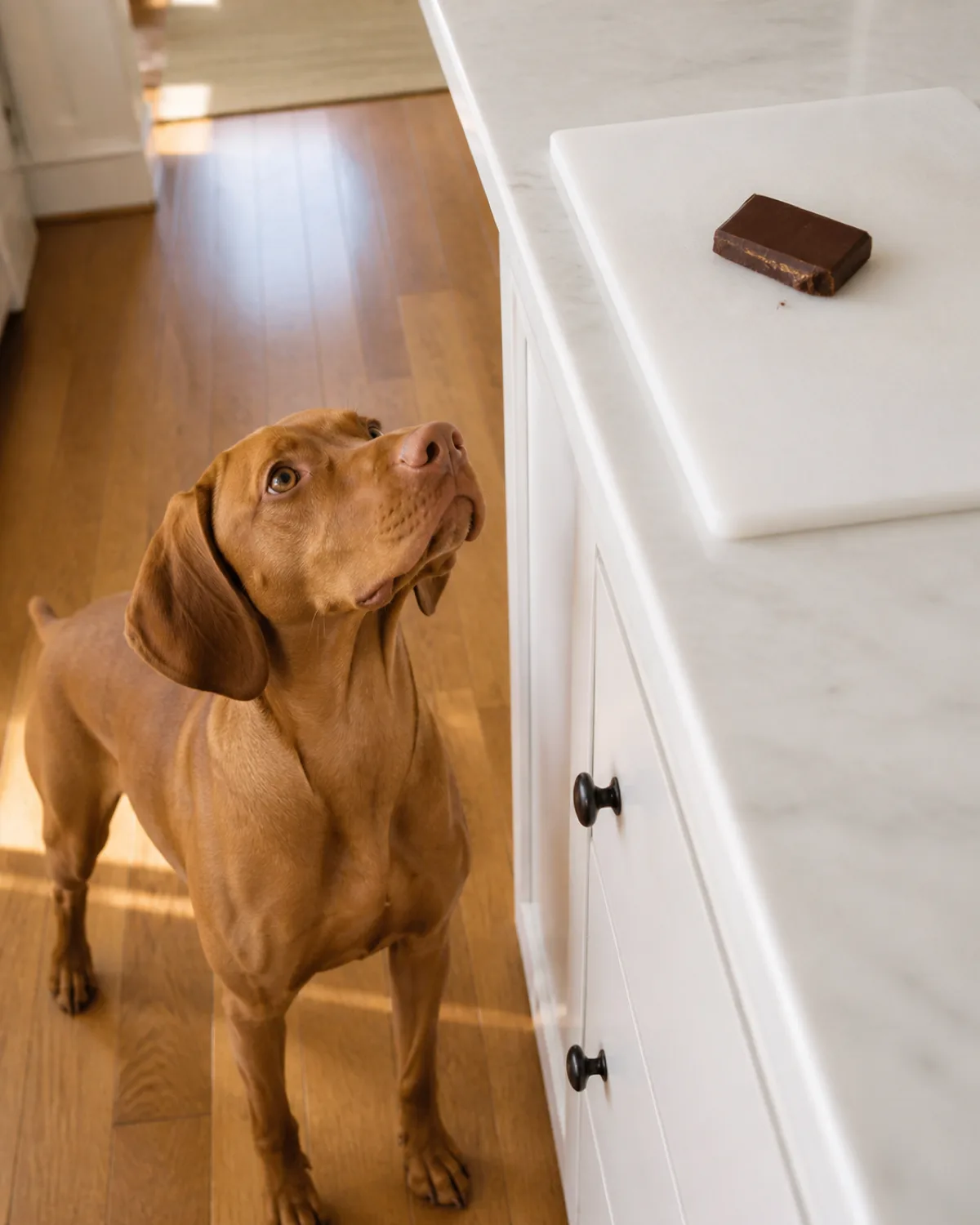
Chocolate contains theobromine and caffeine, two stimulants that dogs metabolize much more slowly than humans. The danger scales with cocoa concentration.
White chocolate has almost no theobromine. Milk chocolate is moderately risky. Dark chocolate is serious. Baking chocolate and cocoa powder are the most dangerous by weight.
A 20-pound dog eating two ounces of dark chocolate is an emergency. The same dog eating a single milk-chocolate chip off the floor is not, though it still warrants a call to your vet.
- Mild exposure causes restlessness, panting, and a racing heart
- Moderate exposure causes vomiting, diarrhea, and muscle tremors
- Severe exposure causes seizures and cardiac arrest
The first thing to do if your dog eats chocolate is figure out what kind, how much, and how long ago. Then call your vet or the ASPCA Animal Poison Control Center at 888-426-4435. Do not make your dog vomit unless a vet tells you to.
If your dog eats something toxic
Emergency First Steps
Three things to do right now, before you even open a search engine.
1Do not make your dog vomit unless a veterinarian specifically tells you to. Some substances cause more damage coming back up.
2Write down what your dog ate, roughly how much, and how long ago. Your vet will ask for all three.
3Call your vet or the ASPCA Animal Poison Control Center at 888-426-4435. They are available 24/7 and can tell you whether this is a wait-and-watch situation or a drive-to-the-clinic-now situation.
2. Grapes and Raisins

Grapes and raisins can cause acute kidney failure in dogs, and no one has definitively identified why. The leading theory points to tartaric acid, but the research is not settled.
What is settled is that there is no established safe dose. Some dogs eat a handful of grapes and show no symptoms. Others eat two or three and end up in kidney failure. Size, breed, and individual sensitivity all seem to play a role, but nobody can predict which dog will react.
This unpredictability is exactly what makes grapes one of the most dangerous items on this list.
- Vomiting usually starts within a few hours
- Loss of appetite and lethargy follow
- Decreased urination signals kidney damage and is a true emergency
Raisins are worse per gram because they are concentrated. Grape juice, wine, and currants carry the same risk. If your dog eats any amount of any grape product, call your vet immediately. Time matters more here than with almost any other food on this list.
3. Onions, Garlic, and Alliums
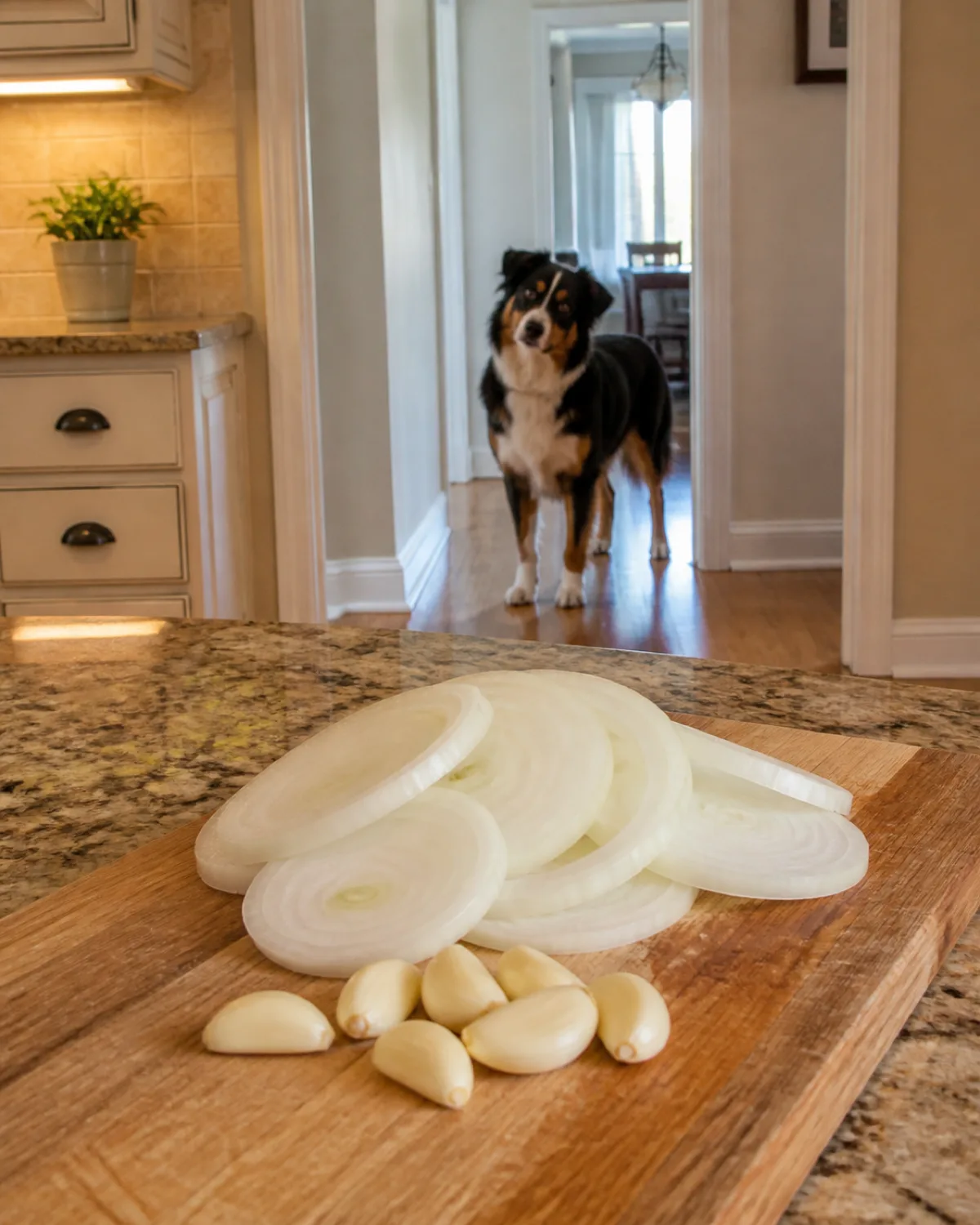
Every plant in the allium family, including onions, garlic, leeks, chives, and shallots, contains compounds that damage a dog's red blood cells. The damage is cumulative, meaning small amounts over several days can be just as dangerous as one large dose.
Cooking does not eliminate the toxicity. Neither does dehydrating, powdering, or fermenting. Onion powder in a seasoning blend is still onion powder.
Garlic is roughly five times more potent than onions by weight, which directly contradicts the advice some sites give about garlic being a natural flea repellent for dogs.
- Symptoms may not appear for several days after ingestion
- Pale gums, rapid breathing, and dark-colored urine signal hemolytic anemia
- A blood test at the vet can confirm Heinz body formation in the red blood cells
Watch ingredient lists closely. Onion powder shows up in soup mixes, baby food, pizza sauce, and dozens of pre-made sauces that people share with dogs without thinking twice.
Worth knowing
Not All Toxic Lists Are Equal
Many lists online mix genuinely life-threatening foods with ones that only cause mild stomach upset. This list covers the ten with the strongest veterinary evidence behind them, the ones where the difference between knowing and not knowing can be the difference between a close call and a crisis.
4. Xylitol (Birch Sugar)
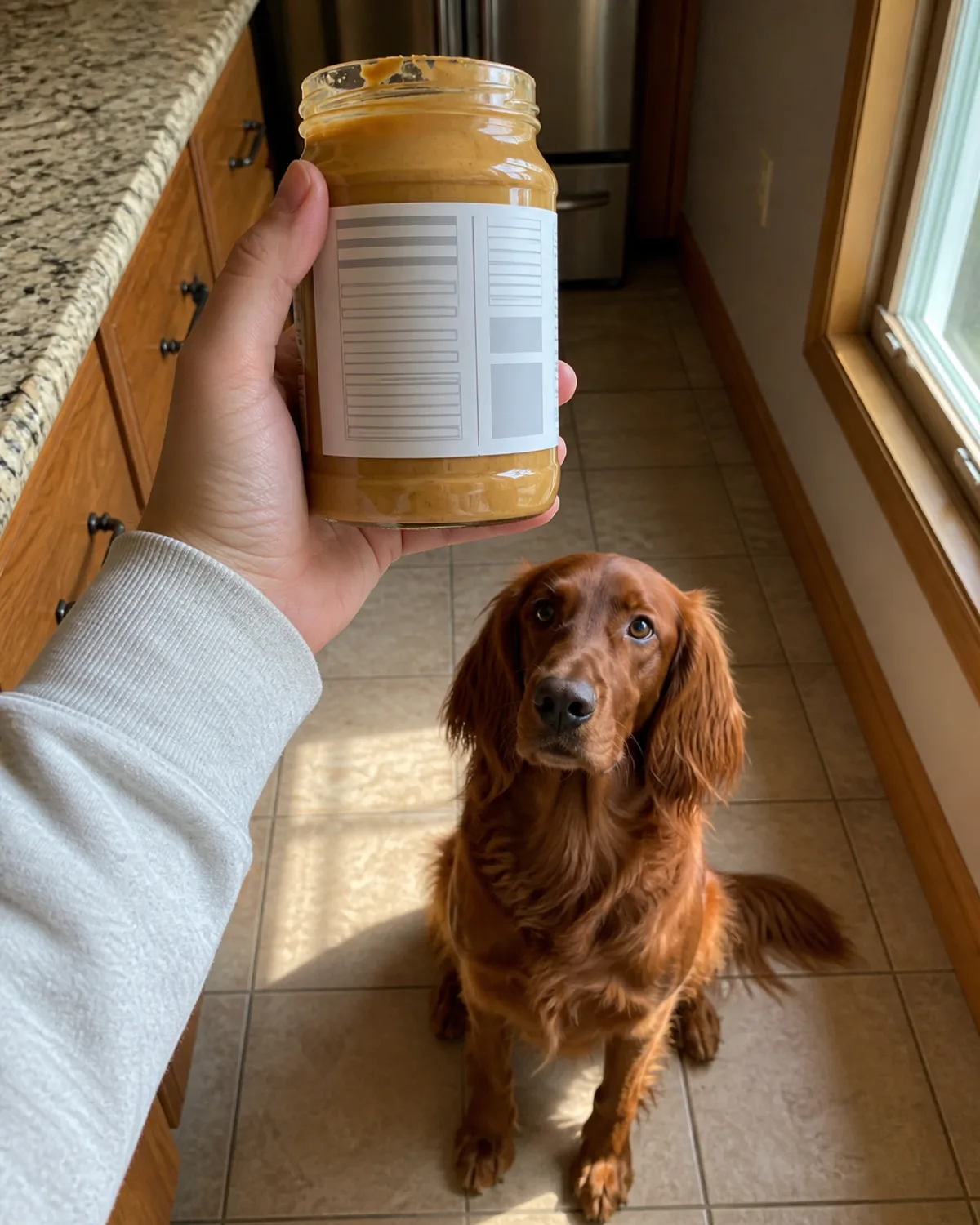
Xylitol is a sugar alcohol used as a low-calorie sweetener in hundreds of products. In dogs, it triggers a massive insulin release that drops blood sugar to dangerous levels within 10 to 60 minutes.
At higher doses, xylitol causes liver failure. The mechanism is not fully understood, but the outcome is well documented.
- Peanut butter is the most common accidental source, so always check the label before sharing any with your dog
- Sugar-free gum, mints, candy, and baked goods often contain xylitol
- Some toothpastes, vitamins, and medications use it as a sweetener
Even a small amount can be fatal for a small dog. A single piece of sugar-free gum containing xylitol can kill a 10-pound dog.
Symptoms come on fast. Weakness, staggering, collapse, and seizures. If you suspect xylitol ingestion, skip the internet research and drive to the nearest emergency vet.
5. Avocado
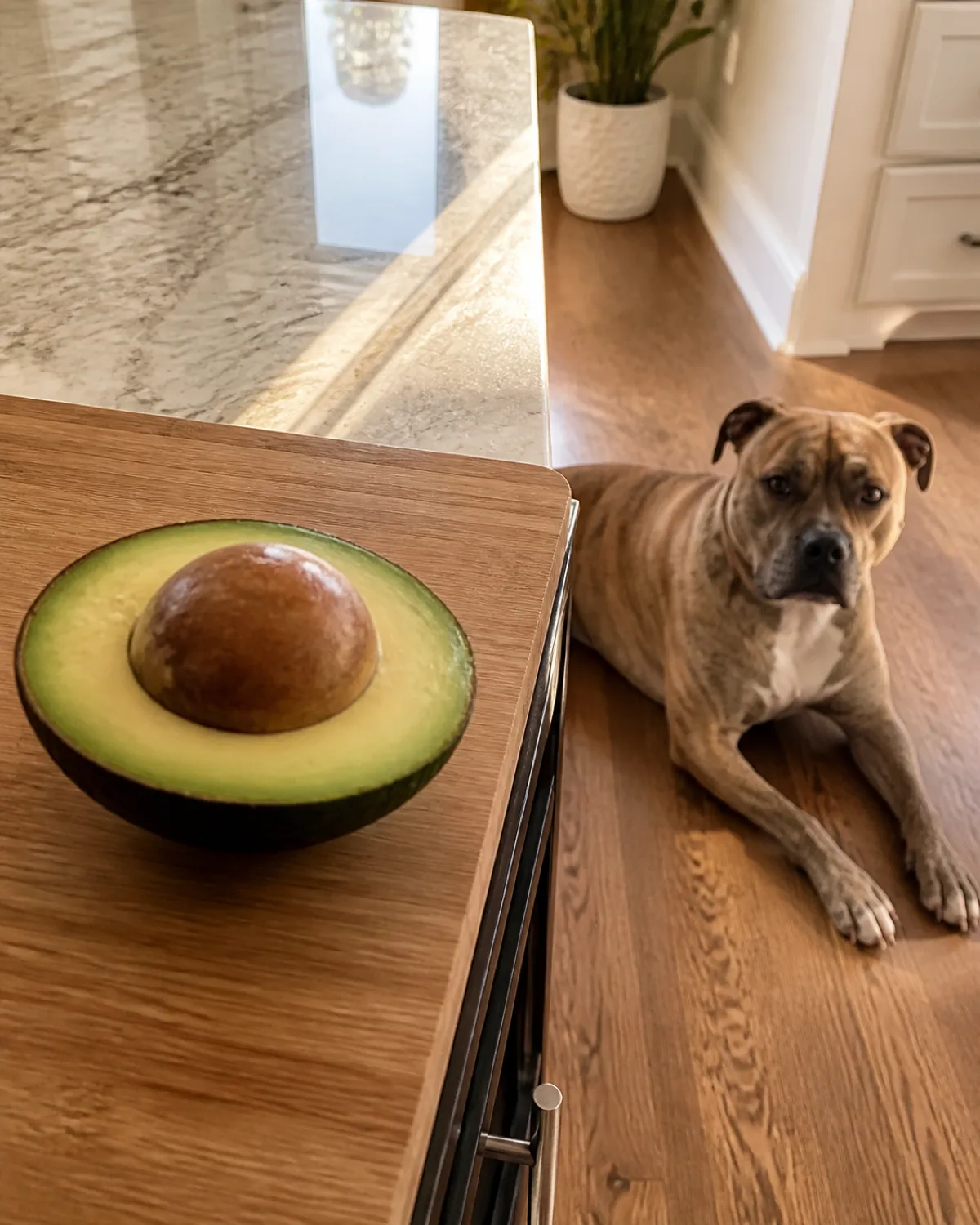
The avocado conversation is more nuanced than most toxic-food lists admit. The flesh contains very low levels of persin, a fungicidal toxin. The skin, pit, and leaves contain much more.
For dogs, the practical dangers are not about persin poisoning. They are about the pit and the fat content.
The pit is a perfect size to lodge in a dog's esophagus or intestine, creating a life-threatening obstruction. The high fat content of avocado flesh, especially in large amounts, can trigger pancreatitis in dogs prone to the condition.
- A small lick of guacamole is unlikely to cause harm
- Half an avocado fed regularly is a pancreatitis risk
- A swallowed pit is a surgical emergency
The sensible position is to keep avocados away from your dog, not because a molecule of persin will kill them, but because the pit risk is real and the fat load is unnecessary.
If you leave your puppy home alone during the day, make sure all countertop food is stored in closed cabinets or pushed well out of jumping range before you walk out the door.
6. Macadamia Nuts

Macadamia nuts are uniquely toxic to dogs, and researchers still do not know exactly why. The toxic mechanism has not been identified despite decades of documented cases.
What has been identified is a consistent set of symptoms that typically appear within 12 hours of ingestion.
- Hind-leg weakness or inability to stand is the signature symptom
- Vomiting, fever, and tremors are common
- Most dogs recover within 48 hours with supportive care
The danger escalates significantly when macadamia nuts are combined with chocolate, which is exactly how they show up in many baked goods and trail mixes. The two toxins compound each other.
Other nuts, including almonds, pecans, and walnuts, are not toxic in the same way but can still cause pancreatitis due to their high fat content and pose choking or obstruction hazards.
7. Cooked Bones
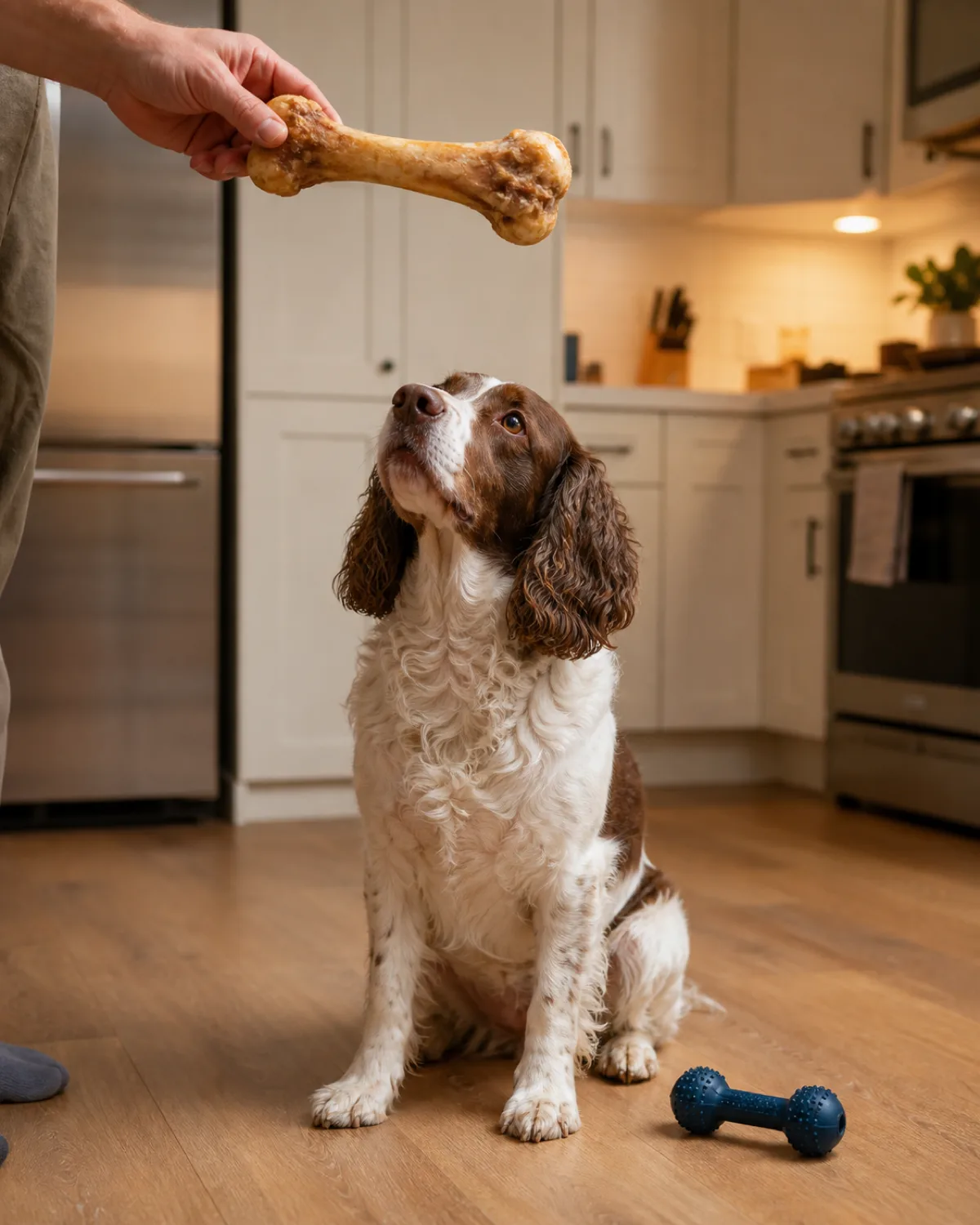
The distinction that matters here is between raw and cooked, not between bones and no bones.
Raw bones are relatively pliable and tend to crush rather than shatter. Cooked bones, especially chicken and turkey bones, become brittle. When they break, they splinter into sharp fragments that can puncture the esophagus, stomach, or intestinal wall.
A perforated intestine causes peritonitis, a life-threatening infection that requires emergency surgery.
- Chicken wing and leg bones are the most common culprits
- Rib bones and T-bones from the grill shatter the same way
- Smoked and dried bones sold as treats can also splinter, depending on how they were processed
If your dog swallows a cooked bone, watch for drooling, gagging, bloody stool, straining to defecate, or loss of appetite. Any of those signs warrant an immediate vet call.
The safe alternative for dogs that love to chew is a raw, appropriately sized bone from a butcher, or a veterinary-approved dental chew.
8. Alcohol

Dogs are affected by alcohol in the same ways humans are, but at a fraction of the dose. A 50-pound dog can show symptoms from an amount of beer that would barely register in a 150-pound person.
The sources go beyond obvious drinks.
- Bread dough that uses yeast produces alcohol as it ferments (see idea 10 for why raw dough is a double threat)
- Rum-soaked fruitcake, beer-battered anything, and wine sauces retain enough alcohol to affect a small dog
- Hand sanitizer, mouthwash, and perfume contain ethanol or isopropanol
Symptoms progress from disorientation and vomiting to slow breathing, hypothermia, and coma. Small dogs are at highest risk because their body weight leaves almost no margin.
If your dog laps up a spilled cocktail at a party, call your vet. If they get into a bottle or a pan of rising dough, go to the emergency clinic.
Save this list
10 Foods to Keep Away from Your Dog
- 1ChocolateTheobromine toxicity. Dark and baking chocolate are the most dangerous. Call your vet with the type and amount.
- 2GrapesKidney failure risk with no safe dose. Any amount of grapes, raisins, or currants warrants an immediate vet call.
- 3AlliumsOnions, garlic, leeks, and chives destroy red blood cells. Cooked or powdered forms are equally toxic.
- 4XylitolFound in sugar-free gum and some peanut butters. Causes rapid insulin spike and liver failure. Tiny amounts can be fatal.
- 5AvocadoThe pit is a choking and obstruction hazard. High fat content triggers pancreatitis. Keep whole avocados out of reach.
- 6Macadamia nutsCauses hind-leg weakness, vomiting, and fever. Worse when combined with chocolate. Most dogs recover in 48 hours with vet care.
- 7Cooked bonesSplinter into sharp fragments that can puncture the intestinal wall. Offer raw bones or vet-approved dental chews instead.
- 8AlcoholDogs are affected at a fraction of the human dose. Sources include rising dough, rum cake, and mouthwash.
- 9CaffeineCoffee grounds, tea bags, energy drinks, and caffeine pills overstimulate the heart. No antidote exists.
- 10Raw doughYeast ferments inside the stomach, causing bloating and alcohol poisoning simultaneously. Call your vet immediately.
9. Caffeine
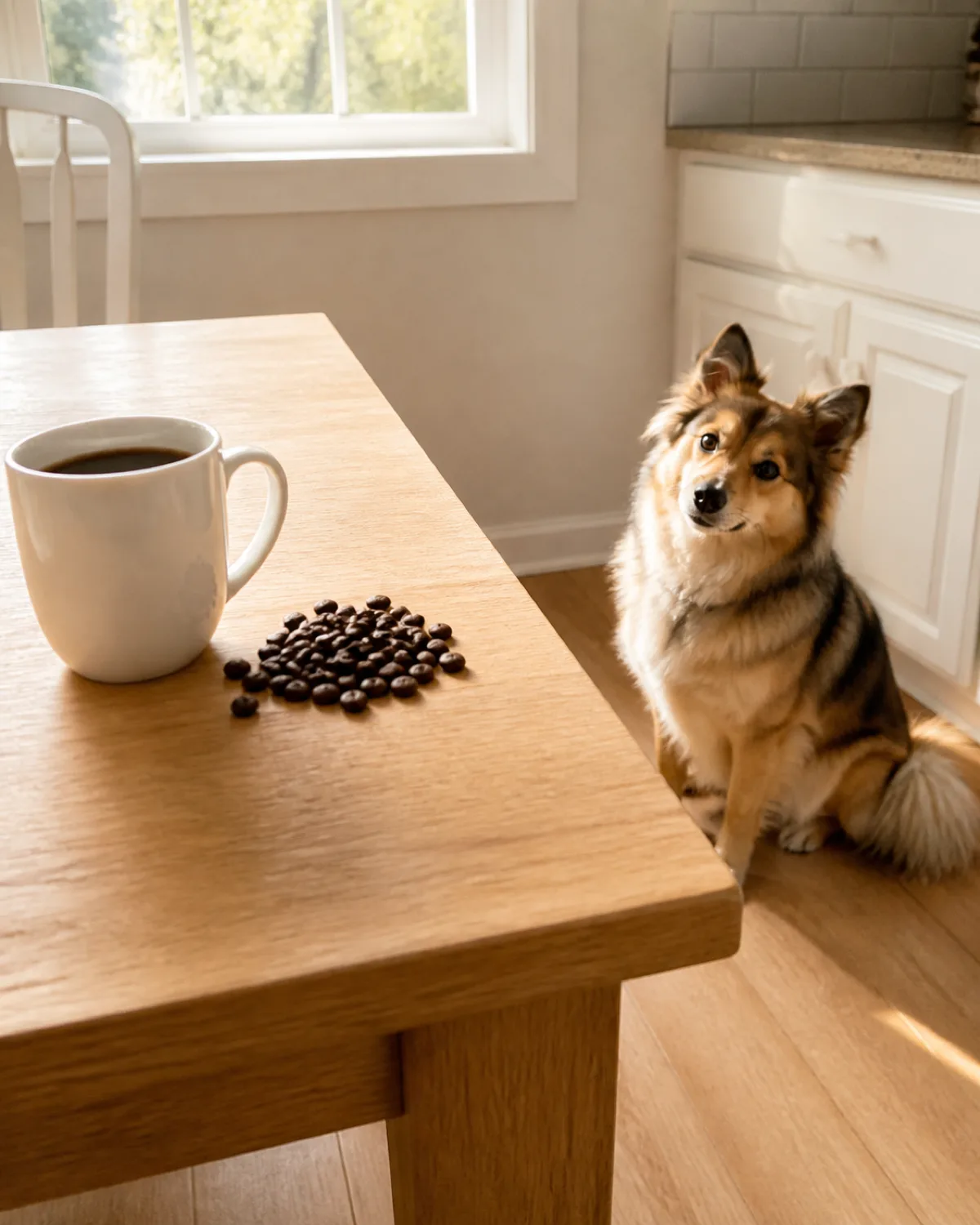
Caffeine belongs to the same chemical family as theobromine, the compound that makes chocolate dangerous. In dogs, it overstimulates the heart and nervous system at doses far lower than what affects a human.
The most dangerous sources are not coffee itself but the concentrated forms people leave accessible.
- Coffee grounds and used K-Cup pods sitting in an open trash can
- Tea bags, especially after steeping when they are soggy and easy to chew
- Energy drinks, pre-workout supplements, and caffeine pills
- Diet pills and certain over-the-counter medications
A few laps of cold coffee from an abandoned mug are unlikely to cause more than mild restlessness. A dog that chews open a bag of coffee beans or eats several caffeine pills is in serious danger.
Symptoms mirror chocolate toxicity. Hyperactivity, rapid heartbeat, panting, tremors, and in severe cases seizures and collapse. There is no antidote, so treatment is supportive care and decontamination if caught early.
10. Raw Yeast Dough
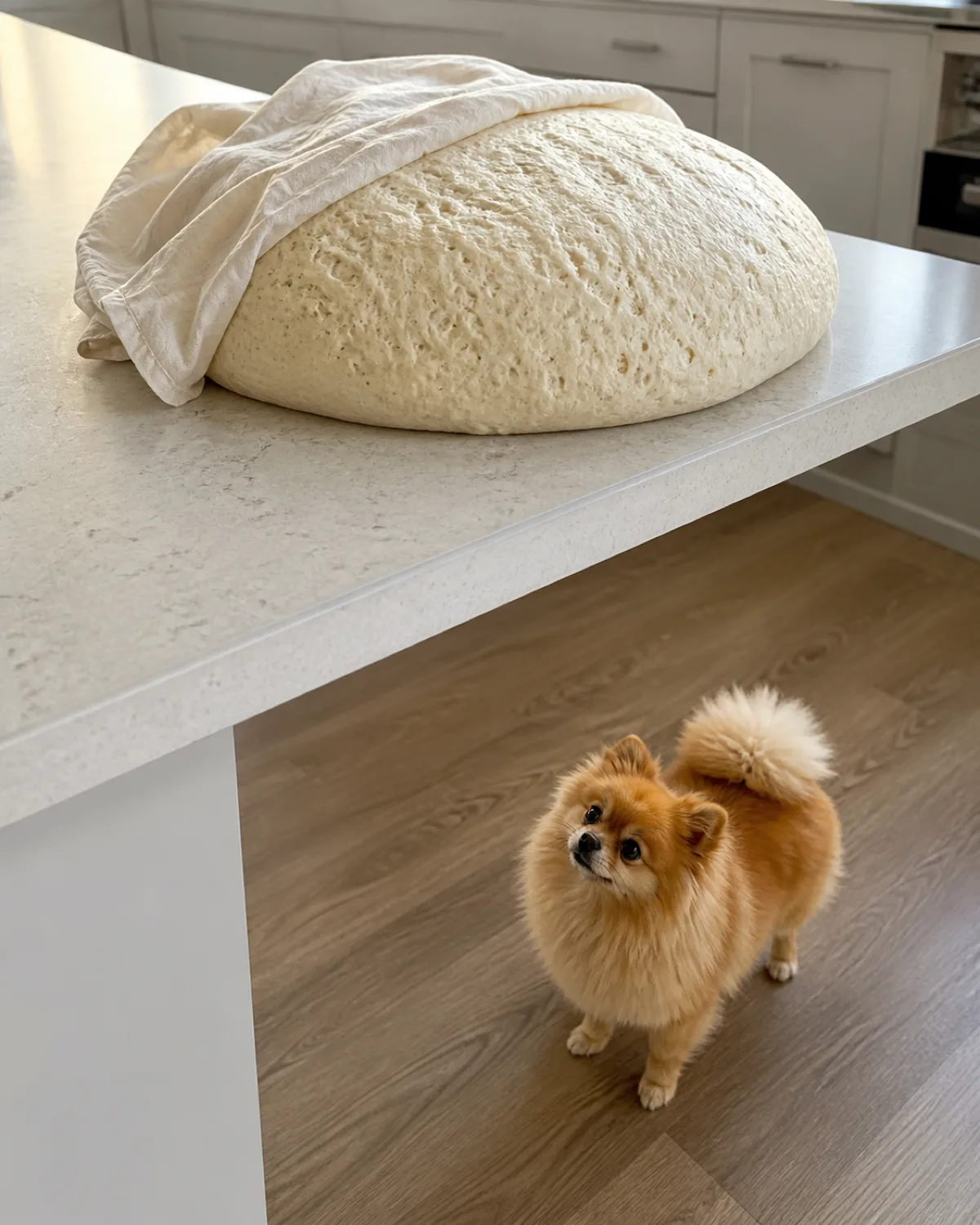
Raw bread dough that contains active yeast is a two-part hazard. The warm, moist environment of a dog's stomach is exactly what yeast needs to keep fermenting, and it does.
The first problem is physical. The dough expands inside the stomach, causing painful bloating and, in severe cases, gastric dilatation that can twist the stomach, a condition called GDV that requires emergency surgery.
The second problem is chemical. Fermentation produces ethanol. The dog essentially brews beer in its own stomach. Alcohol poisoning symptoms layer on top of the bloating.
- A risen but unbaked loaf left on the counter to proof is the classic scenario
- Pizza dough, cinnamon rolls, and any yeasted batter carry the same risk
- The expansion can happen faster than you expect, within 30 minutes in some cases
If your dog eats raw dough, do not wait to see if symptoms develop. The dough is already rising. Call your vet immediately and head to the clinic.
Keep dough proofing in the oven with only the light on and the door closed, or inside the microwave. Anywhere your dog cannot reach.
Every one of these foods is something most kitchens have within a dog's reach right now. The good news is that keeping your dog safe does not require memorizing a chemistry textbook. It takes a locked trash can, a habit of reading ingredient labels, and the ASPCA Poison Control number saved in your phone.
The foods your dog can eat safely are far more numerous than the ones on this list. Once you know what to avoid, sharing your kitchen with a dog gets a lot less stressful.
Common questions
FAQ
What should I do if my dog ate something and I am not sure whether it is toxic?
Call your vet or the ASPCA Poison Control line at 888-426-4435. They can assess the risk based on your dog's weight, what was eaten, and how much. Waiting to see if symptoms appear costs time you may not have with fast-acting toxins like xylitol.
Are small amounts of chocolate really dangerous?
It depends on the type. A single milk-chocolate chip is unlikely to cause harm in a medium or large dog. A few ounces of dark chocolate or baking cocoa is a genuine emergency for any size dog. The dose and the cocoa concentration both matter.
Can dogs eat any human food safely?
Yes. Plain cooked chicken, carrots, blueberries, plain pumpkin, and many other whole foods are safe and even beneficial in moderation. The key is knowing which specific foods to avoid and always checking ingredient labels for hidden xylitol, onion powder, or garlic powder before sharing anything from your plate.
Is garlic really toxic to dogs or is that a myth?
Garlic is genuinely toxic to dogs. It is roughly five times more potent than onions at destroying red blood cells. The damage is cumulative, so even small daily amounts can build up. Some older sources recommend garlic as a flea repellent, but veterinary consensus is clear against feeding it to dogs in any form.
Should I keep hydrogen peroxide at home to make my dog vomit in an emergency?
Only use hydrogen peroxide to induce vomiting if a veterinarian specifically instructs you to do so for that particular substance. Some toxins, like caustic chemicals or sharp objects, cause more damage on the way back up. Call your vet first every time.

Written by Jess Calloway
Dog mom to three very different dogs. Every guide on Pawliqa is based on real experience, veterinary guidance, and way too many hours reading ingredient labels. More about Jess