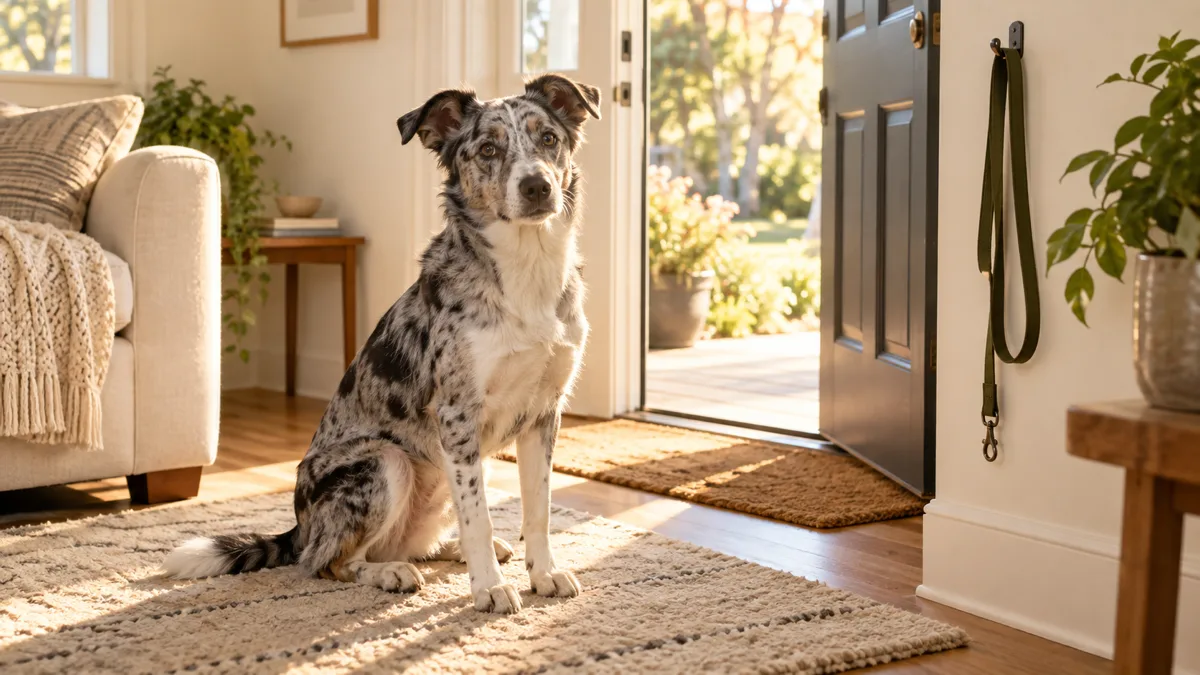
I brought my first puppy home at eight weeks old and had no clue how often to feed her. The breeder said four times a day, the internet said three, and the bag of food had a chart that made no sense for a puppy that weighed less than a loaf of bread.
Turns out there is a clear schedule that changes as your puppy grows, and once you learn the pattern it removes the guesswork from every single meal.
Here are fourteen rules for building a puppy feeding schedule that carries you from eight weeks through the first year.
Jump to a feeding rule
14 rules for your puppy feeding schedule
From four meals a day at eight weeks to two meals by six months, plus portion sizing, food transitions, treat budgets, and the warning signs. Jump to the rule you need right now.
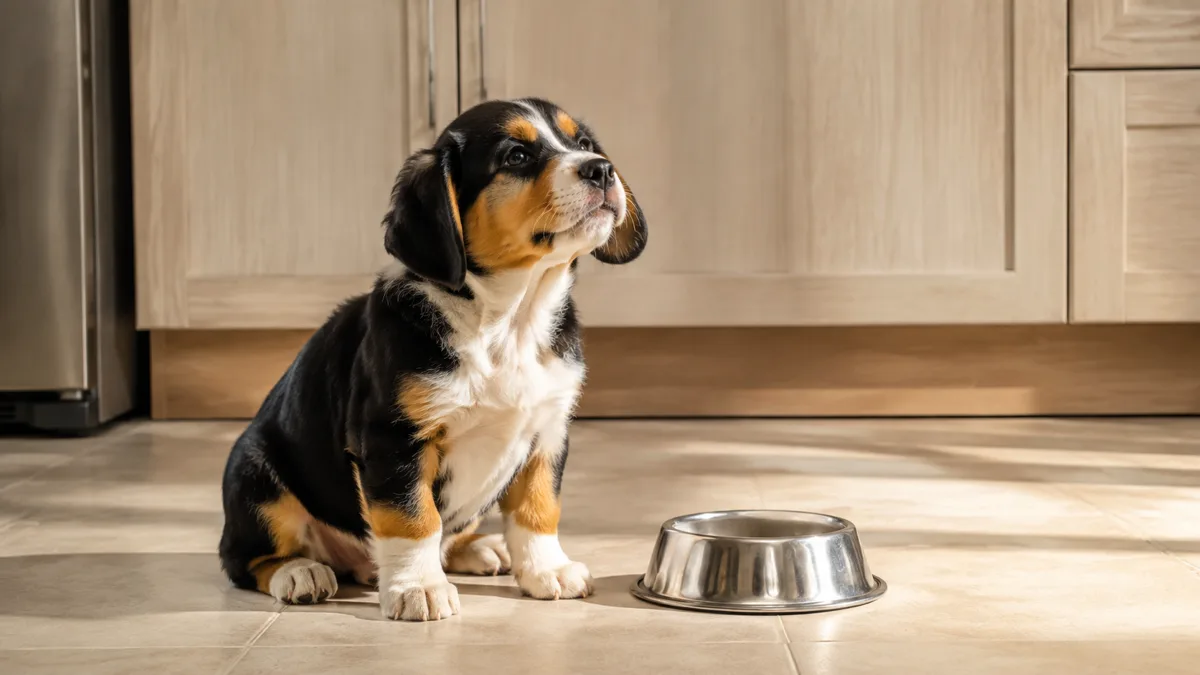
A puppy between eight and twelve weeks old needs four meals spread across the day. Their stomach is tiny and their metabolism is running at full speed, so smaller portions more often keep blood sugar steady and prevent the crash-and-spike pattern that makes puppies irritable.
Split the daily total into four even portions and space them roughly four hours apart. A typical schedule looks like seven in the morning, eleven, three in the afternoon, and seven in the evening.
Start each meal at the same time every day so your puppy begins anticipating when food is coming
Keep the last meal at least two hours before bedtime so there is time for a final potty trip
If your puppy walks away from the bowl partway through, that portion size might be slightly too large for one sitting
Four meals a day sounds like a lot of feeding, but this phase only lasts about a month. Your puppy is doubling in size during these weeks, and that growth demands consistent fuel.
2. Drop to Three Meals Between Three and Six Months
Once your puppy passes twelve weeks, their stomach can handle a bigger volume per meal. Drop from four meals to three by combining the midday meals into one and redistributing the daily total across morning, midday, and evening.
The transition should be gradual. Start by pushing the second and third meals thirty minutes closer together over a week until they merge naturally. Most puppies handle this without any digestive upset.
Morning around seven, midday around noon, and evening around six gives even spacing across waking hours
The total daily amount stays the same as before, just divided into three bowls instead of four
Watch your puppy's energy after the switch and make sure they are not getting sluggish between meals
This three-meal window is the longest single phase in the first year. Your puppy will grow the most during these months, so keep weighing them every two weeks and adjusting portions to match.
3. Switch to Two Meals After Six Months
After six months most puppies are ready for two meals a day, which is the schedule they will follow for the rest of their life. Drop the midday meal and split the daily total evenly between morning and evening.
Some puppies make this transition at six months, others closer to eight. Watch whether your puppy finishes the midday meal with enthusiasm or picks at it halfheartedly. A puppy that regularly leaves food in the midday bowl is telling you they are ready for two meals.
Morning meal around seven and evening meal around six keeps a gap of about eleven hours during the day and thirteen overnight
The overnight gap is fine because puppies naturally slow their metabolism during sleep
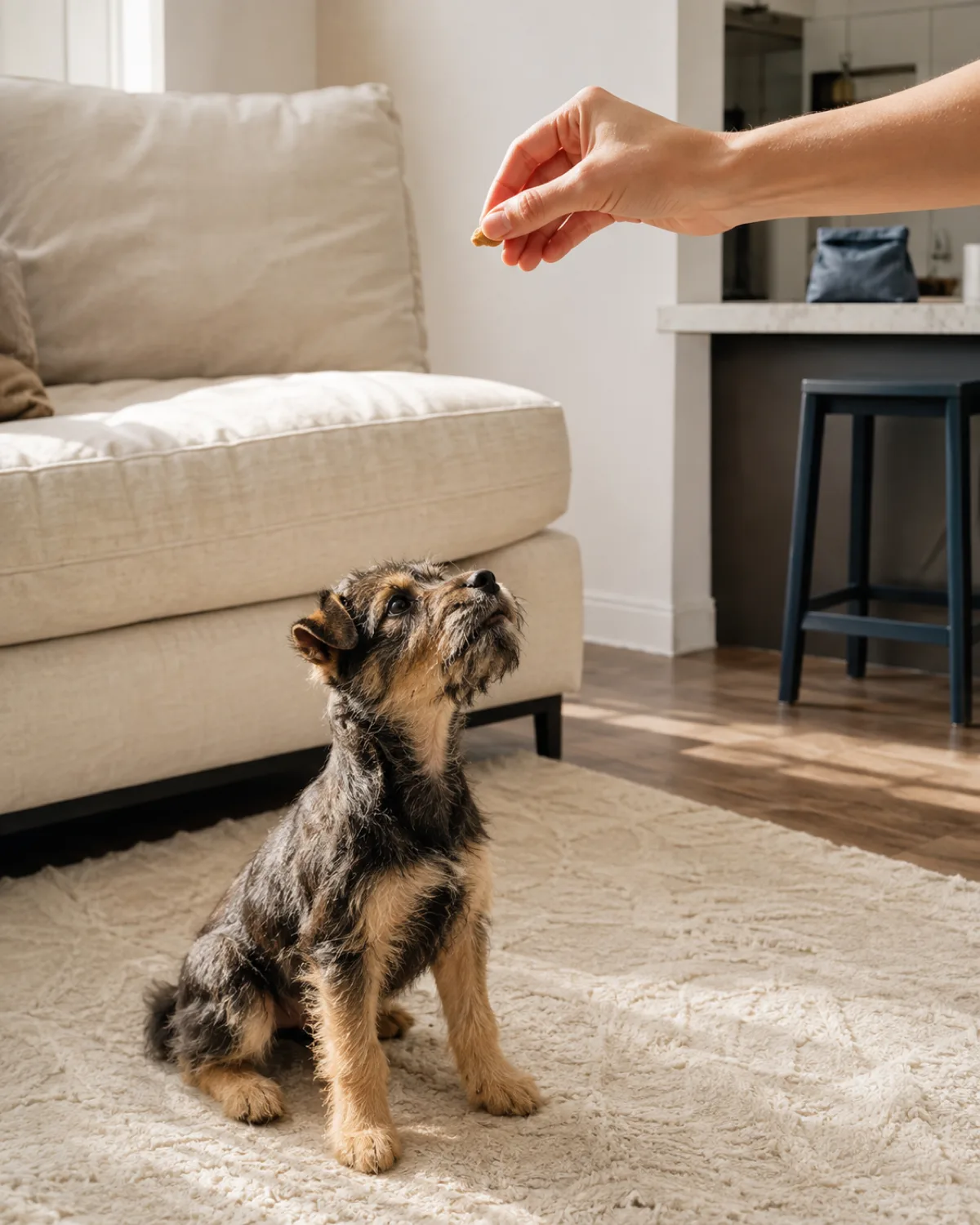
If your puppy seems hungry in the middle of the day during the first week, offer a small training treat or a piece of carrot as a bridge
Two meals a day is the adult pattern. Once your puppy settles into it, the feeding schedule stays stable for years.
4. How to Measure the Right Portion Size
The feeding chart on the bag of puppy food gives a starting point, but it is a general estimate based on expected adult weight. Your specific puppy might need ten to fifteen percent more or less depending on their activity level and growth rate.
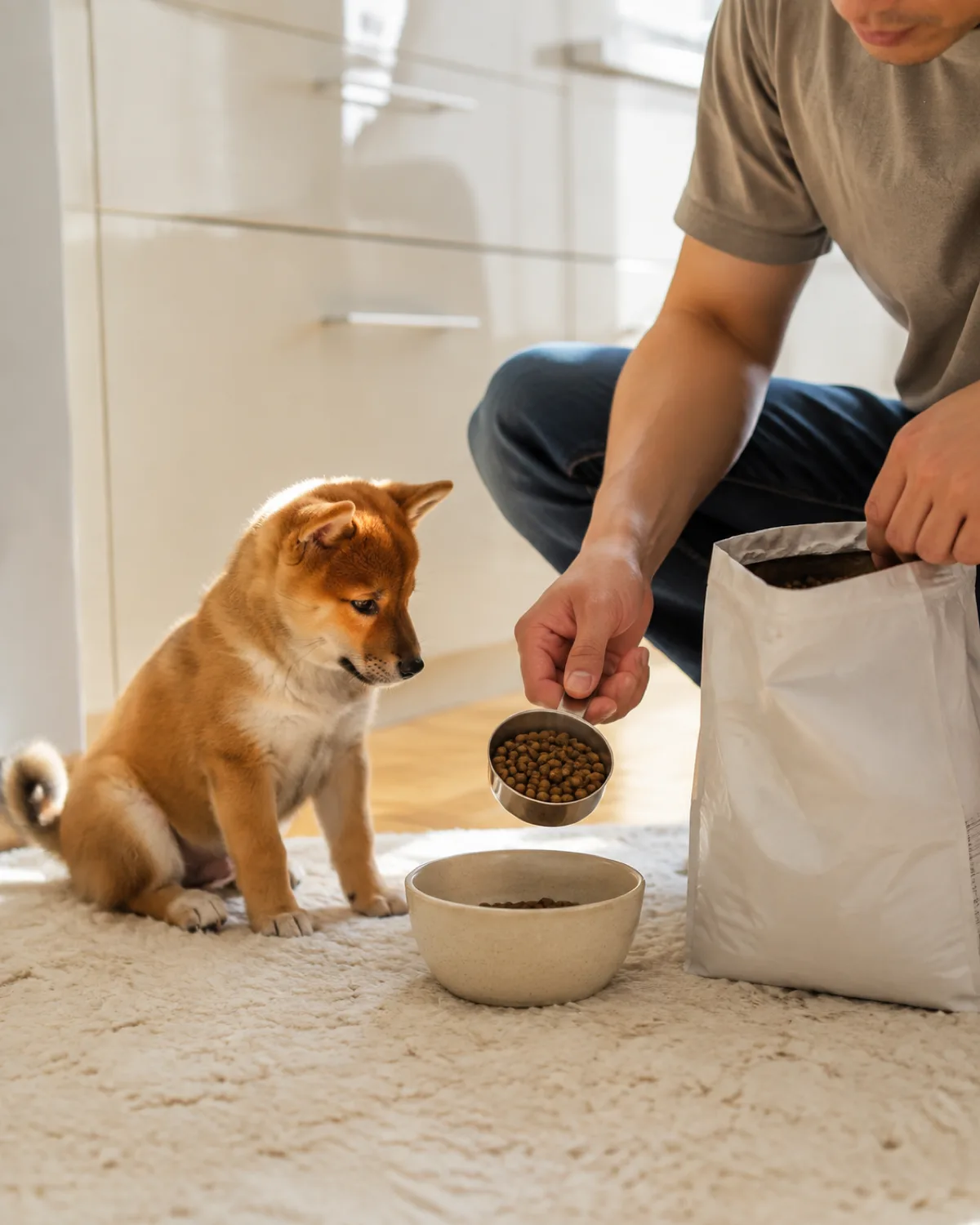
Use a standard dry measuring cup rather than eyeballing. A quarter-cup difference at each meal adds up to a full extra meal over the course of a week, which compounds into weight gain or nutritional gaps over months.
Find your puppy's expected adult weight range from your vet or the breed standard, then locate that row on the food bag chart
Divide the recommended daily total by the number of meals your puppy eats at their current age
Weigh your puppy every two weeks and shift portions up or down by ten percent based on whether they are tracking the growth curve
Getting portions right early prevents two problems at once. Too much food at this age puts pressure on developing joints. Too little slows growth and leaves your puppy low on energy for all the learning they need to do. If you want a deeper look at puppy nutrition basics, the guide on how to feed a puppy covers food types, ingredient labels, and wet versus dry in detail.
Match the schedule to your puppy's current age
How many meals does your puppy need right now?
8 to 12 weeksFour meals spaced four hours apart. Tiny stomach, high metabolism, steady fuel all day.
3 to 6 monthsThree meals with the total daily amount redistributed. Merge the two midday portions over a week.
6 to 12 monthsTwo meals morning and evening. This is the adult pattern your dog will keep for life.
Not sure?If your puppy leaves food regularly at a meal, they may be ready to drop that meal and redistribute the calories.
5. Set Consistent Meal Times and Stick to Them
Puppies thrive on predictability. Feeding at the same times each day trains their digestive system to expect food, which improves nutrient absorption and makes potty timing more predictable too.
A predictable feeding schedule is one of the fastest ways to create a daily routine for your puppy. When your puppy knows food arrives at seven, noon, and six, they stop stress-begging between meals because they trust the pattern.
Set three or four alarms on your phone for the first two weeks until feeding times become automatic
Keep weekday and weekend schedules within thirty minutes of each other to avoid confusing your puppy
If your work schedule shifts, move meal times in fifteen-minute increments over several days rather than jumping by hours
Consistency matters more than the specific times you choose. A puppy fed at six, noon, and six is no better off than one fed at seven, one, and seven. Pick times that work with your life and protect them.
6. Why Free Feeding Causes Problems
Free feeding means leaving a full bowl of food out all day for your puppy to graze whenever they want. It works for some adult dogs with natural self-regulation, but it almost always backfires with puppies.
Puppies do not know when to stop eating. Free feeding removes the structure that teaches them meals have a beginning and an end, which leads to overeating and unpredictable potty schedules that make house training harder.
You lose the ability to monitor intake, which means you cannot tell if your puppy skipped a meal because of illness or because they grazed earlier
Kibble sitting in a bowl all day attracts bugs and loses freshness, especially in warm weather
Free feeding also weakens food motivation, which makes treat-based training less effective
Scheduled meals are a training tool disguised as a feeding habit. When food appears at set times, your puppy learns patience, anticipation, and the connection between your actions and their reward.
7. Pick Up the Bowl After Fifteen Minutes
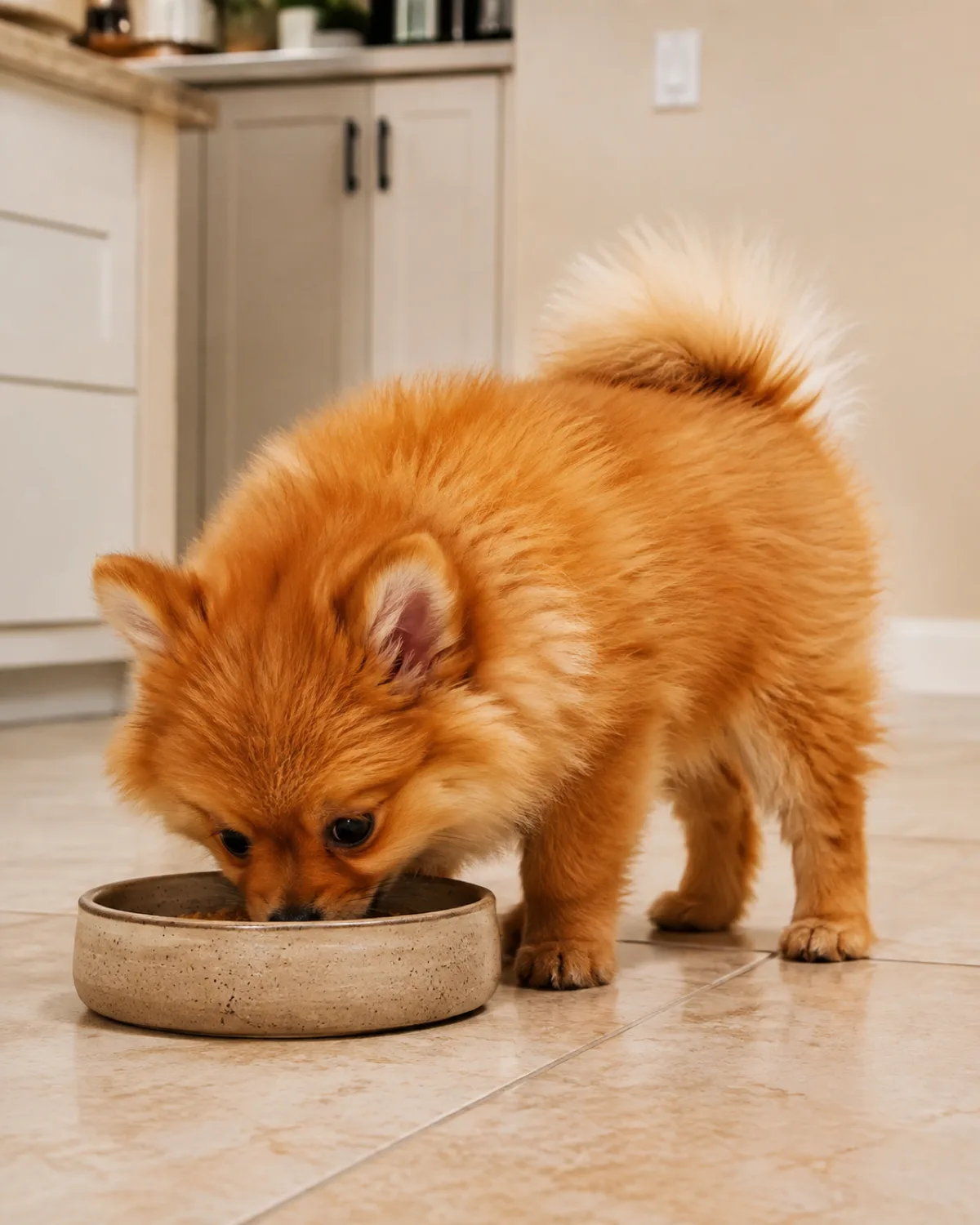
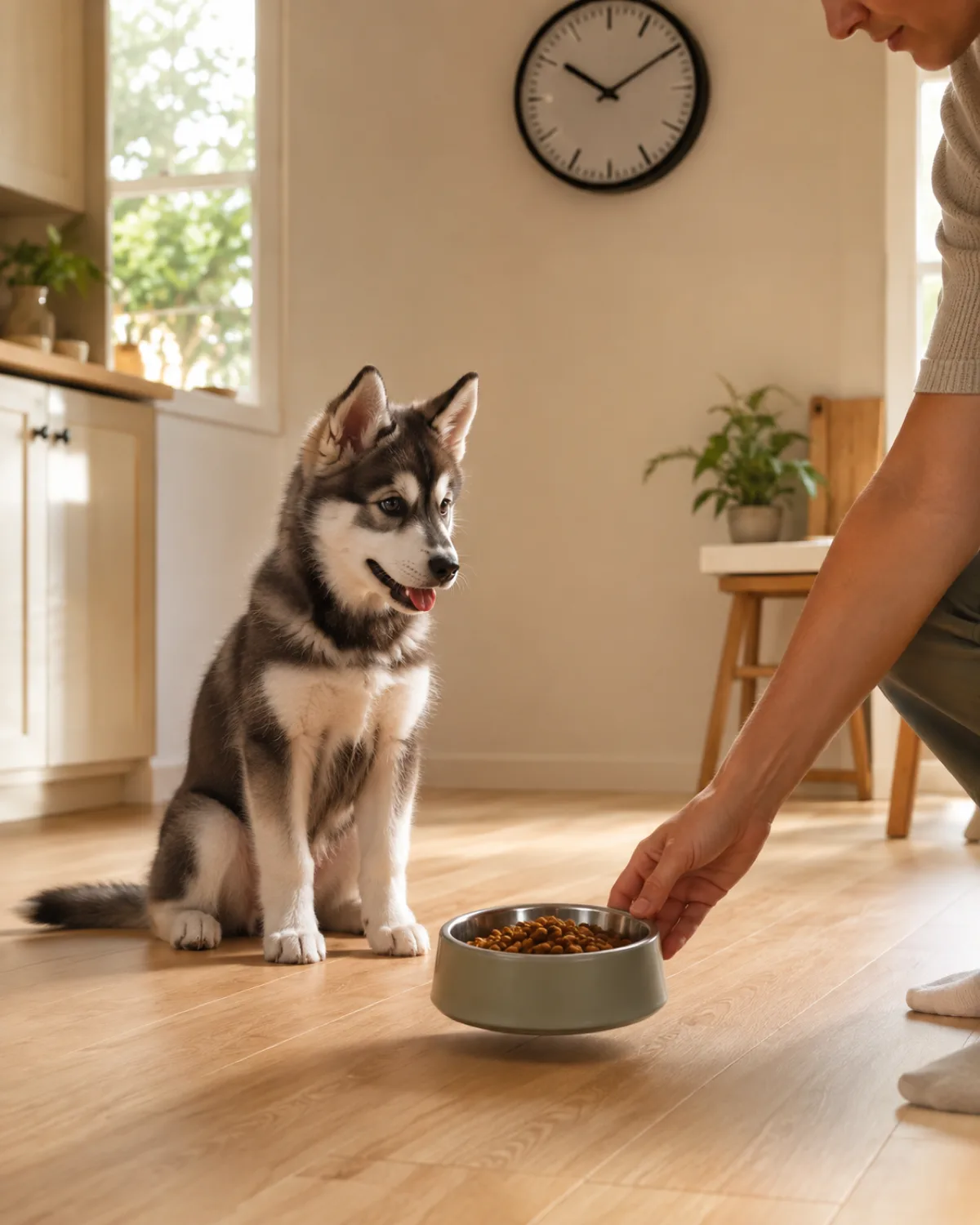
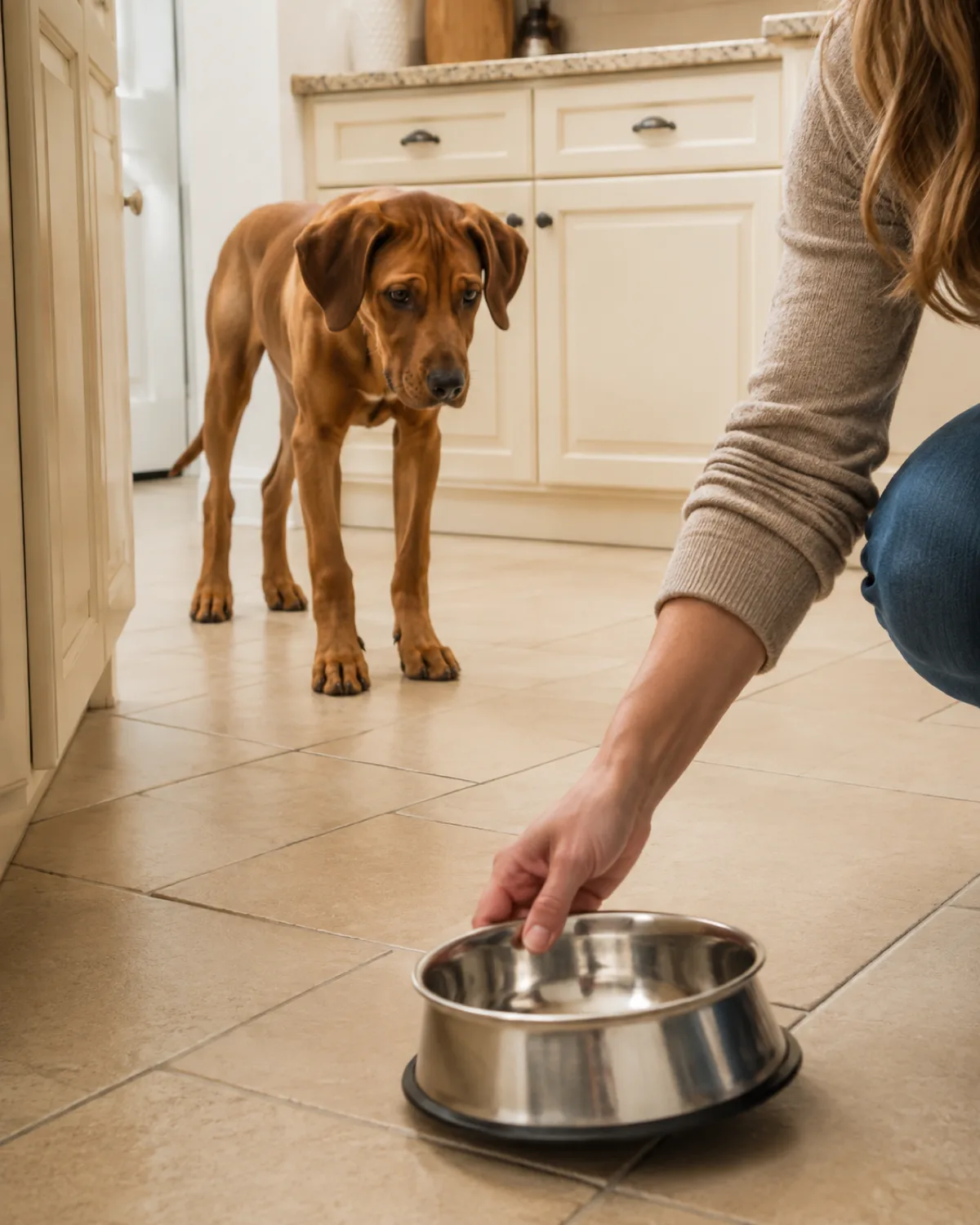
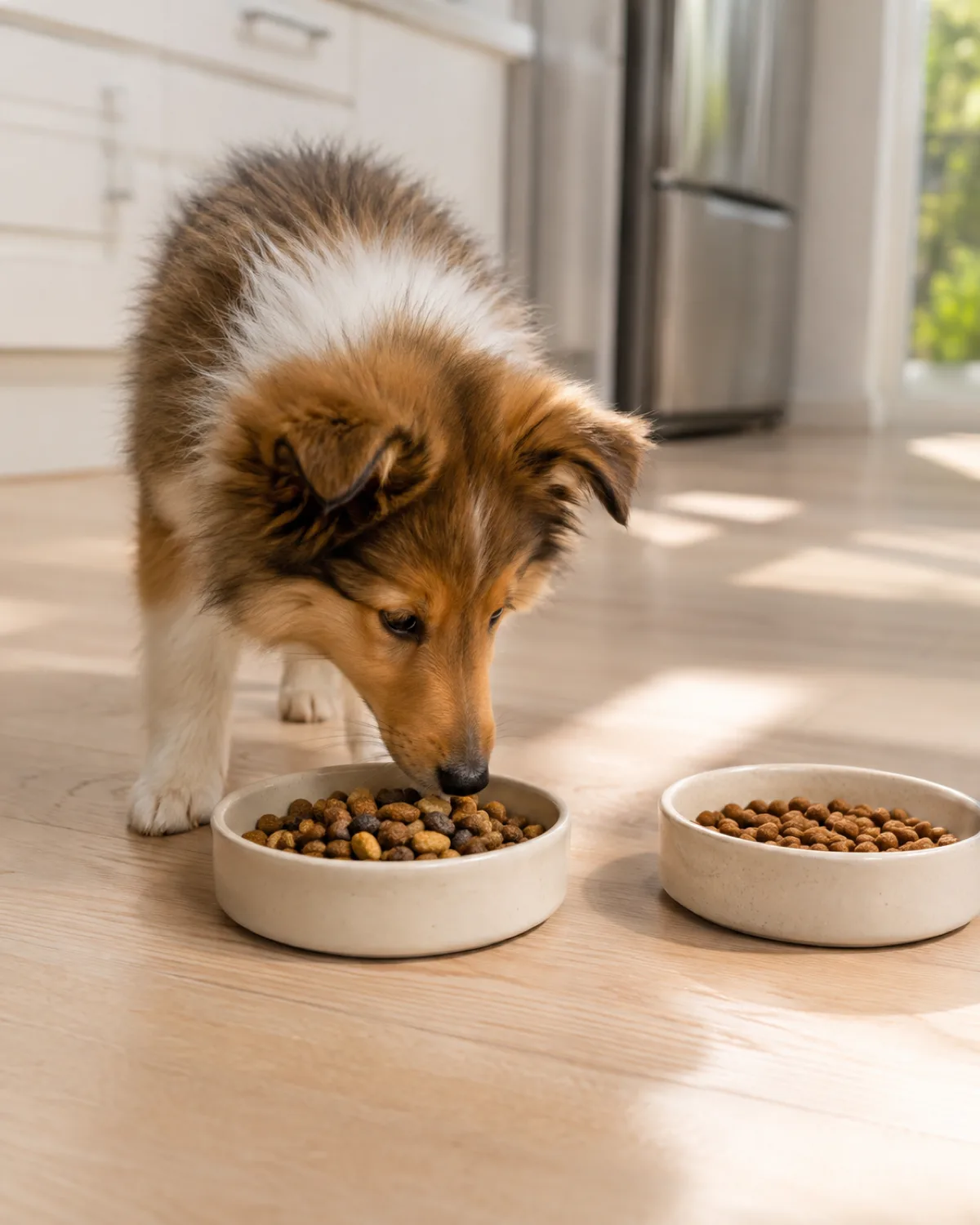
Put the bowl down at meal time and pick it up fifteen minutes later whether your puppy finished or not. This teaches your puppy that meals have a window and food does not wait around.
Most puppies finish in three to five minutes. If yours consistently walks away after a few bites and comes back ten minutes later, the fifteen-minute rule helps tighten that habit into a single focused sitting.
Do not add extra food to the next meal to compensate for what was left behind, because that teaches skipping now and overeating later
A healthy puppy that misses one meal will eat with full enthusiasm at the next one
If your puppy leaves food for two or more consecutive meals, check with your vet to rule out illness before assuming it is behavioral
The fifteen-minute rule sounds strict, but it eliminates picky eating before it starts. Puppies that learn food is always available become selective eaters. Puppies that learn food disappears become enthusiastic ones.
Four feeding principles that prevent most puppy mealtime problems
The mealtime system
Same time, every daySet feeding times within a thirty-minute window and protect them on weekdays and weekends alike.
Measure, do not guessUse a dry measuring cup at every meal. A quarter-cup error compounds into a full extra meal each week.
Pick up at fifteenRemove the bowl after fifteen minutes. Leftover food does not roll over to the next meal.
Weigh every two weeksTrack your puppy's weight and adjust portions by ten percent up or down to stay on the growth curve.
8. Adjust Portions as Your Puppy Gains Weight
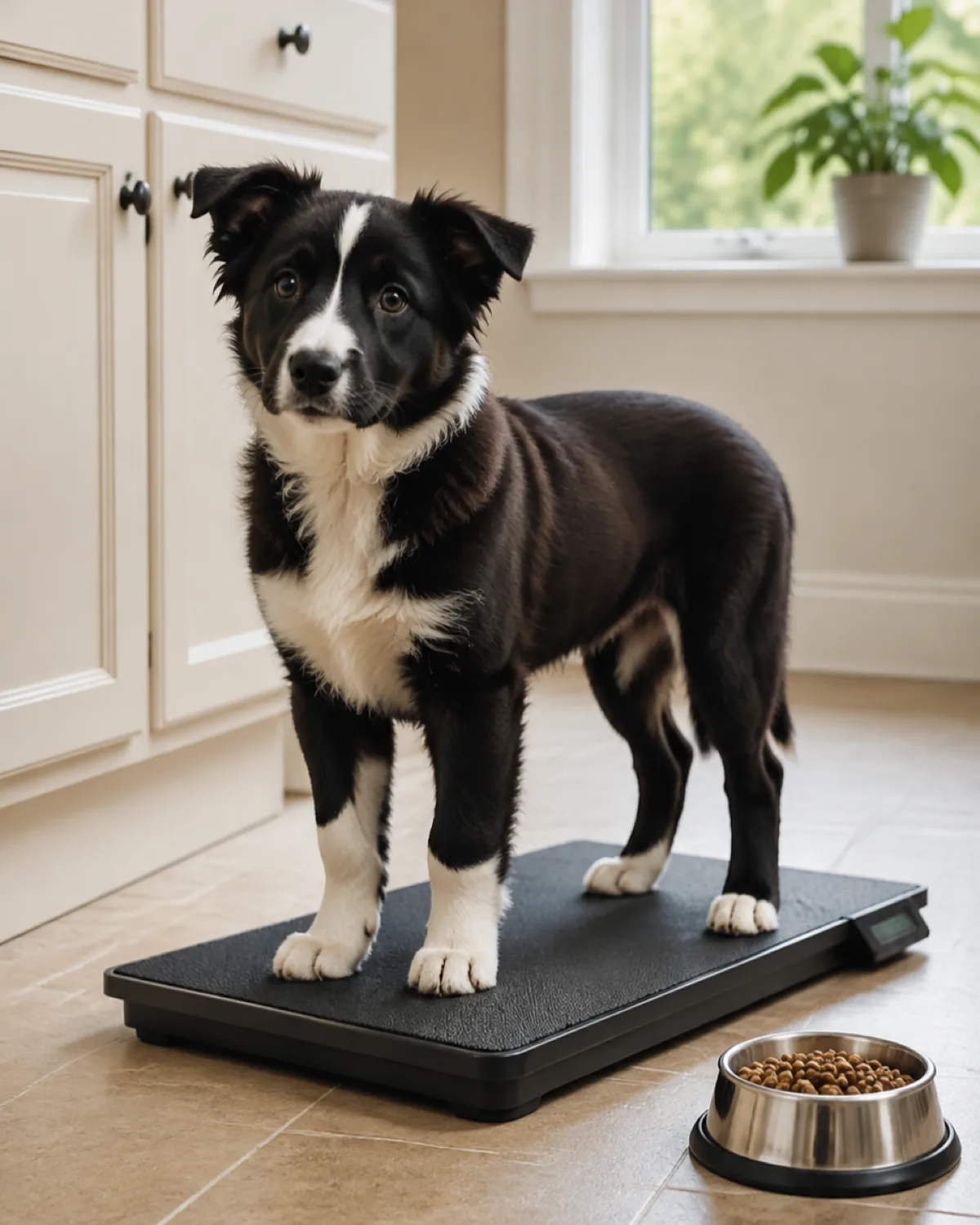
The portion your puppy needed at ten weeks is too small at sixteen weeks. Growth is not linear, and puppies go through spurts where they seem hungrier for a stretch and then level off. Weigh your puppy every two weeks on the same scale at the same time of day.
Use the weight to recalculate portions from the feeding chart on the bag. Most charts list ranges by weight, so when your puppy crosses into the next weight bracket, bump their daily amount up.
A kitchen scale works for small breeds under twenty pounds, or use a bathroom scale and hold-and-subtract for larger puppies
Note each weight in your phone so you can spot the pattern over months
Sudden weight jumps or plateaus that last more than three weeks deserve a vet check
Growth curves vary dramatically by expected adult size. A toy breed puppy might gain half a pound a week while a large breed puppy can gain two to three pounds in the same stretch. Matching portions to actual weight rather than guessing keeps both types on track.
9. When to Transition From Puppy Food to Adult Food
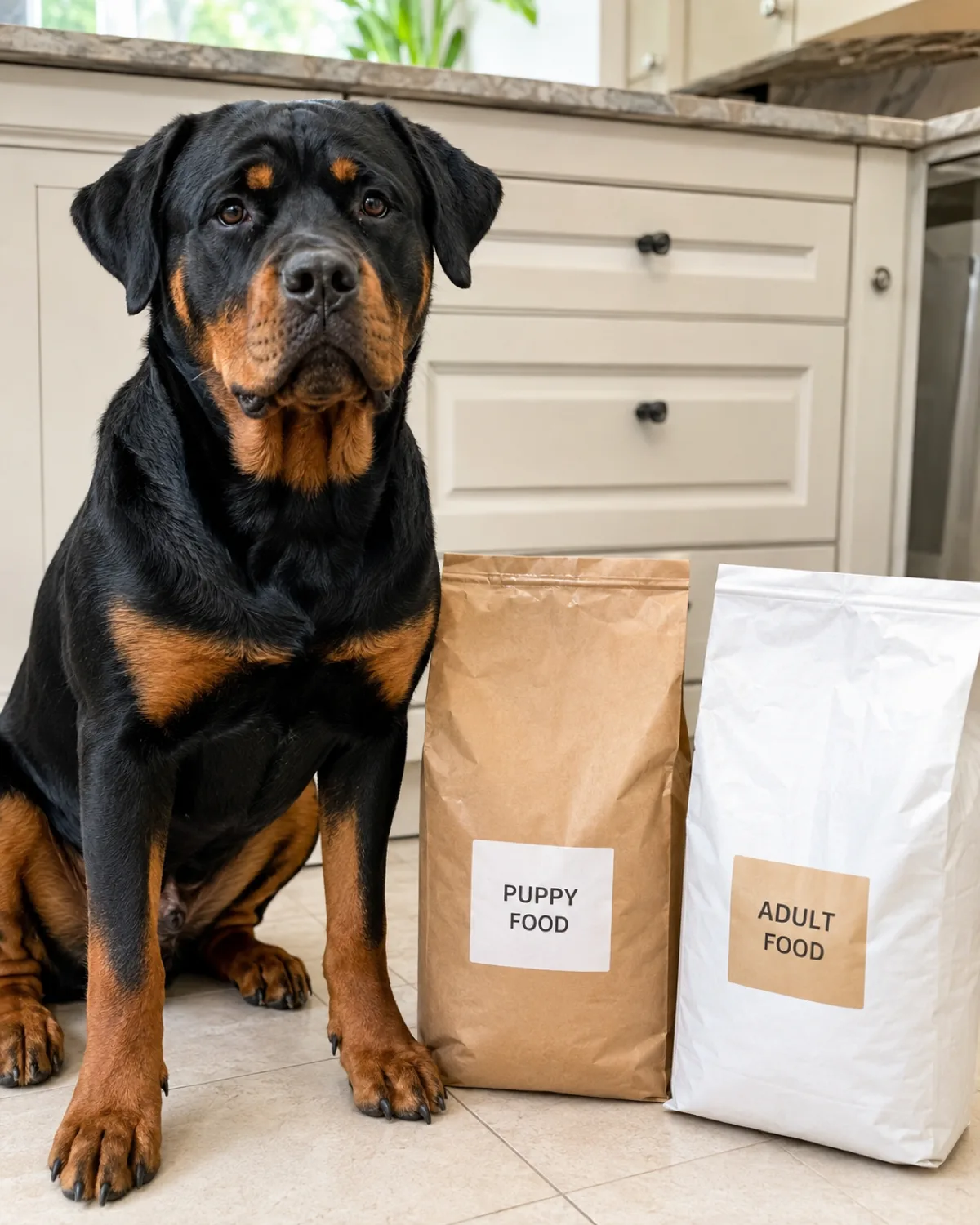
Puppy food has higher protein, fat, and calorie density than adult food because growing dogs need more of everything per pound of body weight. The switch to adult food happens when your puppy reaches their expected adult size, which varies by breed size.
Small breeds typically reach adult size between nine and twelve months. Medium breeds around twelve months. Large and giant breeds can keep growing until eighteen to twenty-four months and should stay on puppy food for that entire window.
Ask your vet at your next checkup when they think your specific puppy should switch based on growth-plate closure and current weight trajectory
Do not switch early to save money on the higher-priced puppy formula, because the nutritional density difference matters for bone and joint development
Some brands make all-life-stages food that covers both puppy and adult needs, which eliminates the transition entirely
Switching too early shortchanges your puppy's last growth phase. Switching too late adds unnecessary calories to a body that has stopped growing. Your vet is the best judge of timing for your individual dog.
10. How to Switch Foods Without Upsetting Their Stomach
A sudden food swap almost always causes loose stool, gas, or vomiting because your puppy's gut bacteria need time to adjust to the new protein and fiber sources. The standard transition takes seven to ten days.
Start by mixing seventy-five percent old food with twenty-five percent new food for the first two days. Move to fifty-fifty for two days, then seventy-five percent new for two days, then full new food.
Day
Old food
New food
1-2
75%
25%
3-4
50%
50%
5-6
25%
75%
7+
0%
100%
If you see soft stool at any step, hold that ratio for two extra days before moving forward
Keep fresh water available throughout the transition since new food may change thirst patterns
Avoid introducing new treats during the switch so you can isolate the cause if any digestive issue appears
The gradual approach applies whether you are switching brands, switching from puppy to adult food, or switching between protein sources within the same brand. Your puppy's gut does not care about the reason for the change, only the speed.
11. Fresh Water Should Be Available All Day
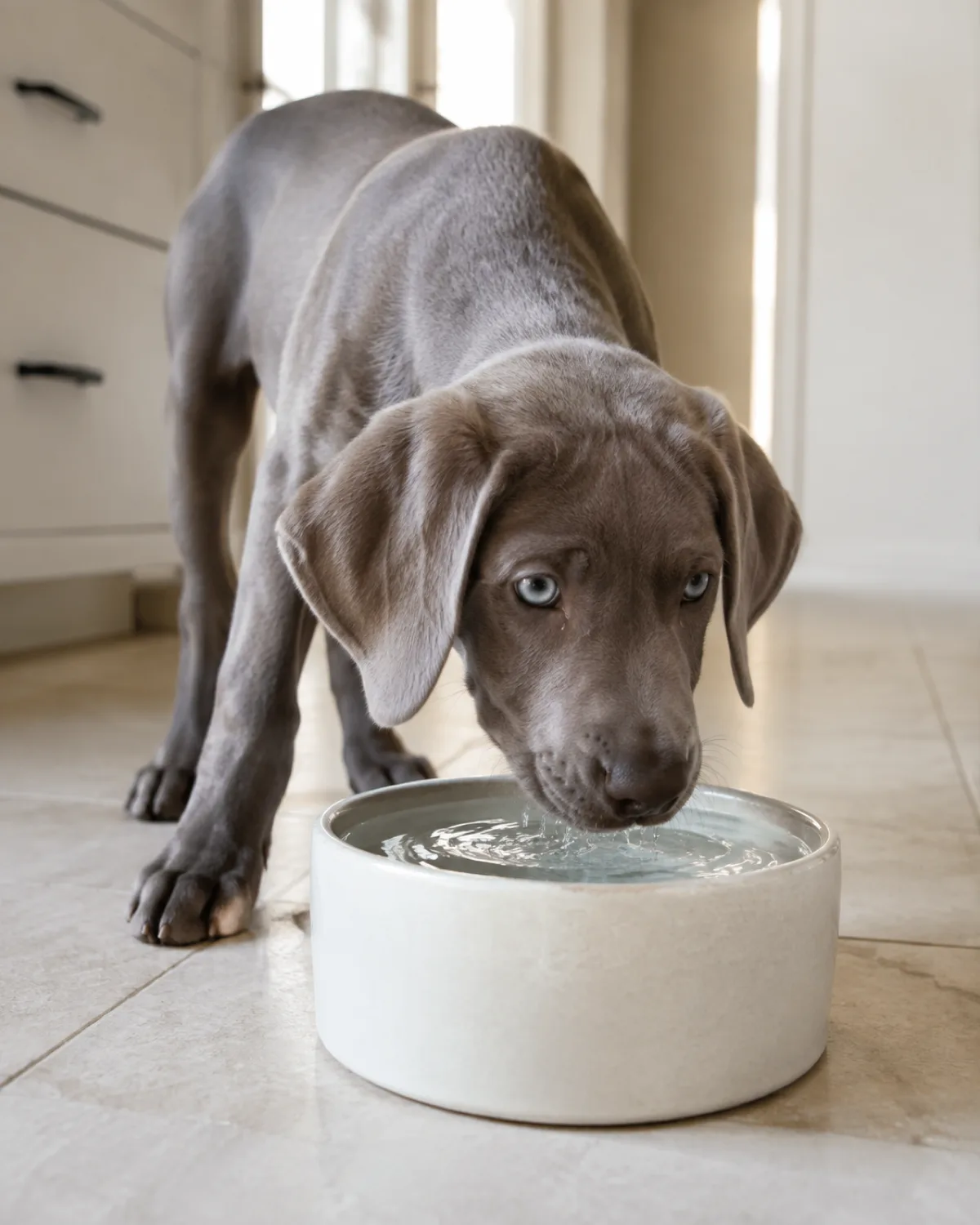
Unlike food, water should never be on a schedule. Your puppy needs access to clean water during all waking hours. Dehydration happens fast in growing puppies, especially after play sessions and on warm days.
The one exception is late at night during house training. Picking up the water bowl about two hours before bedtime and offering one last potty break reduces overnight accidents without any health risk.
Refill the bowl twice a day minimum, and more often if your puppy is a dunker who drops kibble or toys into the water
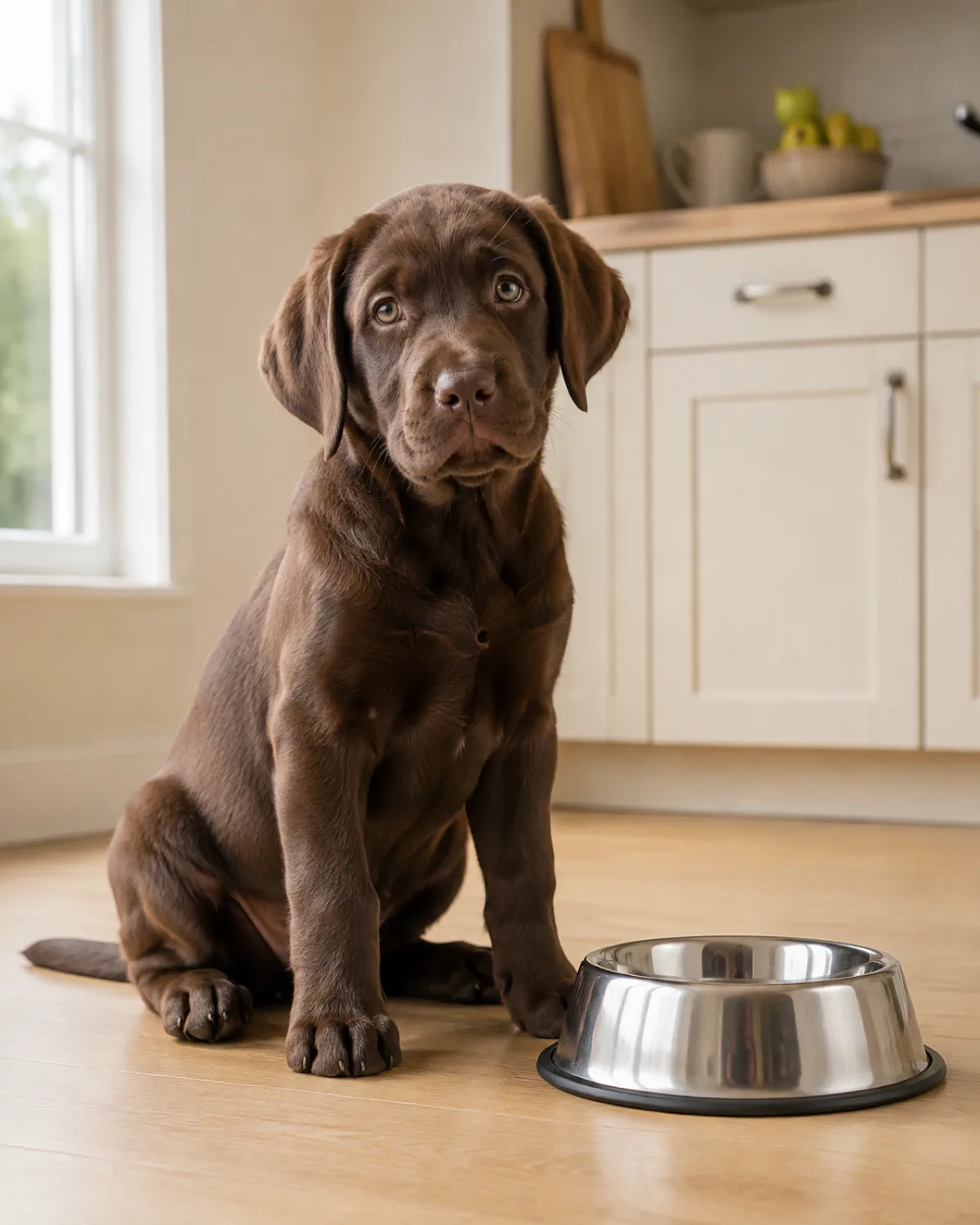
Ceramic or stainless steel bowls are easier to keep clean than plastic, which can harbor bacteria in scratches
Place the water bowl in the same spot as the food bowl so your puppy always knows where to find it
If you notice your puppy drinking dramatically more or less than usual for more than two days, that warrants a vet call. Changes in water intake can signal issues that are easier to address when caught early.
12. Where Treats Fit Into the Daily Calorie Budget
Training treats are not free calories. Every treat your puppy eats during the day should come out of the total daily food allowance so the math stays balanced and your puppy does not gain excess weight.
The standard guideline is that treats should make up no more than ten percent of daily calories. For a puppy eating one cup of food a day, that means about a tablespoon and a half of treats total. If you are doing heavy training and using more than that, reduce the next meal portion slightly.
Count each treat even if it feels tiny, because twenty tiny treats at three calories each adds sixty calories that did not exist on the bag chart
Use part of the daily kibble ration as training treats so there is zero calorie overshoot
If you want to know more about choosing the right training reward, the guide on choosing dog training treats breaks down thirteen options by value tier and calorie cost
Treats are a training tool, not a snack habit. Building them into the daily calorie budget from the start prevents the slow weight creep that often shows up around the six-month mark.
Save this for later
14 Rules for Your Puppy Feeding Schedule
1Four meals until 12 weeksSplit the daily total into four portions spaced four hours apart for a tiny, fast-burning stomach.
2Three meals at 3-6 monthsMerge the midday meals over a week and redistribute the same daily total into three bowls.
3Two meals after 6 monthsMorning and evening, the adult pattern your dog will keep for life.
4Measure every portionUse a dry measuring cup. A quarter-cup error compounds into a full extra meal each week.
5Same time every dayKeep meal times within a thirty-minute window on weekdays and weekends alike.
6No free feedingLeaving food out all day kills structure, masks illness, and weakens food motivation for training.
7Pick up at fifteen minutesRemove the bowl whether they finished or not. Leftovers do not roll over.
8Adjust as they growWeigh every two weeks and shift portions by ten percent to match the growth curve.
9Switch to adult food on timeSmall breeds at 9-12 months, large breeds up to 24 months. Ask your vet.
10Transition over 7-10 daysMix old and new food in increasing ratios so gut bacteria can adjust.
11Water all dayClean water during all waking hours. Pick up two hours before bed during house training.
12Treats in the budgetNo more than ten percent of daily calories. Use kibble as training treats for zero overshoot.
13Watch for warning signsRibs visible means too little. Ribs buried under padding means too much. Adjust and recheck.
14Follow the chartA sample schedule from eight weeks to twelve months with meals, portions, and transition points.
pawliqa.com
13. Signs Your Puppy Is Getting Too Much or Too Little
The number on the bag is a starting point, not a guarantee. Your puppy will tell you whether portions are right through their body condition, energy level, and stool quality.
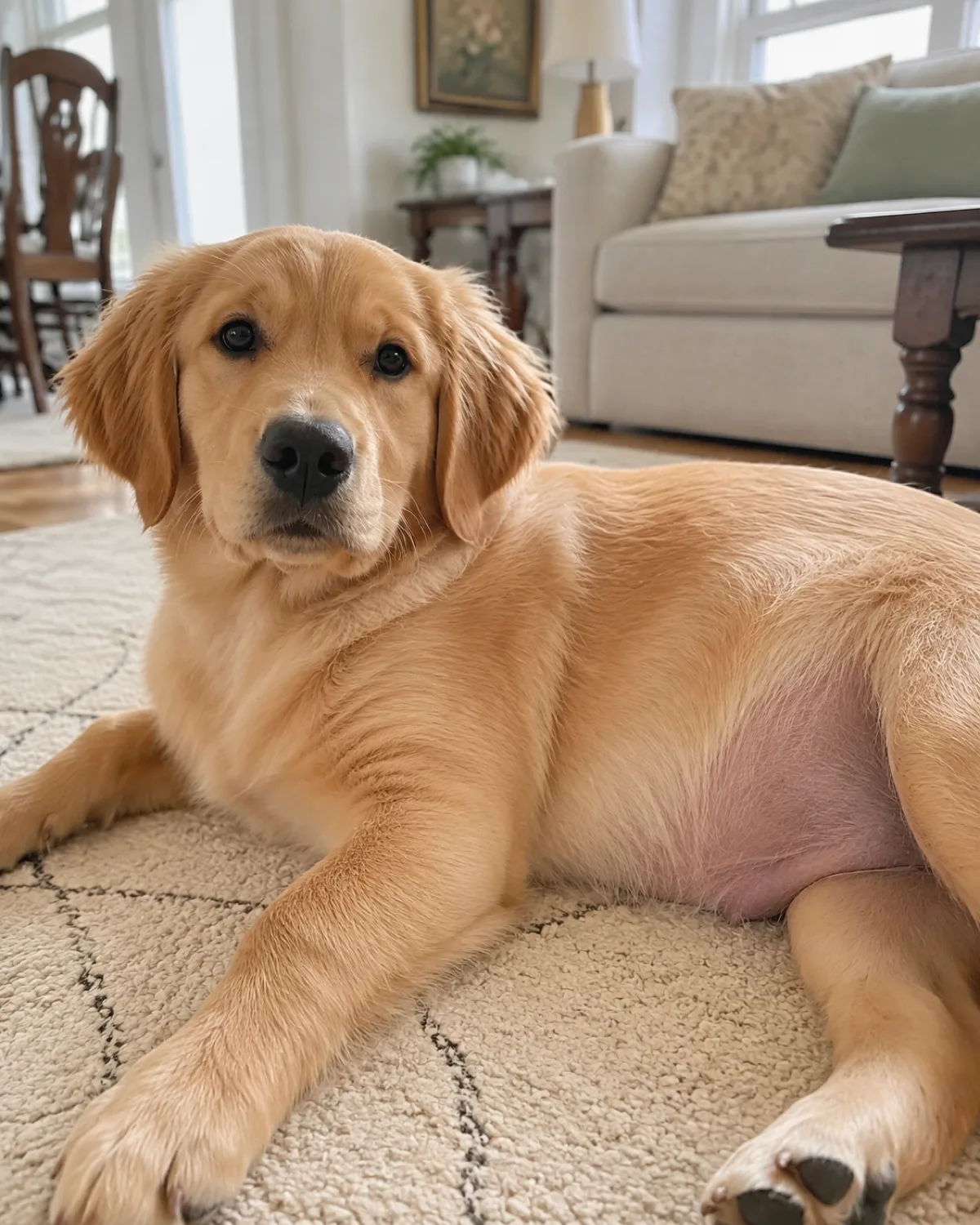
Run your fingers along your puppy's ribcage. You should feel each rib under a thin layer of padding. If ribs poke out with no covering, increase portions by ten percent. If you have to press hard to find ribs under a thick layer, reduce by the same amount.
Firm, log-shaped stool means digestion is working. Consistently soft or loose stool could mean too much food or a food sensitivity
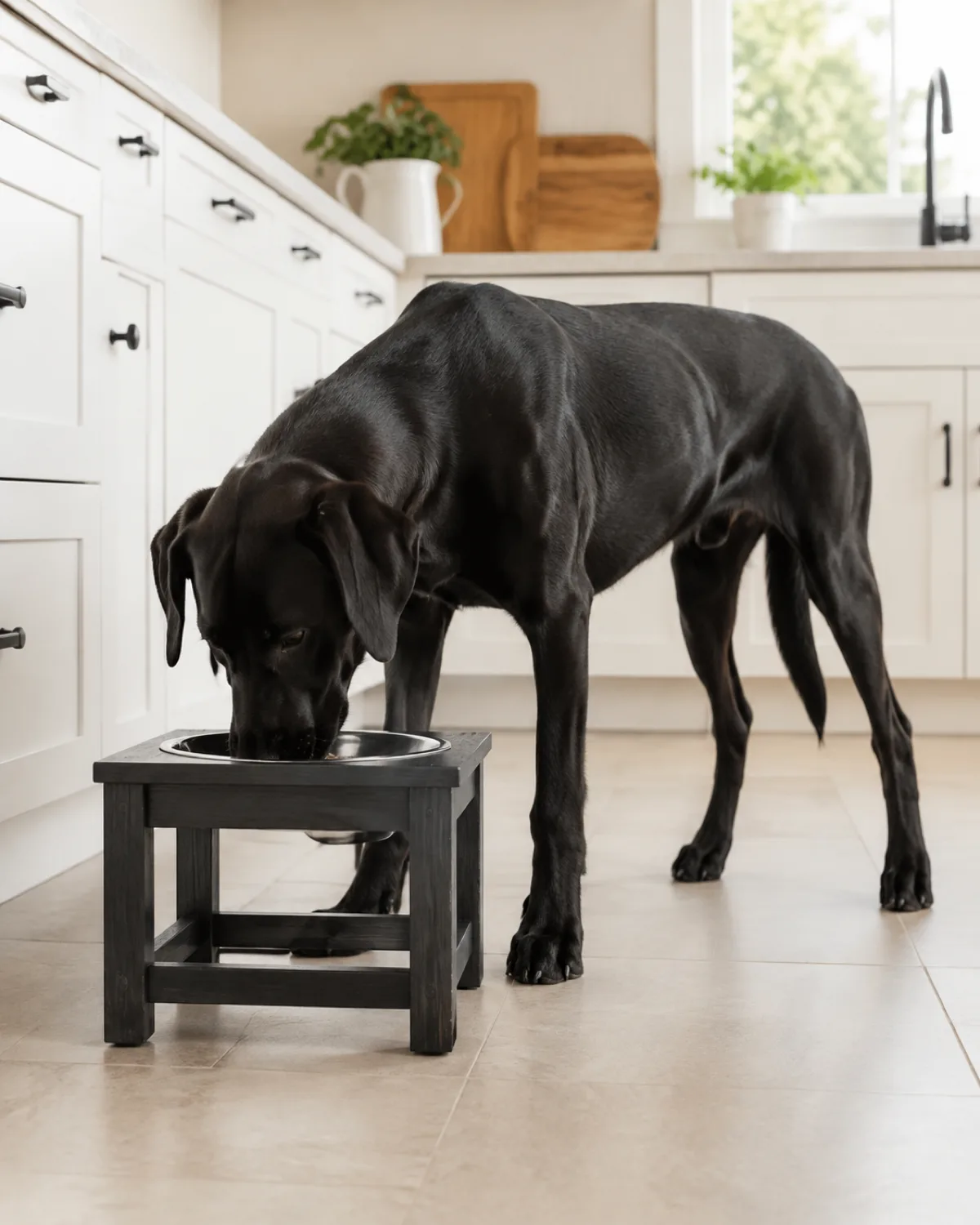
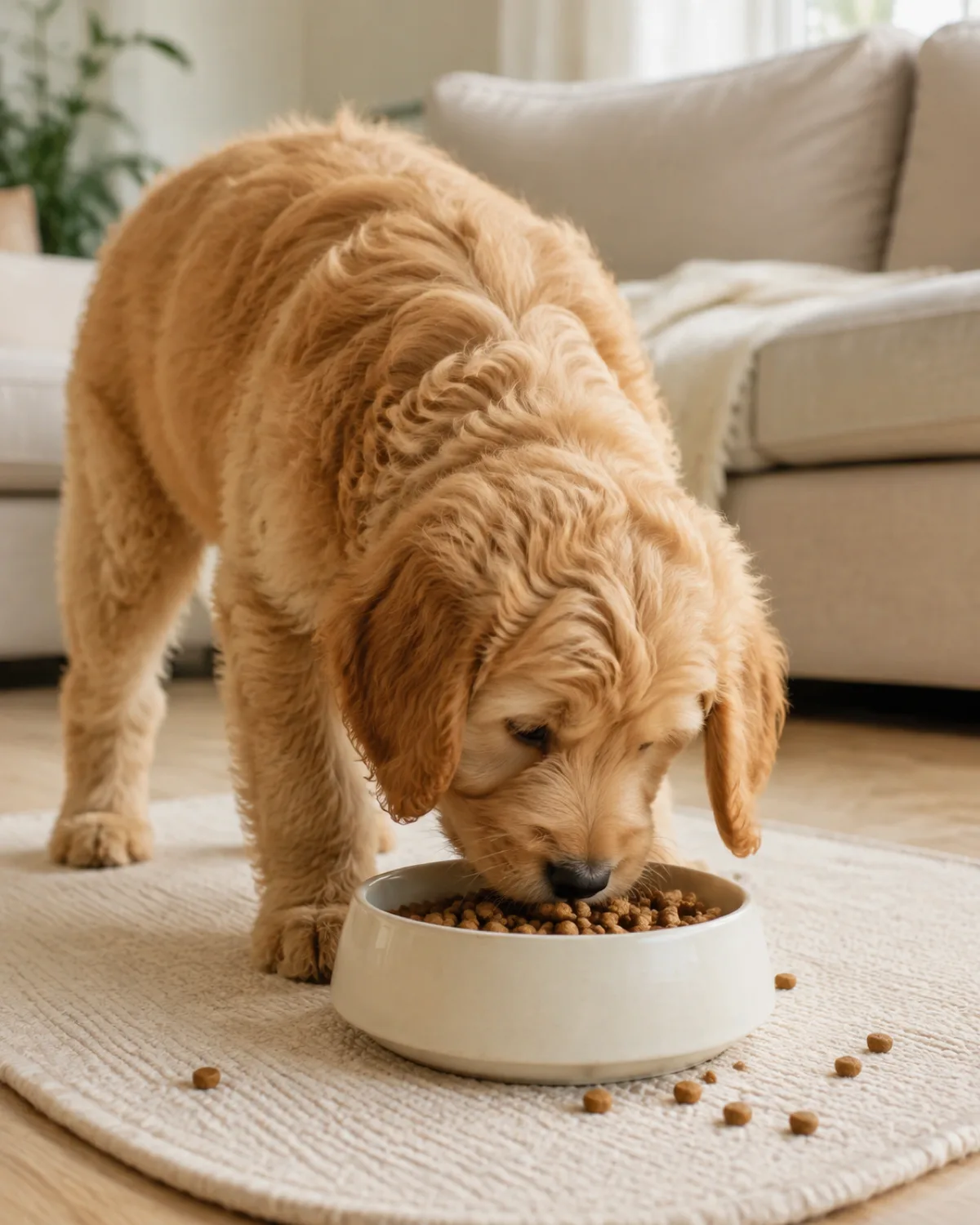
A puppy that inhales every meal in under sixty seconds and licks the empty bowl may need a slight increase or a slow-feeder bowl to prevent bloating
Low energy between meals that is not explained by normal puppy nap cycles can be a sign of insufficient caloric intake
Body condition scoring is something your vet will do at every checkup, but you can learn to do a basic version at home. The goal is a visible waist when viewed from above and a slight tummy tuck when viewed from the side.
14. A Sample Feeding Chart From Eight Weeks to Twelve Months
Here is a sample puppy feeding schedule that covers the entire first year. Adjust the specific times to fit your daily routine, but keep the spacing and meal counts consistent.
Age
Meals per day
Sample times
Notes
8-12 weeks
4
7am, 11am, 3pm, 7pm
Smallest portions, highest frequency
3-4 months
3
7am, 12pm, 6pm
Merge midday meals gradually
4-6 months
3
7am, 12pm, 6pm
Increase portions as weight climbs
6-12 months
2
7am, 6pm
Drop midday meal when puppy stops finishing it
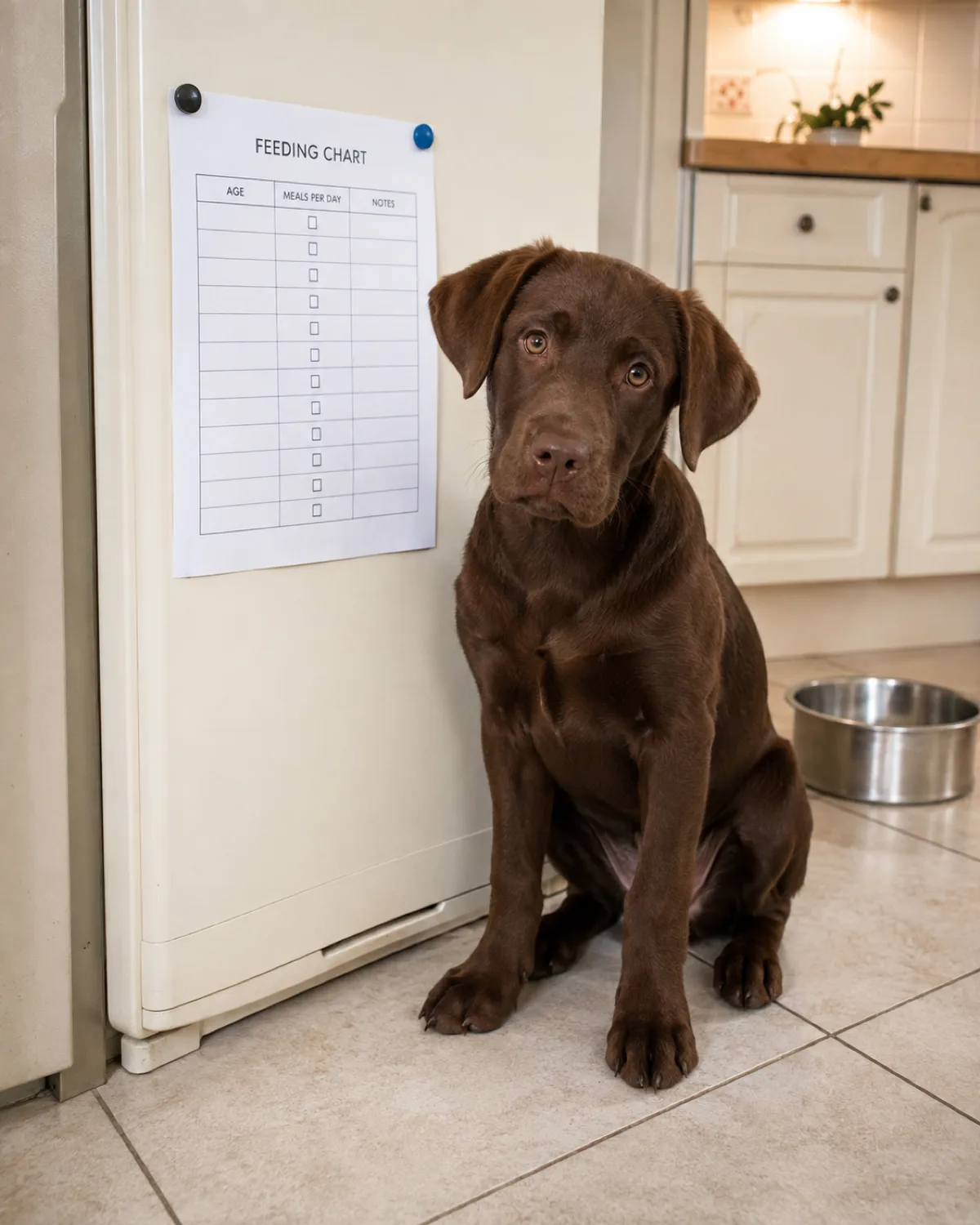
Print this chart and stick it on the fridge where everyone in the household can see it so no one accidentally double-feeds
Record which family member fed the puppy and when to avoid duplicate meals during the transition periods
Revisit the chart with your vet at each checkup and adjust portions based on actual growth versus expected growth
This chart is a framework, not a prescription. Your puppy, your vet, and your daily observations are better guides than any table. The schedule gives you structure, and your puppy's body tells you whether the numbers inside that structure are right.
P
About the author
Jess Calloway
Jess Calloway edits Pawliqa, where she shares dog care, grooming, training, and new-owner tips — plus DIY and pet-friendly home ideas — for anyone who wants a happy, well-cared-for dog. As a dog mom to three very different dogs, she writes the honest, tested version of what actually works. Every guide is image-led and reviewed for clarity, usefulness, image accuracy, and Pinterest-to-page alignment before it goes live. Visit the About page.
Twelve tips for bringing home a rescue dog covering setting up a safe room before pickup day, stocking essentials before arrival, keeping the first day quiet and boring, letting the dog explore one room at a time, using a crate as a decompression den, establishing a feeding routine from day one, starting house training from scratch regardless of age, expecting and allowing the shutdown period, following the three-three-three decompression timeline, introducing existing pets on neutral ground, building trust through boring predictability, and knowing rescue-specific behaviors that need professional help.
Sixteen essential facts about a puppy sleep schedule, from how many hours puppies sleep at each age to nap timing, crate setup, nighttime routines, and when sleep patterns finally settle.