My dog once beat me to a dropped chicken bone by a full two seconds, and I spent the rest of that walk with my heart in my throat. That was the week I finally sat down and taught "leave it" properly instead of just yelling "no" after the fact.
"Leave it" is one of those commands that pays for itself the first time you actually need it — a dropped pill, a piece of glass, another dog's food bowl. It also happens to be one of the easiest commands to teach well.
The whole method is built around a trade your dog already understands. None of this requires any special equipment or a stern voice — just a closed fist, a handful of good treats, and a little patience.
Jump to a section
How to teach a dog to leave it
One command, built on a simple trade — here's the closed-fist method, when to add the word, and the mistakes that slow it down.
1. Why "Leave It" Is One of the Most Useful Commands You'll Teach
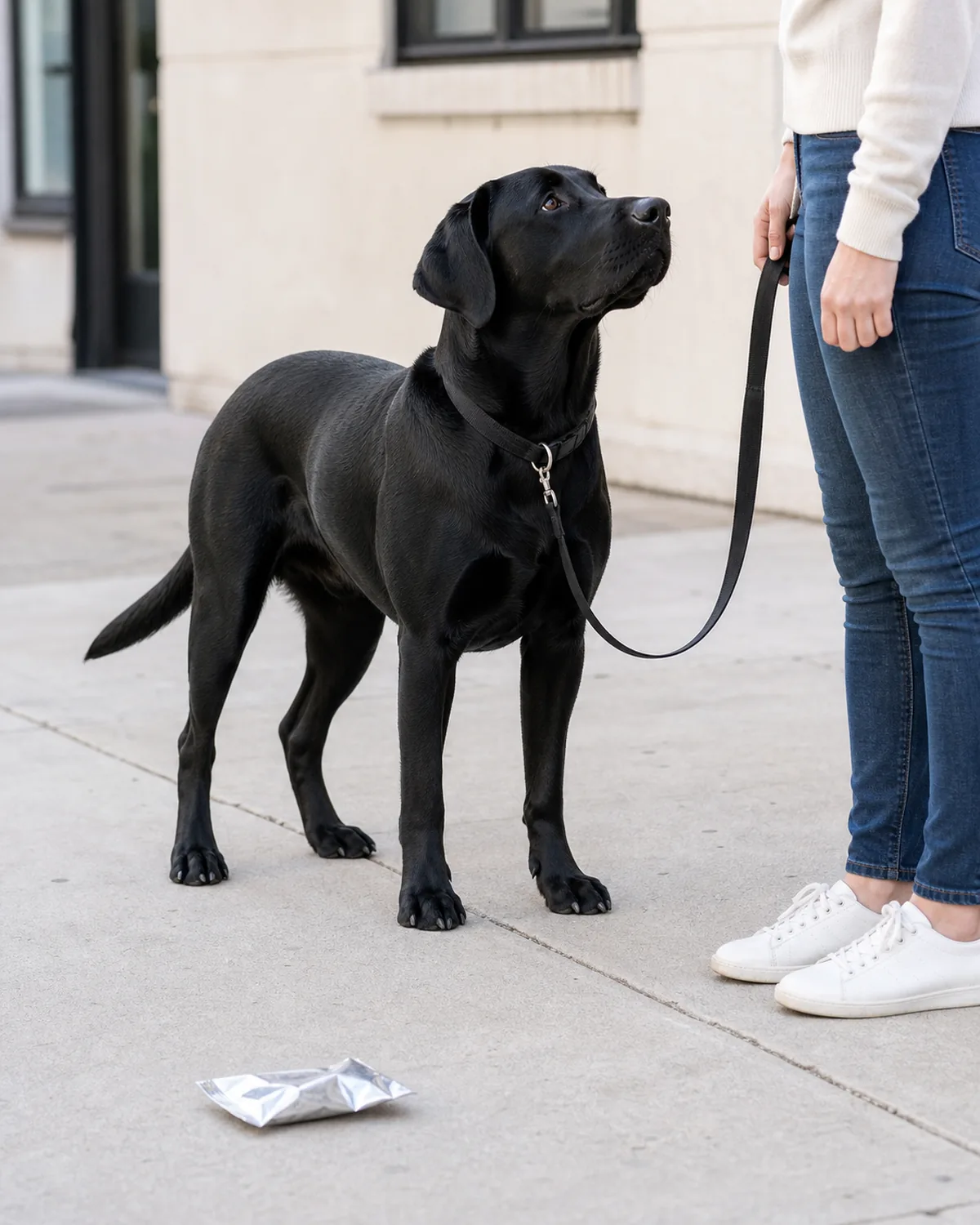
Most dog owners reach for "leave it" the moment they need it most, usually chasing after a dog who's already three steps ahead of them toward something on the ground. By then it's too late to teach anything — you're just managing a crisis.
Taught ahead of time, "leave it" turns that same moment into a non-event. Your dog hears the cue, checks in with you, and moves on, instead of you lunging for a leash or a collar.
It also covers more ground than most owners expect: dropped food on a walk, a countertop within reach, another dog's toy, a plate left on the coffee table. One command, a lot of situations.
2. What "Leave It" Actually Means to Your Dog
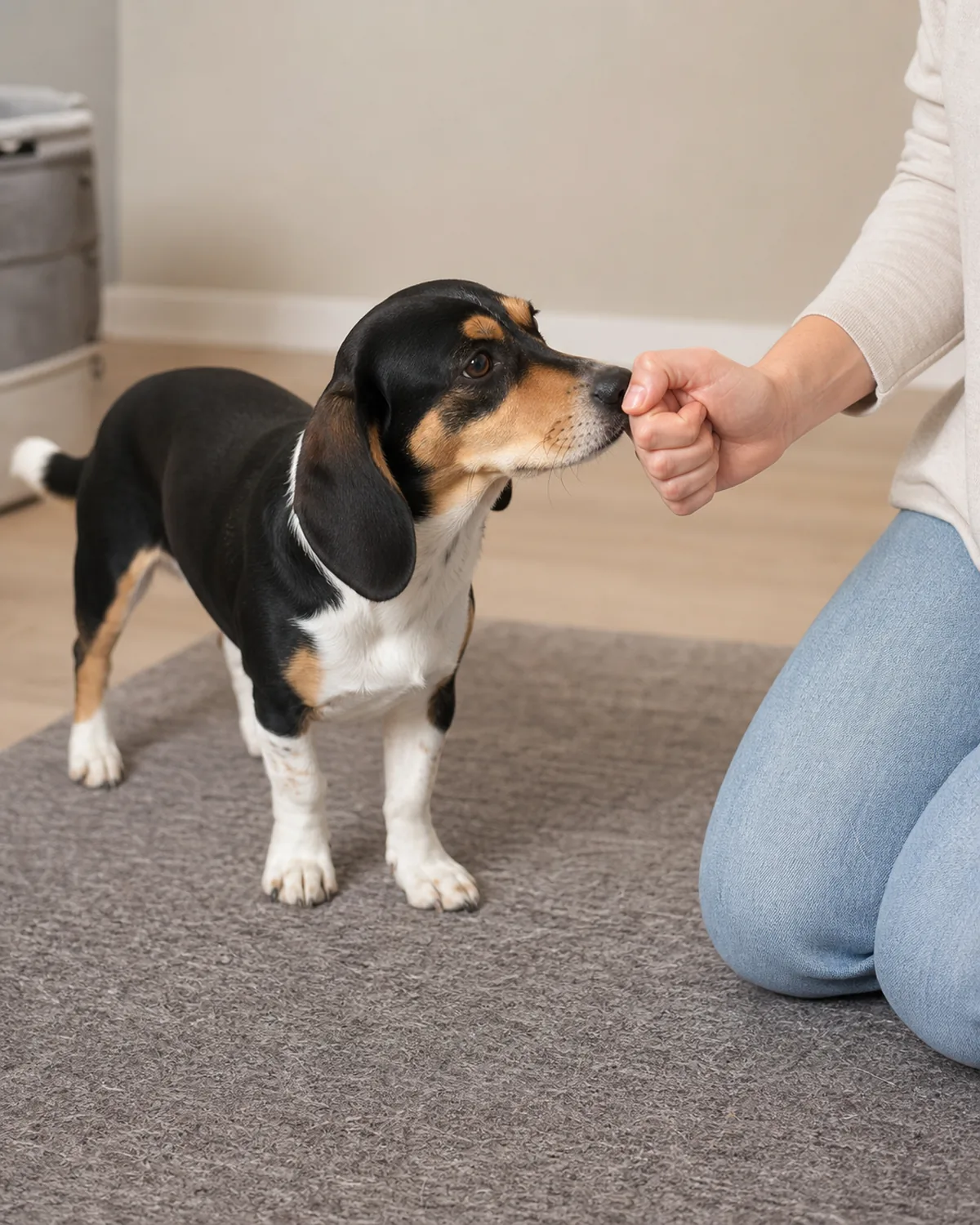
"Leave it" isn't really about taking something away. To your dog, it means "look away from that, and something better is coming."
That distinction matters because it changes how you teach it. You're not trying to out-muscle a dog's interest in something — you're teaching a trade, where choosing to look at you consistently pays off better than whatever they were about to grab.
Once a dog understands the trade, the command starts working even on things you never specifically practiced with. That generalization is the whole point.
3. The Closed-Fist Method: Where Every Dog Starts
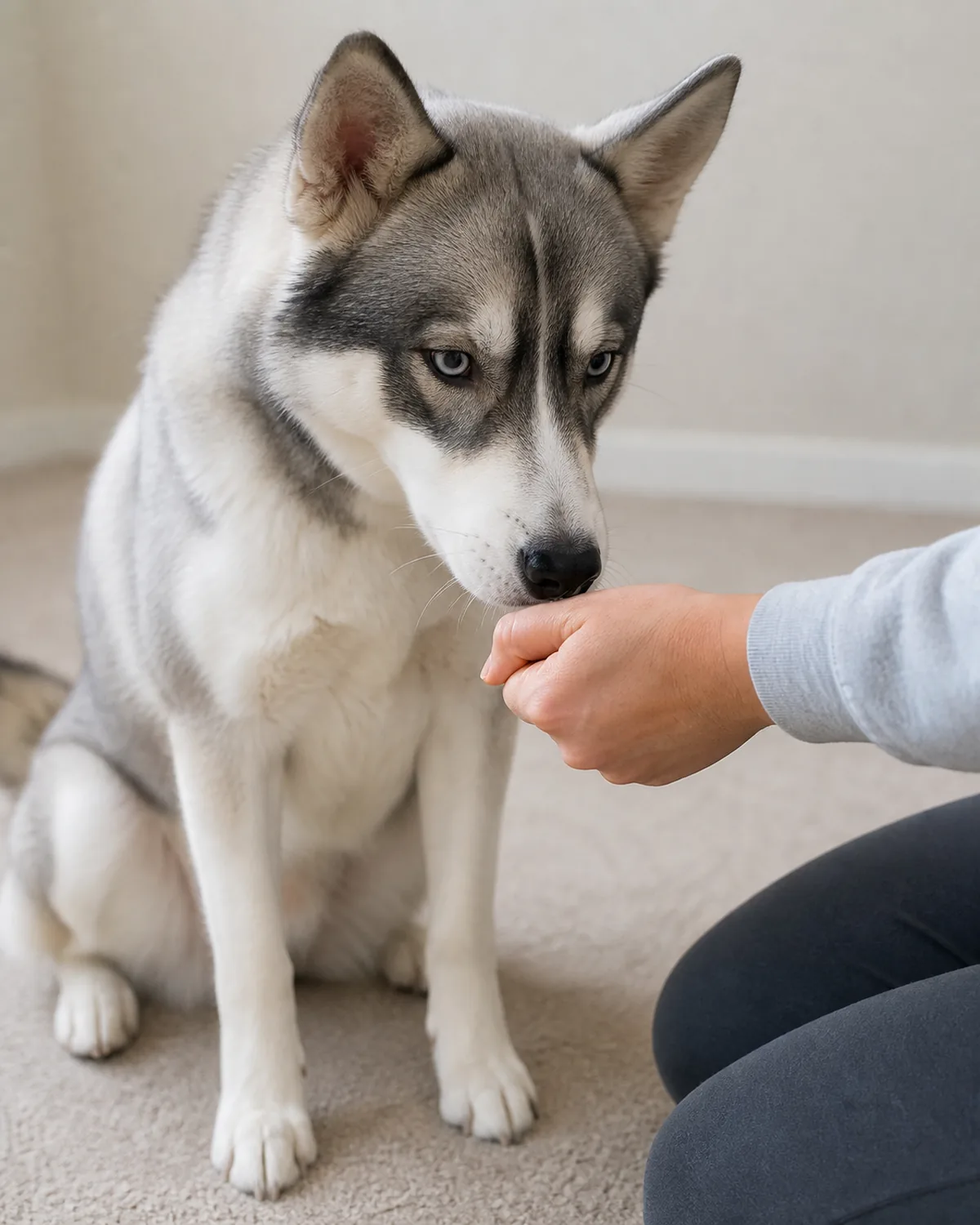
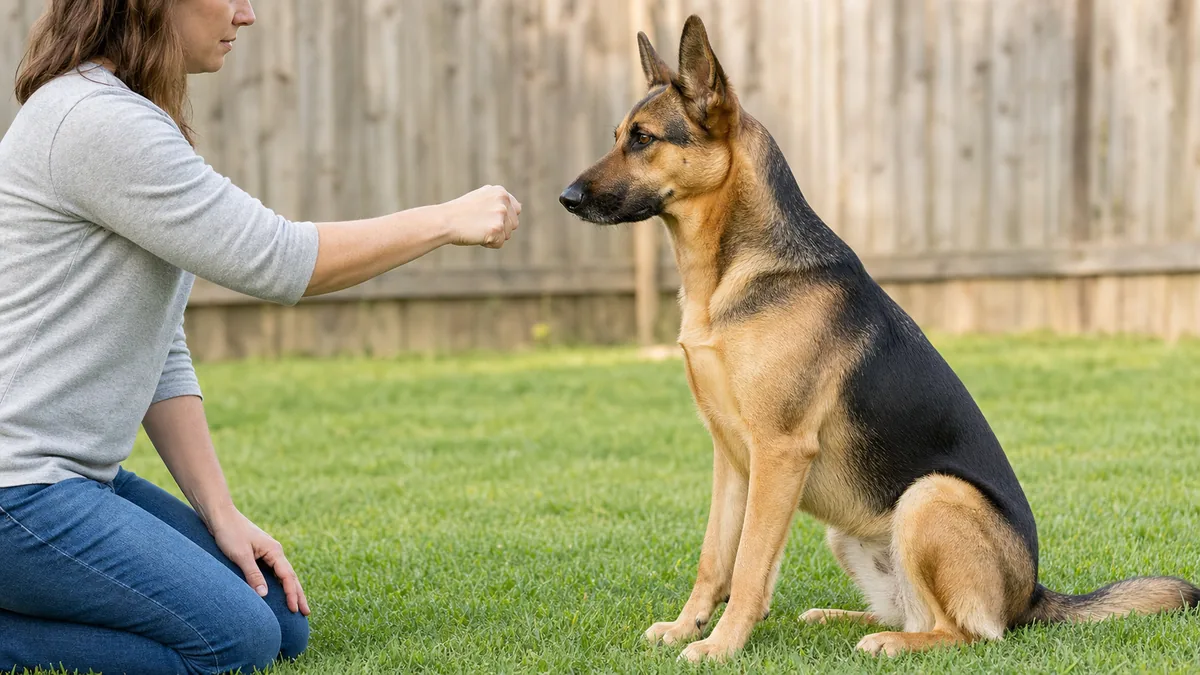
Hold a treat in your closed fist and offer it to your dog at nose height. Most dogs will lick, sniff, paw, or nose at your hand, trying to get at it. Say nothing yet — just wait.
The instant your dog pulls back or stops trying, even for a second, mark that moment with a calm "yes" and open your hand to give the treat. You're rewarding the choice to disengage, not the interest in the treat itself.
Repeat this several times in a row until your dog stops trying almost immediately and instead looks up at you, expecting the reward. That shift is the whole foundation of the command.
Before you practice today
The one thing that decides which distraction level to practice with today
Match the difficulty to where your dog actually is right now, not where you wish they were.
Boring ItemPractice freelyA leaf, a sock, an empty wrapper. Low stakes, good for building reps at any stage.
Moderate LureRaise the rewardA favorite toy or a treat a notch better than usual. Use a higher-value reward to match it.
Dropped FoodOnly once solidTest this only after the closed-fist version is reliable, and pay with your best reward.
HazardSkip the lessonPills, glass, trash. Don't turn a real hazard into a training rep — remove it or leash away instead.
When a distraction is genuinely dangerous, safety comes before the training moment. Save the practice reps for anything that isn't an actual risk.
4. Adding the Verbal Cue Once the Fist Method Is Reliable
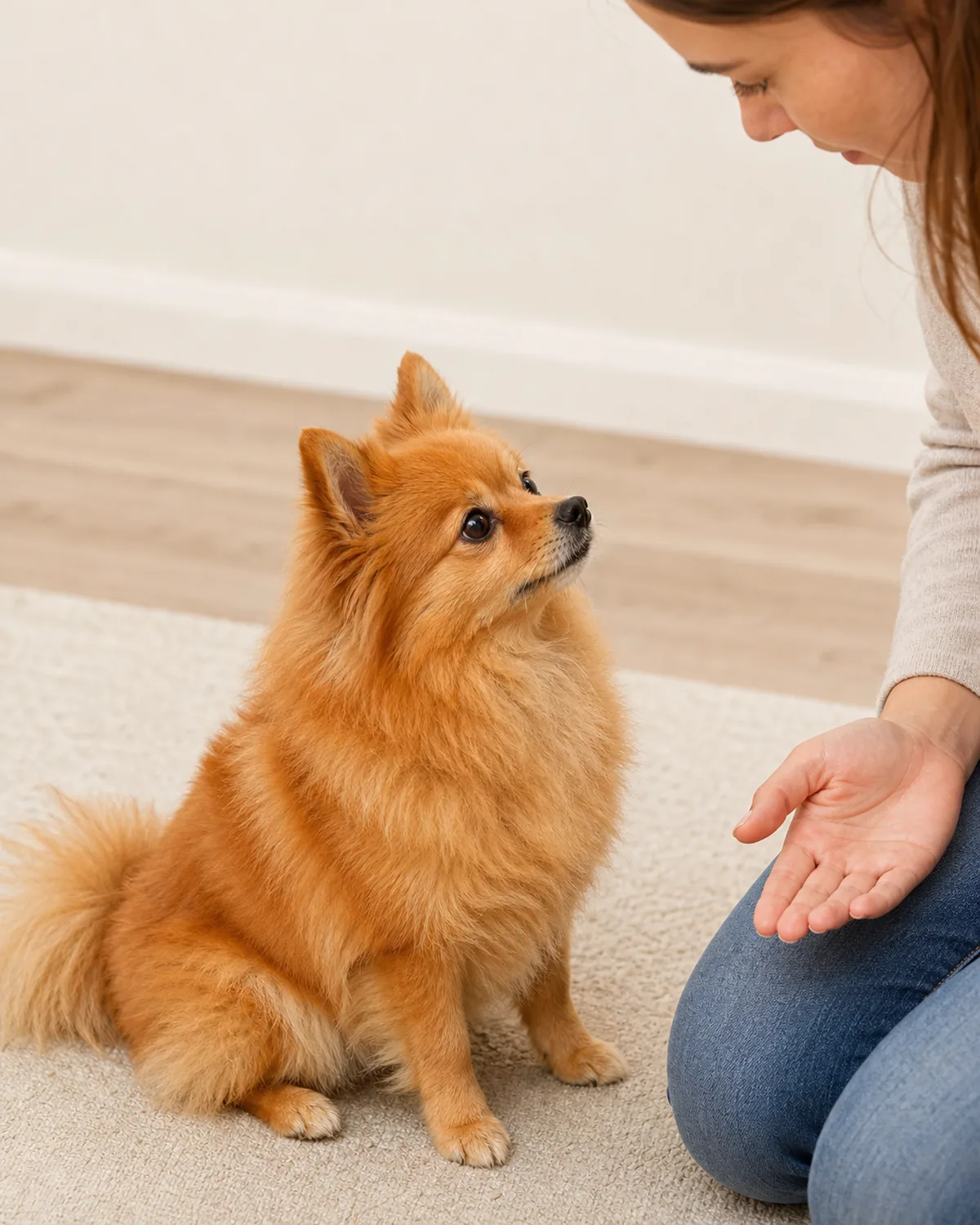
Once your dog reliably pulls back from your closed fist without trying, start saying "leave it" right as you present your hand, before your dog even reacts. The word becomes a prediction of what's about to happen, not a correction after the fact.
This is the same order of operations used for teaching a reliable recall: get the behavior solid first, then attach the word, instead of repeating a cue your dog doesn't understand yet.
After a dozen or so reps with the word attached, test it without showing the treat first. Say "leave it" with an empty hand, then reward from your other hand if your dog looks away.
5. Progressing to Items on the Floor
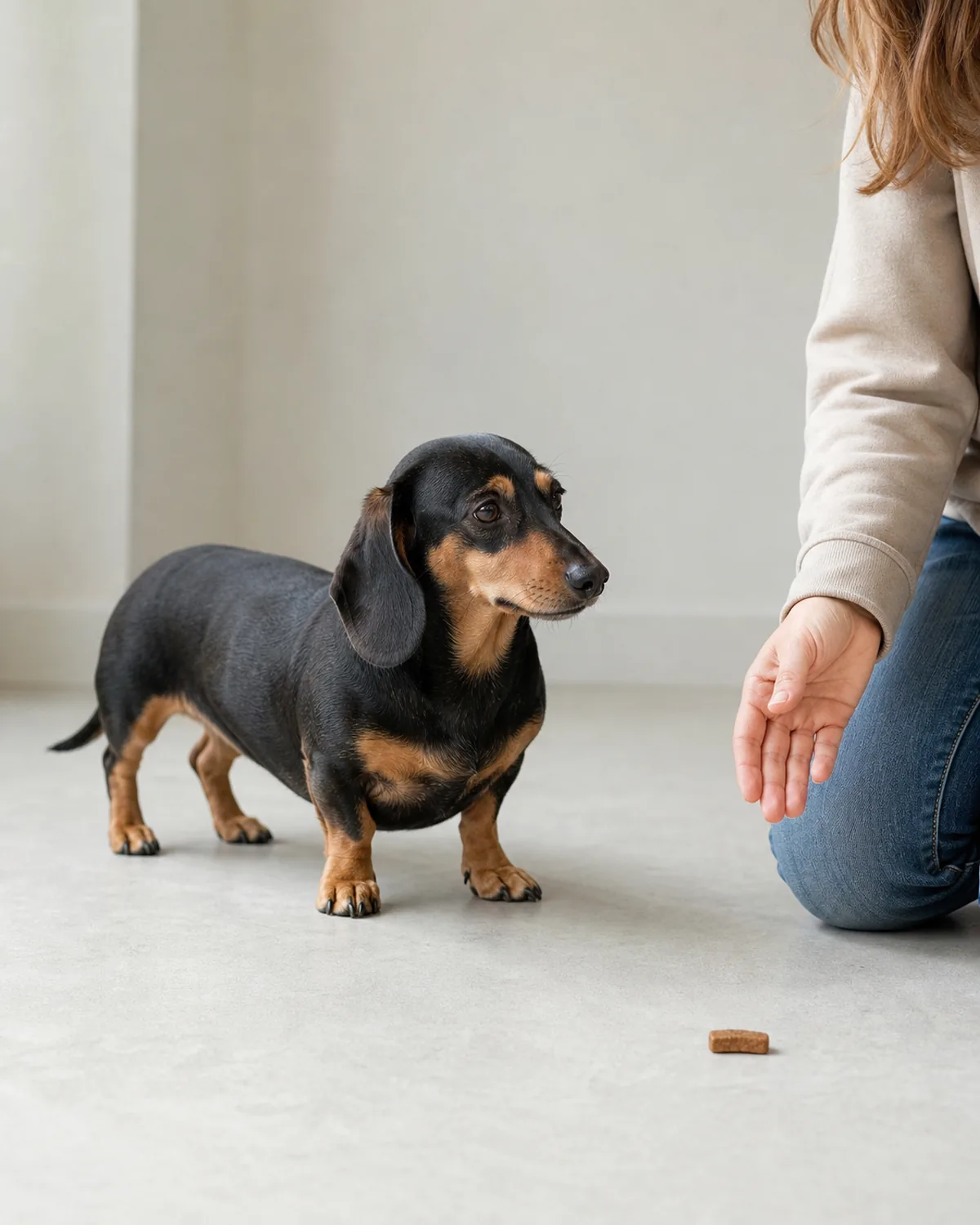
Place a treat on the floor and cover it with your hand if your dog lunges for it. Say "leave it" once, and wait for the same disengagement you built with the closed fist.
As your dog gets more reliable, cover the treat more loosely, then eventually just set it down in front of them uncovered. Your hand hovering nearby is still there as a backup for the first few tries.
This step takes real self-control from your dog, more than the fist ever did, so keep the treat itself low-value at first. Save the tempting stuff for later stages.
6. Practicing With Higher-Value Distractions
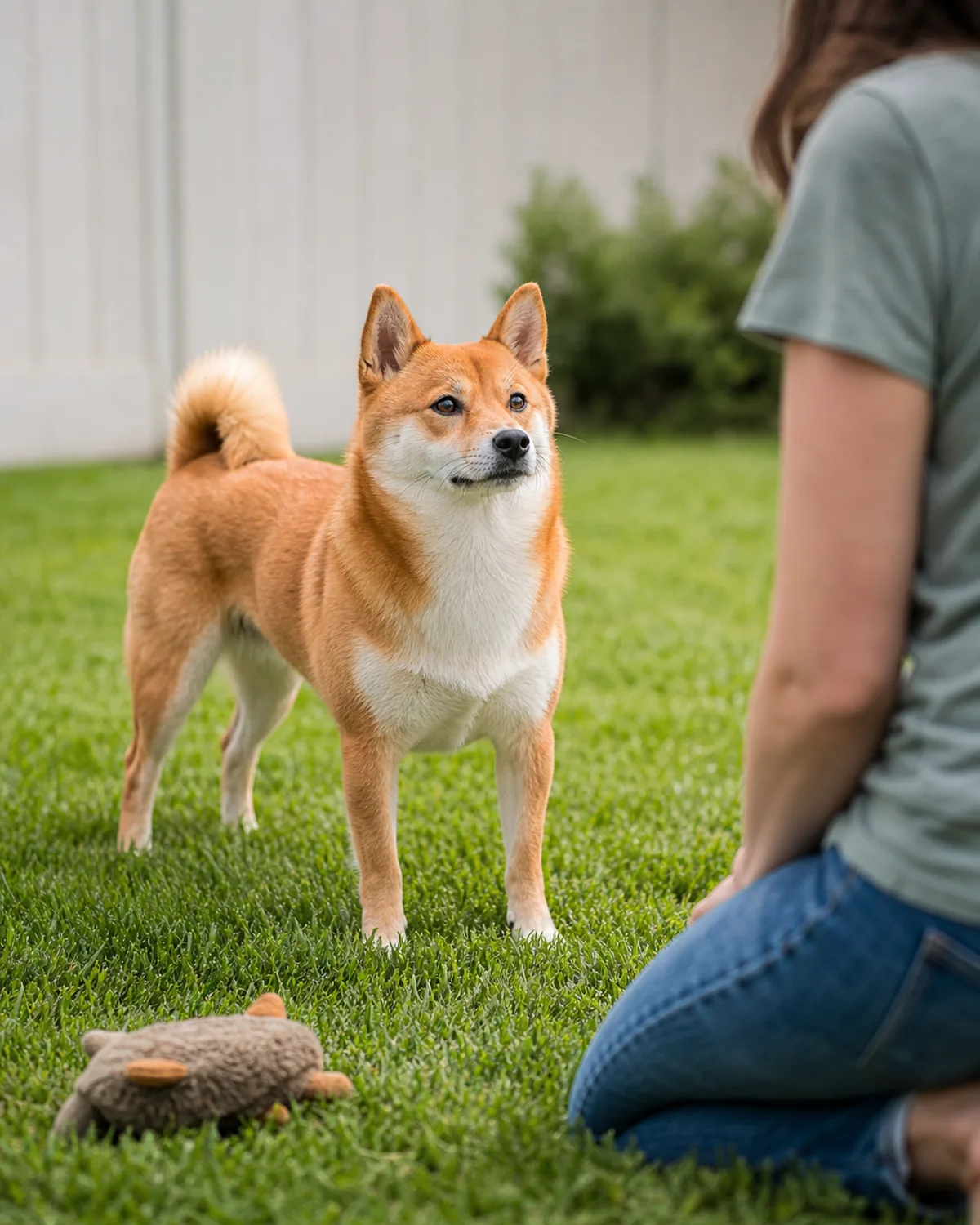
Once floor items are reliable with boring treats, start swapping in things your dog actually wants — a favorite toy, a piece of real food, a treat a notch higher in value than what they usually get.
Raise the difficulty slowly. If your dog fails two times in a row, that's a sign to drop back to an easier distraction rather than repeating the same hard one and hoping for a different result.
Keep the reward for a correct "leave it" at least as valuable as the thing you're asking them to skip. A boring treat won't beat a favorite toy in your dog's mental math.
The leave it do’s and don’ts
What to do — and skip — while you train
Most stalled "leave it" training traces back to one of these lines.
Always Do
- Start with the closed-fist version, not an open palm.
- Reward every successful rep for the first several dozen tries.
- Keep each training session under about five minutes.
- Make the reward more appealing than what you're asking them to skip.
- Practice in a new environment before trusting it somewhere busy.
- Add the verbal cue only once the fist method is reliable.
- Use the cue the moment you spot a real hazard.
Never Don’t
- Never repeat the cue over and over — say it once.
- Never pull an item out of your dog's mouth by force.
- Never jump straight to a hazard or high-value item too early.
- Never skip the reward because "they should know it by now."
- Never use leave it and drop it as if they're the same command.
- Never assume indoor practice alone will hold up outside.
- Never raise your voice or yank the leash instead of rewarding.
7. Taking "Leave It" Outside and Into Real Life
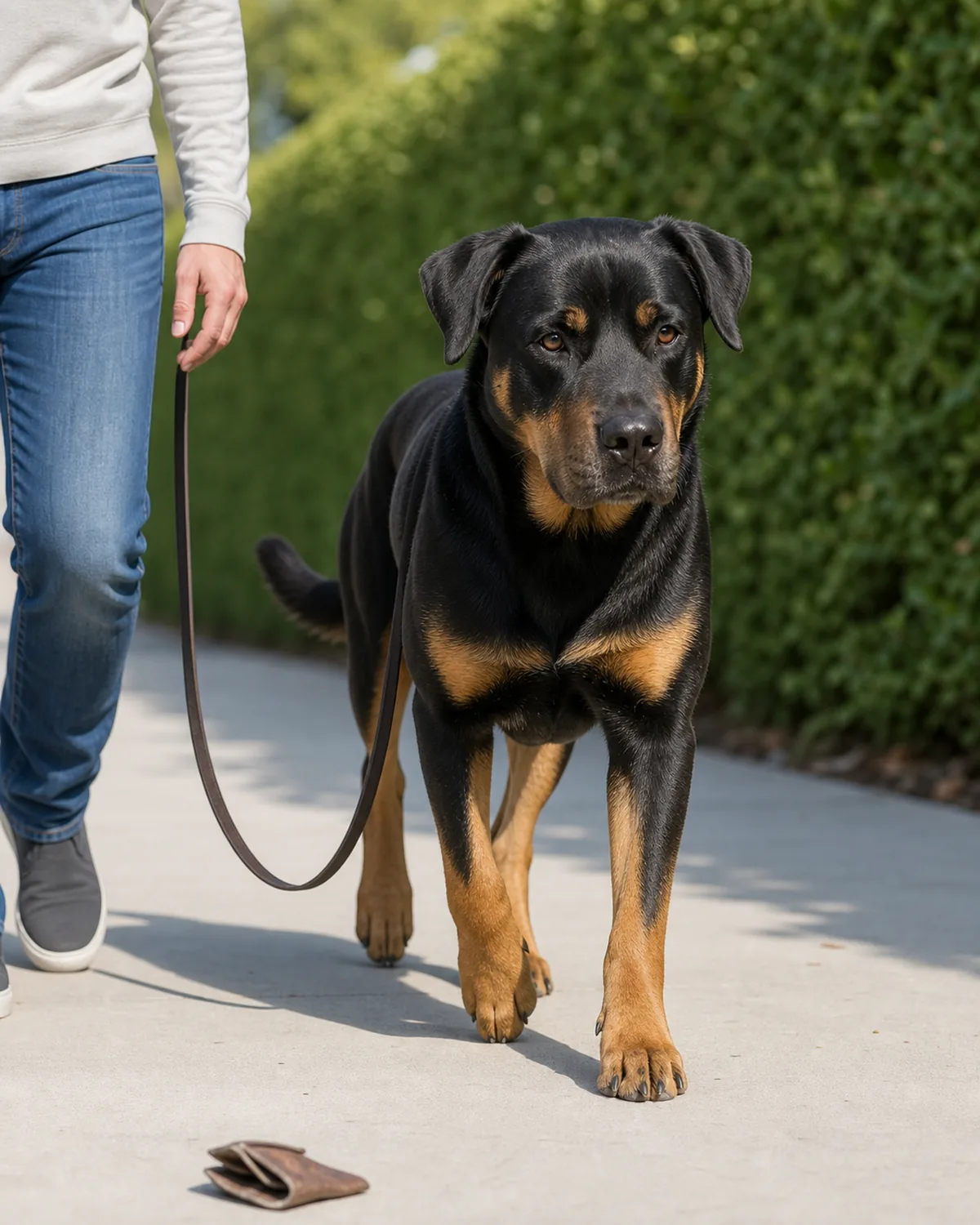
A dog who's rock-solid on your living room floor can look like they've never heard the command the first time you try it on a sidewalk. New environment, new sounds, new smells — the difficulty goes up even if the exercise looks the same.
Start outside with something low-stakes, like walking past a dropped leaf or an empty wrapper on a quiet street, before testing it near actual food or another dog. Treat the outdoor version as a new skill you're building, not a test your dog should already pass.
Keep a few extra-good treats in your pocket specifically for real-world "leave it" moments, so the payoff always matches the difficulty of the distraction your dog just resisted.
8. "Leave It" vs "Drop It": Two Different Jobs
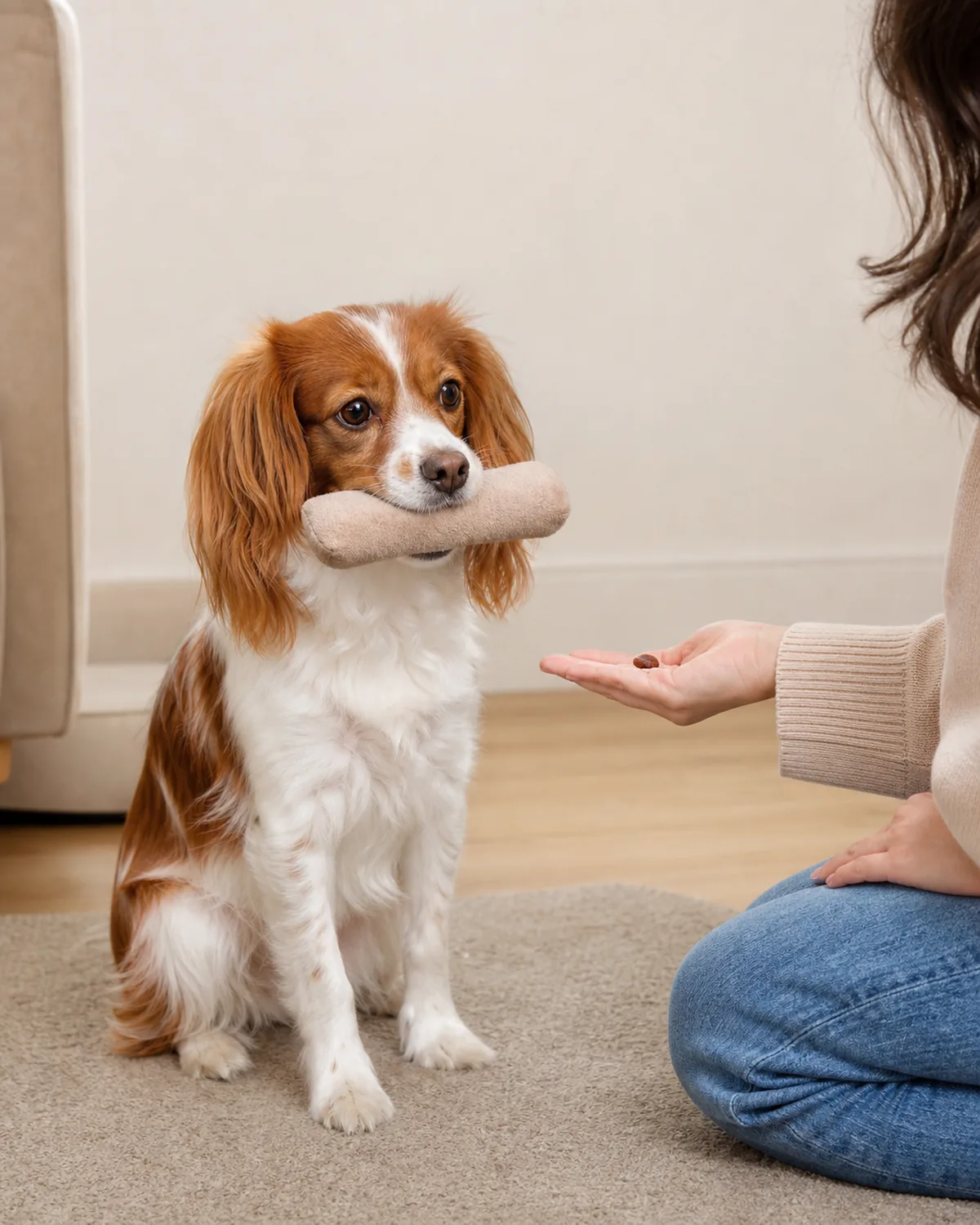
"Leave it" is for before your dog makes contact with something. "Drop it" is for after — when whatever it is already in their mouth. Trying to use one command for both jobs usually confuses a dog who's learned each cue for a specific moment.
Teaching "drop it" works on a similar trade principle: offer a trade item or treat when your dog already has something, and reward the instant they release it into your hand or onto the floor.
Keeping the two cues separate means your dog learns exactly what's being asked in each situation, rather than one blurry command that sometimes means "don't touch" and sometimes means "let go."
9. Common Mistakes That Slow Down Training
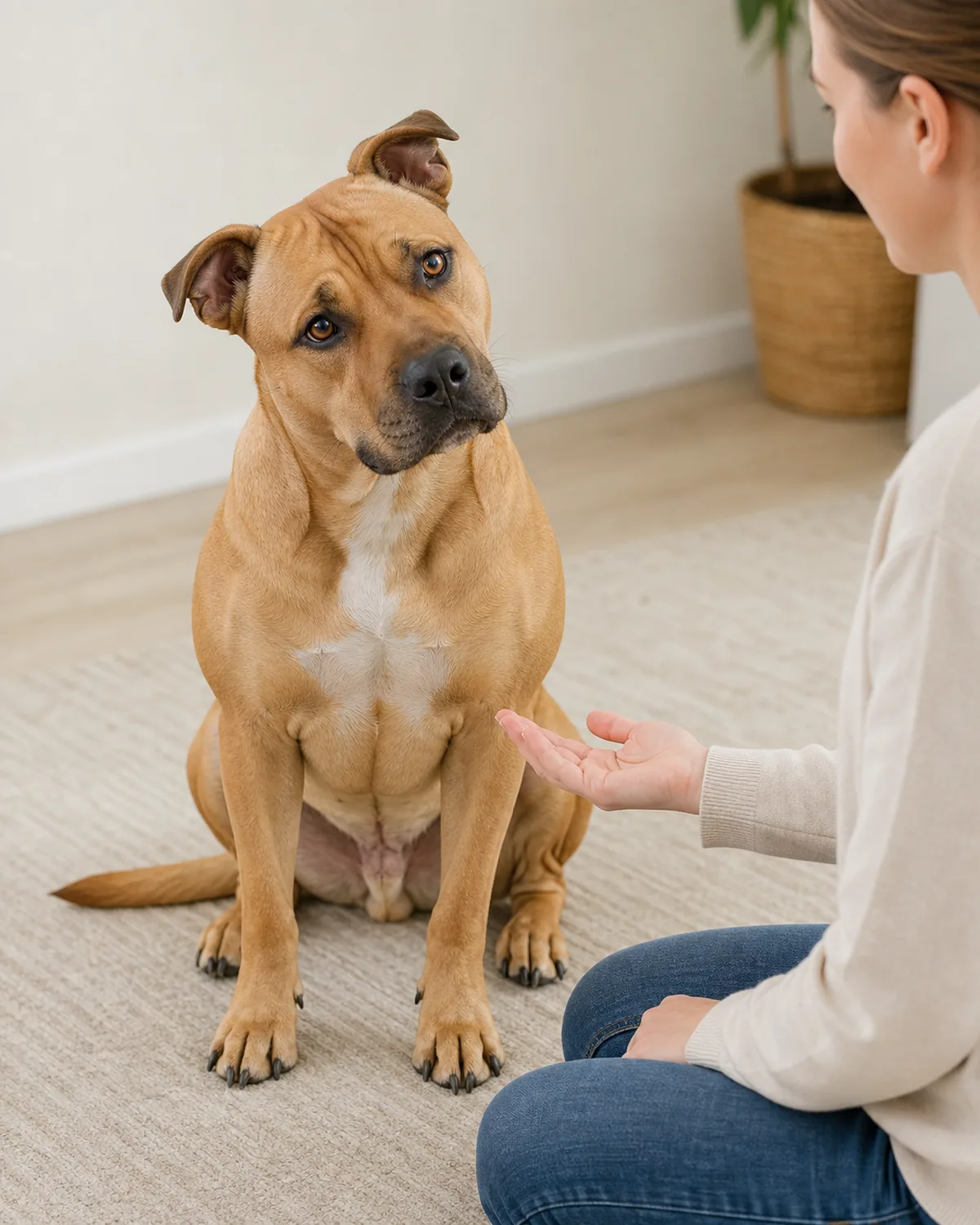
Repeating the cue over and over — "leave it, leave it, leave it" — teaches a dog that the first one or two don't actually matter. Say it once, wait, and reward the moment your dog complies.
Jumping straight to a high-value distraction before the basics are solid is another common setback. A dog who hasn't mastered the closed-fist version yet has almost no chance against a dropped hot dog.
Skipping the reward because "they should know it by now" is the fastest way to make the behavior fall apart. Even a reliable dog needs occasional reinforcement to keep the trade worth making.
Save this before your next session
Leave It Training Cheat Card
Keep this handy for quick reference between reps.
- Step 1: closed fist with a treat inside, held at nose height.
- Step 2: wait for licking/sniffing/pawing to stop, even briefly.
- Step 3: mark the pause with "yes" and open your hand to reward.
- Step 4: repeat until your dog looks up at you instead of trying.
- Ladder: fist → floor item → higher-value item → outside.
- Stuck? Add distance, drop back a level, or upgrade the reward.
General training guidance, not a substitute for a certified trainer for persistent issues.
10. Troubleshooting: When Your Dog Won't Look Away
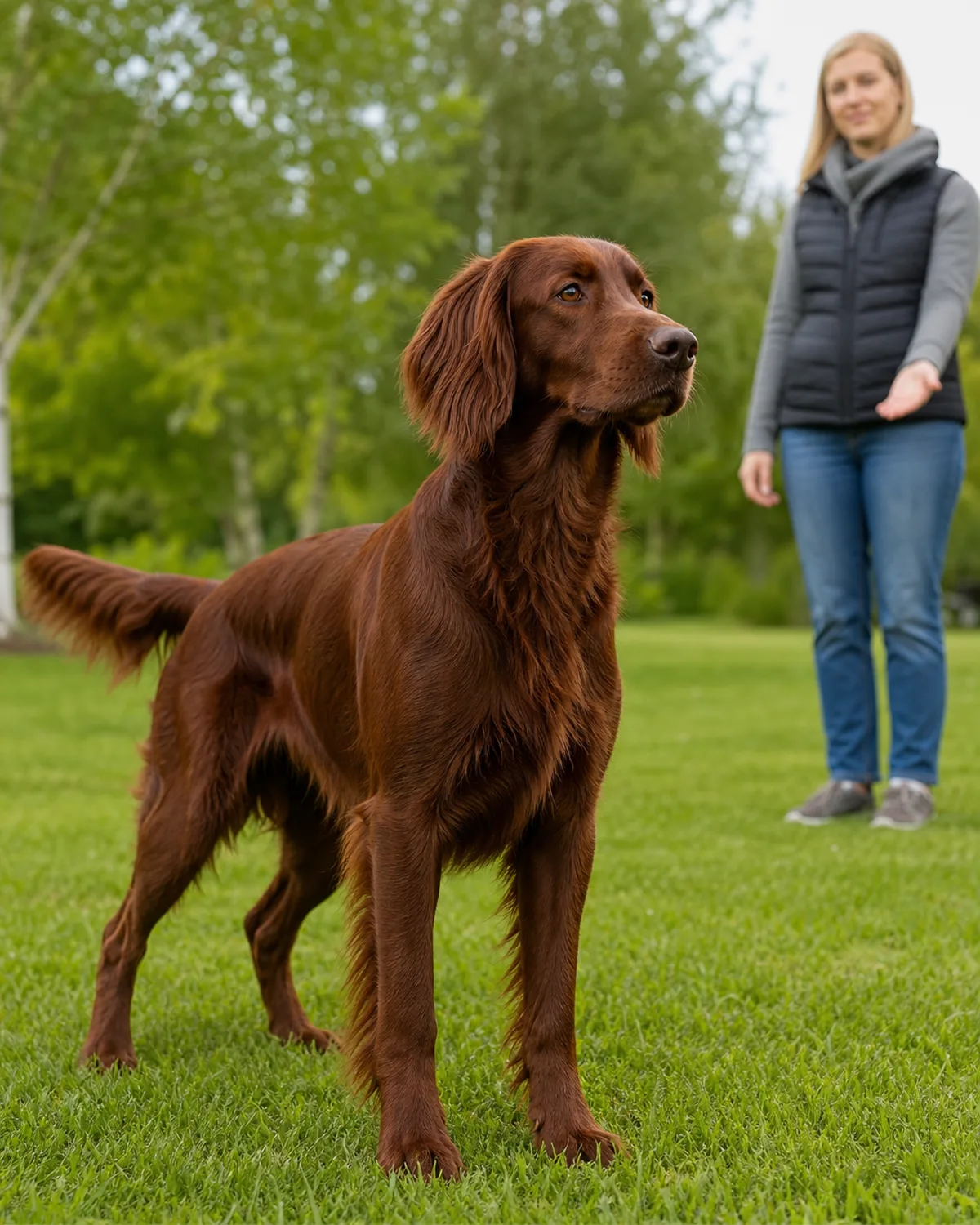
A dog that's frozen and fixated on something usually means the distraction is too strong for the current stage of training, not that the dog is being stubborn. Increase your distance from the object first — a few extra feet often breaks the fixation instantly.
If distance alone doesn't work, drop back to an easier version of the exercise for a few reps to rebuild momentum, then work your way back up more gradually than you did the first time.
Check your reward, too. A distraction that's more exciting than the treat you're offering will win almost every time, no matter how well you've otherwise trained the cue.
11. How Long It Takes to Get a Reliable "Leave It"
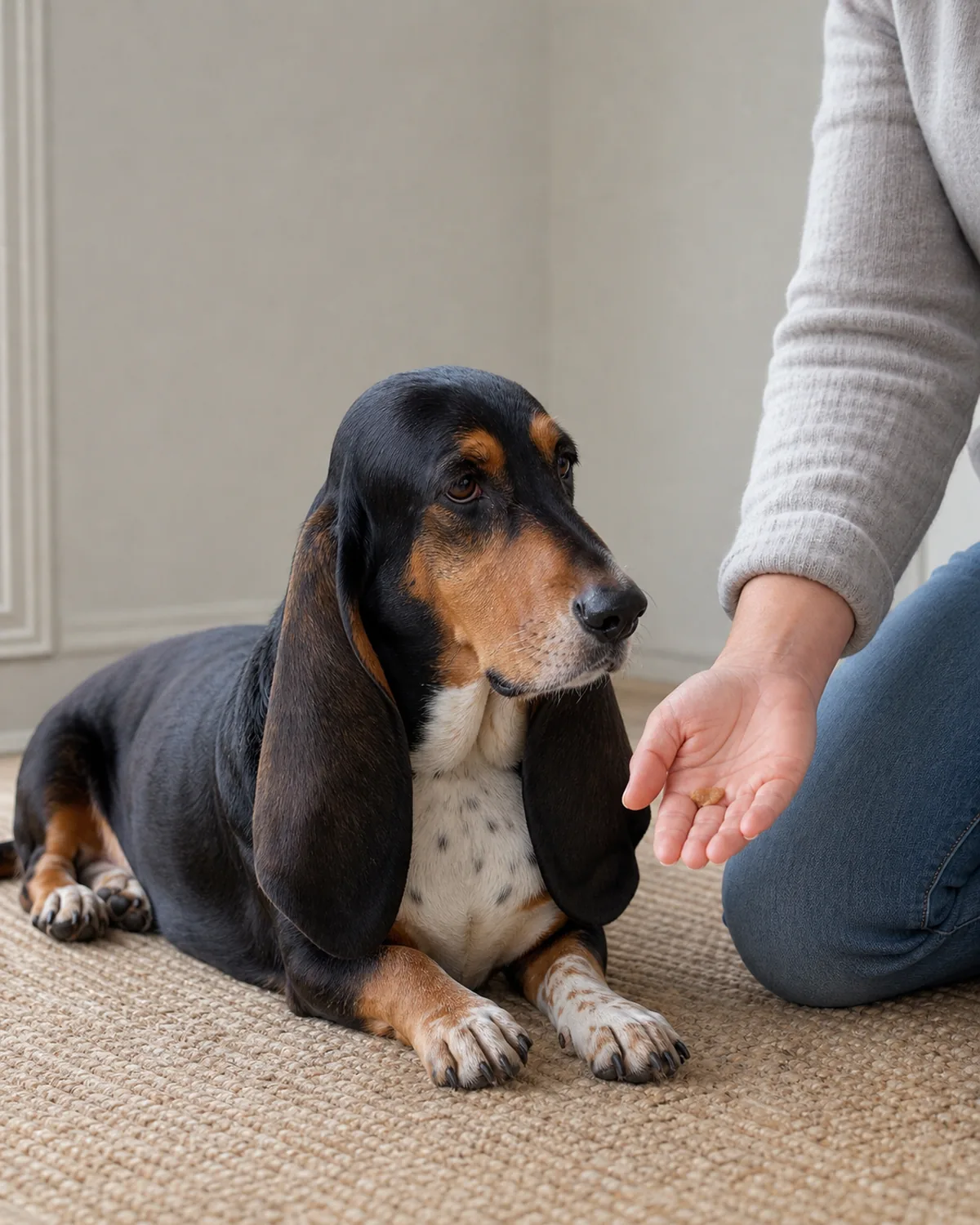
Most dogs pick up the closed-fist version within a few short sessions over a couple of days. Adding the verbal cue and moving to floor items usually takes another week of regular short practice.
Getting a truly reliable "leave it" around real-world distractions — other dogs, dropped food outside, hazards on a walk — takes longer, often several weeks of gradually raising the difficulty.
Dogs who practice in short, frequent sessions tend to get there faster than dogs who only practice occasionally for longer stretches. Consistency matters more than the length of any single session.
12. Using "Leave It" for Safety, Not Just Manners
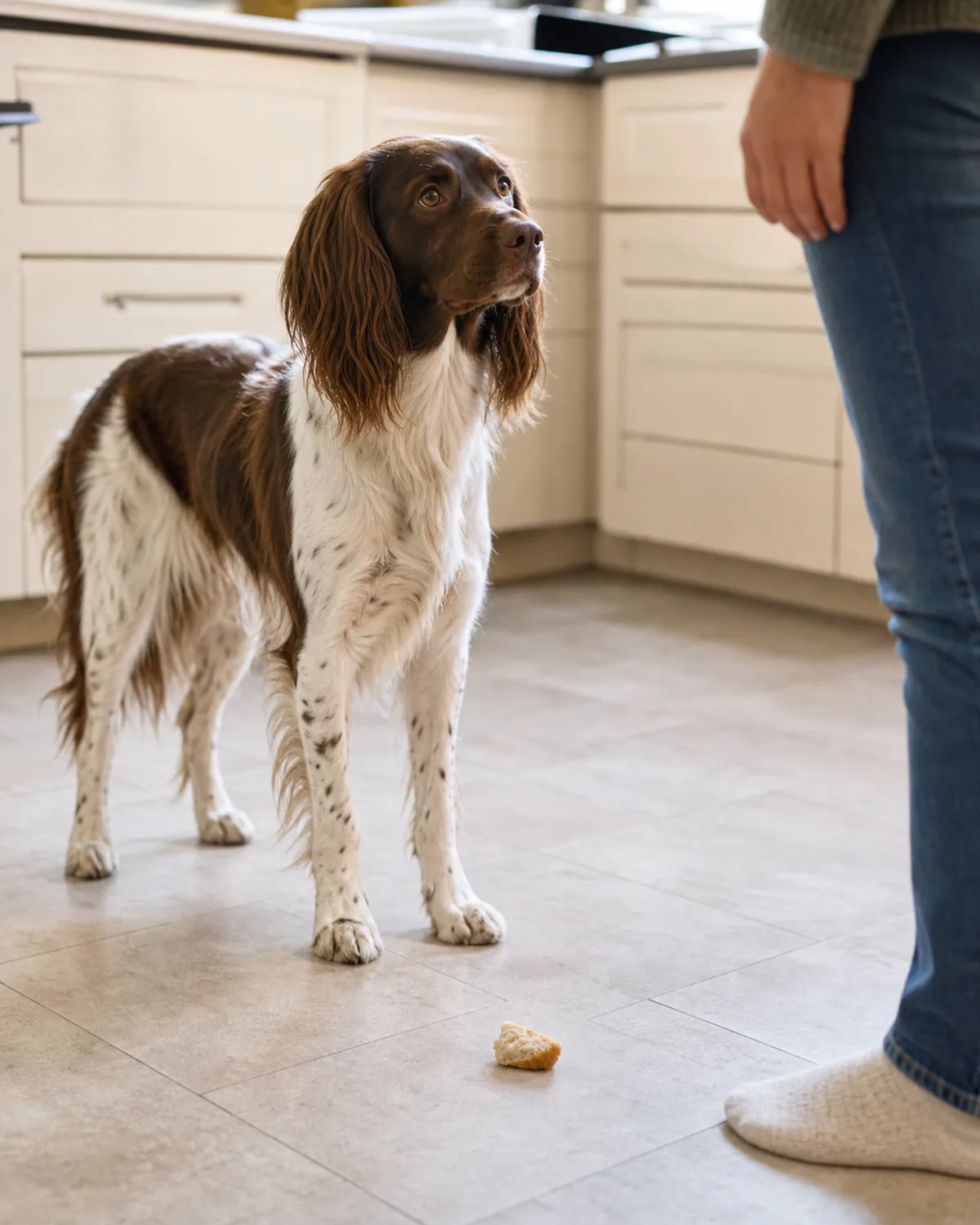
The real payoff of this command shows up in moments you can't fully plan for: a dropped pill on the kitchen floor, a piece of broken glass, food left within reach on a counter. A trained "leave it" buys you a few extra seconds to physically remove the hazard.
Pairing this command with a puppy-proofed home covers both angles — fewer hazards left within reach in the first place, and a reliable cue for the ones you can't always predict.
Use the command the moment you spot a risk, rather than waiting to see if your dog notices it first. Prevention and a trained cue work better together than either one alone.
13. Keeping the Command Sharp for the Long Run
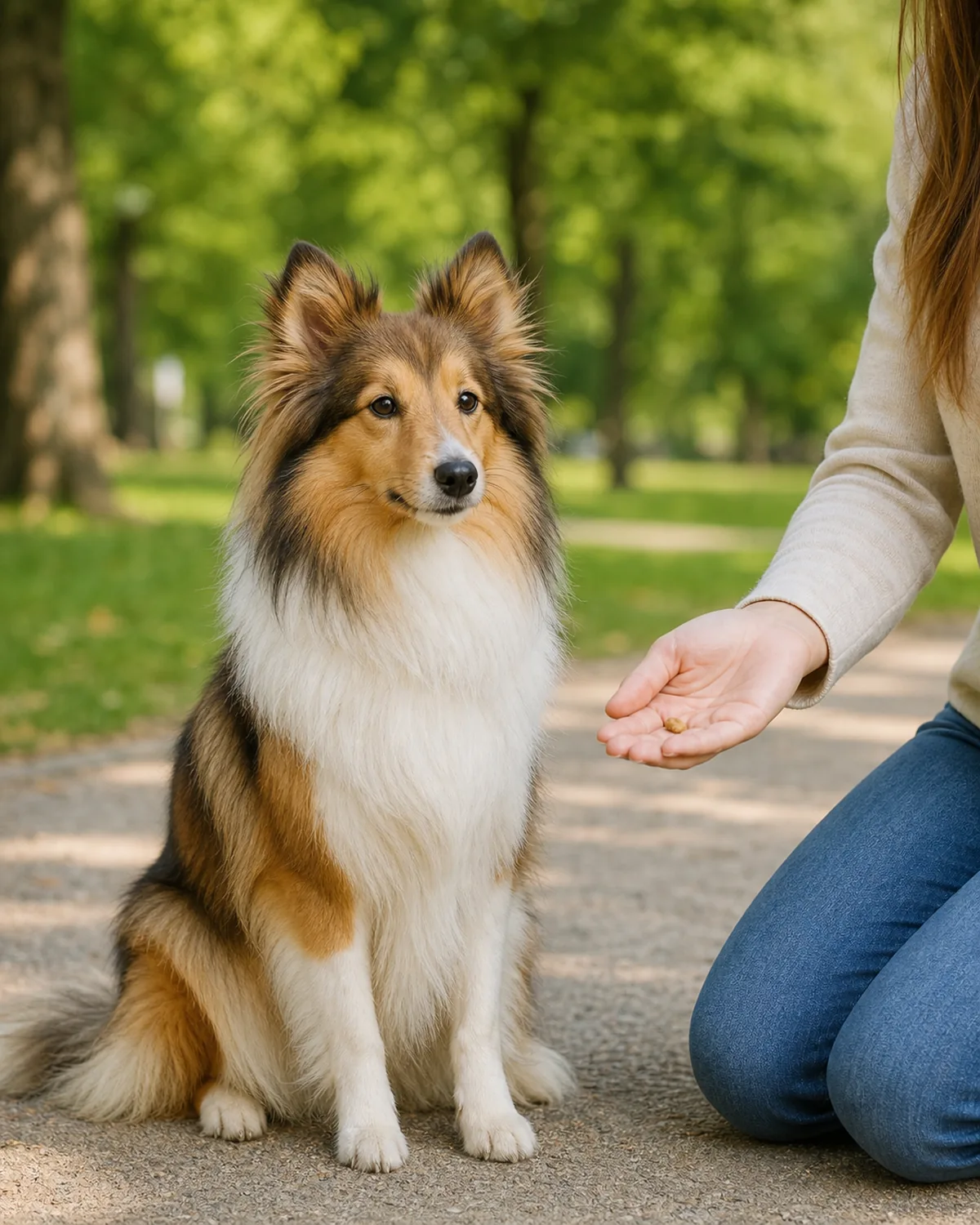
A "leave it" that's gone unpracticed for months can get rusty, the same way any skill does. A quick refresher with a low-value item every so often keeps the response fast when you actually need it.
Mix in the occasional real-world practice rep during ordinary walks, even when nothing is technically at risk, so the behavior stays sharp rather than only getting used in emergencies.
A dog who's kept the habit fresh will disengage from something the moment they hear the cue, without the hesitation or fixation that shows up after long stretches without practice.
About the author
Jess Calloway
Jess is a dog mom of three, and "leave it" earned its place as the first command she teaches every new dog after one of them nearly beat her to a dropped chicken bone. This guide covers why the command is worth teaching, what it actually means to a dog, the closed-fist method that starts it all, when to add the verbal cue, progressing to items on the floor, practicing with higher-value distractions, taking it outside, the difference between leave it and drop it, common mistakes that slow training down, what to do when a dog won't look away, how long it realistically takes, using it for safety, and keeping it sharp for the long run. Visit the About page.