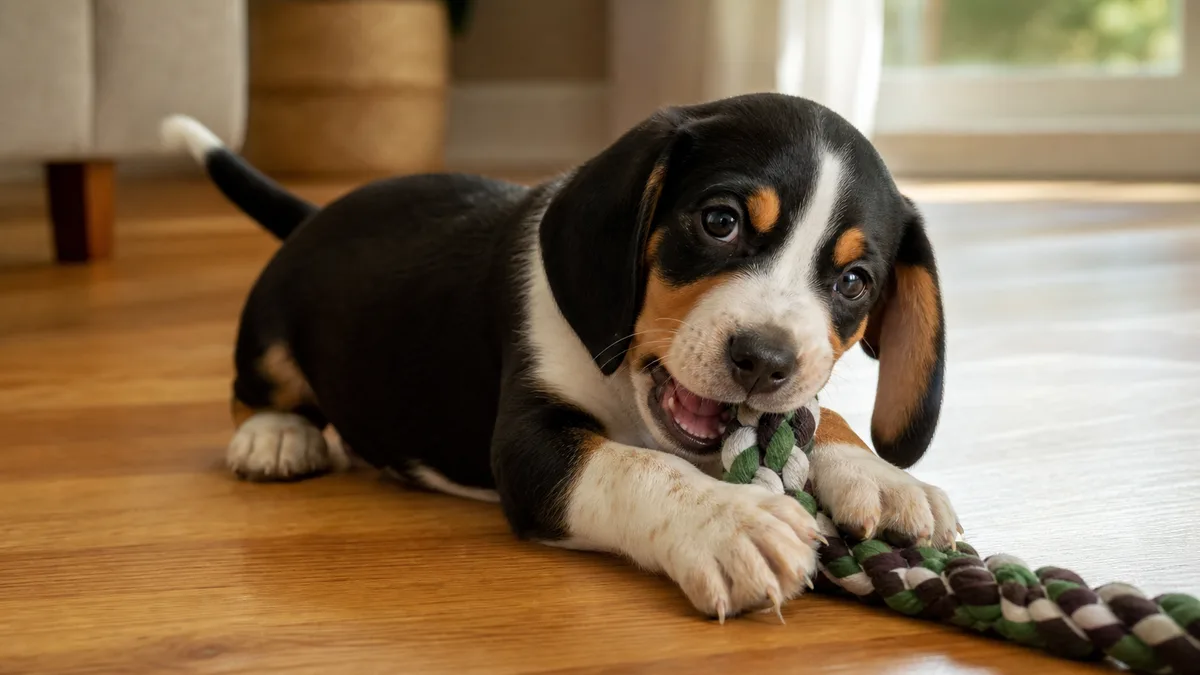
The first week my youngest puppy came home, every interaction ended the same way: tiny teeth sinking into my fingers, my sleeves, my ankles. I loved this dog, but I genuinely wondered if she would ever stop treating my hands like chew toys.
She did stop. Not because she grew out of it on her own, but because I learned what was actually happening in her head and changed my response.
This guide covers why puppies bite, what normal biting looks like versus what should concern you, and the calm redirect method that teaches bite inhibition without yelling, pinning, or punishment.
Jump to a section
How to stop a puppy from biting
Why they bite, how to tell normal from concerning, and the redirect method step by step.
1. Why Puppies Bite — It Is Not Aggression
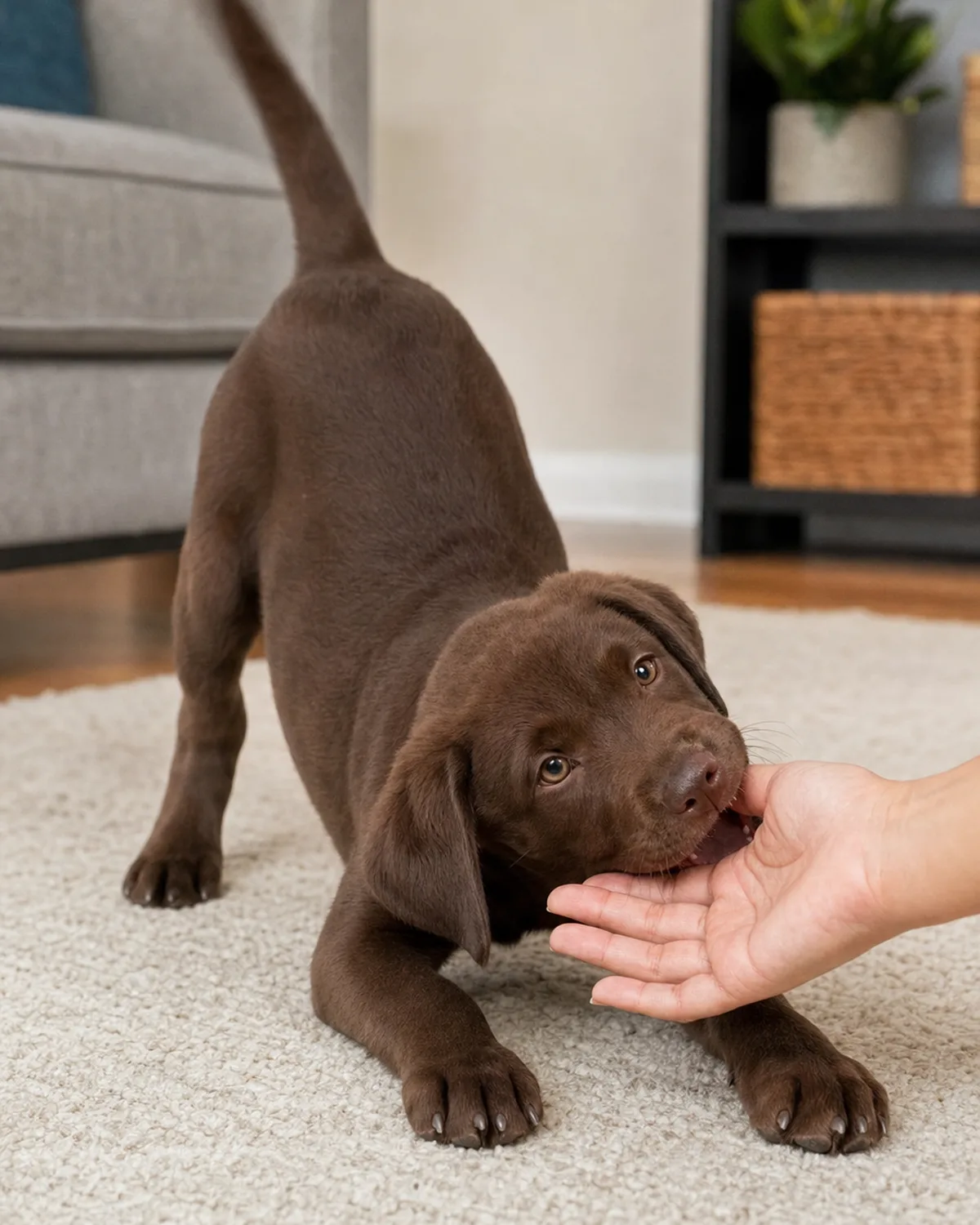
Puppies explore the world with their mouths the same way human babies explore with their hands. Biting, mouthing, and gnawing are how they learn about texture, pressure, and social boundaries. It feels personal when those needle teeth hit your skin, but your puppy is not trying to hurt you or dominate you.
Teething discomfort peaks between three and seven months, and chewing provides genuine physical relief. Play drive is another factor — puppies play rough with their littermates and bring that same energy to you. Boredom and excess energy make biting worse.
Understanding Changes Your Approach
A puppy with nothing to chew and nowhere to direct that energy will find something to bite, and it is usually your hand. Once you understand that this is exploration and discomfort rather than defiance, you stop trying to punish a natural behavior and start redirecting it instead.
2. Mouthing vs. Biting vs. Actual Aggression: How to Tell
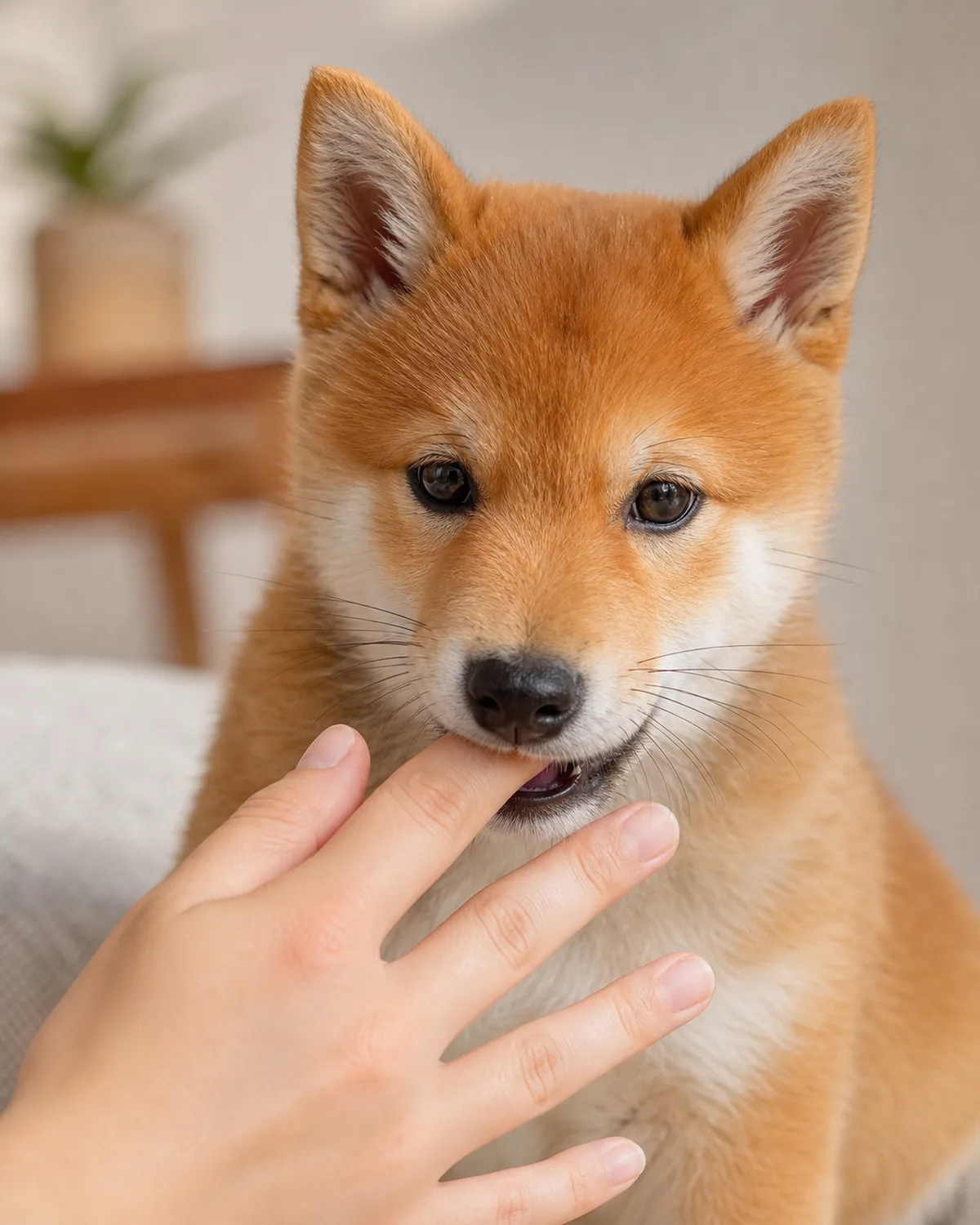
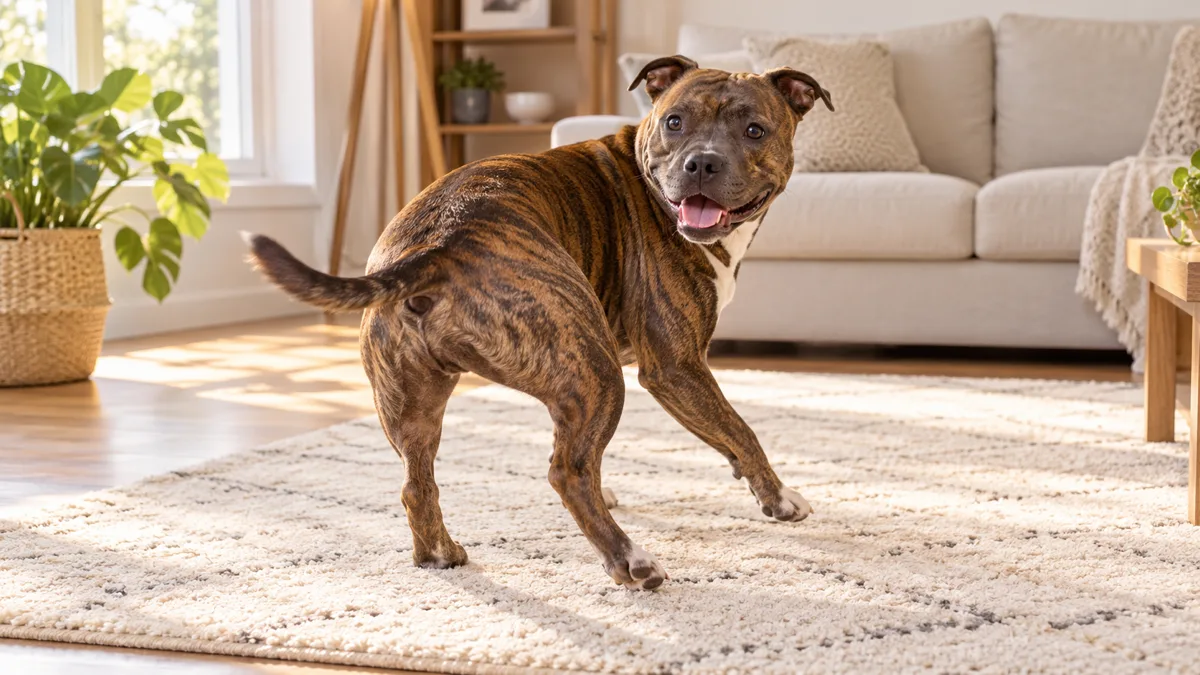
Normal mouthing looks like a relaxed puppy with a soft mouth. Their body is loose, their tail wags, and they often do a play bow before they start. When you say ouch or pull away, they pause — even if only for a second.
Hard biting happens when a puppy gets overstimulated. The mouth pressure increases, they latch on tighter, and they may start jumping and nipping in rapid succession. This is not aggression — it is a puppy who has blown past their excitement threshold and lost all impulse control.
Recognizing Actual Aggression
Actual aggression in a young puppy is rare but recognizable. The body goes stiff. The growl is low, sustained, and does not sound playful. The puppy does not release when you stop moving, and the facial muscles tighten. If you are seeing this pattern consistently, contact a certified professional dog trainer or veterinary behaviorist this week.
Which type of biting are you seeing?
Three levels and what each one needs
Start here to figure out which response fits your puppy right now.
Normal mouthingSoft mouth, relaxed body, play signalsPuppy pauses when you say ouch, shows play bows, tail wags. This is standard 8–16 week behavior. Redirect to a toy and give it time — this phase passes with consistent guidance.
Over-excited hard bitingLatching tight, jumping, nipping in burstsNot aggression, but the puppy has lost impulse control. Redirect plus calm exit (walk away for two minutes) combined with more structured rest and exercise breaks throughout the day.
Stiff-body aggression signsRigid posture, sustained low growl, will not releaseRare in puppies under six months but recognizable when it happens. Contact a certified professional dog trainer or veterinary behaviorist this week — do not wait.
Most puppy biting falls into the first two categories. If yours does too, the redirect method covered in this guide is your primary tool.
3. The Peak Biting Window (and Why It Ends)
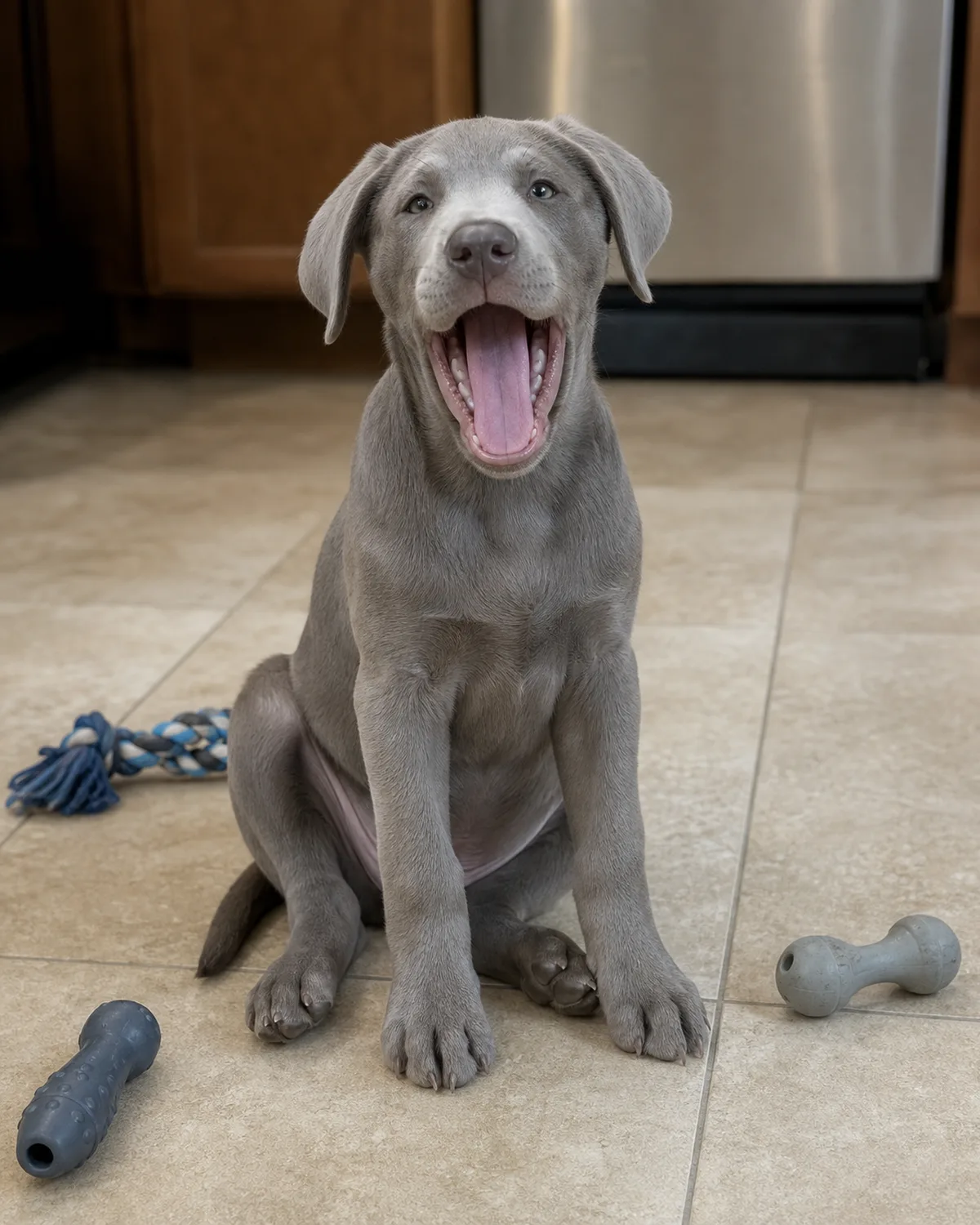
Puppy biting follows a predictable arc. It typically starts ramping up around eight weeks, peaks between twelve and sixteen weeks, and then hits a second wave during the teething period from four to six months when adult teeth push through sore gums.
Most puppies show a significant drop in biting frequency around seven to eight months. But here is the part that matters: the puppies who learn real bite inhibition are the ones whose owners actively trained it.
The Timeline Is On Your Side
The puppies who were simply tolerated or punished often carry mouthy habits — or worse, fearful responses — into adulthood. You are not fighting an uphill battle. You are guiding a natural developmental process toward the right outcome.
4. What Bite Inhibition Actually Means

Bite inhibition is not about teaching your puppy to never use their mouth. It is about teaching them to control the pressure of their bite.
This happens in two stages, and the order matters. First, the puppy learns to use a softer mouth. They figure out that biting too hard ends the fun — play stops, the person withdraws, the interaction pauses.
Two Stages, Not One
Second, once soft mouth is established, you gradually reduce mouthing altogether. The puppy learns that hands, ankles, and clothing are not appropriate chew targets at all, even gently.
Skipping the first stage and going straight to no mouth contact ever tends to backfire. A puppy who never learns pressure control may bite hard the one time they do mouth someone — during a vet visit, a startling moment, or play with a child.
5. The Redirect Method: How It Works Step by Step
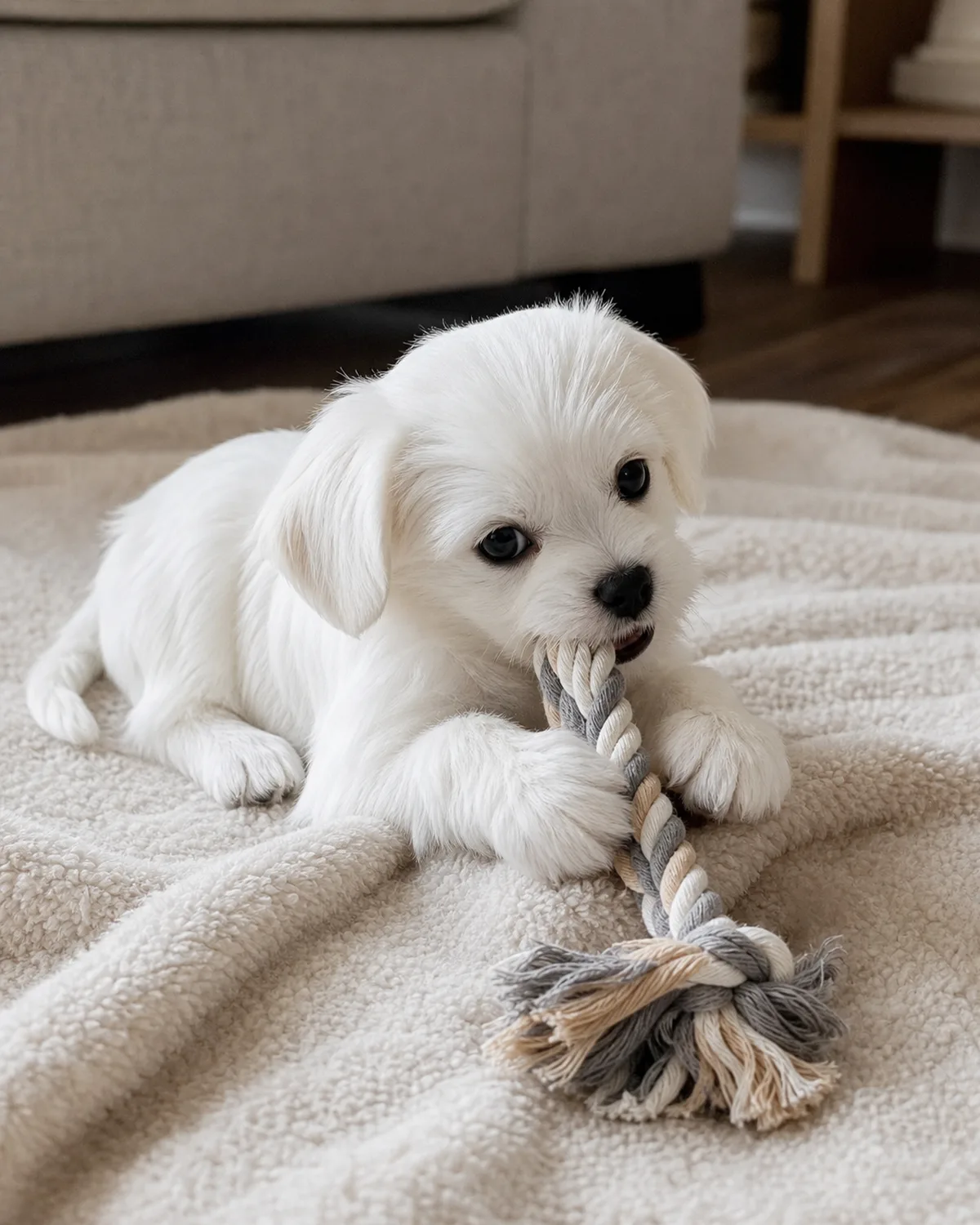
When your puppy bites your hand, freeze. Do not pull away — yanking your hand triggers chase instinct and makes the game better. Let your hand go limp, say a short neutral ouch in a calm tone, and wait one second.
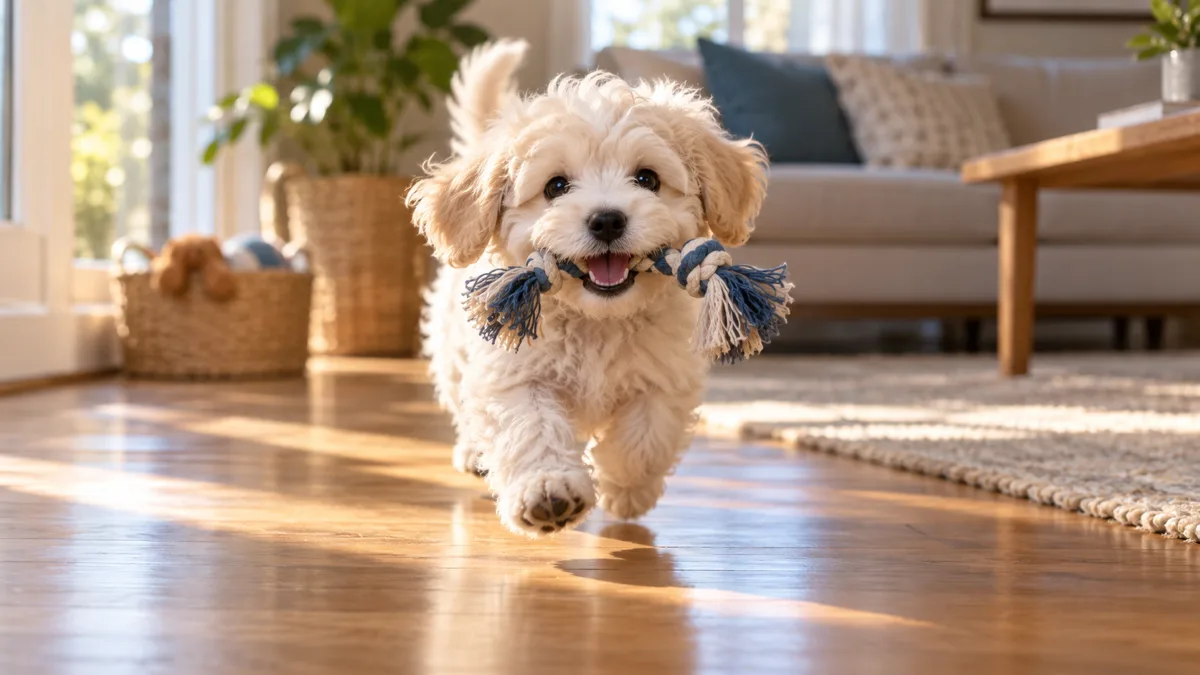
Then offer a toy. Have a chew toy within arm’s reach at all times during the early months. A rope toy, a rubber chew, anything appropriate. The moment you say ouch and the puppy releases or loosens, slide the toy into their mouth. When they take the toy, praise them immediately.
Timing and Consistency
The timing matters more than the specific toy. The redirect needs to happen within five seconds of the bite. This is why keeping toys stashed in every room helps — see how to puppy-proof your home for setting up your space so safe chew options are always within reach.
Practice this hundreds of times. Not dozens. Hundreds. Consistency is what makes it stick.
6. When Redirect Does Not Work: The Calm Exit
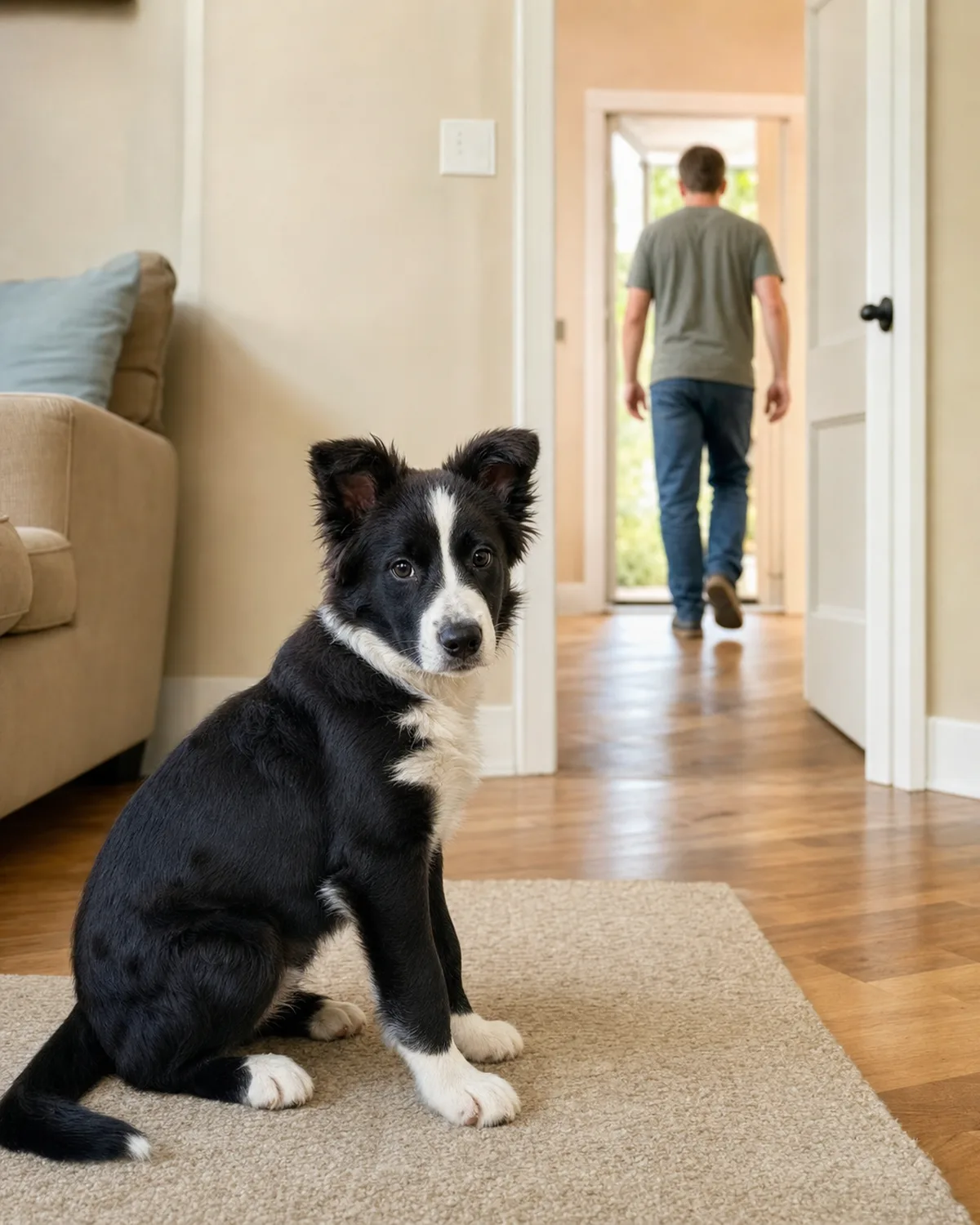
Some biting sessions escalate past the point where a toy redirect works. The puppy is too wound up, too overstimulated, too deep into zoomie-bite mode to care about any toy you offer.
When this happens, do not match their energy. Stand up slowly, cross your arms, and walk out of the room without a word. No dramatic exit, no scolding, no eye contact. Leave for about two minutes, then come back and start fresh.
The Crate as a Calm-Down Space
This teaches the puppy one clear lesson: biting too hard makes the fun person disappear. That is a powerful consequence for a social animal, and it requires zero punishment.
If the puppy is in a safe space with a crate available, you can guide them into the crate with a treat for a brief cooldown — three to five minutes, not longer. The crate is a calm-down space, not a jail. See how to crate train a puppy for building a positive crate relationship that supports this kind of transition.
The non-negotiables
Always do this — never do that
These rules protect both your puppy’s trust and your training progress.
Always Do this
- Keep a chew toy within arm’s reach during play.
- Freeze your hand when bitten — do not pull away.
- Redirect to a toy within five seconds, then praise.
- Walk away calmly for two minutes when redirect fails.
- Provide frozen chew relief during the teething window.
- Supervise every child-puppy interaction in the same room.
- Track which times of day biting peaks.
Never Avoid this
- Use your bare hands as play toys.
- Yell or shriek — some puppies get more excited, not less.
- Hold the puppy’s mouth shut or pin them down.
- Alpha roll or physically force the puppy onto their back.
- Use the crate as a punishment tool.
- Ignore hard biting past eight months hoping they outgrow it.
- Give up after one bad session — setbacks are normal.
7. Five Things That Make Biting Worse (and People Do Them Anyway)
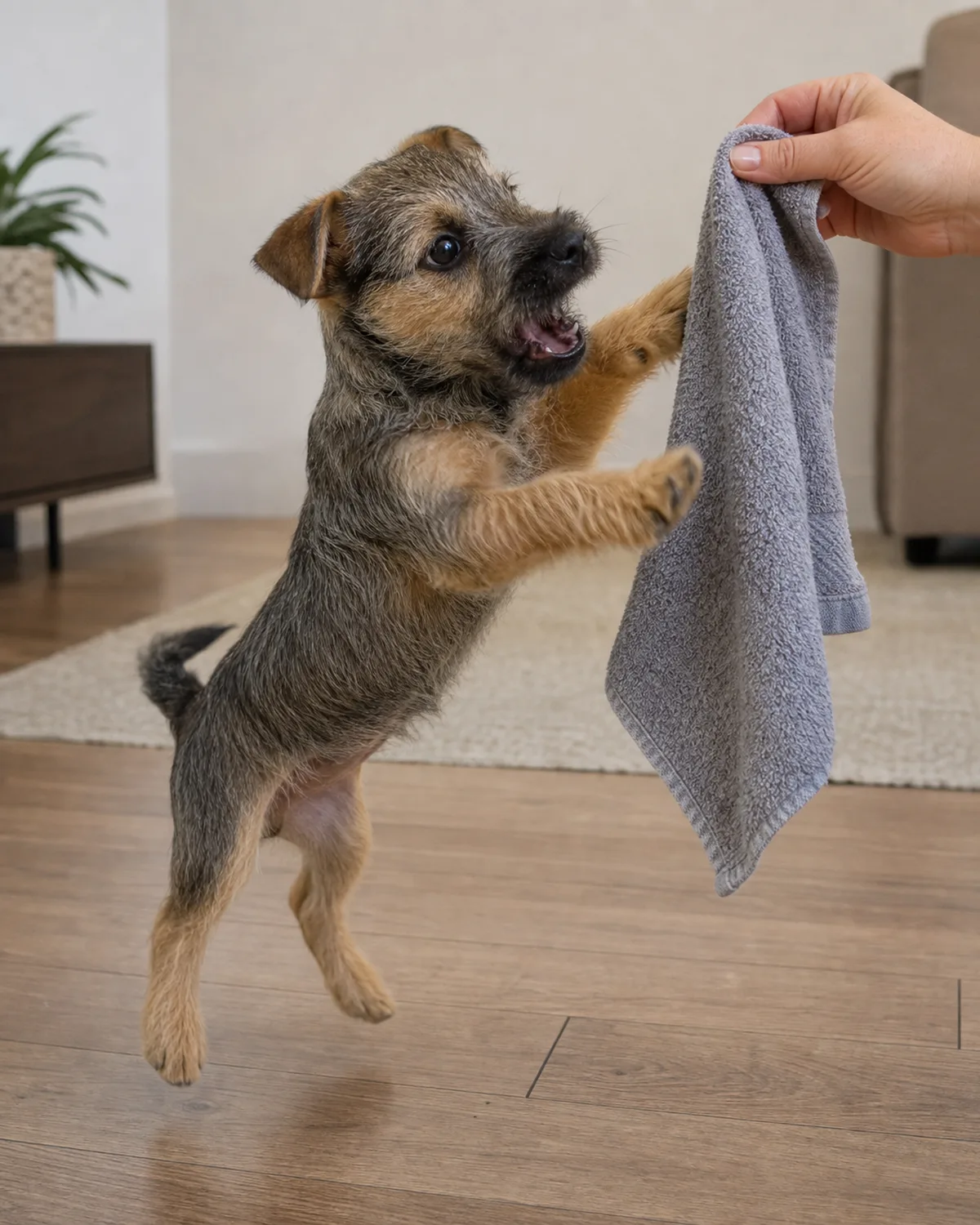
Wrestling with your hands. When you use your bare hands as play toys — roughhousing, wiggling your fingers, letting the puppy gnaw on your knuckles — you are teaching them that hands are appropriate targets. Every time.
Pulling away fast. Your instinct when bitten is to yank your hand back. But rapid movement triggers prey drive. To a puppy, a retreating hand is a fleeing animal, and chasing it is the best game ever.
The Corrections That Backfire
Screaming or yelling. A sharp, high-pitched yelp was once recommended as a training technique. But many puppies get more excited by loud noises, not less. If your puppy amps up when you yelp, switch to a calm, low ouch instead.
Physical corrections. Holding the puppy’s mouth shut, pinching their lip, flipping them onto their back, or tapping their nose — all of these teach the puppy to fear your hands. Fear does not build bite inhibition.
Giving attention only when they bite. If the only time your puppy gets animated interaction from you is when they nip and you react, you have accidentally reinforced the exact behavior you want to stop. Engage and praise your puppy during calm moments and appropriate play.
8. Teething Relief That Actually Helps

Part of the biting problem is physical discomfort. Between four and six months, your puppy’s baby teeth are falling out and adult teeth are pushing through tender gums. Chewing is not a behavioral choice during this period — it is pain management.
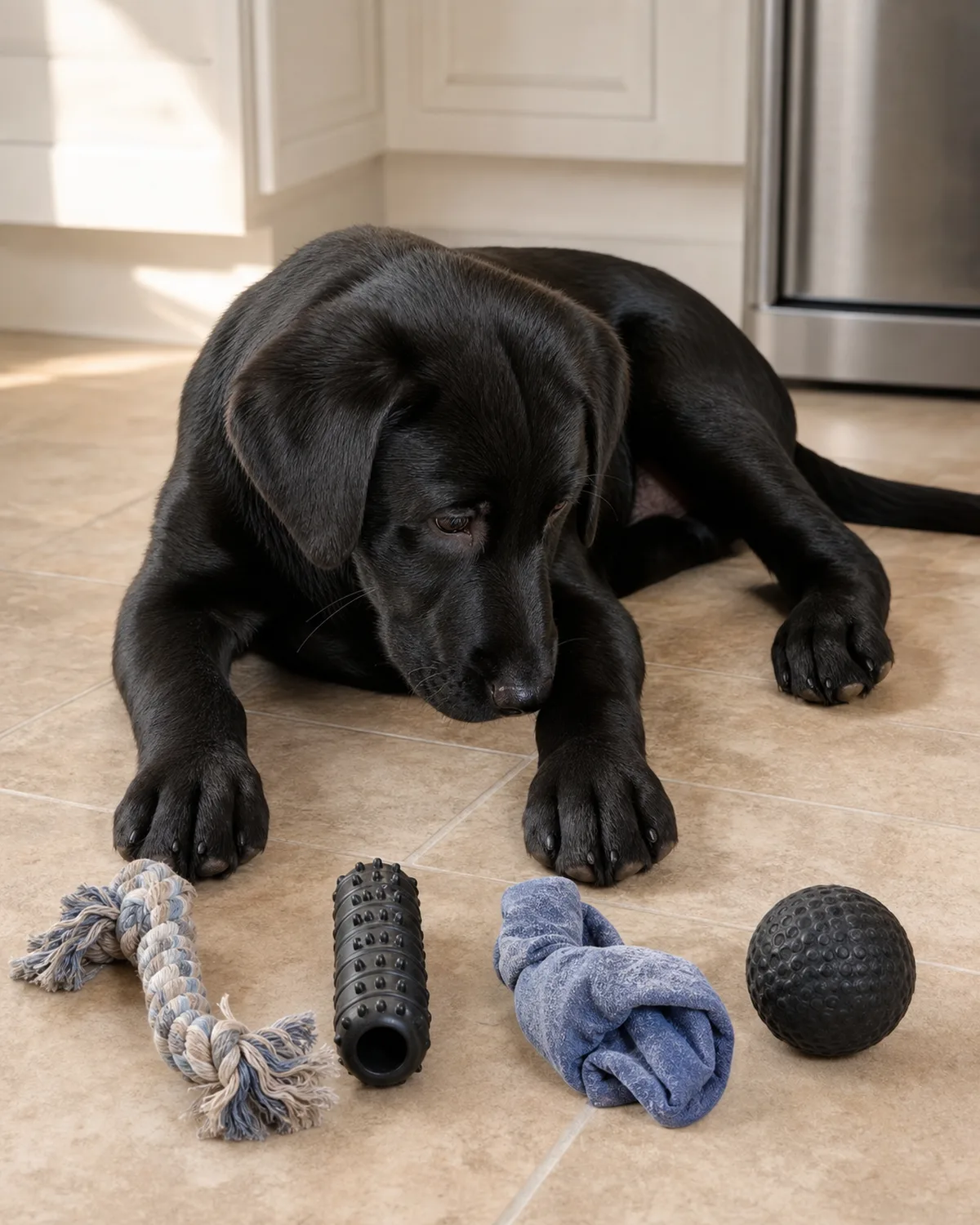
Frozen washcloths work well. Wet a clean cloth, twist it into a rope shape, freeze it, and offer it to your puppy. The cold numbs sore gums and the texture satisfies the chewing urge.
Choosing the Right Chew Toys
Frozen carrot sticks are another option — sturdy enough to last a few minutes, cold enough to soothe, and safe if small pieces break off.
Choose chew toys matched to your puppy’s size and chew strength. Too hard (antlers, bones) can crack developing teeth. Too soft (plush toys) get destroyed in seconds and create a choking risk. Medium-firm rubber toys designed for puppies hit the right balance.
Save this guide
Puppy Biting Age-by-Age Progress Guide
- 1
8–12 weeksPeak mouthing begins. Redirect every bite to a toy. Keep toys in every room. This is the foundation stage — frequency will be high.
- 2
12–16 weeksBiting intensity may increase as play drive grows. Add calm exits when redirect fails. Start tracking peak biting times to plan rest breaks.
- 3
4–6 months (teething)Adult teeth push through — gums are sore and chewing increases. Provide frozen washcloths and carrot sticks. This is physical, not behavioral.
- 4
6–8 monthsBiting frequency drops noticeably. Soft mouth should be established. Mouthing may continue but with far less pressure.
- 5
8 months and beyondMost trained puppies have moved past biting. If hard biting continues with stiff body language, contact a professional trainer — do not keep waiting.
9. Teaching Kids to Handle a Mouthy Puppy
Children are the most frequent targets of puppy biting. Their hands are smaller and more accessible, they move quickly and unpredictably, and their high-pitched voices can trigger excitement.
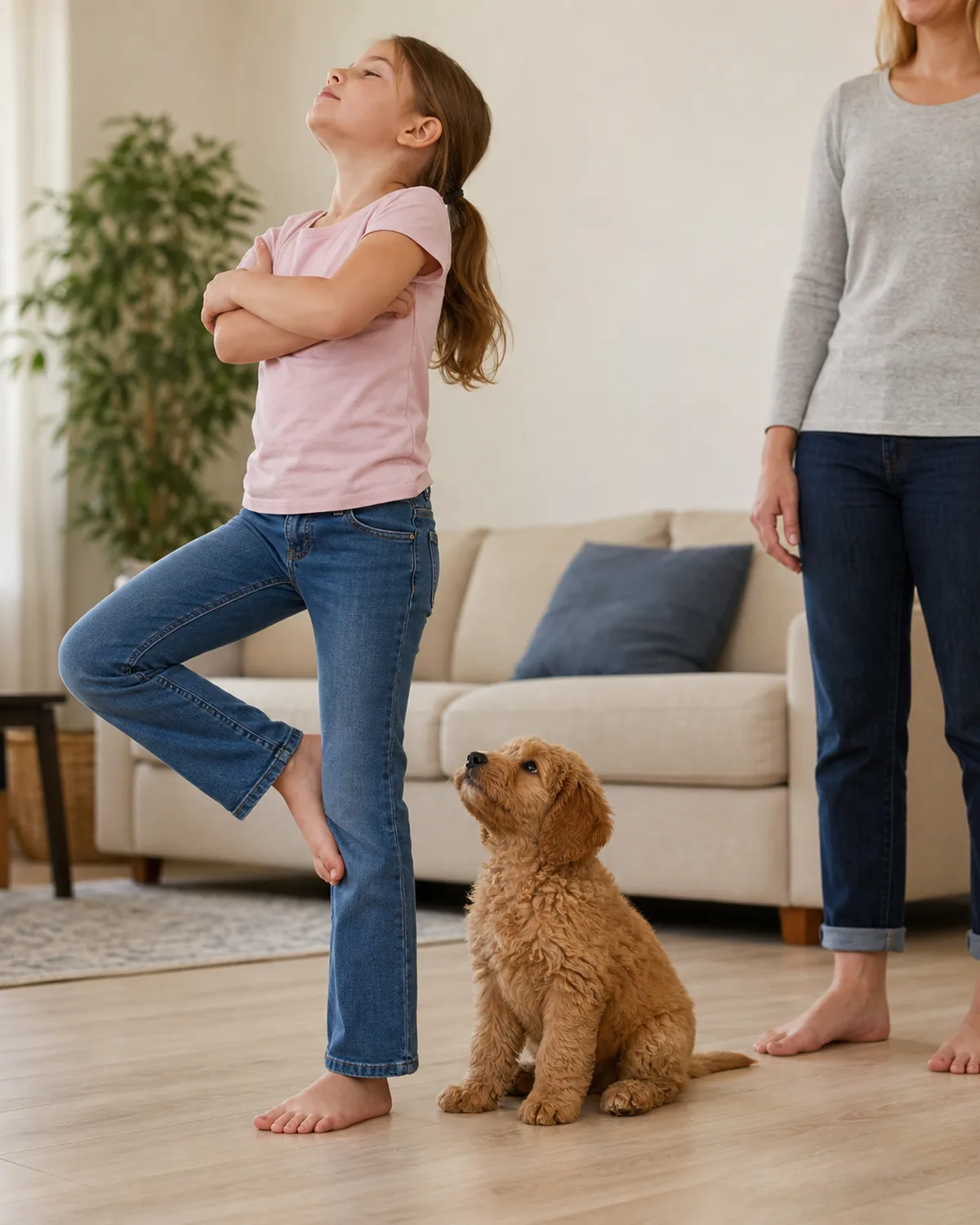
Teach children the be-a-tree response. When the puppy starts biting, the child freezes completely — arms crossed against their chest, eyes looking up at the ceiling, no sound, no movement. Most puppies lose interest in a target that stops being fun within ten to fifteen seconds.
Supervision Is Not Optional
An adult should always be present when young children and puppies interact. Not in the next room — in the same room, within arm’s reach. Even the best-trained puppy can get overstimulated, and even the most responsible child can forget the rules in a moment of excitement.
When either the child or the puppy is getting tired or wound up, separate them before biting starts. Prevention beats correction every time.
10. Socialization and Bite Inhibition Go Together

The best bite inhibition teacher is not a human — it is another puppy.
When puppies play together, they give each other instant feedback on bite pressure. A puppy who bites too hard gets a yelp, a withdrawal, and a brief pause in play. This feedback loop is faster, more consistent, and more meaningful to a puppy than anything a human can replicate.
Supplements, Not Replaces
Puppy socialization classes, supervised play dates with known healthy puppies, or interactions with calm, tolerant adult dogs all provide this learning opportunity. An older dog who gently corrects a mouthy puppy with a lip curl or a brief pin is not being aggressive — they are teaching manners the way dogs have done for thousands of years.
Socialization does not replace your redirect training at home. It supplements it. A puppy who learns bite inhibition from both dogs and humans has the most reliable mouth control.
11. When to Call a Professional
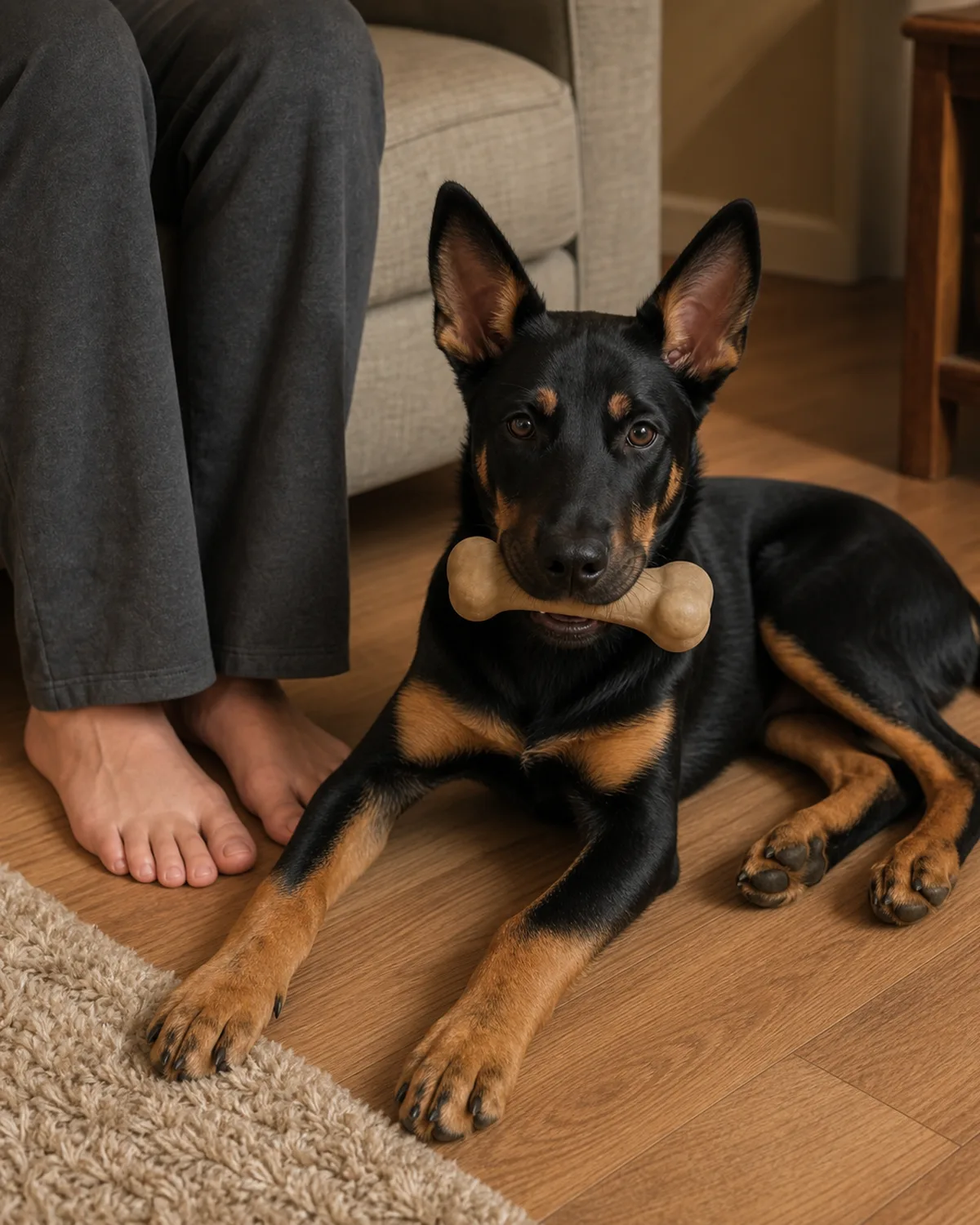
Most puppy biting resolves between six and eight months with consistent redirect training and patience.
Call a certified professional dog trainer or veterinary behaviorist if your puppy is older than eight months and still biting hard with no signs of improvement. If the biting is accompanied by a stiff body, sustained low growling, and refusal to release, that pattern needs expert evaluation.
Getting Help Is Not a Failure
If the puppy’s biting is directed disproportionately at one family member, especially a child, do not wait to see if it resolves. A good trainer will observe the behavior in context, rule out pain or fear-based causes, and build a plan specific to your puppy. This is not a failure — it is the responsible next step.
12. Small Wins and How Long This Usually Takes
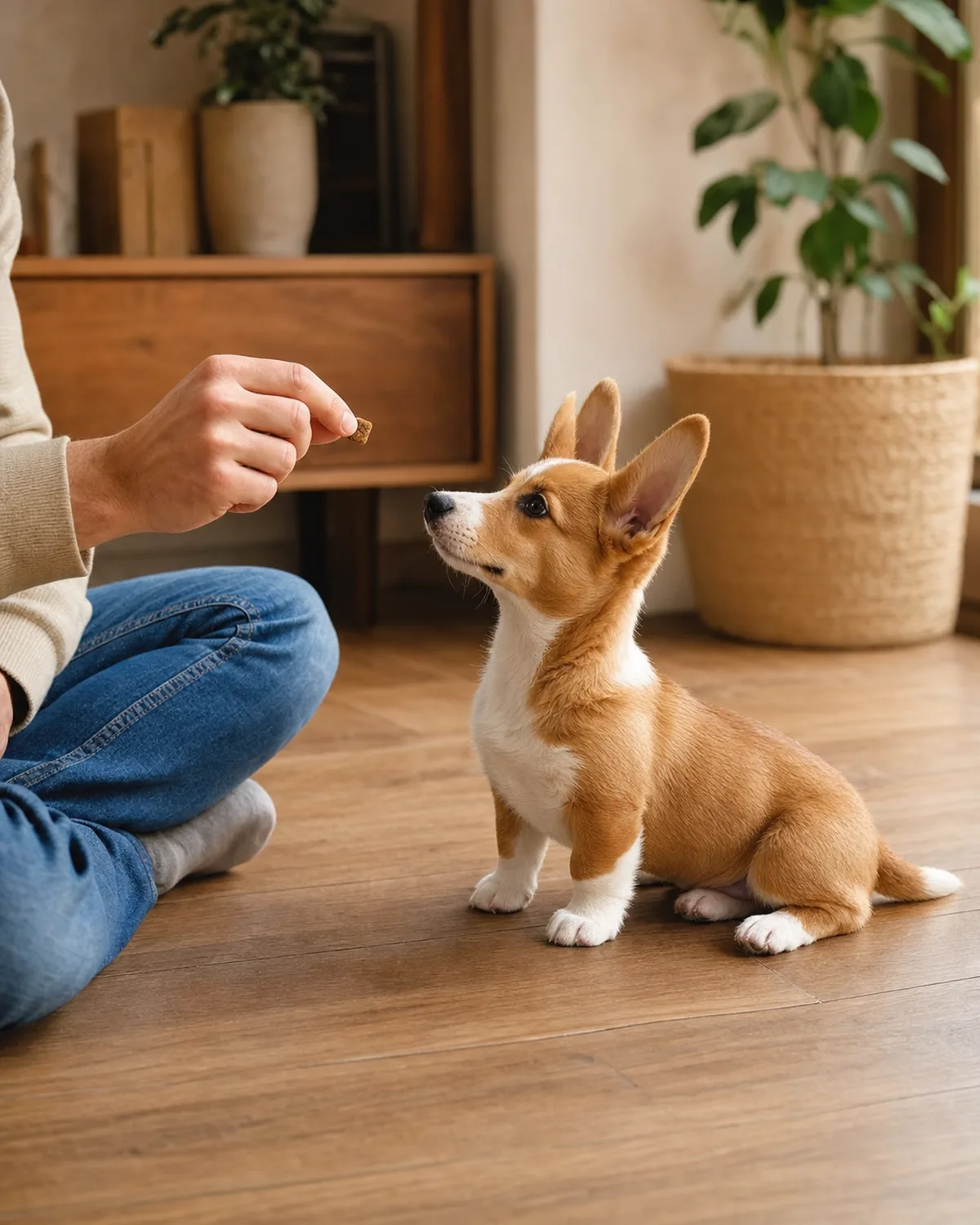
Bite inhibition training is a long game. You will not see a dramatic overnight change. What you will see is a gradual shift — fewer bites per play session, softer pressure when mouthing does happen, and longer stretches of play without any biting at all.
Most owners notice a real difference within three to four weeks of consistent redirecting. The teething period may cause a temporary setback, but the underlying progress holds. By seven to eight months, the vast majority of puppies who received consistent training have moved past the biting phase entirely.
Celebrate the Evidence
The first time your puppy takes the toy instead of your hand without prompting. The first play session that lasts five minutes with zero bites. The first time a guest comments that your puppy is gentle. Those moments are the evidence that the hundreds of redirects mattered.

About the author
Jess Calloway
Jess Calloway edits Pawliqa, where she shares dog care, grooming, training, and new-owner tips — plus DIY and pet-friendly home ideas — for anyone who wants a happy, well-cared-for dog. As a dog mom to three very different dogs, she writes the honest, tested version of what actually works. Every guide is image-led and reviewed for clarity, usefulness, image accuracy, and Pinterest-to-page alignment before it goes live. Visit the About page.