The first Fourth of July with my oldest dog, I didn't think to prepare for anything. By the second boom outside, she was wedged behind the toilet, shaking, and I had no plan beyond sitting on the bathroom floor with her until it stopped.
Noise anxiety isn't something you fix in the middle of an episode. The dogs who handle fireworks and thunder best are the ones whose owners started building a plan weeks or months before the first loud night.
This is that plan: what's actually happening in your dog's body when the booms start, how to set up a safe space in advance, what genuinely helps in the moment, and when it's worth a conversation with your vet.
Jump to a section
How to keep your dog calm during fireworks and thunderstorms
Why the fear happens, how to build a plan ahead of time, and what genuinely helps once the noise starts.
1. Why Fireworks and Thunderstorms Trigger Fear in Dogs
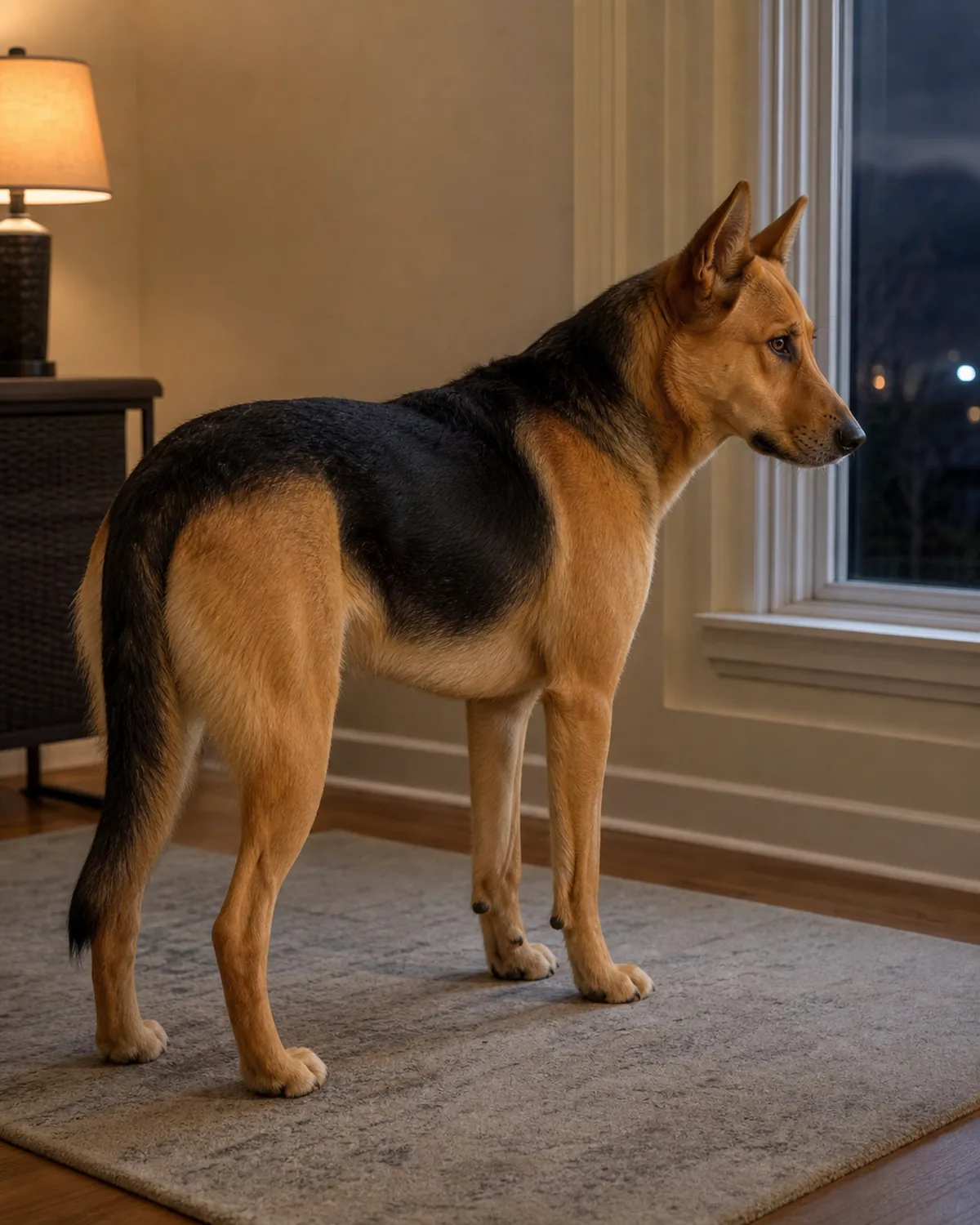
Dogs hear a wider range of frequencies than we do, and far more sensitively, so a boom that startles us can genuinely hurt their ears. Thunderstorms add a second layer: dogs can sense the drop in barometric pressure before a storm arrives, and some react to the static buildup in their own fur.
Unpredictability makes it worse. A sound with no pattern and no warning keeps a dog's nervous system on alert long after the noise itself stops, which is why the pacing and panting can linger well past the last boom.
None of this means your dog is being dramatic. Their senses are picking up real signals that ours simply can't.
2. Recognizing the Signs Before They Escalate
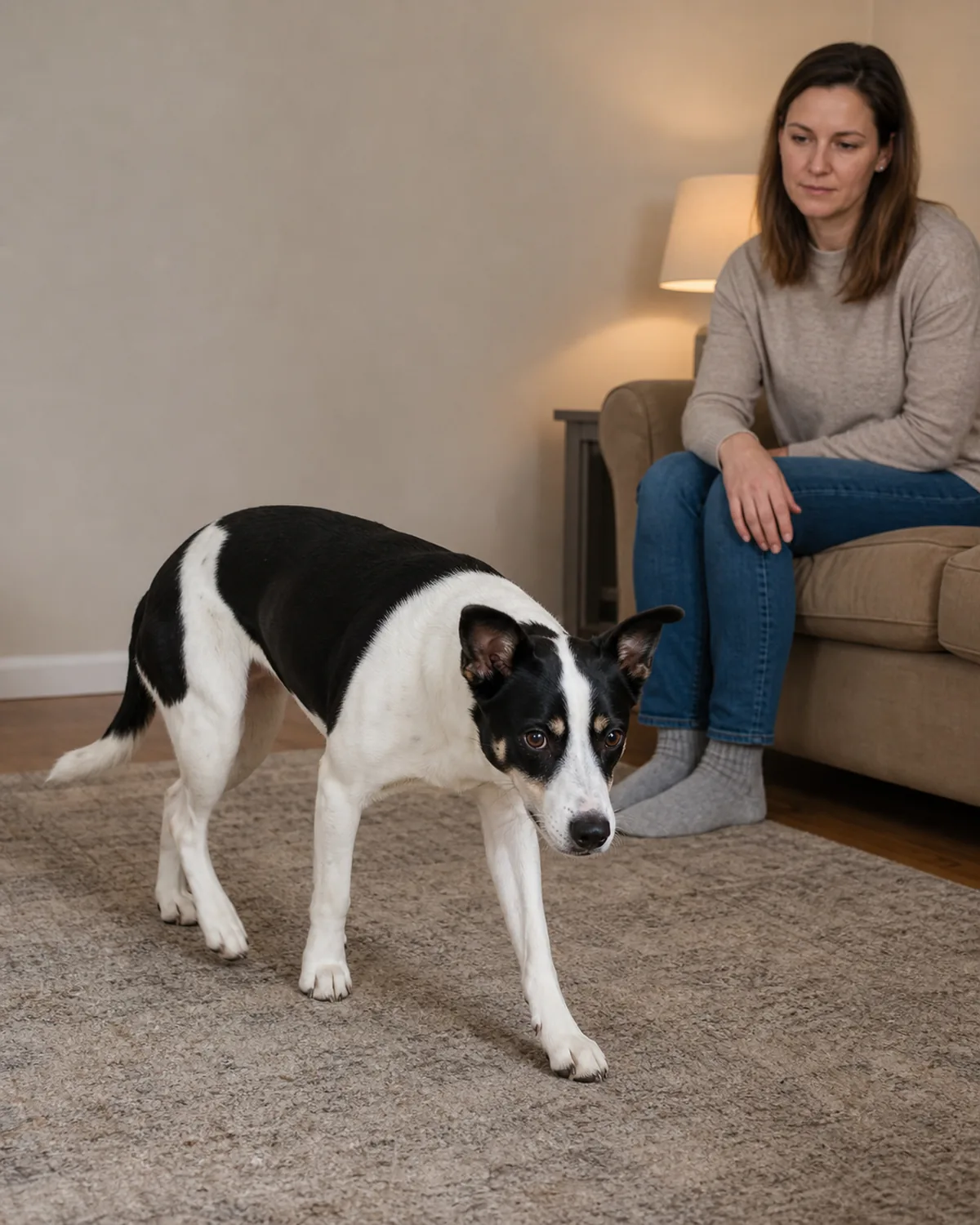
Early signs are easy to miss because they look like normal restlessness: panting with no exercise behind it, pacing between rooms, lip licking, or suddenly wanting to be close to you for no obvious reason.
Left unaddressed, those early signs can climb into hiding, drooling, refusing food, or pawing at doors and windows trying to get away from the sound. Watching for the early tier matters, because it's much easier to redirect a mildly restless dog than a fully panicked one.
Every dog's baseline looks different, so the goal isn't matching a checklist exactly — it's noticing when your own dog's normal shifts into something more.
Before you decide what to do next
The one thing that tells you how urgent this actually is
Watch your dog for thirty seconds. Which of these four tiers matches what you're actually seeing?
Mild AlertnessManage the environmentPanting, pacing, easily distracted by a treat. Curtains, white noise, and a calm tone are usually enough.
Moderate AnxietySafe space plus companyHiding, but still approachable and able to be comforted. Let them choose their spot and sit nearby.
Severe PanicCompression wrap and a planDrooling, trying to escape, can't be soothed. A body wrap can help tonight; start desensitization work well before the next season, and mention it to your vet.
Self-Injury or Escape RiskSecure them first, call your vet afterSlamming into doors, clawing at themselves or the walls. Keep them safely contained tonight, then book a vet conversation about anxiety support.
Tier C and D both deserve a conversation with your vet — not during the episode, but as soon as things are calm again, so you have a real plan before the next loud night.
3. Building a Safe Den Space Before the Season Starts
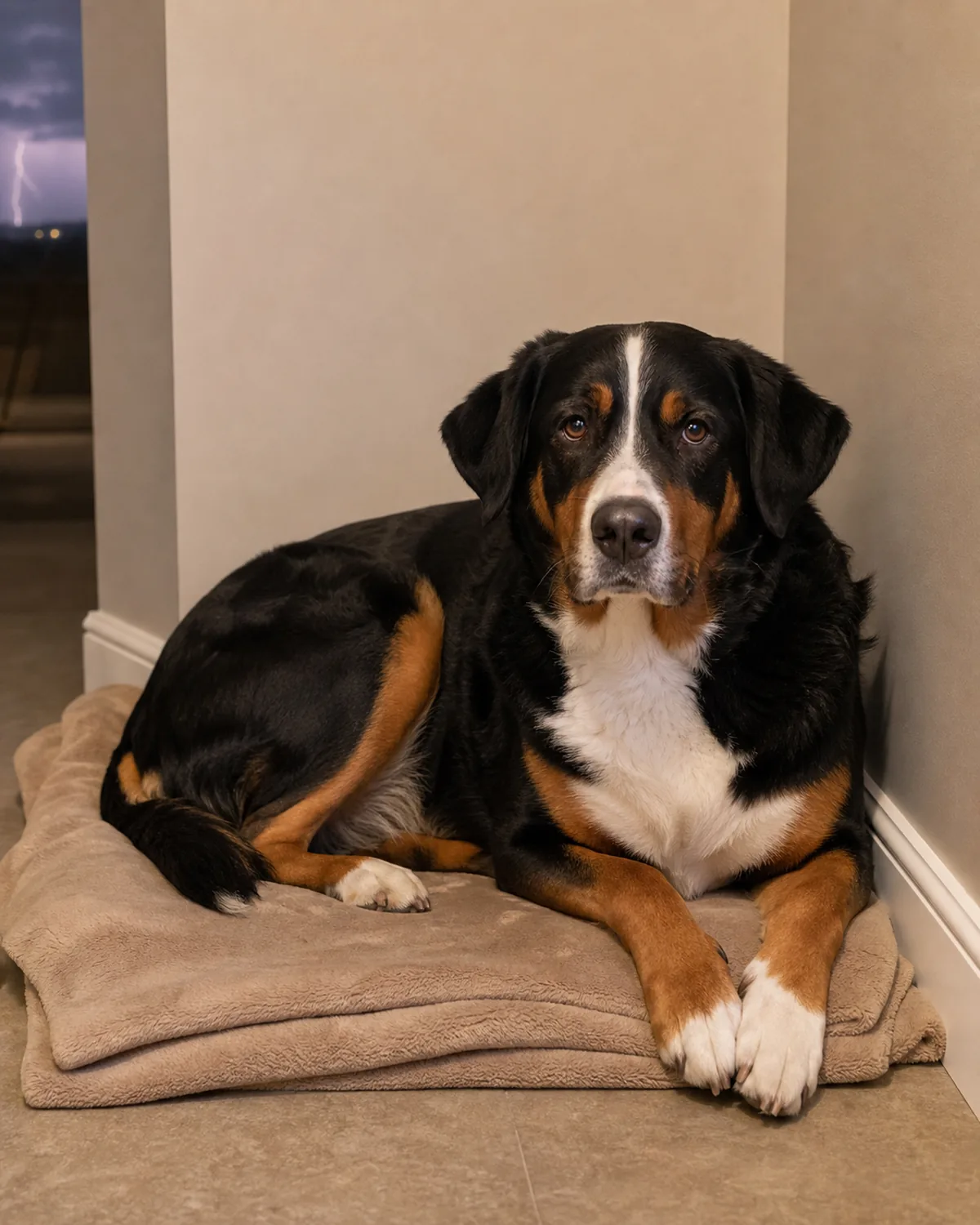
Pick one consistent spot — a corner, a covered crate, a spot behind furniture your dog already gravitates toward on ordinary days — and make it comfortable well before storm season or a holiday with fireworks arrives.
A familiar blanket, an item of your worn clothing, and a bit of distance from windows all help. The goal is a space your dog already associates with calm, not one they're discovering for the first time mid-panic.
Setting this up weeks in advance, and letting your dog visit it voluntarily on quiet days, does more than any last-minute scramble once the first boom hits.
4. Sound Desensitization You Can Start Months in Advance
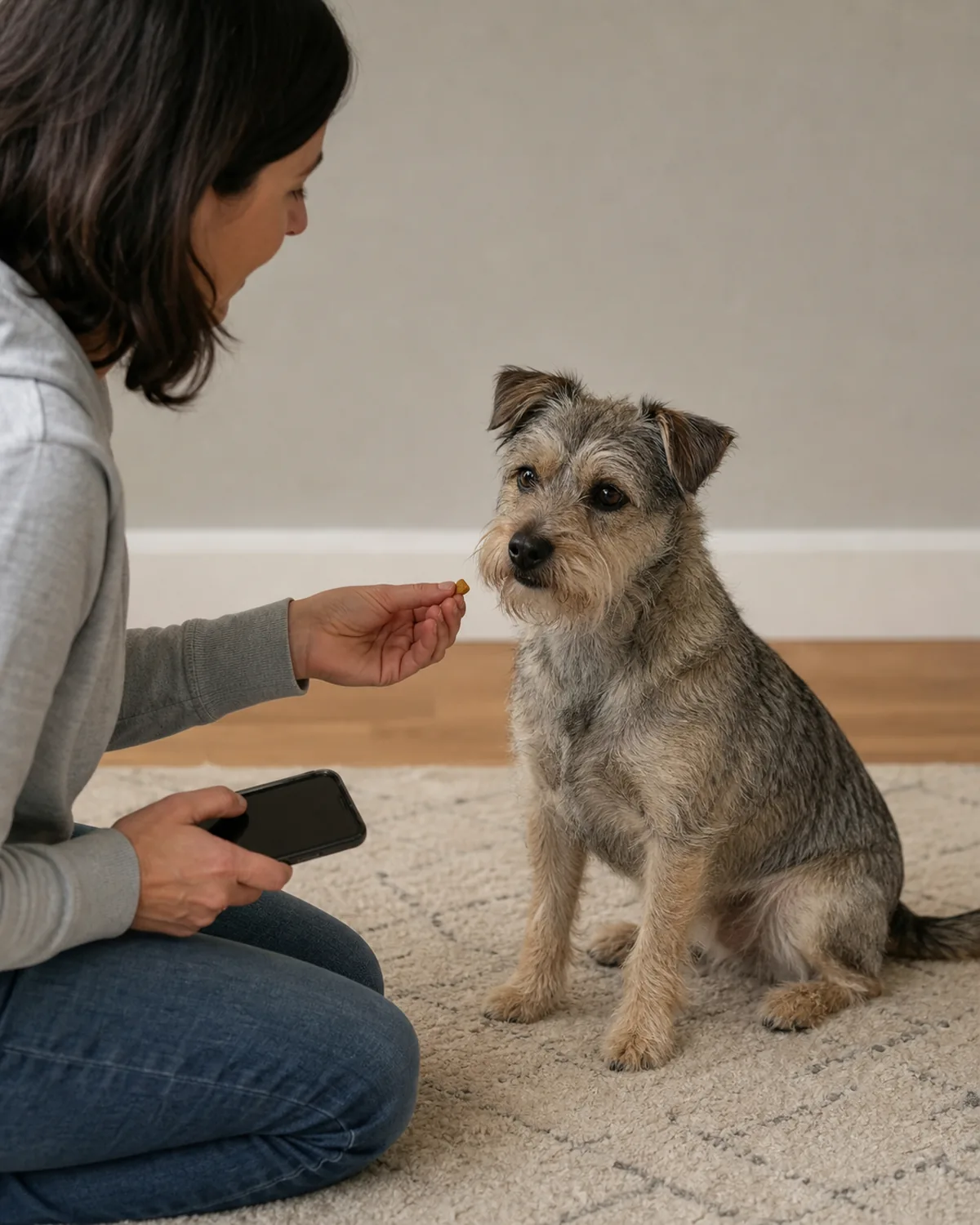
Play a recording of fireworks or thunder at a volume so low your dog barely notices, paired with treats and a relaxed atmosphere. If your dog stays loose and comfortable, that's the starting volume — not a test of how much they can tolerate.
Increase the volume in small increments over several weeks, always stopping and stepping back down if you see any tension. Rushing this process usually backfires and sensitizes a dog further instead of desensitizing them.
Starting in a calm season — say, in early spring before summer fireworks — gives you months of room to work gradually instead of cramming it into the week before a holiday.
5. The Body-Wrap and Compression Method
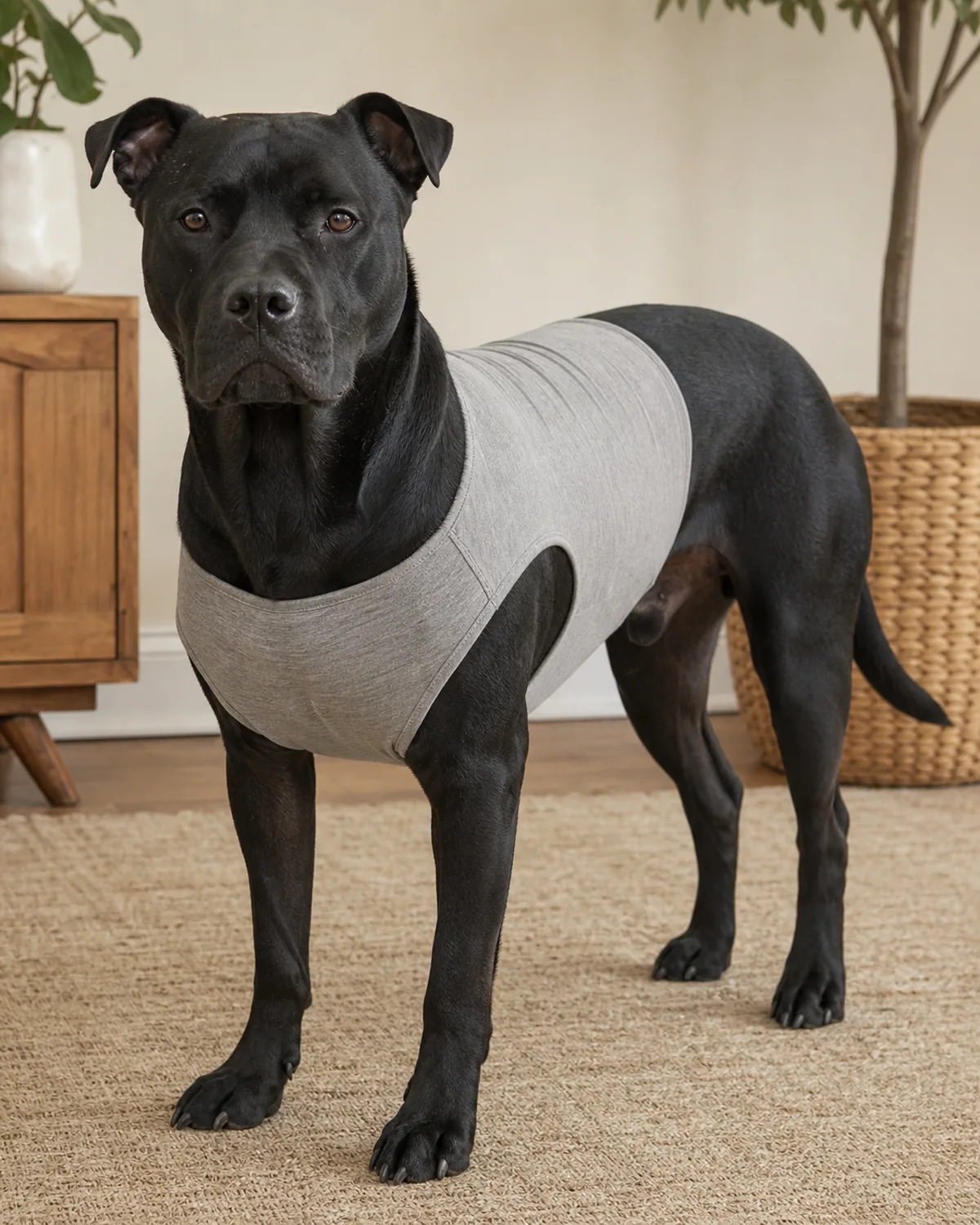
A snug, well-fitted wrap or vest applies gentle, constant pressure across a dog's torso, similar to the effect of swaddling an infant. For some dogs, that steady pressure measurably lowers the physical signs of stress.
It won't work for every dog, and it's not a substitute for the rest of this plan — but it's a low-risk tool worth trying, especially alongside desensitization and a safe space.
Introduce the wrap on an ordinary quiet day first, not for the first time during an actual storm. A dog needs to already feel neutral about the wrap itself before it can help during a genuinely stressful event.
6. What Actually Helps During an Active Episode
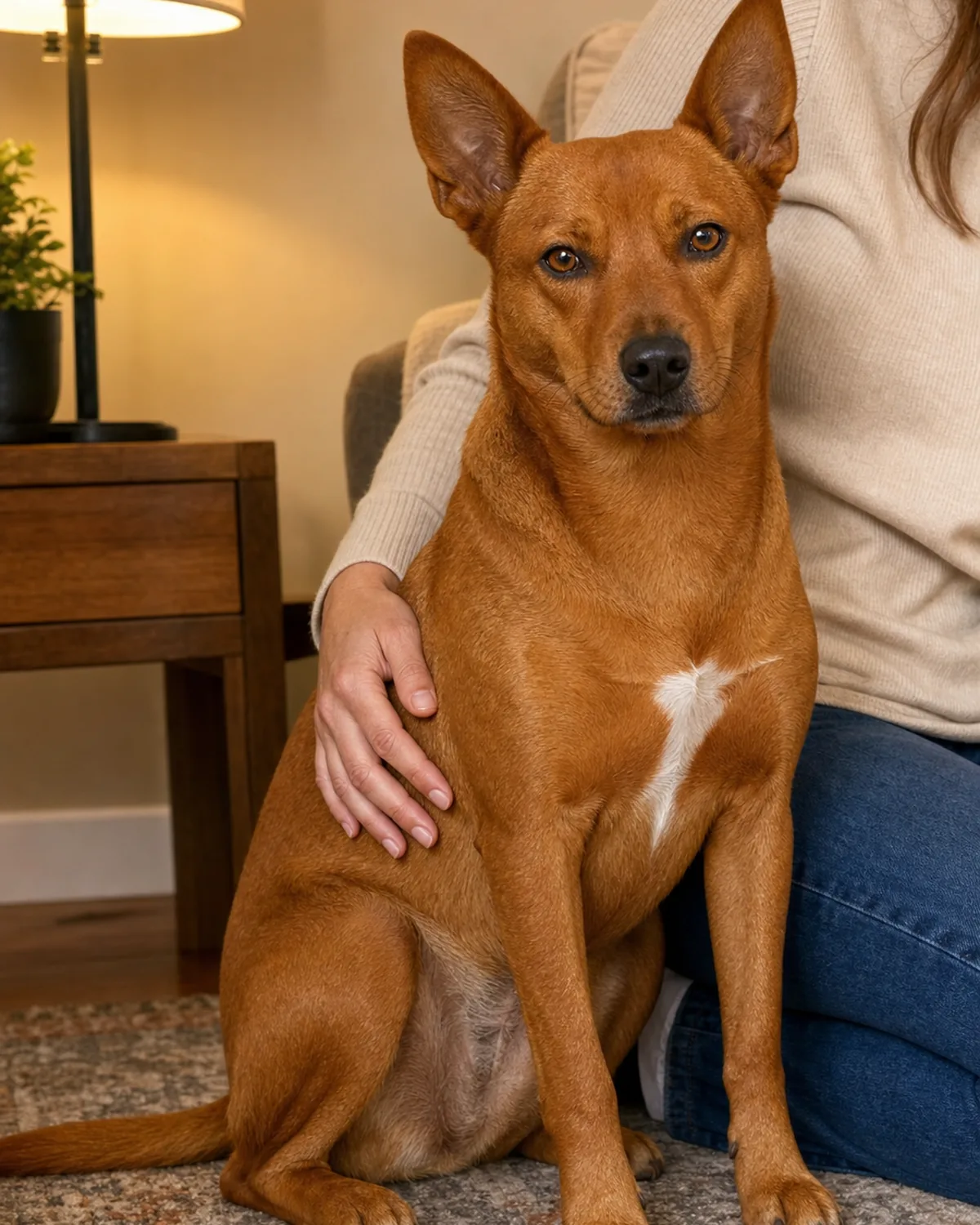
Let your dog choose where they want to be, even if that's a spot you wouldn't have picked. Sit nearby in a calm, steady posture rather than hovering directly over them or trying to coax them out.
A quiet, ordinary tone of voice works better than exaggerated soothing — a dog reading tension in your voice can take that as confirmation that something is genuinely wrong. Calm, low-key company communicates safety more effectively than a big reaction in either direction.
If your dog wants physical contact, offer it. If they'd rather keep some distance, respect that too. Both are normal coping choices, and forcing either one on a scared dog tends to add stress rather than remove it.
The noise-anxiety do’s and don’ts
What to do — and skip — around a scared dog
Most escalated panic episodes trace back to one of these lines.
Always Do
- Set up the safe space weeks before storm season or a holiday arrives.
- Start sound desensitization months in advance, at a barely-audible volume.
- Walk your dog well before the noise is expected to start, to burn off energy.
- Close the curtains and turn on white noise before the first boom, not after.
- Keep your own voice calm and ordinary, not overly soothing or alarmed.
- Let your dog choose where they want to be during an episode.
- Leave a crate door open if you're using it as a retreat.
Never Don’t
- Never physically pull a dog out of a hiding spot to comfort them.
- Never use a big, alarmed tone of voice, even a sympathetic one.
- Never try a new tool, like a body wrap, for the first time during a storm.
- Never close a dog into a crate they aren't already comfortable in.
- Never ignore self-injury or door-slamming as if it will pass on its own.
- Never assume two anxious dogs will comfort each other in the same space.
- Never treat this as a once-a-year inconvenience instead of planning ahead.
7. Managing the Environment: White Noise, Curtains, and Timing Walks
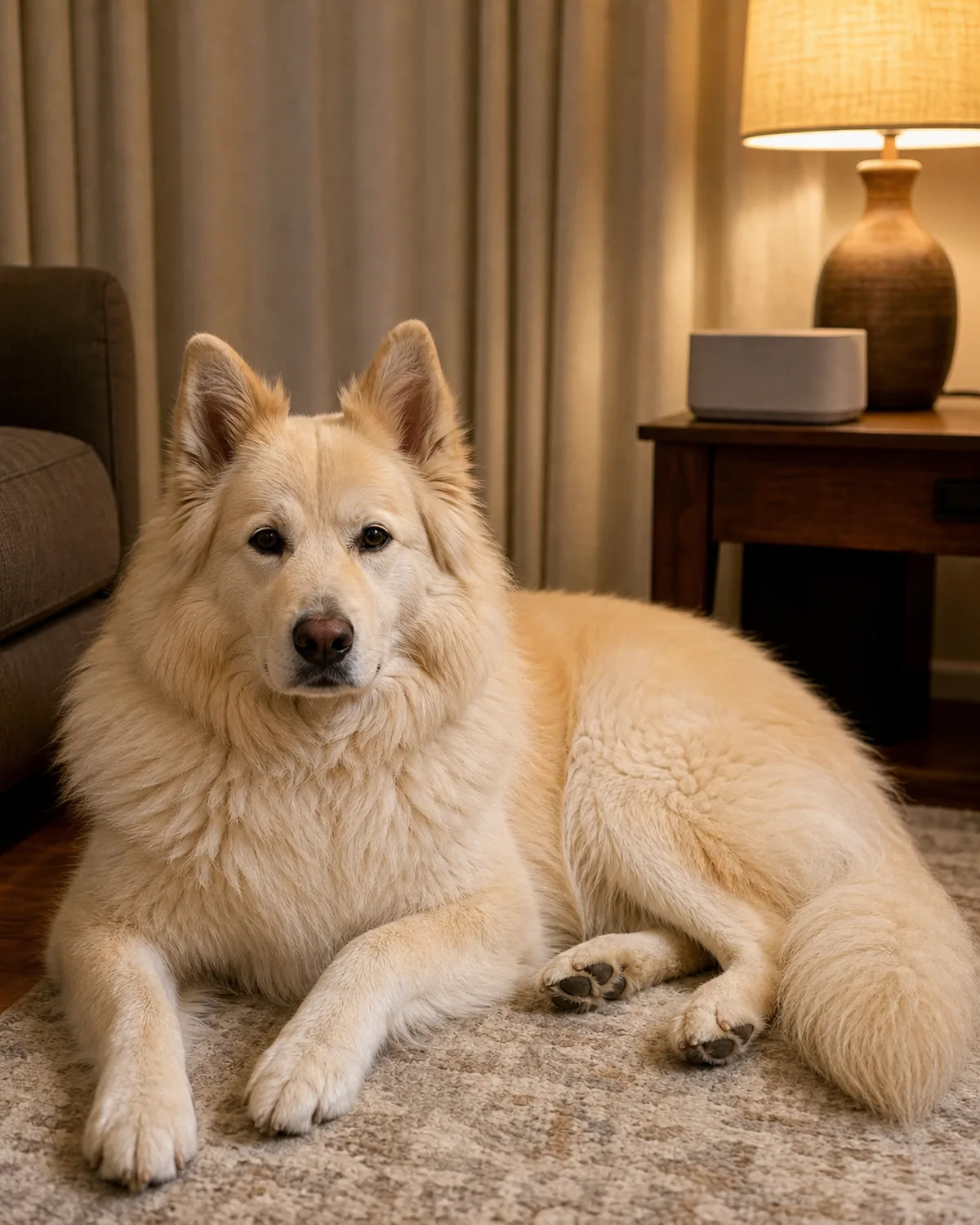
Close the curtains before the noise starts, not after, so flashes of light don't add another trigger on top of the sound. A steady white-noise machine, a fan, or the television at a normal volume can mask a surprising amount of the outside noise.
If you know a storm or a fireworks show is coming, take your dog for a walk to burn off some energy well before it starts — the same exercise habit that keeps a dog balanced on ordinary days also gives them less pent-up energy to spend on pacing later.
Small environmental changes stack. None of them alone solves noise anxiety, but combined, they take real pressure off a dog who's already working hard to stay regulated.
8. The Walk-Timing Mistake That Makes It Worse
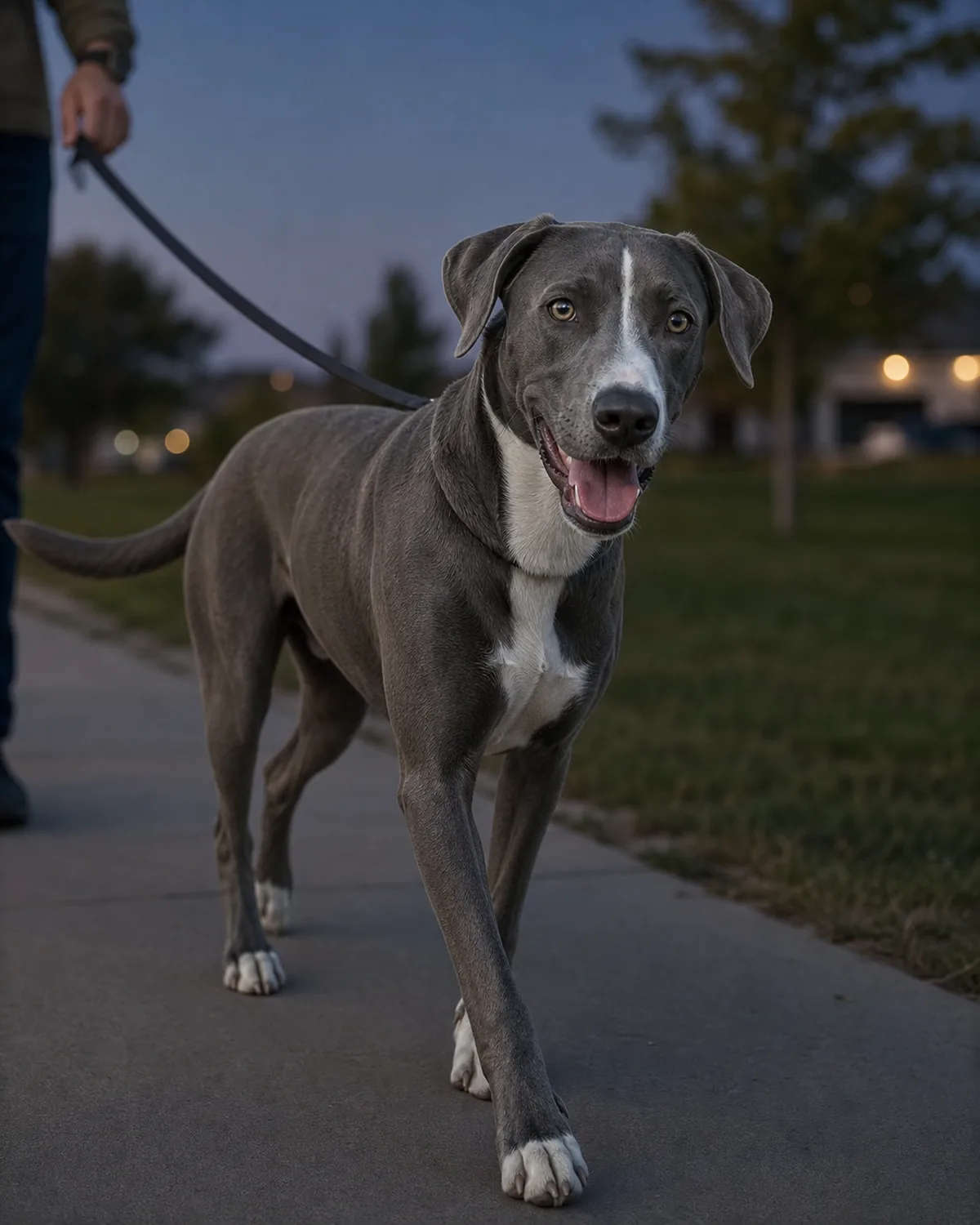
Waiting until the booms have already started to take your dog out for a bathroom break puts them directly in the middle of the trigger, right when they're least equipped to handle it. Some dogs bolt in that moment, which is how noise-anxious dogs most often end up lost.
Build your walk and bathroom breaks into the hour before the noise is expected to begin, based on posted fireworks times or a storm forecast. It's a small scheduling shift with an outsized effect on how the rest of the evening goes.
If a storm arrives with no warning, keep any outdoor trip short, on a secure leash, and close to the door — this isn't the moment for a long walk regardless of how much energy your dog has left.
9. A Crate Can Be a Retreat, Not a Punishment
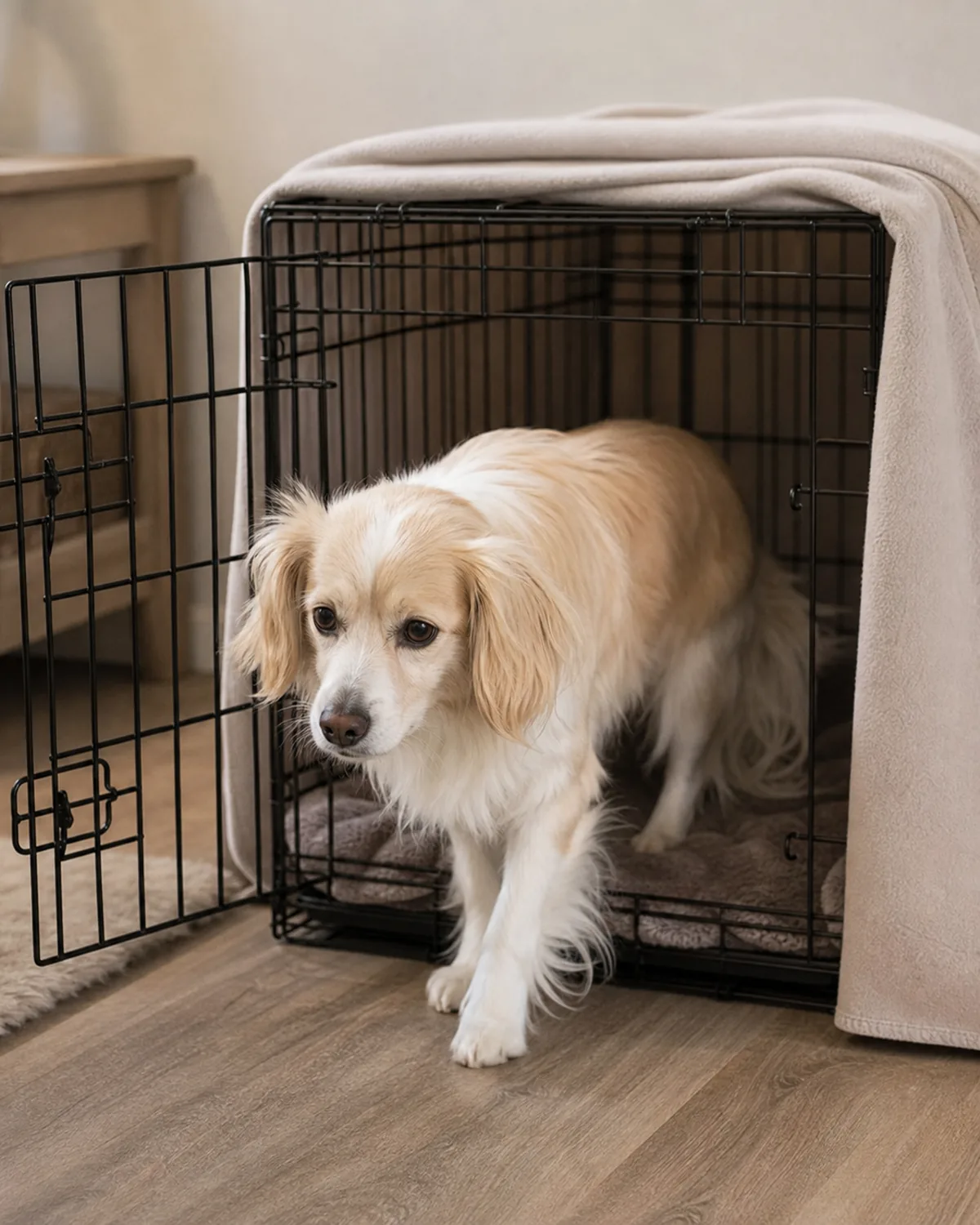
A crate a dog already associates with calm — the same groundwork covered in crate training a puppy — can double as a den-like retreat during a loud event, as long as the door stays open and your dog can leave whenever they want.
Never close a dog into a crate they aren't already comfortable in specifically because a storm has started. That turns a potential safe space into one more thing working against them in a moment they can't control.
Cover three sides with a blanket to soften the light and sound further, and place familiar bedding inside. A dog who already trusts the crate on ordinary days is far more likely to choose it on a hard one.
Save this before the next storm or fireworks night
Storm & Fireworks Prep Checklist
Set up the space in advance, then work through the timeline the day of.
- Pick one consistent safe spot and stock it with a familiar blanket.
- Keep the safe spot some distance from windows.
- Have curtains ready to close and a white-noise source on hand.
- Introduce a compression wrap on a quiet day, well before you need it.
- Day of: walk and feed well before the noise is expected to start.
- Day of: close curtains and start white noise before the first boom.
- Day of: leave the crate door open if your dog retreats there.
General noise-anxiety guidance, not a substitute for your vet on severe panic or self-injury.
10. Common Mistakes That Make Storm Anxiety Worse
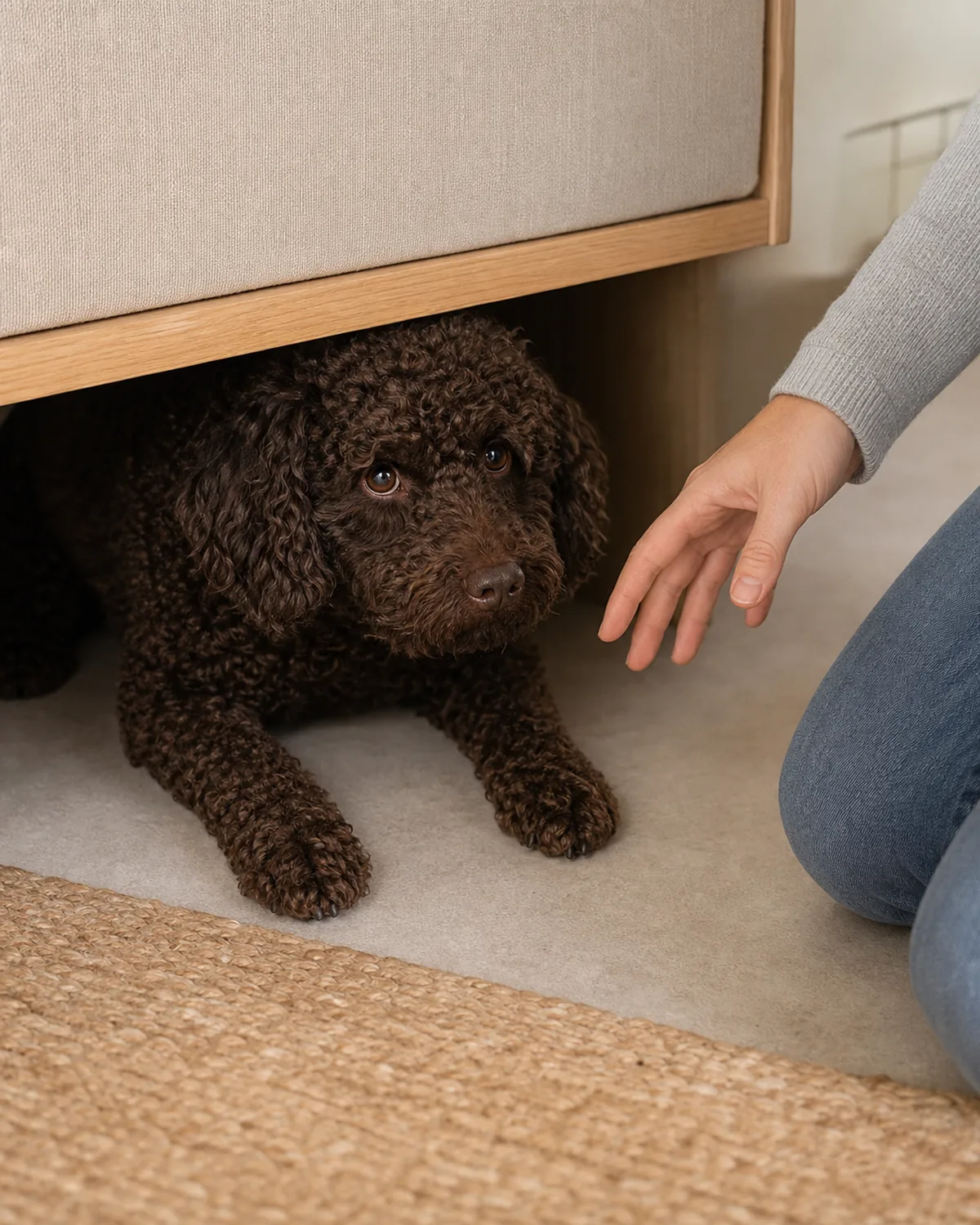
Physically pulling a dog out of their hiding spot to comfort them removes the one thing giving them a sense of control. Let them come to you instead.
Reacting with a big, alarmed tone — even a sympathetic one — can read to a dog as confirmation that the situation really is dangerous. So can punishing a dog for pacing, panting, or vocalizing, which only adds a second stressor on top of the first.
And treating this as a once-a-year inconvenience instead of something worth preparing for in advance is the single biggest reason the same panic repeats every season without ever improving.
11. Helping a Multi-Dog Household During Loud Events
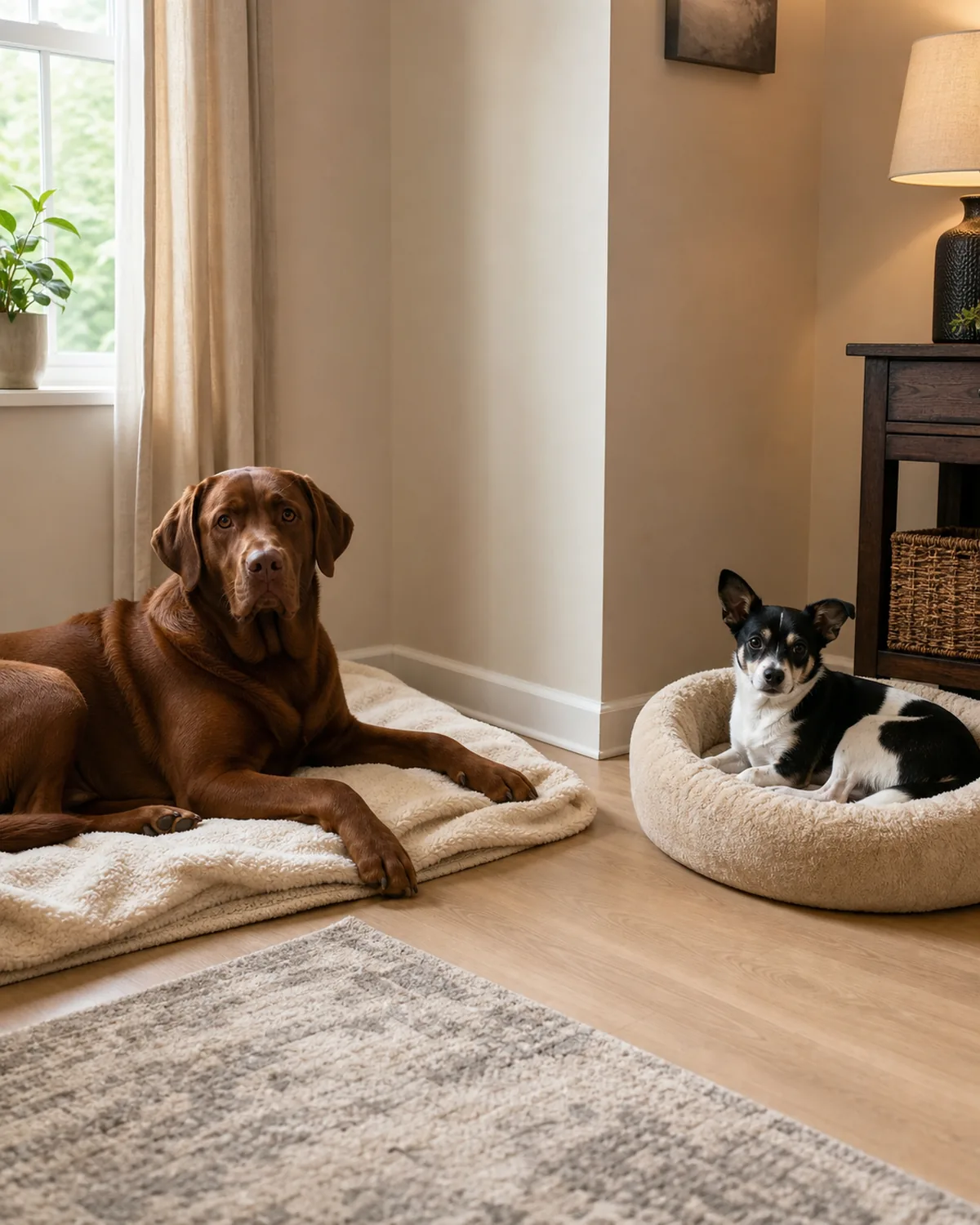
Not every dog in the house reacts the same way, and a fully panicked dog can raise the baseline anxiety of a calmer housemate just by being nearby. Give each dog their own space rather than assuming they'll comfort each other.
Set up separate safe spots with some real distance between them, and manage each dog's environment — white noise, curtains, timing of walks — individually rather than as a single group plan.
Once you know which of your dogs is more noise-sensitive, prioritize their prep first. A calmer housemate generally adapts to whatever routine you build around the more anxious one.
12. When to Talk to Your Vet About Anxiety Support
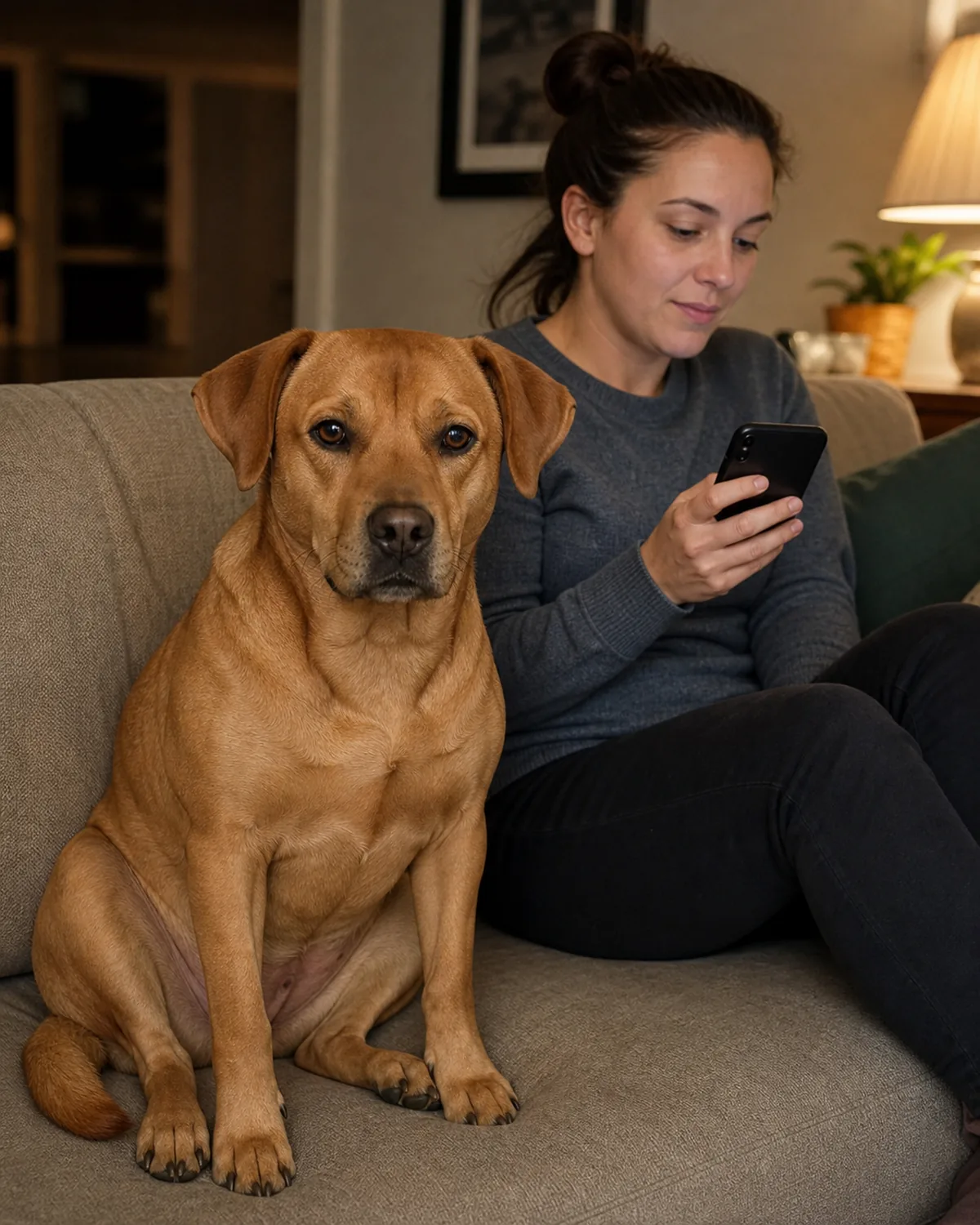
If a dog's reaction is severe — self-injury, attempts to escape the house, or panic that doesn't ease with any of the steps above — that's worth a conversation with your vet well before the next loud season arrives, not during it.
Vets have options beyond what a general guide like this one can responsibly cover, and matching the right support to your specific dog is exactly the kind of decision that should go through a professional who knows their history.
Bringing it up in a calm, ordinary appointment gives you time to have a real plan in place before the next fireworks show or storm season, instead of scrambling for options mid-panic.
13. Building Confidence Season by Season
Noise anxiety rarely disappears overnight, but it does tend to improve with consistent, calm exposure over multiple seasons — especially when desensitization work continues on quiet days, not just around the loud ones.
After each storm season or fireworks holiday, take note of what actually helped and what didn't, and adjust the plan slightly for next time rather than starting from scratch.
A dog who's spent a year or two with a real plan in place — safe space, desensitization, a calm household response — usually handles the third season noticeably better than the first. That gradual progress is the realistic goal here, not a single fix.
About the author
Jess Calloway
Jess is a dog mom of three, including one who treats every Fourth of July like the end of the world unless the plan starts weeks early. This guide covers why fireworks and thunderstorms trigger fear in dogs, recognizing the signs before they escalate, building a safe den space in advance, sound desensitization you can start months ahead, the body-wrap compression method, what actually helps during an active episode, managing the environment with white noise and timing, the walk-timing mistake that makes things worse, using a crate as a retreat instead of a punishment, common mistakes that make storm anxiety worse, helping a multi-dog household, when to talk to your vet about anxiety support, and building confidence season by season. Visit the About page.