I found my first vet by typing "vet near me" and picking the one with the shortest drive. Three frustrating visits later I realized that convenience and quality are not the same thing.
Finding the right vet is one of the most important decisions you will make as a dog owner. A good fit means clear communication, genuine care, and a practice that works with your schedule and budget.
This is general guidance based on what I have learned through trial and error with my own dogs. Every dog and every situation is different.
Jump to a section
How to choose the right vet for your dog
Where to start looking, what to notice during the first visit, and when to switch.
1. Why the Right Vet Matters More Than the Closest One
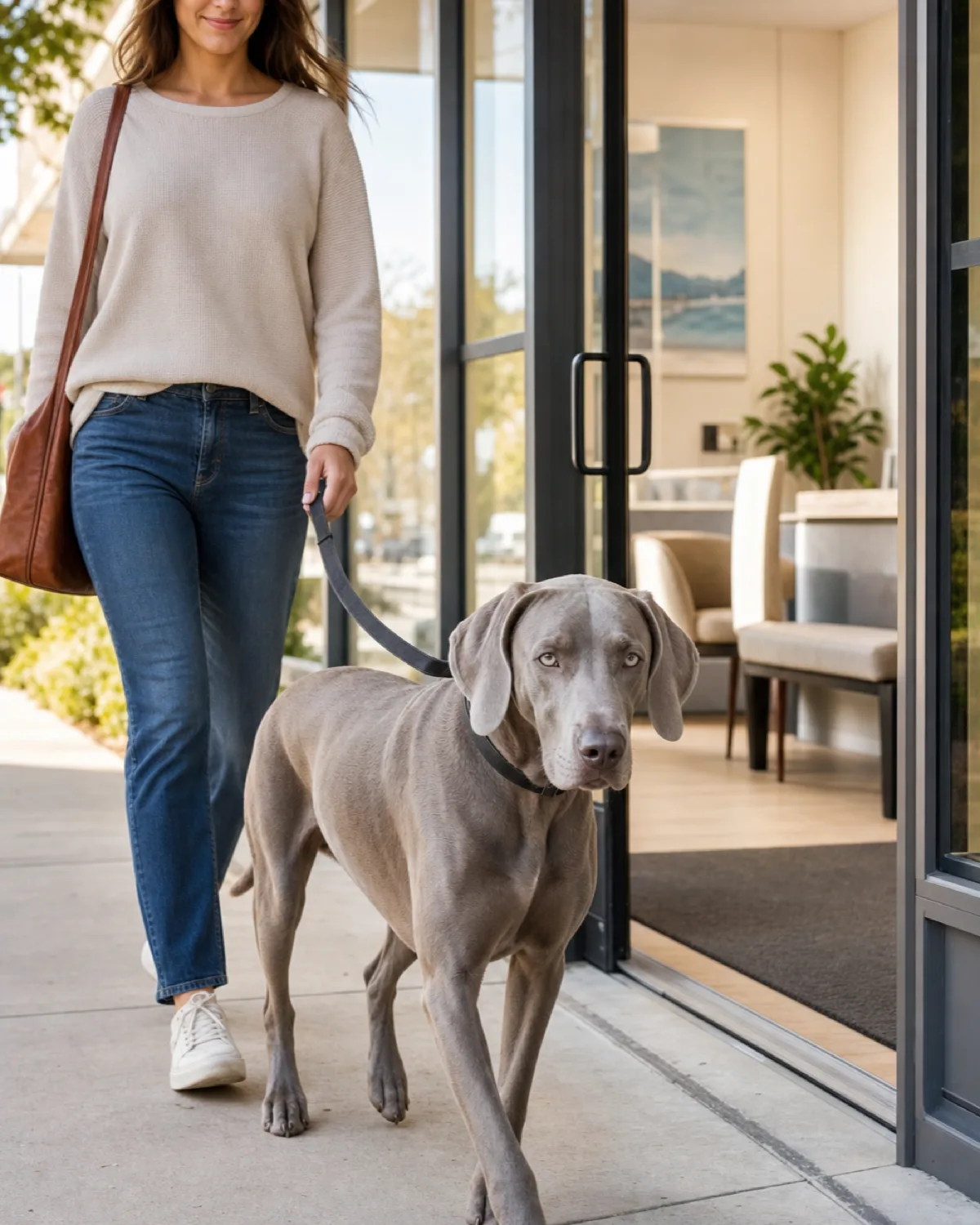
Distance matters when your dog is sick at midnight, but day-to-day veterinary care depends on something harder to measure: how well your vet communicates with you.
A vet who explains what they are doing and why, who asks about your concerns before picking up a stethoscope, and who takes time with your dog instead of rushing through a fifteen-minute slot — that is worth driving an extra ten minutes.
The relationship between your dog and their vet shapes every health decision you make together. Vaccinations, dental cleanings, diet advice, behavior concerns, senior care — all of it flows through that relationship.
A Vet Who Knows the Baseline Catches Changes Early
A vet who knows your dog’s baseline personality can spot subtle changes a stranger might miss. That early detection is where the real value lives, and it only comes from consistency.
2. When to Start Looking (Hint: Before You Actually Need One)
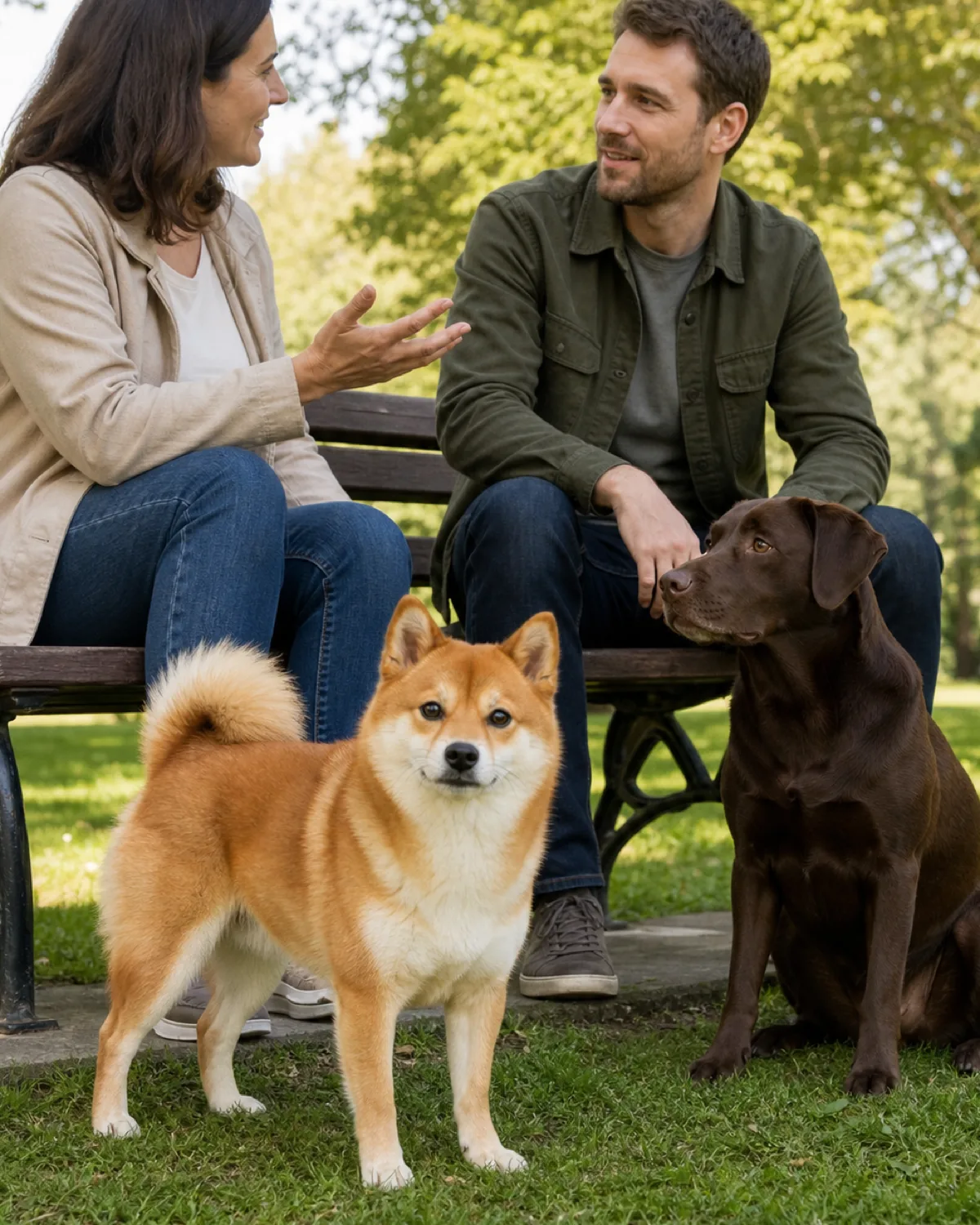
The worst time to find a vet is when your dog is already sick. You are stressed, your dog is uncomfortable, and you have no frame of reference for whether the care you are getting is good.
Start looking the moment you decide to get a dog — or the moment you move to a new area. If you already have a dog and a vet but something feels off, that nagging feeling is reason enough to start exploring alternatives.
Give yourself time to visit one or two clinics before committing. Most good practices will let you book a meet-and-greet or a wellness check as a first visit without any pressure to transfer.
3. Ask Dog People You Trust

Online reviews are a starting point, but the most reliable recommendations come from people who actually take their dogs to the vet regularly. Your neighbor who walks their senior dog twice a day, the trainer at your local obedience class, the groomer who sees dozens of dogs a week — these people have opinions worth hearing.
Ask a better question than just “who do you recommend.” Try “why have you stayed with your vet” or “what happened the last time your dog had an emergency.” The stories behind the recommendation tell you more than the recommendation itself.
What type of practice fits your situation?
Three practice models and what each one gives you
There is no wrong choice here — only a better fit for your needs right now.
Solo or small practiceOne vet, consistent relationshipYou see the same person every visit. They know your dog’s full history. Scheduling can be tighter and after-hours coverage is often handled by a referral partner.
Multi-vet clinicBroader coverage, flexible hoursMultiple vets on rotation means easier appointment availability and better emergency coverage. You may not see the same person every time.
Specialty or university hospitalComplex cases and referralsBuilt for advanced diagnostics and procedures. Not your everyday vet, but worth knowing where the nearest one is for emergencies or complicated conditions.
Most new dog owners do well starting with a solo or small practice, then adding a specialty hospital to their contacts for emergencies or referrals.
4. What to Check Before You Book the First Visit
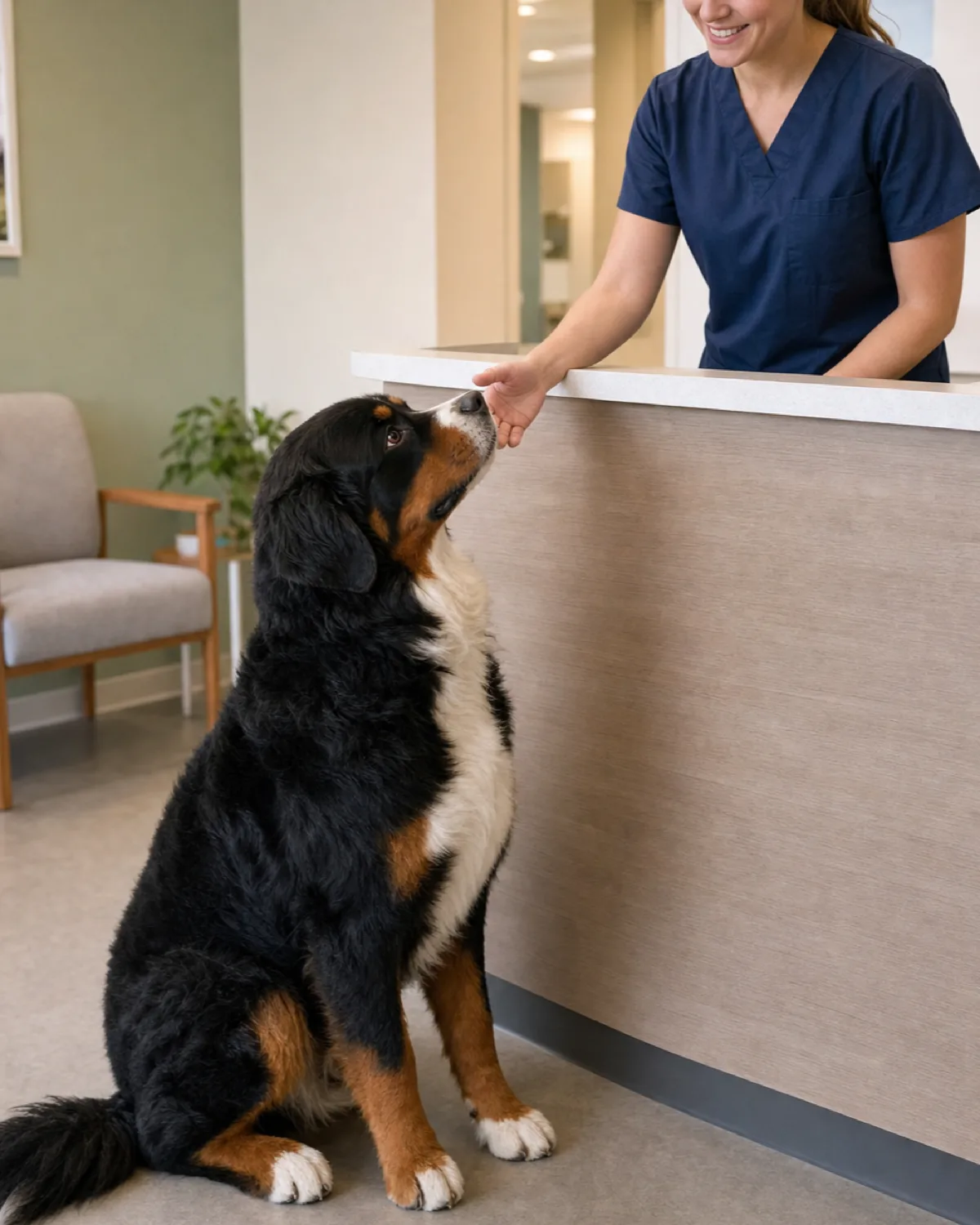
Before you walk through the door, a quick phone call or website check can save you time.
Emergency coverage. Does the clinic handle after-hours emergencies, or do they refer to a separate emergency hospital? Both models work, but you need to know the plan before two in the morning.
Fee transparency. A practice that gives you a straight answer when you ask how much a basic wellness exam costs is a good sign. If they dodge the question or refuse to offer a range, keep looking.
Hours, Access, and Online Reviews
Do their hours fit your schedule? Can you get a same-week appointment for non-urgent issues? Is there parking, or will you be circling the block with a nervous dog in the backseat?
Read online reviews, but read the responses too. A clinic that replies calmly and professionally to a negative review is showing you how they handle conflict. That matters more than a star rating.
5. The First Visit Is a Two-Way Interview
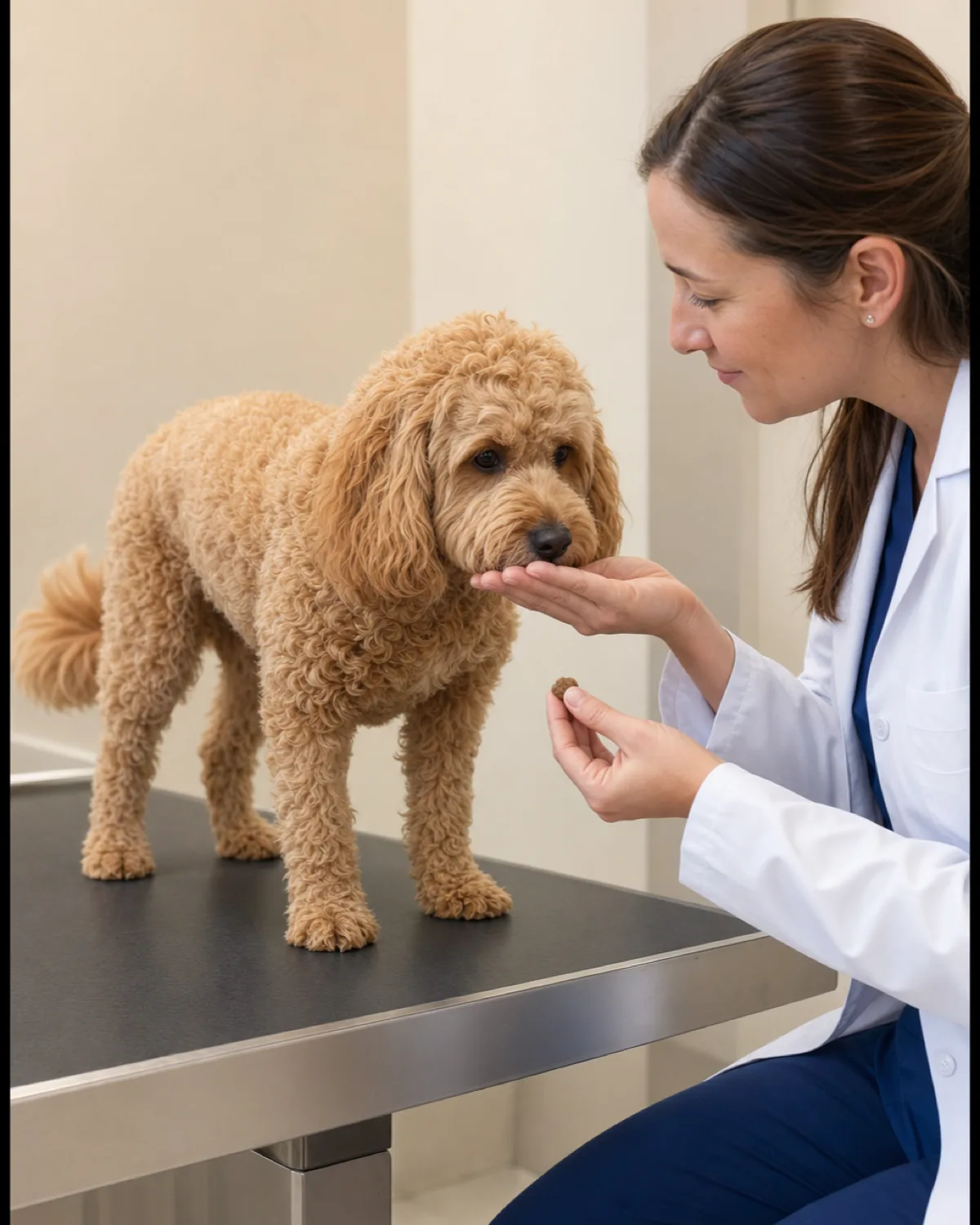
Your first appointment is not just about your dog getting checked — it is your chance to evaluate the practice from the inside.
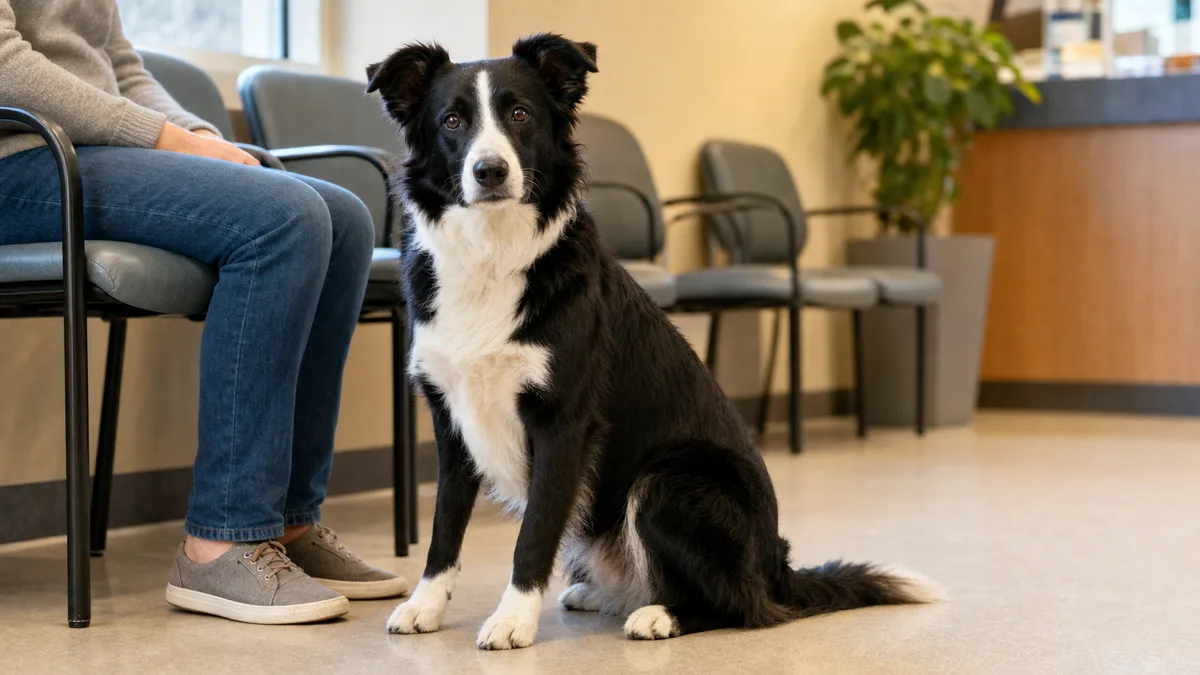
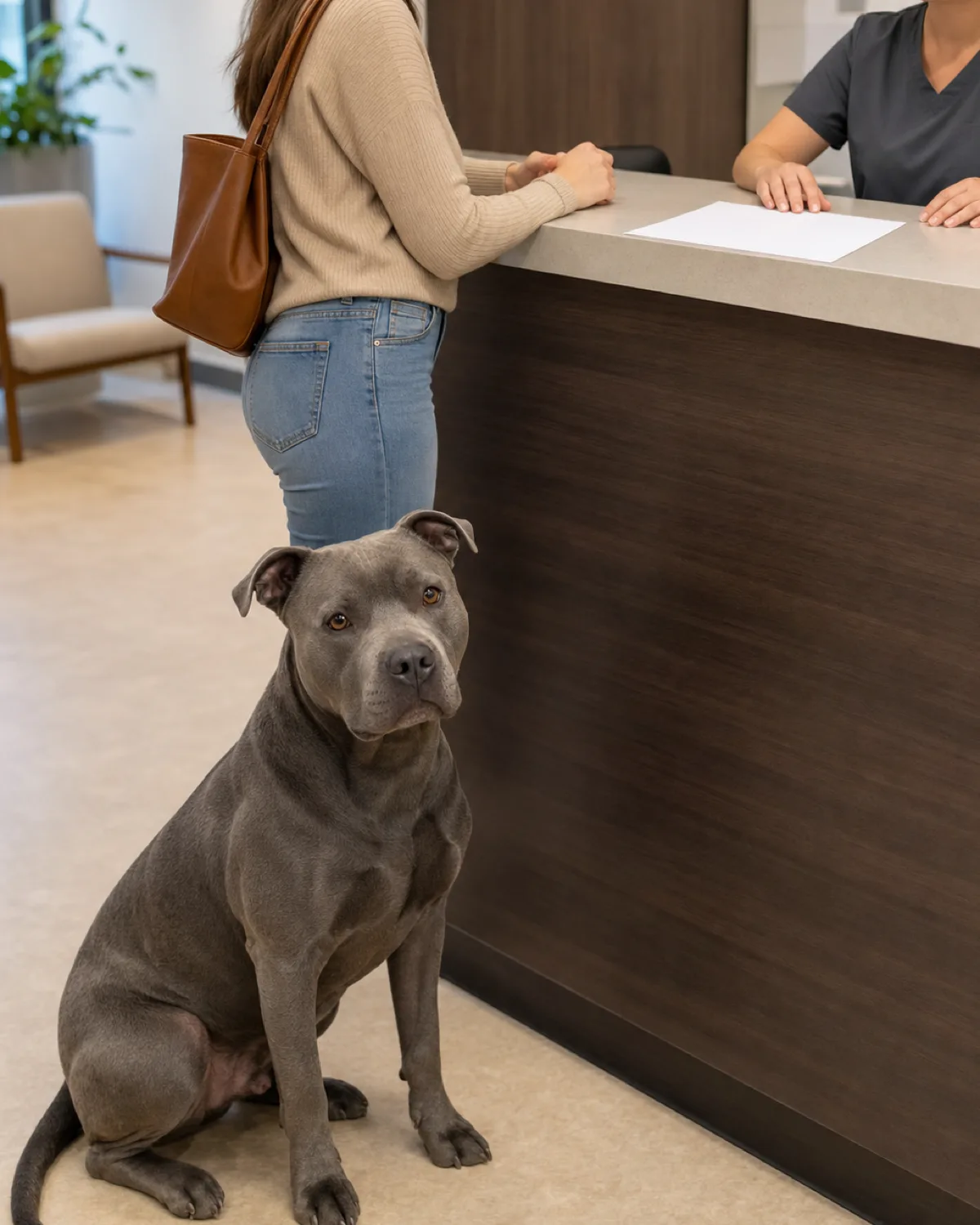
Start in the waiting room. Is it clean? Do the animals in the room look relatively calm, or is the energy chaotic? Are the staff behind the counter friendly and unhurried, or frazzled and dismissive?
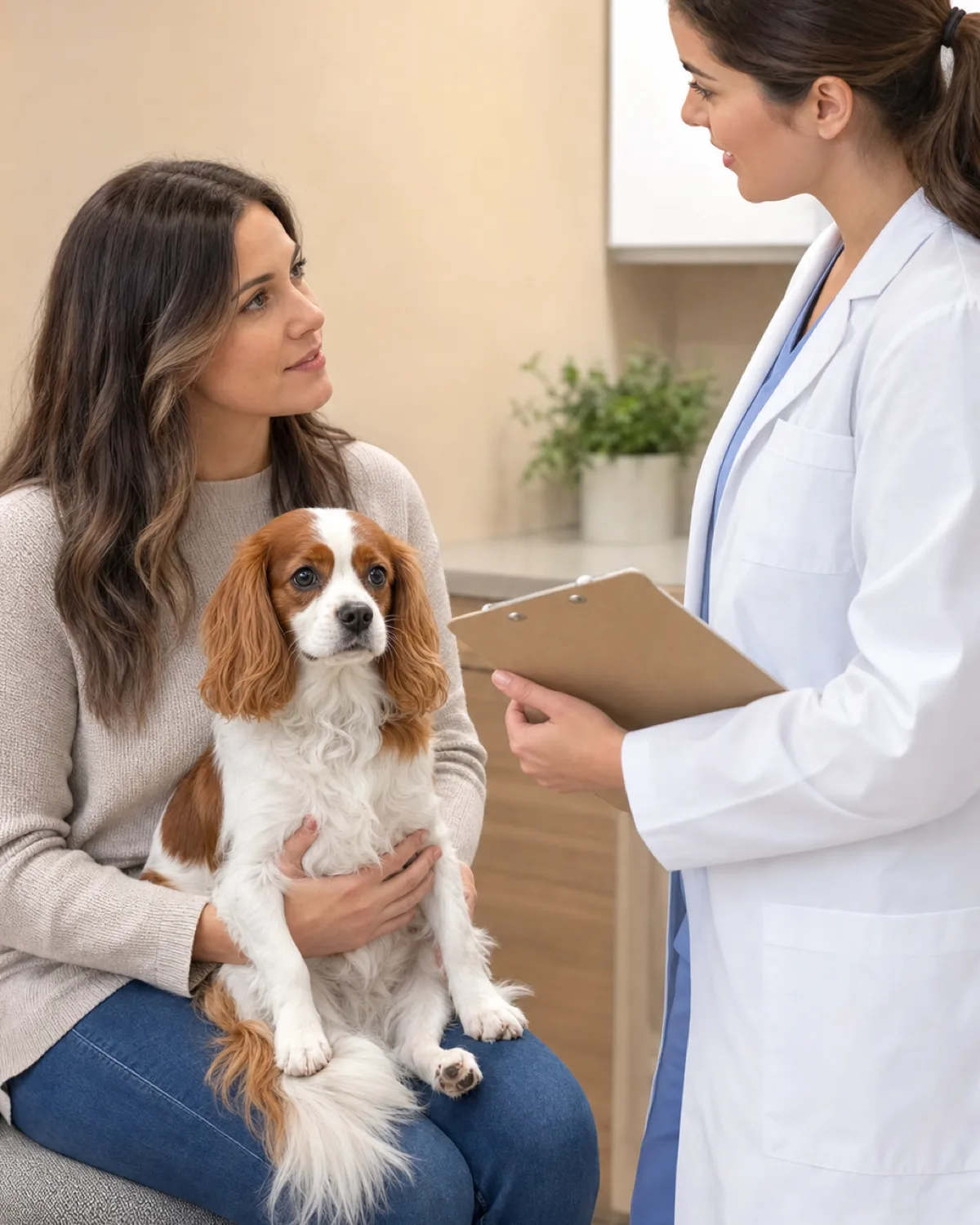
Then watch the vet. A good vet introduces themselves to your dog before handling them. They ask you what your concerns are before they start examining. They explain each step — “I am going to listen to her heart now” — so neither you nor your dog is caught off guard.
They Make Space for Your Questions
A vet who makes time for your questions without making you feel like you are wasting their time is showing you their philosophy. That patience extends to how they handle your dog, too.
What to watch for at a new vet
Green flags and red flags
These signals show up in the first visit or two — pay attention early.
Green Flags Good signs
- Vet explains each exam step before doing it.
- Asks your concerns before starting the exam.
- Gives a written cost estimate before any procedure.
- Staff in the waiting area are calm and gentle with animals.
- Clinic is clean, organized, and free of strong odors.
- Willing to discuss alternative options for treatment.
- Happy to answer follow-up questions by phone.
- Adjusts approach when your dog shows stress signals.
Red Flags Warning signs
- Examines your dog without explaining what they are checking.
- Pushes packages or add-ons you did not ask about and refuses to discuss it.
- Does not let you ask questions or makes you feel rushed.
- Your dog panics every visit and the vet never adjusts their method.
- You can never reach anyone after hours or in an emergency.
- No willingness to provide cost estimates before procedures.
- Waiting room feels chaotic, dirty, or overcrowded.
- Staff are dismissive or impatient with animals or owners.
6. Five Questions Worth Asking Your Vet
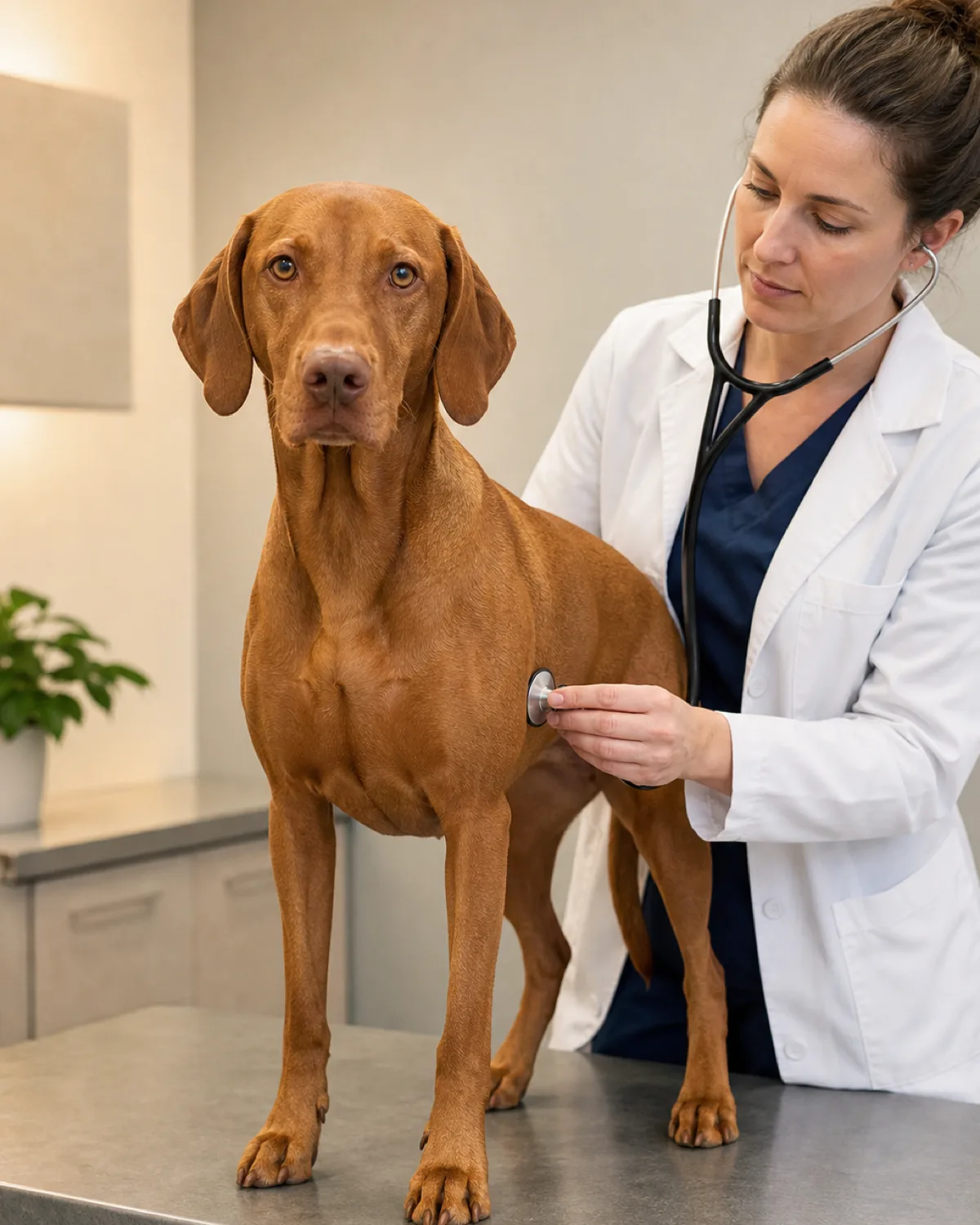
You do not need a twenty-question checklist. Five will tell you almost everything.
What is your emergency protocol? The answer reveals how much backup the practice has and whether they have a relationship with a nearby emergency hospital.
What does a standard preventive care plan look like for my dog? This tells you whether they think in terms of long-term health or visit-to-visit billing.
How do you handle cost conversations? A vet who is comfortable talking about money respects your situation. You want someone who will give you options, not just the most expensive path.
The Two Questions That Reveal Culture
Can I call with follow-up questions after a visit? The answer is usually yes, but how they say it matters. Enthusiasm versus reluctance tells you a lot about the culture.
What should I be paying attention to at home given my dog’s age and size? This is an open-ended question that lets a good vet show their depth. If they give you something specific and useful, you are in good hands.
For a full checklist of what to bring and expect at that first appointment, see how to prepare for your puppy’s first vet visit.
7. How Your Dog Reacts Tells You a Lot
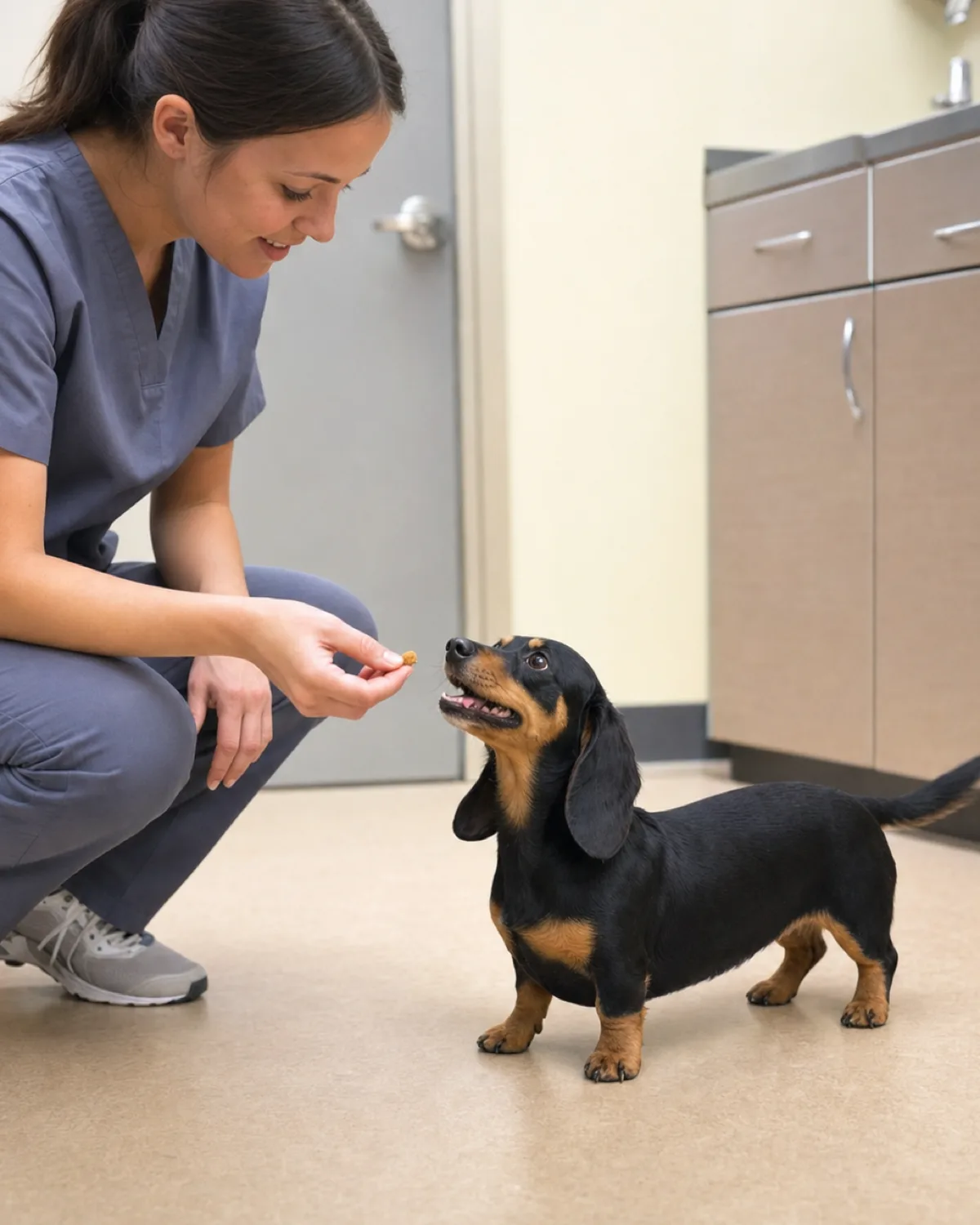
Your dog cannot fill out a satisfaction survey, but their body language is the most honest feedback you will get.
Some nervousness at the vet is normal — the smells, the slippery table, the stranger touching them. But there is a difference between mild anxiety (lip licking, looking away, slight trembling) and genuine terror (trying to escape, growling, shutting down completely).
A good vet notices the difference and adjusts. They slow down, offer treats, let the dog sniff the stethoscope, and give breaks between procedures.
Escalating Fear Is a Signal Worth Acting On
A vet who bulldozes through the exam regardless of how the dog is reacting is showing you something important about their philosophy. If your dog’s fear escalates visit after visit and the vet never changes their approach, that is a red flag worth acting on.
Save this checklist
New Vet Evaluation Checklist
- Emergency protocol is clear (in-house or referral partner).
- Gave a straight answer on basic exam cost.
- Staff were friendly and calm with waiting animals.
- Vet explained each exam step before doing it.
- Asked my concerns before starting the exam.
- Made space for my questions without rushing.
- My dog was nervous but not terrified — vet adjusted pace.
- Willing to provide a written estimate before procedures.
- Online reviews show calm, professional responses to complaints.
- Hours and location work for my schedule.
8. What About Cost — and When Price Should Not Be the Only Factor
Veterinary care is expensive, and pretending otherwise helps no one. But the cheapest option is not automatically the best value, and the most expensive one is not automatically the best care.
Value means transparent pricing, no unnecessary upsells, and a willingness to discuss alternatives. A vet who says “we could do the full blood panel, but given her age and symptoms, I would start with these two tests and go from there” is saving you money and showing good clinical judgment at the same time.
Wellness Plans and Preventive Care
Wellness plans can help spread costs across the year. Pet insurance is worth considering, especially for puppies and young dogs. Neither replaces a vet who talks openly about money. Preventive care — regular exercise, dental care, keeping weight in check — is the biggest long-term money saver.
9. When It Is Time to Switch Vets
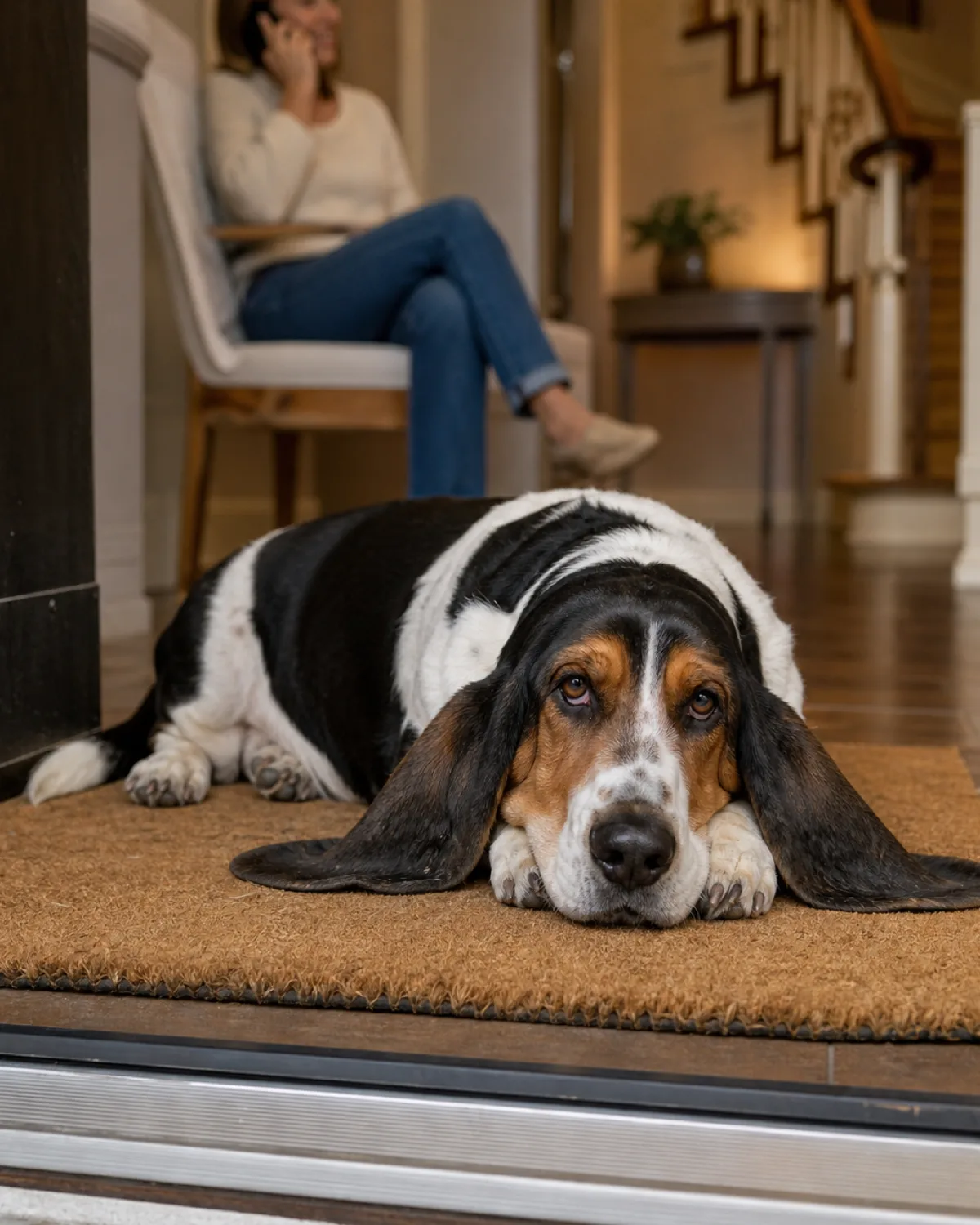
Switching vets is not a betrayal. It is a practical decision, and it does not need to involve drama.
Consider switching if communication has not improved despite you raising concerns, you consistently feel rushed or dismissed, the practice repeatedly pushes services you have declined, you cannot reach anyone in an emergency, or your gut has been saying “this is not right” for more than a visit or two.
Transferring Records Is Routine
When you switch, ask the old clinic to send your dog’s records to the new one. Most practices do this routinely and without any hard feelings. Bring your own notes from past visits too — having a summary of vaccinations, medications, and any ongoing issues gives the new vet a head start.
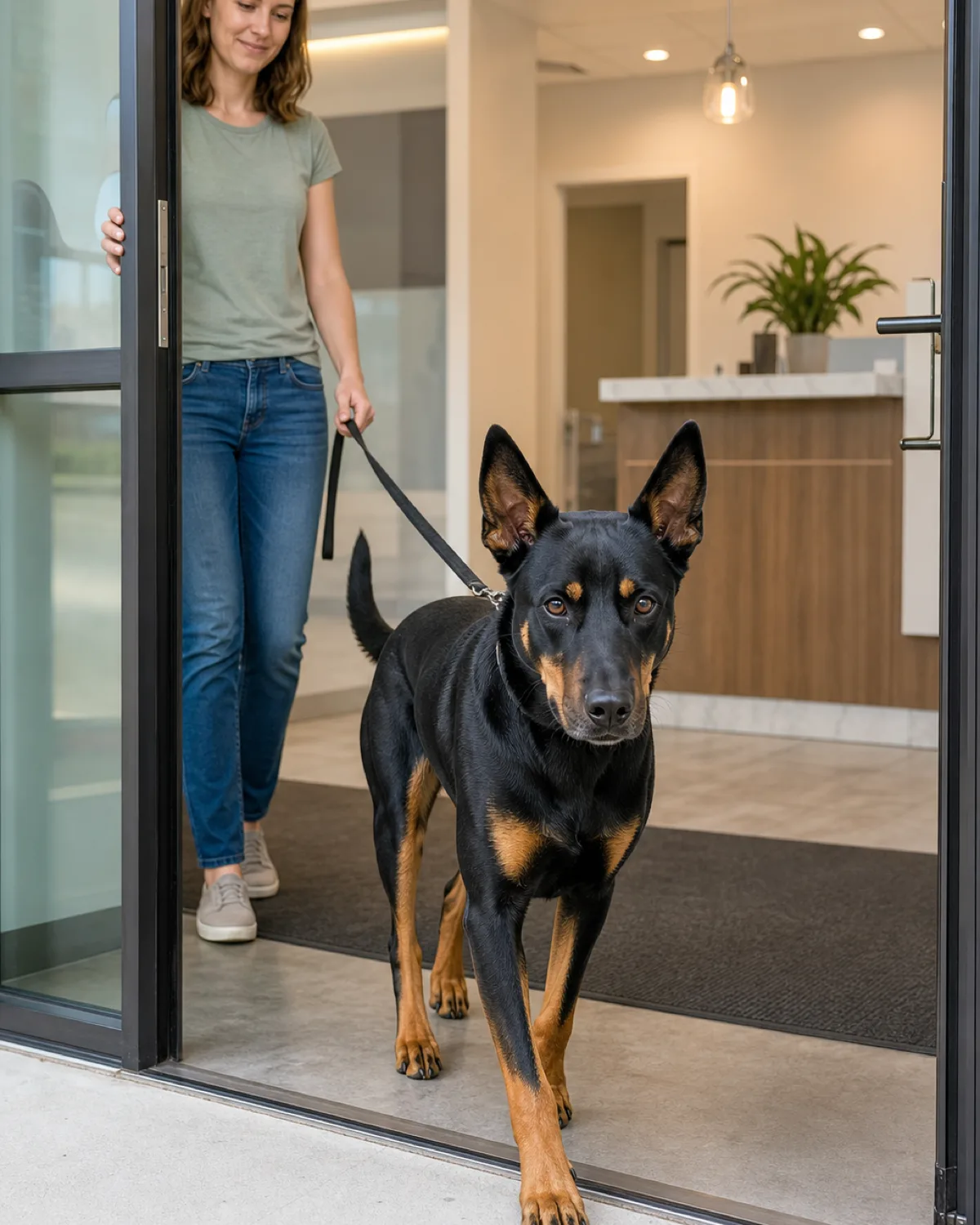
10. Building a Long-Term Relationship With Your Vet
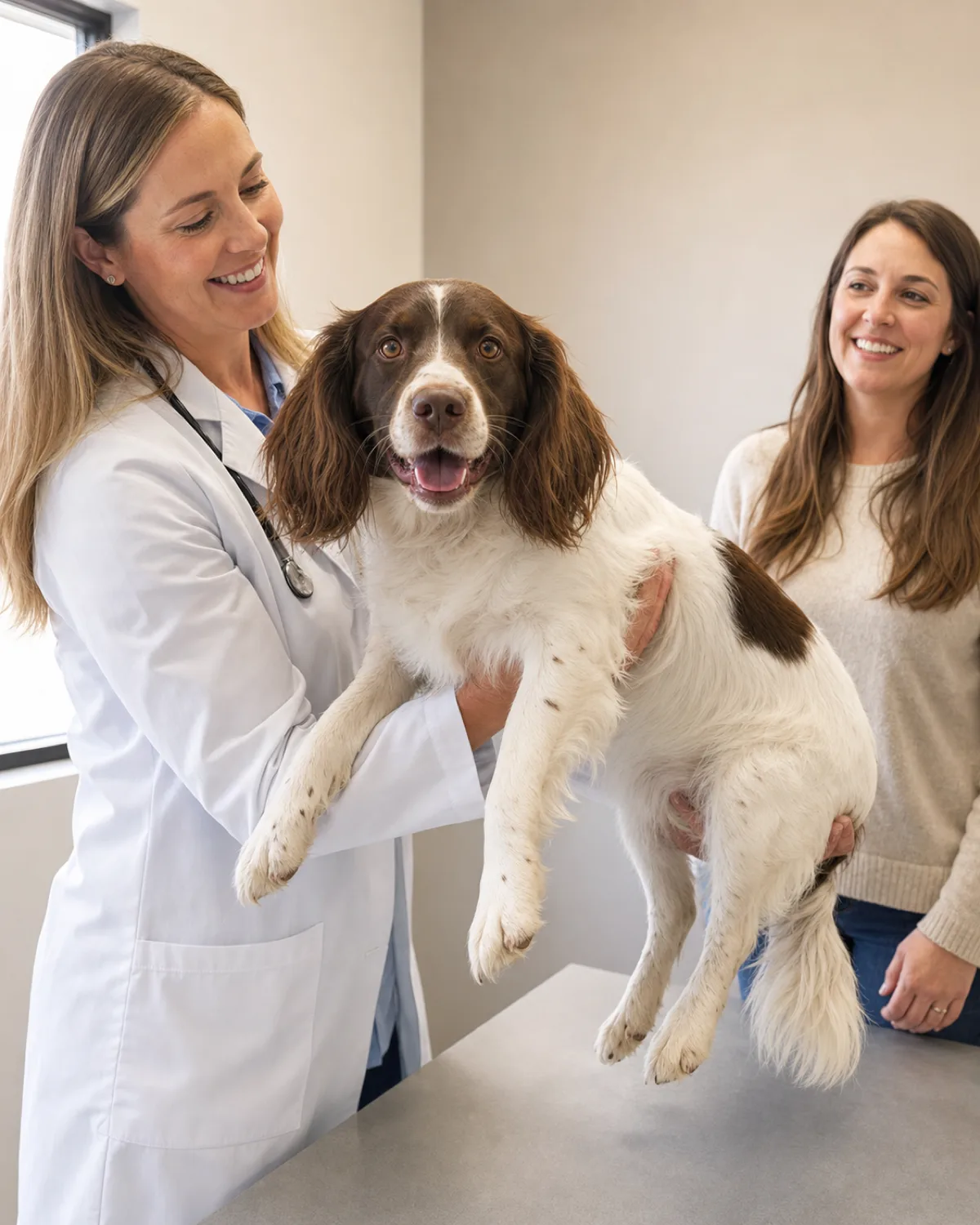
Once you find a vet who fits, the work shifts from evaluating to maintaining.
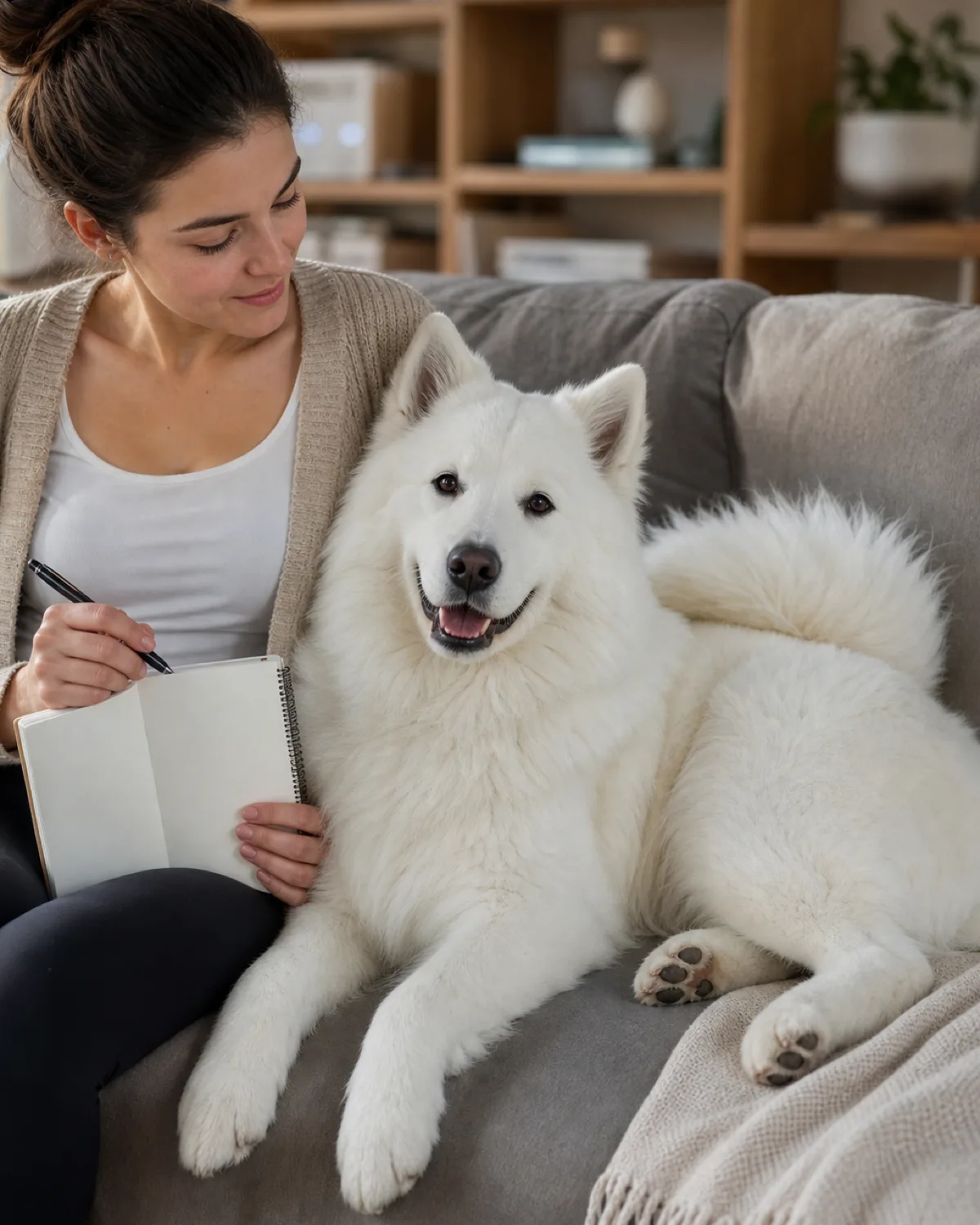
Keep annual wellness checks on the calendar even when your dog seems perfectly healthy. Bring a small notebook or use a phone note to jot down what the vet said during each visit — you will forget specifics faster than you think.
Communicate changes proactively. New food, new behavior, a limp that lasted two days and then resolved — these details help your vet build a full picture. Do not wait for the annual visit to mention them.
Trust Goes Both Ways
Resist the urge to diagnose online and then ask your vet to validate your conclusion. Instead, describe what you are seeing and let them connect the dots. A vet who feels trusted gives better care than one who feels tested.

About the author
Jess Calloway
Jess Calloway edits Pawliqa, where she shares dog care, grooming, training, and new-owner tips — plus DIY and pet-friendly home ideas — for anyone who wants a happy, well-cared-for dog. As a dog mom to three very different dogs, she writes the honest, tested version of what actually works. Every guide is image-led and reviewed for clarity, usefulness, image accuracy, and Pinterest-to-page alignment before it goes live. Visit the About page.