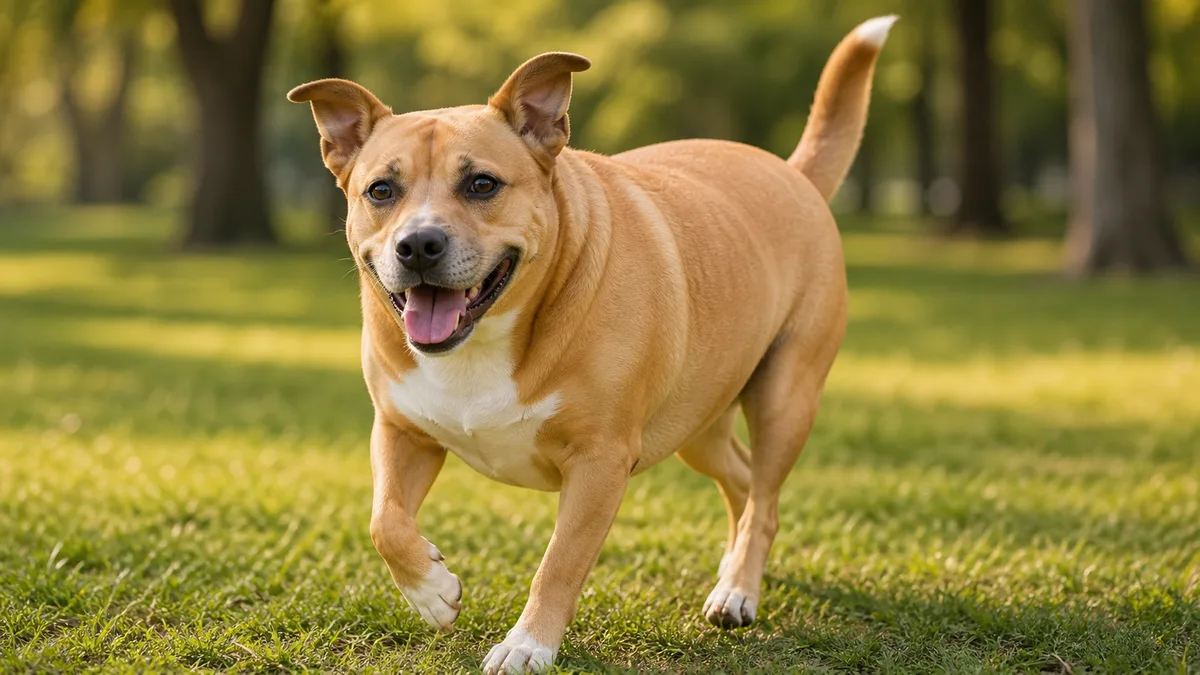
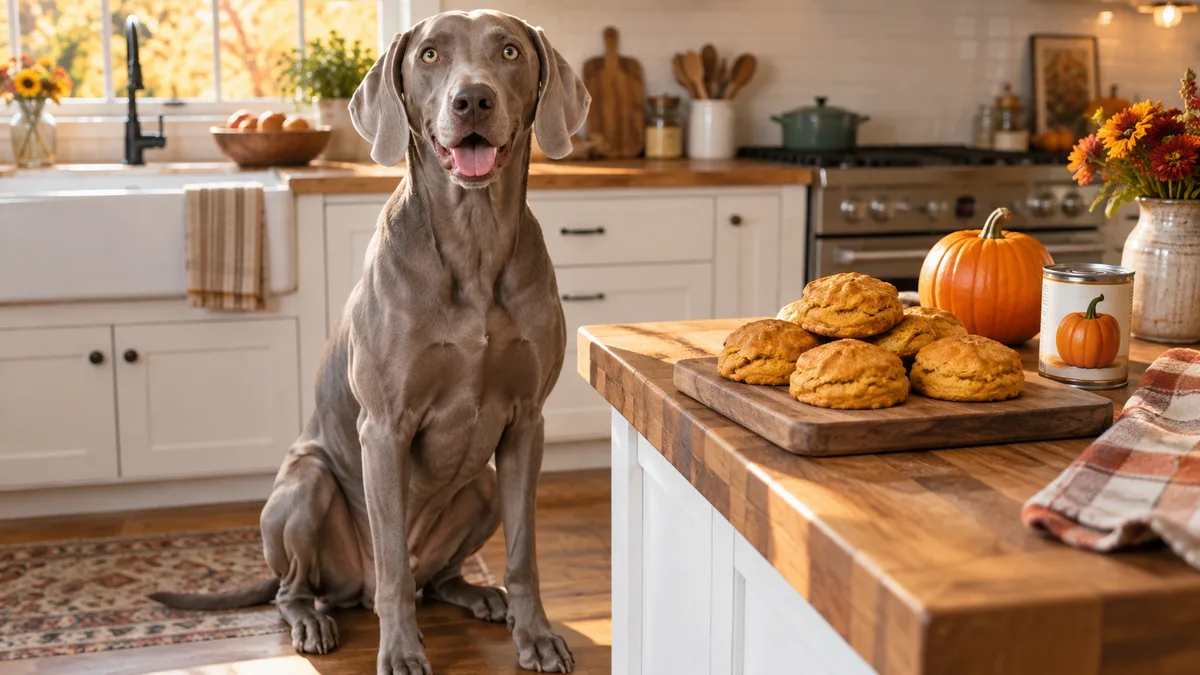
The first time my vet said one of my dogs needed to lose a few pounds, I felt a wave of guilt. I was overfeeding out of love — extra biscuits after walks, a few bites of whatever I was cooking, treats every time those eyes looked up at me.
Dog obesity is the most common nutritional problem vets see. It sneaks up through dozens of tiny choices that add up over months. Most dogs respond to small, consistent changes without crash diets or expensive specialty food.
This is general guidance, not a substitute for your veterinarian. Any weight-loss plan should start with a vet check to rule out medical causes.
Jump to a section
How to help your dog lose weight safely
A body-condition check, portion adjustments that keep your dog full, and a gradual exercise ramp-up that protects joints.
1. Why Your Dog Gained Weight (and Why It Is Not Your Fault)
Weight gain in dogs almost always comes down to energy in versus energy out. Not a single dramatic choice, but dozens of tiny ones that accumulate invisibly over months.
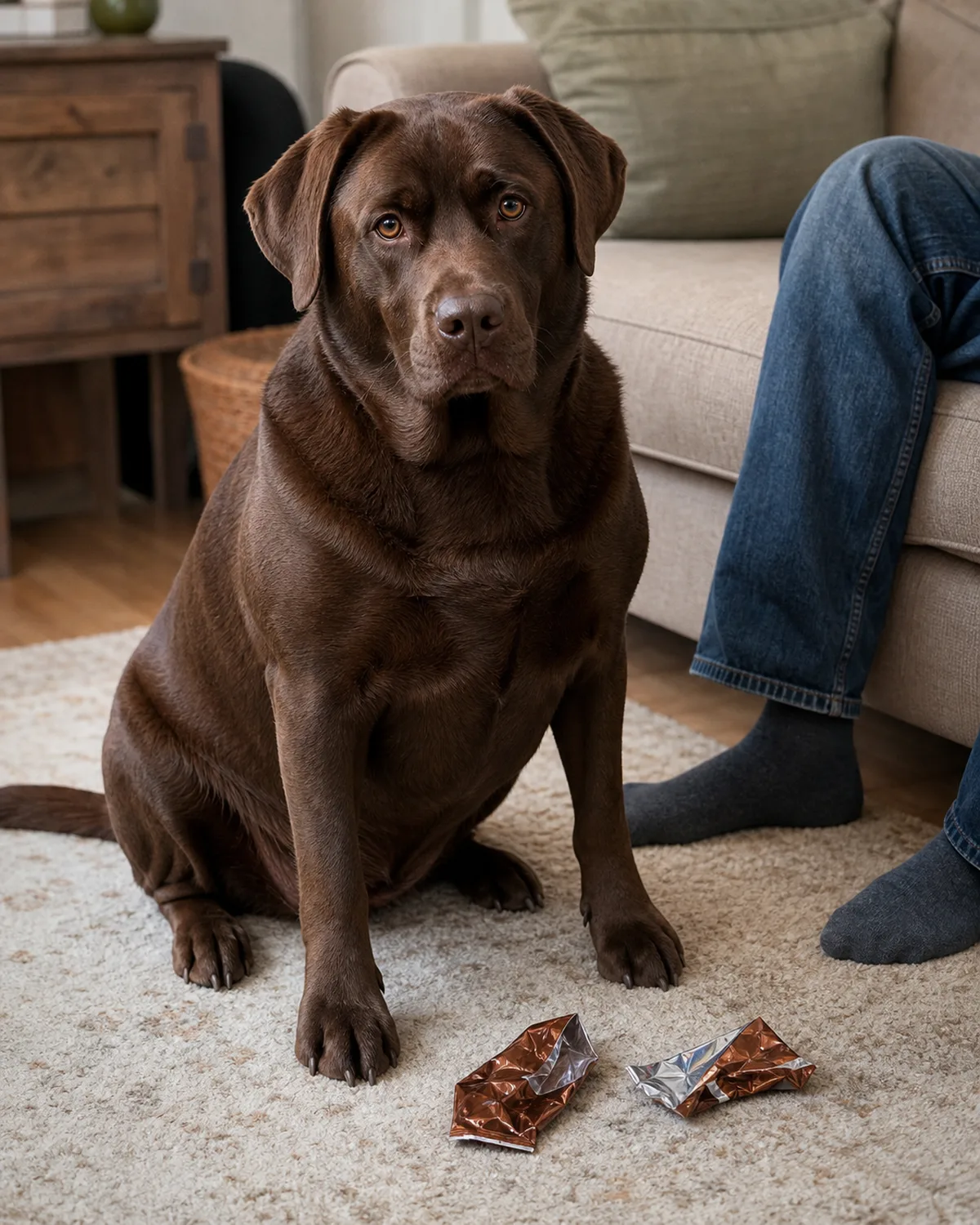
The most common pattern is what I call the love tax — a handful of treats for being cute, a little extra kibble because the bowl looked empty, table scraps because those eyes are impossible to resist. Each one is tiny. Together, they can add 20 to 30 percent above what your dog actually needs.
Activity drift is the other half. A dog who used to get 45-minute walks twice a day gradually shifts to 20 minutes once a day when life gets busier. The food stays the same, but the burn drops.
None of this makes you a bad owner. It makes you a normal one. Recognizing the pattern is the first step toward changing it.
2. The Body Condition Score: A 30-Second Check You Can Do at Home
Before you change anything, you need a starting point more useful than a number on a scale. Breed size variation makes weight alone unreliable — a 30-kilogram dog can be underweight, ideal, or obese depending on frame.
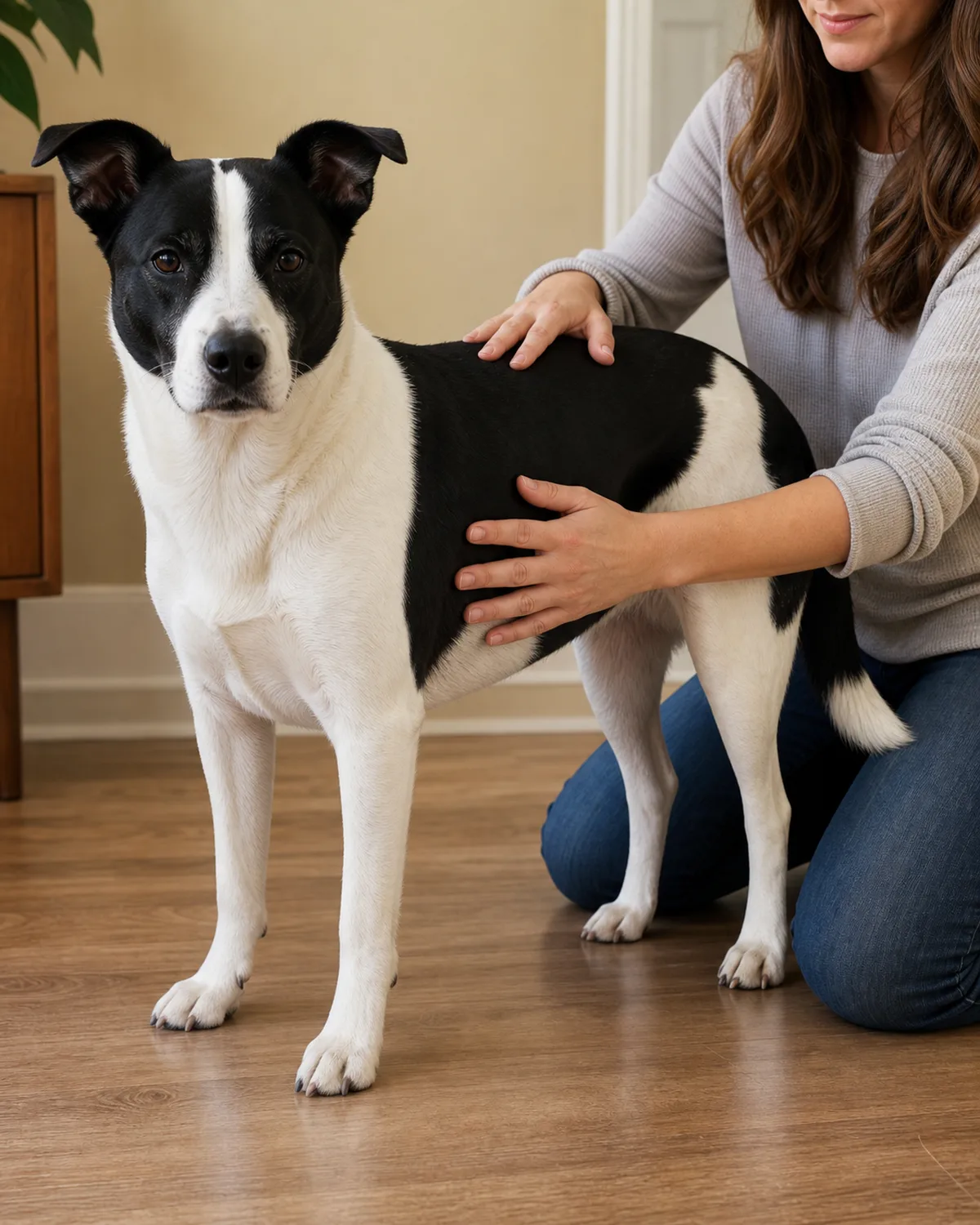
Run your hands along your dog's ribcage. At ideal weight, you should feel each rib under a thin layer of tissue — like the back of your hand. If you have to press to find them, or cannot feel them at all, your dog is carrying extra.
From above, look for a waist — a visible narrowing behind the ribs. From the side, the belly should tuck upward from the chest toward the hind legs. If the waist is gone and the belly hangs level or lower than the chest, you are looking at extra weight.
A score of 4 to 5 out of 9 is ideal. Most overweight pet dogs land between 6 and 7, where ribs are hard to feel and the waist is barely visible. Dogs at 8 or 9 need veterinary involvement before any diet changes.
Where does your dog fall?
Body condition and what it means for next steps
A quick rib-and-waist check tells you which path to follow.
Slightly over idealBCS 4–5 out of 9Ribs feel-able under a thin layer of padding. Waist slightly less defined than it should be. A 10% portion reduction and longer walks may be all you need.
Clearly overweightBCS 6–7 out of 9Ribs hard to feel, waist gone, belly hangs level. Needs a structured diet-and-exercise plan — the system this article covers.
ObeseBCS 8–9 out of 9Ribs impossible to feel, heavy fat deposits, movement visibly labored. See your vet first to rule out medical causes before starting any plan.
When in doubt, talk to your vet. A vet visit is the safest way to confirm where your dog falls and set a realistic target weight.
3. Talk to Your Vet First — What to Rule Out Before You Start
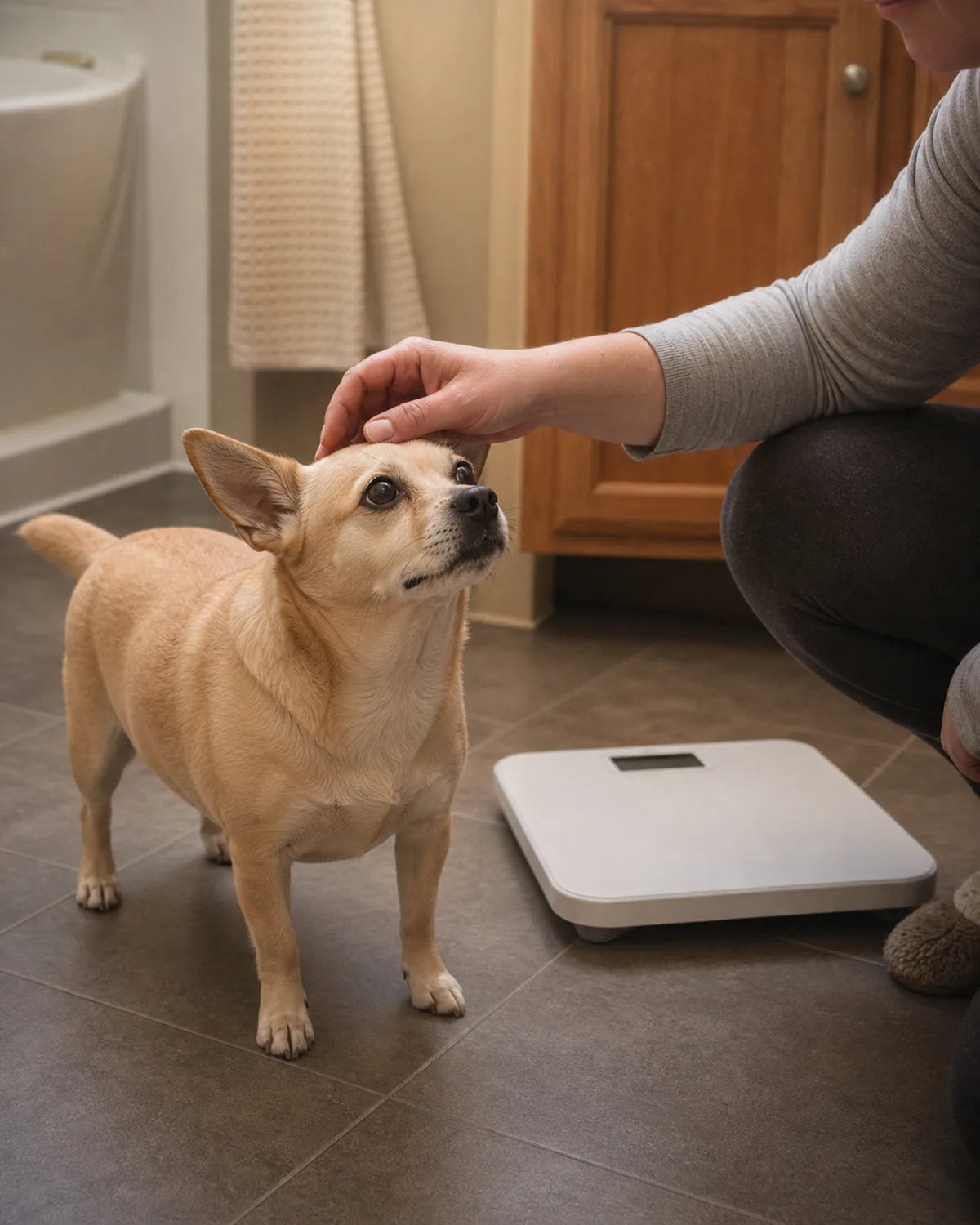
Any weight-loss plan should start with a vet visit to rule out medical causes that no amount of portion control will fix.
Hypothyroidism slows metabolism enough that a dog gains weight on normal portions. Cushing's disease drives appetite and fat storage. Joint pain or arthritis can reduce activity so dramatically that weight creeps up even without overfeeding. Some medications — steroids especially — trigger weight gain as a side effect.
If your vet clears your dog for a standard diet-and-exercise approach, ask them for a target weight range. That number becomes your north star — not an arbitrary goal you pick from a chart online.
4. How to Cut Calories Without Making Your Dog Miserable
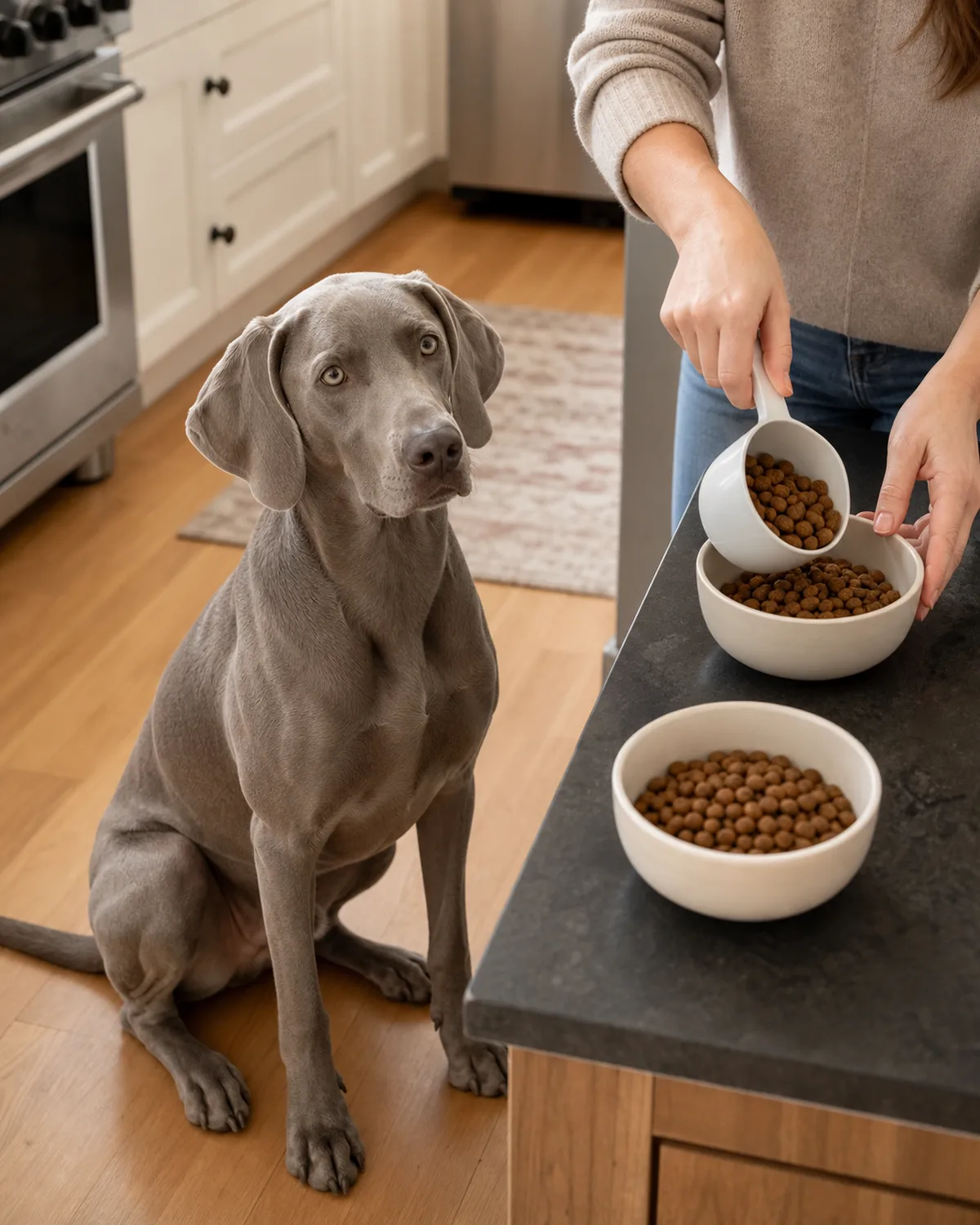
The biggest mistake is cutting too much too fast. A dog who gets half portions overnight will act hungry all day, beg constantly, and eventually convince most owners to give up.
Start by measuring what you are actually feeding. Not a heaping scoop — a level cup, weighed if possible. Most owners discover they have been feeding 15 to 25 percent more than they thought.
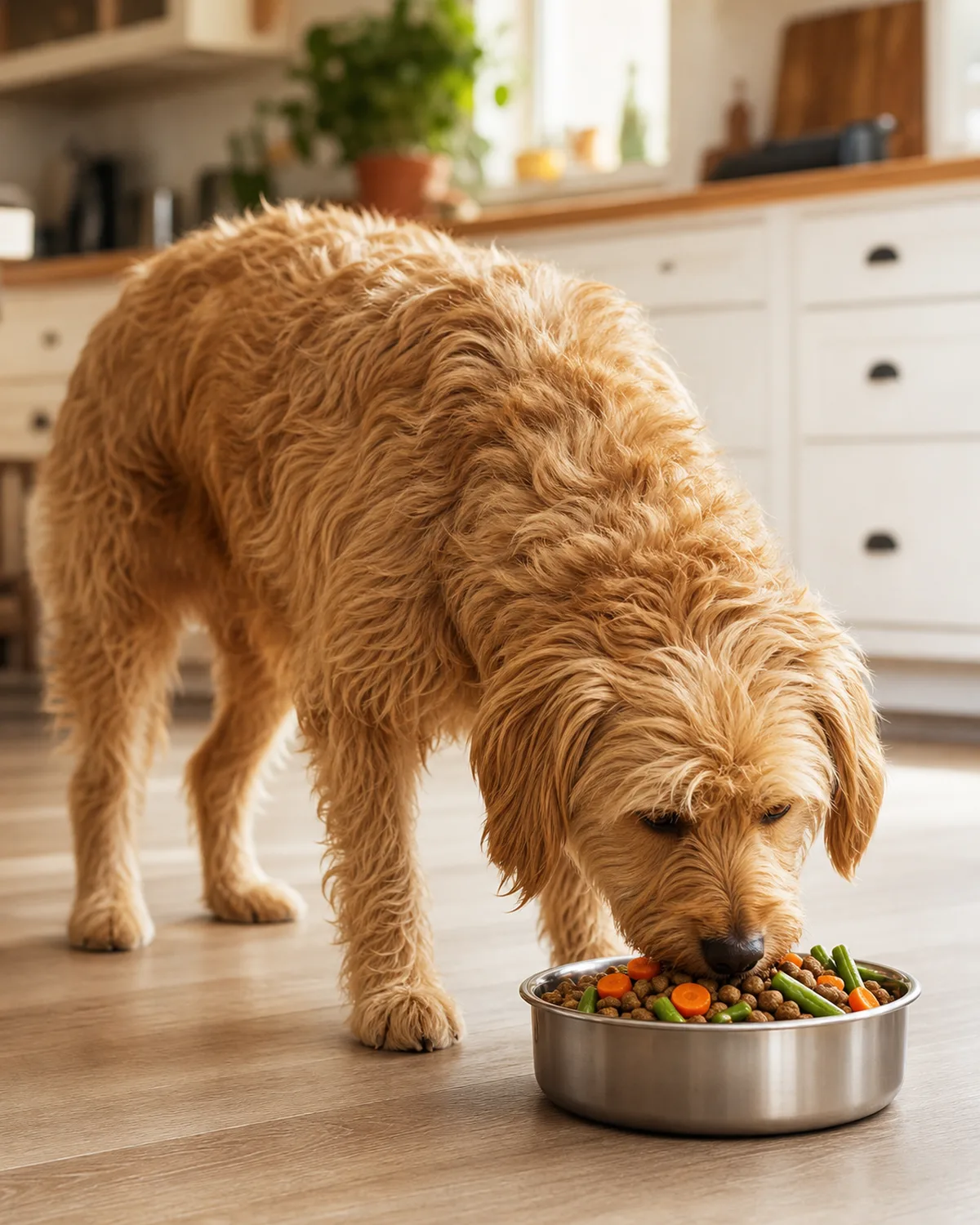
Reduce by 10 to 15 percent of current calories. Fill the gap with low-calorie, high-volume additions: green beans, plain canned pumpkin (not pie filling), raw carrot coins, diced cucumber. These add bulk and fiber that triggers fullness without meaningful calories.
Split the daily ration into three meals instead of two. Same total food, but a shorter gap between meals means less time feeling empty. Many dogs stop begging entirely once they move to three smaller meals.
5. The Treat Trap — Rethinking What Counts as a Reward
Treats are the silent budget-breaker. A single large biscuit can be 100 calories — the equivalent of skipping an entire meal reduction for the day. A few of those across a day and your careful portion control means nothing.
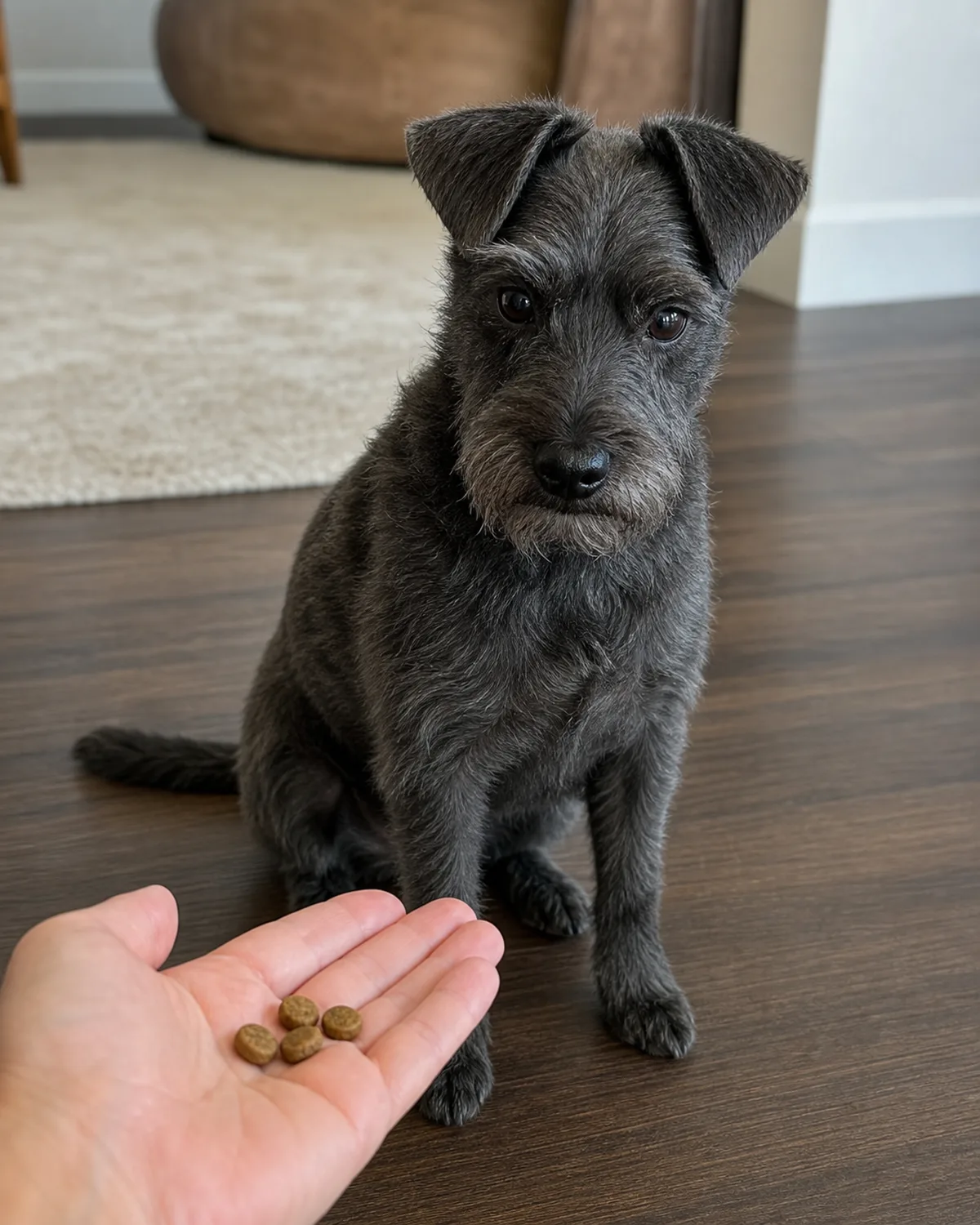
The fix is not eliminating treats. It is rethinking size and source. Break treats into pieces the size of a pea — your dog gets the same dopamine hit from receiving something, regardless of size. Switch to single-ingredient freeze-dried options or plain vegetables your dog likes.
Count Treats as Part of the Daily Total
Count treat calories as part of the daily total, not as extras. If your dog gets four small treats during training, reduce the next meal by that amount. A rough awareness that treats are food, not free bonuses, changes the trajectory.
The weight-loss ground rules
What to do — and what to avoid
Most stalled weight-loss plans trace back to one of these lines.
Always Do
- Start with a vet check to rule out medical causes.
- Measure portions with a cup or scale, not by eye.
- Reduce calories by no more than 15 percent at a time.
- Fill the gap with low-calorie vegetables, not an empty bowl.
- Count treats as part of the daily calorie total.
- Build exercise gradually — five-minute walks first.
- Track progress with photos and rib checks, not just the scale.
- Recalculate portions when your dog loses five percent of body weight.
Never Don’t
- Never cut food by half overnight — gradual reductions stick.
- Never feed human diet food to a dog.
- Never start an overweight dog on high-impact exercise like jumping or long runs.
- Never stop feeding to speed up results.
- Never rely on the scale alone — body condition matters more.
- Never skip the vet check for dogs at BCS 8 or above.
- Never return to pre-diet portions once your dog reaches target weight.
- Never ignore a plateau lasting more than three weeks — recalculate or call your vet.
6. Building Exercise Back Up (Without Hurting Joints)
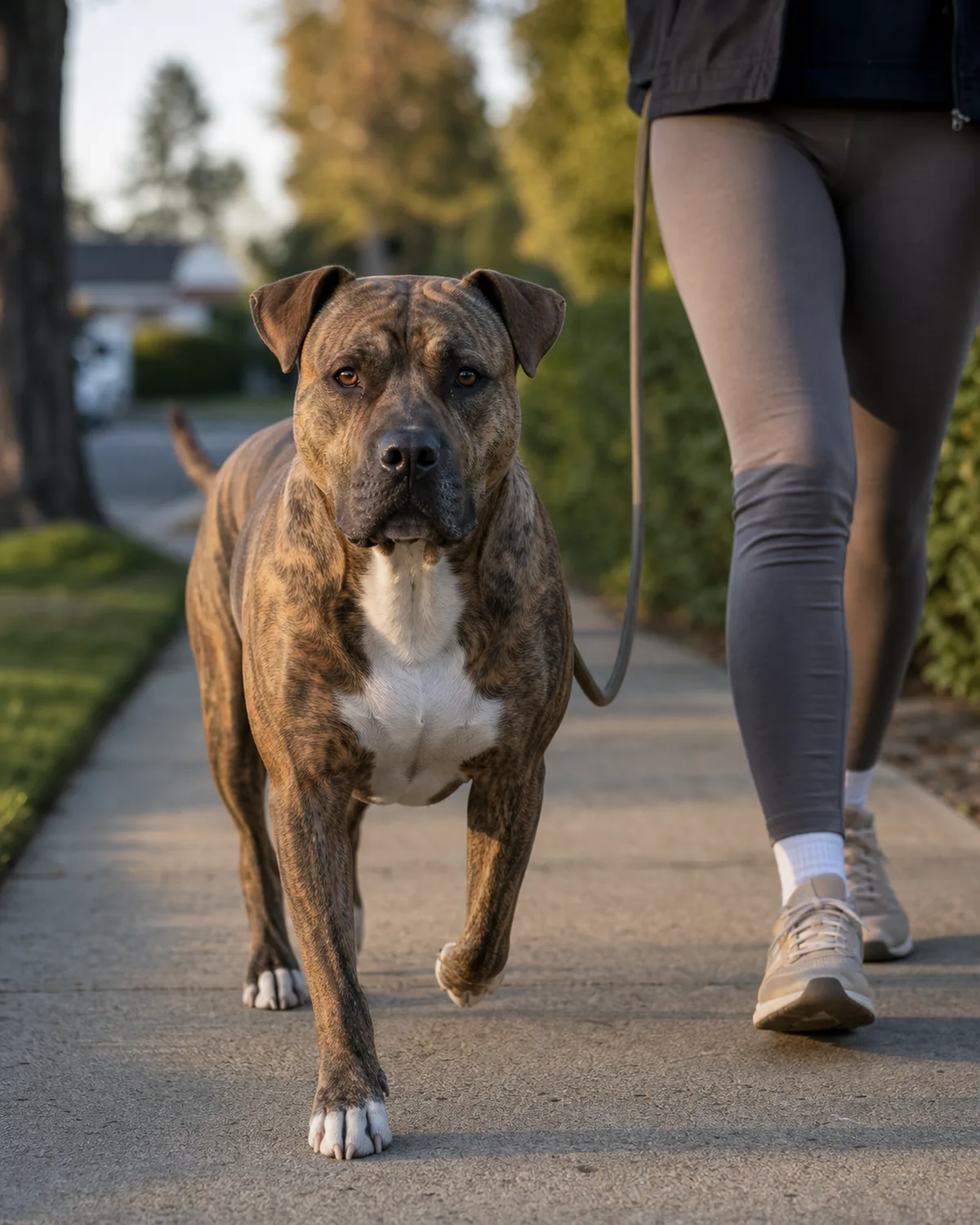
An overweight dog carrying extra load is at higher risk for joint strain, especially in the knees and hips. Jumping straight into hour-long hikes or fetch marathons can do more harm than good.
Start with three short walks a day — five to ten minutes each at whatever pace your dog sets. The goal is frequency and consistency, not intensity. Add two minutes per walk each week. Within a month, those three daily walks become meaningful exercise without the joint stress of a sudden ramp-up.
Swimming is the gold standard for overweight dogs with joint concerns. Water supports body weight while providing resistance that builds muscle and burns calories. Even ten minutes of swimming provides a workout equivalent to a much longer walk.
Watch for signs you are pushing too hard: heavy panting that lasts more than five minutes after stopping, reluctance to start the next walk, limping or stiffness the following day. Dial back if you see any of these. For the full breakdown of how much exercise your dog needs by size and age, see how much exercise does your dog need.
7. Indoor Movement Tricks for Rainy Days and Low-Energy Dogs
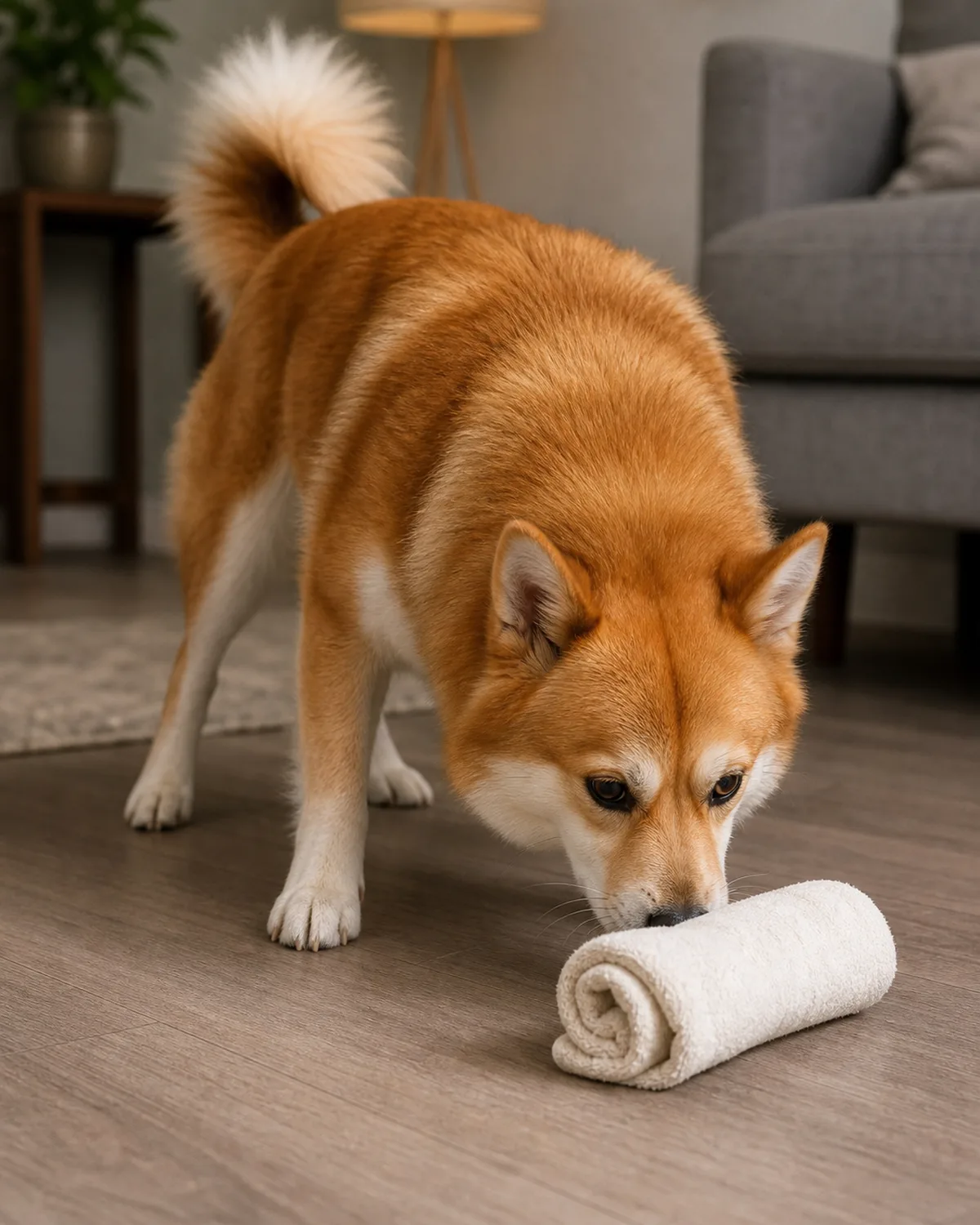
Weight loss stalls when bad weather or low motivation kills the walk routine. Having a few indoor options means you never lose a full day of activity.
Food-puzzle toys and snuffle mats turn mealtime into a 15-minute activity session. Scatter a portion of kibble across a snuffle mat or stuff it into a puzzle feeder — your dog eats the same amount but burns calories and engages mentally while doing it.
The Hallway Recall Game
A hallway recall game works well too: two people at opposite ends call the dog back and forth, rewarding each arrival with a single kibble. Ten minutes of this produces surprising cardiovascular effort.
For dogs with low joint tolerance, even a gentle indoor treasure hunt — hiding three treats around a room and letting your dog sniff them out — provides movement and mental enrichment without impact stress. For more indoor activity ideas, see how to keep your dog entertained indoors.
Save this checklist
Weekly Weight-Loss Tracker
Run through these each week to stay on track without obsessing.
- Measured portions for the week (cup or scale, not by eye).
- Treat calories counted as part of daily total.
- Three walks per day at current duration target.
- Rib check: easier to feel than last week?
- Side-view and top-view progress photo (same spot, same angle).
- Energy and stamina: panting less on the same walk?
- Portion adjustment needed? Recalculate after every 5% body-weight drop.
General guidance, not a substitute for your veterinarian’s advice for your specific dog.
8. How to Track Progress Without Obsessing Over the Scale
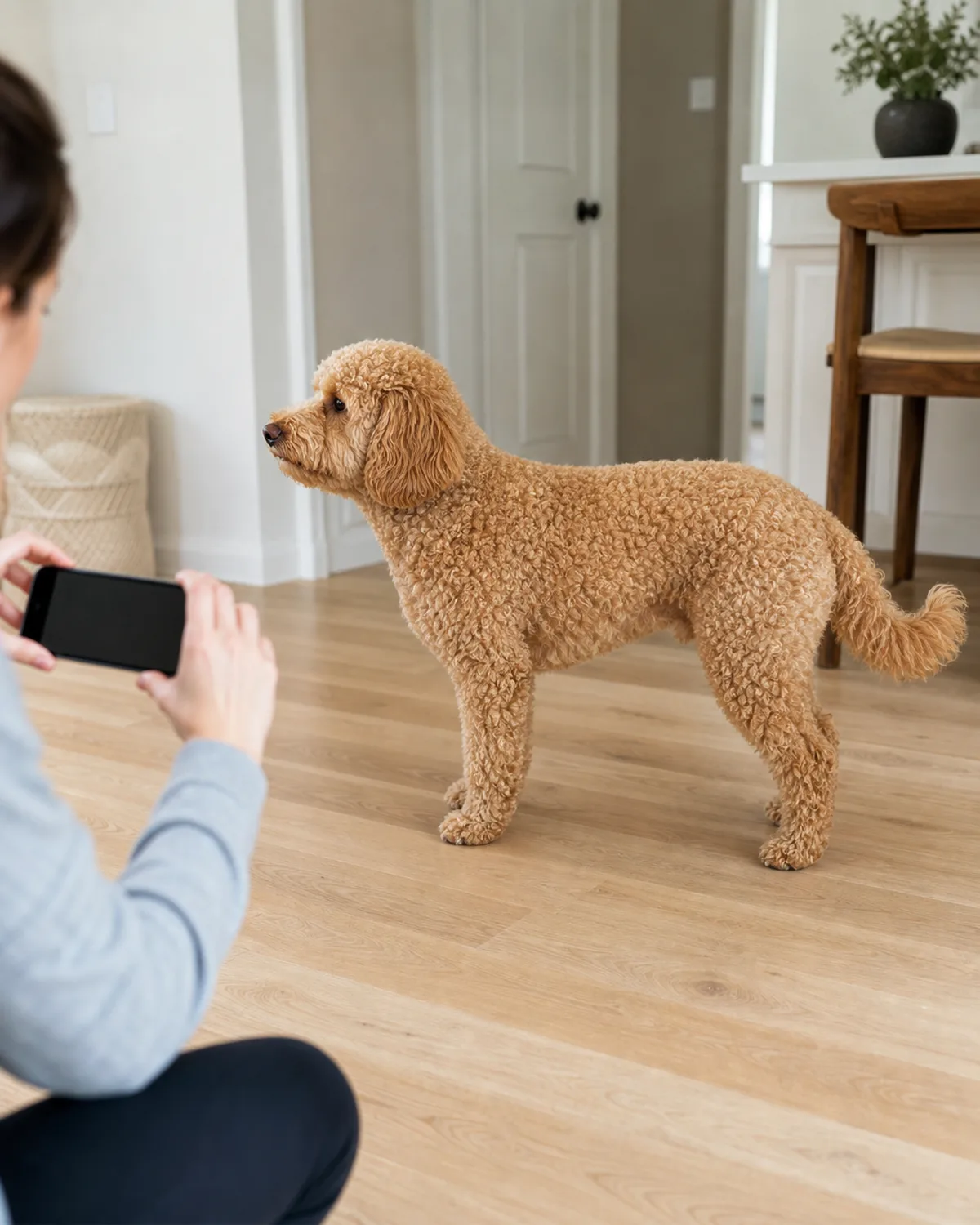
Weight fluctuates day to day based on hydration, meal timing, and bowel habits. Weighing daily can make progress look like failure when the trend is actually downward.
The best tracking method costs nothing: take a side-view and top-view photo of your dog in the same spot, same angle, every two weeks. Over time, these photos reveal changes that daily scale readings obscure — a more visible waist, a belly that tucks higher, a neck that looks leaner.
Combine photos with the rib test from the Body Condition Score check. If you can feel ribs more easily this month than last month, the plan is working regardless of what the scale says.
A reasonable rate of loss for most dogs is 1 to 2 percent of body weight per week. For a 30-kilogram dog, that is 300 to 600 grams — barely a blip on a home scale but meaningful over four to eight weeks.
9. What to Do When the Weight Stalls
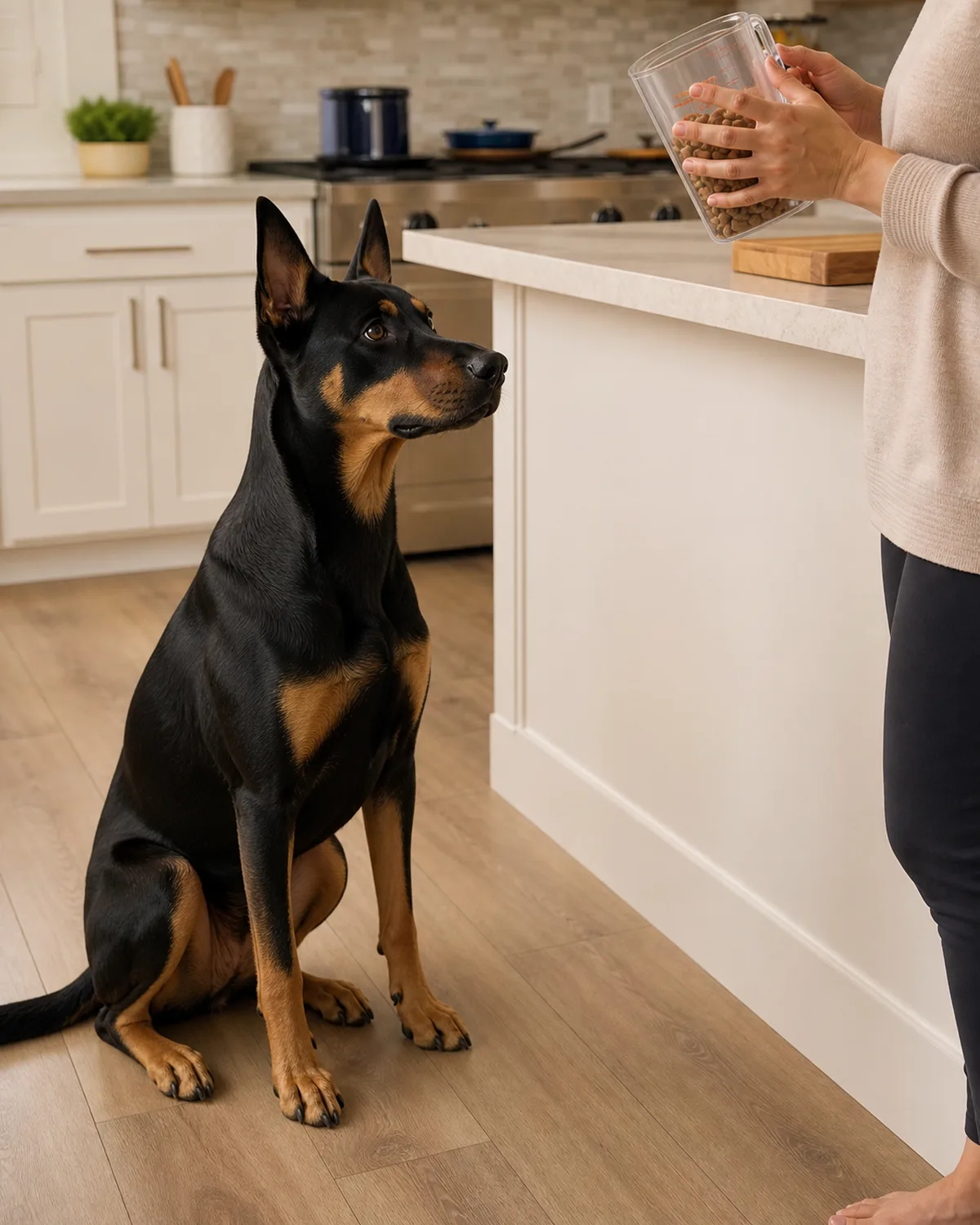
Plateaus happen to every dog on a weight-loss plan, usually four to six weeks in. The initial easy losses slow because your dog's resting metabolism has adjusted downward to match the lower intake.
The response is not to slash calories further. It is to recalculate. A dog who started at 35 kilograms and is now 32 needs fewer calories to maintain 32 than it needed to maintain 35. Recalculate portion size for the current weight, not the starting weight.
Add enrichment feeding — scatter meals on grass, use puzzle feeders, feed from a slow-bowl — so your dog works for every calorie. This adds modest caloric burn and, more importantly, extends mealtime satisfaction.
If weight stays flat for more than three weeks after recalculating, check in with your vet. Occasionally a plateau signals a medical issue that developed since the plan started.
10. The Long Game — Keeping Weight Off Once You Reach Goal
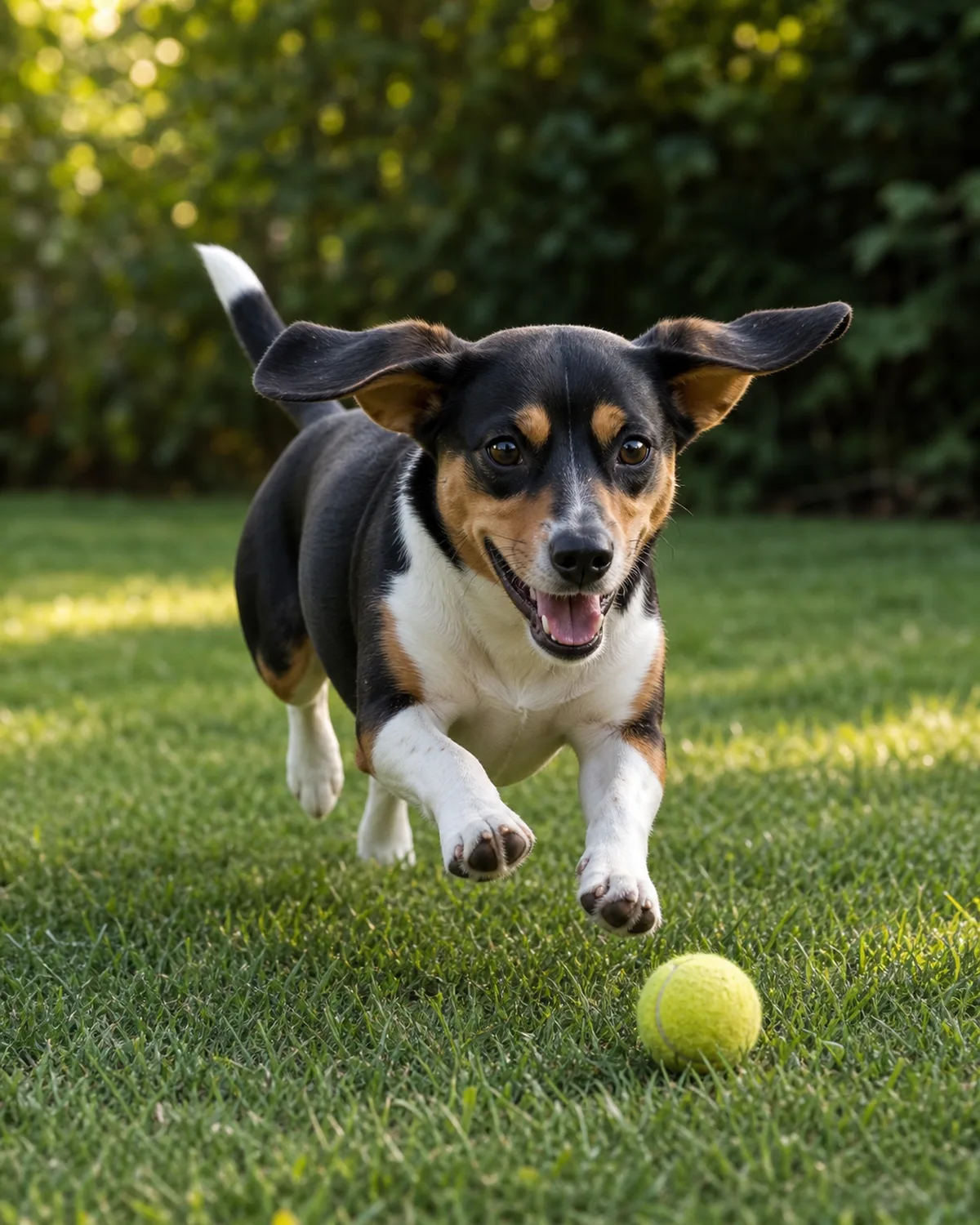
Reaching target weight is not the finish line — it is a gear change. The single most common mistake is returning to pre-diet portions, which got your dog overweight in the first place.
Maintenance calories are roughly 5 to 10 percent above what your dog was eating during the loss phase. Not a return to the old amount. Think of it as a small upward adjustment that holds the new weight steady.
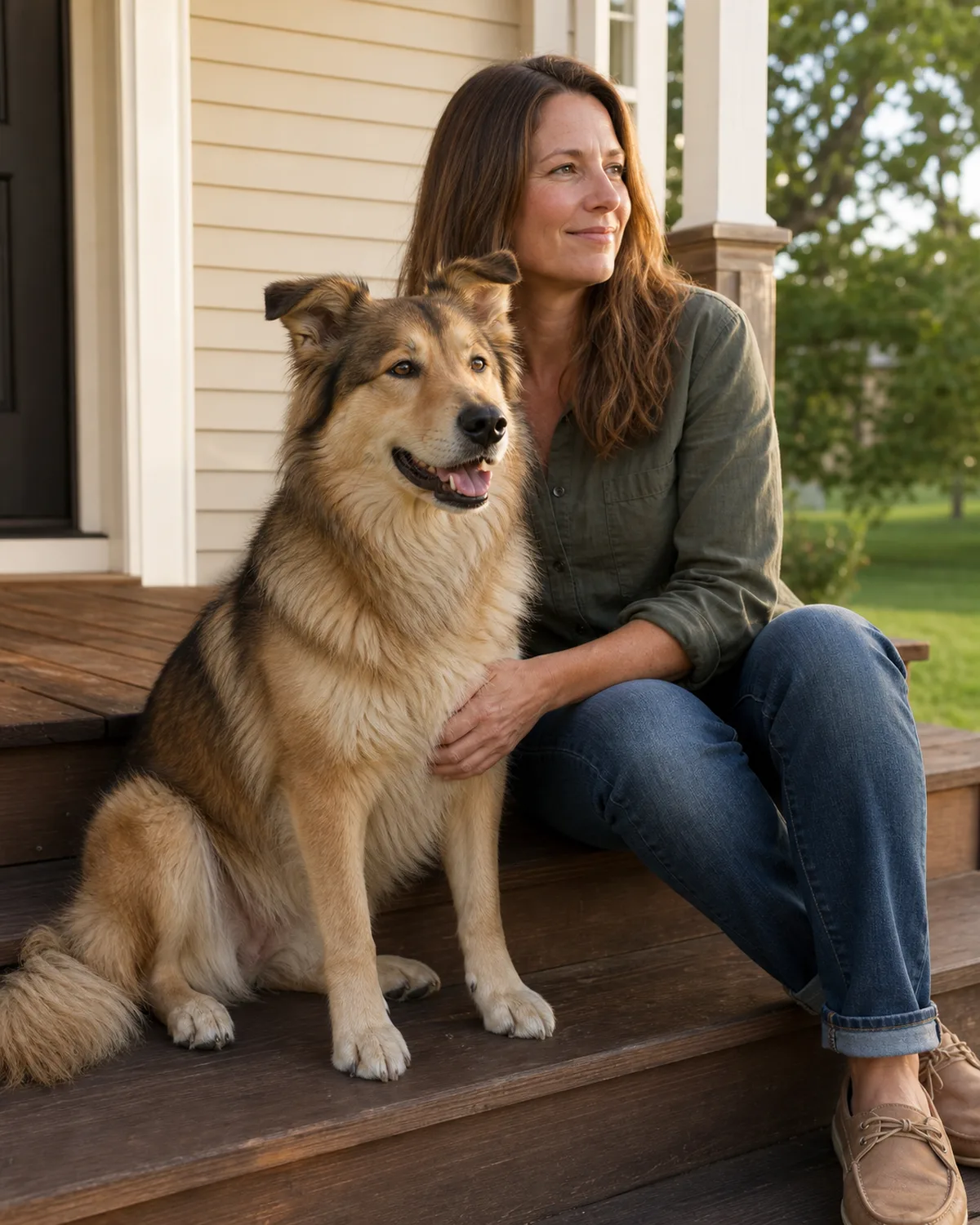
Keep the habits that got you here: measured portions, treats counted as part of daily intake, regular walks at the duration you built up to, and a body condition check every month. If the ribs start getting harder to find again, reduce by 5 percent for two weeks before the creep becomes a full regain.
Zero-Impact Exercise for Long-Term Maintenance
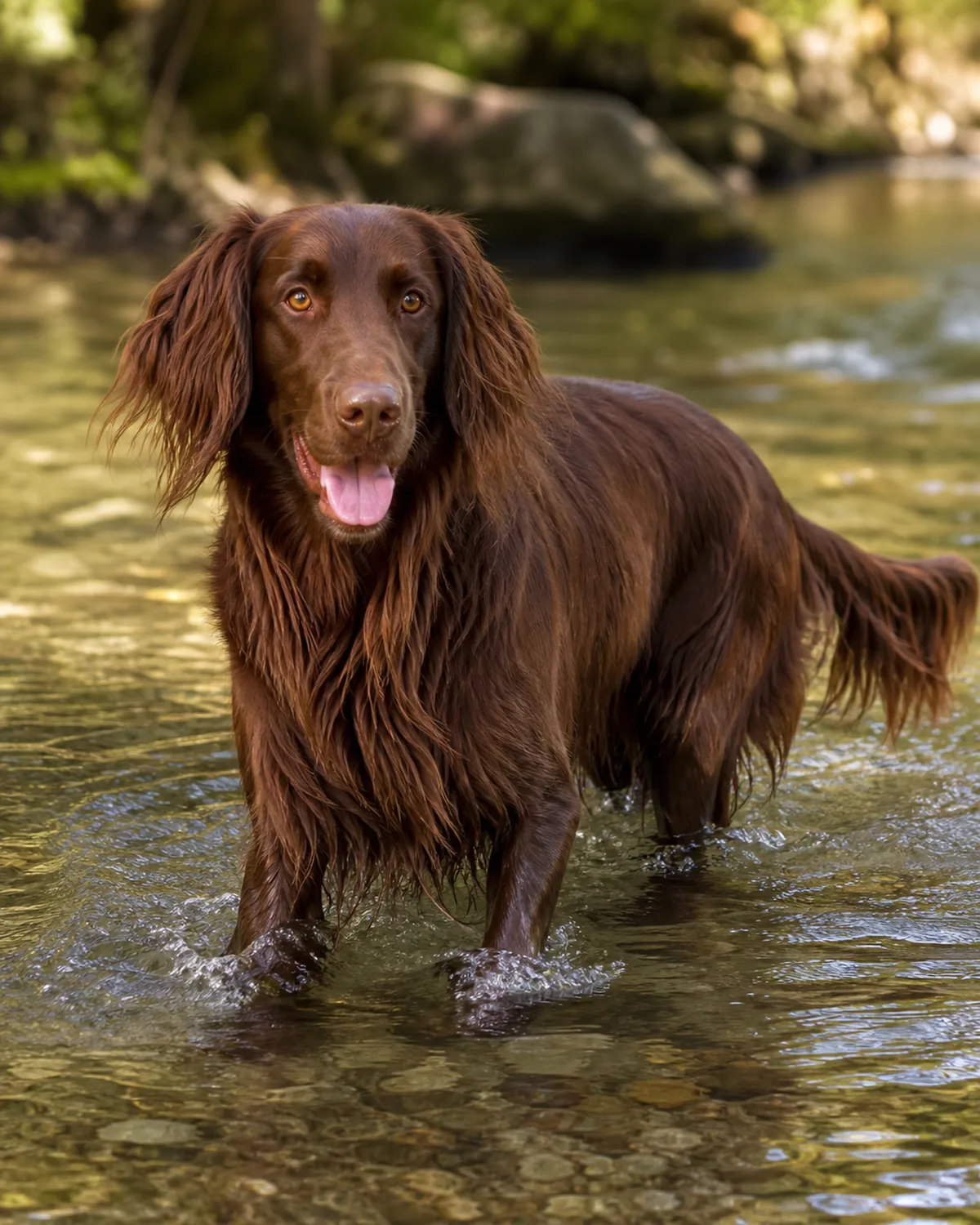
Weight management is not a project with an end date. It is a permanent shift in how you feed and move your dog — one that adds years of comfort, mobility, and energy to their life. Swimming and wading remain excellent low-impact options for keeping your dog active without stressing joints.
About the author
Jess Calloway
Jess is a dog mom of three, and the first vet visit about weight was a lesson in how love and overfeeding look identical from the treat jar. This guide covers why weight creeps up, the body condition score, what to rule out with your vet, how to cut calories without empty bowls, the treat trap, building exercise safely, indoor movement tricks, tracking progress with photos and rib checks, breaking through plateaus, and keeping weight off for good. Pawliqa is not a substitute for veterinary care — any weight-loss plan should start with your own vet. Visit the About page.