The first time I sat in a vet’s waiting room with a new puppy, I thought one visit would cover it. It did not. Vaccines come in a series, spaced across months, and missing the rhythm matters more than people expect.
Each round is timed around a window that closes at a different moment for every puppy. Get the spacing wrong and a puppy can look “vaccinated” on paper while still carrying a real gap in protection.
This guide covers the core timeline, what each shot covers, and the socialization overlap that trips up new owners — plus cost and record-keeping habits. I have done this with all three of my dogs, and the calendar is the piece nobody warns you about.
A puppy’s vaccine protection builds across several visits, not one shot — and the timing between them matters as much as the needle itself. Here is the shape of the schedule, what each round covers, and the mistakes that quietly leave gaps. This is general guidance, not a substitute for your vet’s specific plan.
- 1Why vaccine timing is its own skill
- 2The core puppy vaccine timeline
- 3Core vs. non-core vaccines
- 4What the core combo shot protects against
- 5Why the final shot around 16 weeks matters most
- 6The “not fully protected yet” window
- 7Vaccine window vs. socialization window
- 8Rabies: why it’s treated differently
- 9The adult booster schedule
- 10Normal reaction vs. call-the-vet reaction
- 11What puppy vaccines typically cost
- 12Keeping a vaccine record
- 13The mistakes that quietly leave gaps
Why Vaccine Timing Is Its Own Skill, Not Just a Checkbox

A puppy’s immune protection does not arrive in one shot. It builds in layers across several visits, and the layering is the part that actually does the work. Owners tend to focus on whether the shot happened, when the real variable is whether it happened at the right time.
The reason timing matters so much comes down to maternal antibodies. A puppy nursing from its mother picks up antibodies that protect it early on, but those same antibodies also block a vaccine from working while they are still active. The schedule is built around when that maternal shield fades, and that moment is different for every puppy.
No blood test in a routine visit tells you the exact week that shield drops. That is why the series repeats every few weeks instead of stopping after one shot — each round is a fresh attempt to catch the window once it opens.
The Core Puppy Vaccine Timeline at a Glance
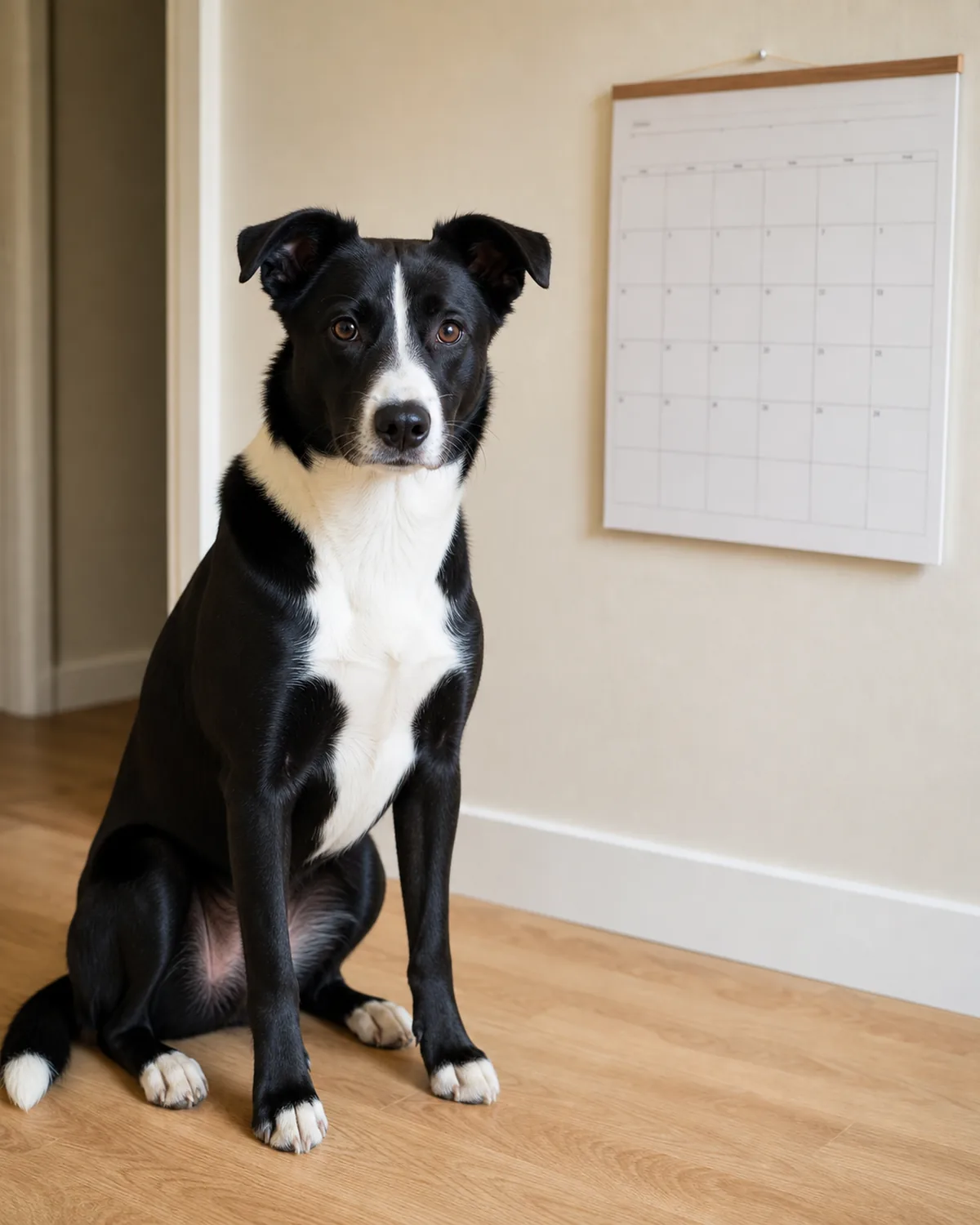
The standard rhythm most vets follow looks something like this: a first round around 6 to 8 weeks, a second around 10 to 12 weeks, and a third around 14 to 16 weeks. Rabies is typically bundled somewhere in that 12 to 16 week window, depending on your state’s requirements.
Each round exists to catch the maternal-antibody window as it closes, and since nobody can predict the exact week for an individual puppy, spacing the shots a month apart covers the range where most puppies fall.
Treat these ages as the shape of the schedule, not a script. Your vet may shift the timing based on breed, health history, or local disease risk, and confirming the exact plan with them is worth more than following a chart from the internet.
Core vs. Non-Core: What’s Standard vs. What Depends on Your Dog’s Life
Core vaccines go to every puppy, no matter their lifestyle. That group covers distemper, parvovirus, adenovirus, and rabies — diseases serious and widespread enough that skipping them is not really an option most vets present.
Non-core vaccines are different. Bordetella, leptospirosis, canine influenza, and Lyme disease get added based on actual exposure: daycare and boarding, wooded or tick-heavy regions, dog parks, or a lot of contact with unfamiliar dogs.
That is why two puppies from the same litter can leave the vet with different final lists. An apartment dog with minimal outdoor exposure and a dog headed for weekly hiking trails are not facing the same risks, so their non-core additions reasonably differ. Ask your vet which ones apply to your dog’s actual routine.
A vaccine schedule is not one decision, it is a handful of small ones spread across several months. These four situations cover most new owners — find the one closest to yours.
What the Core Combo Shot Actually Protects Against
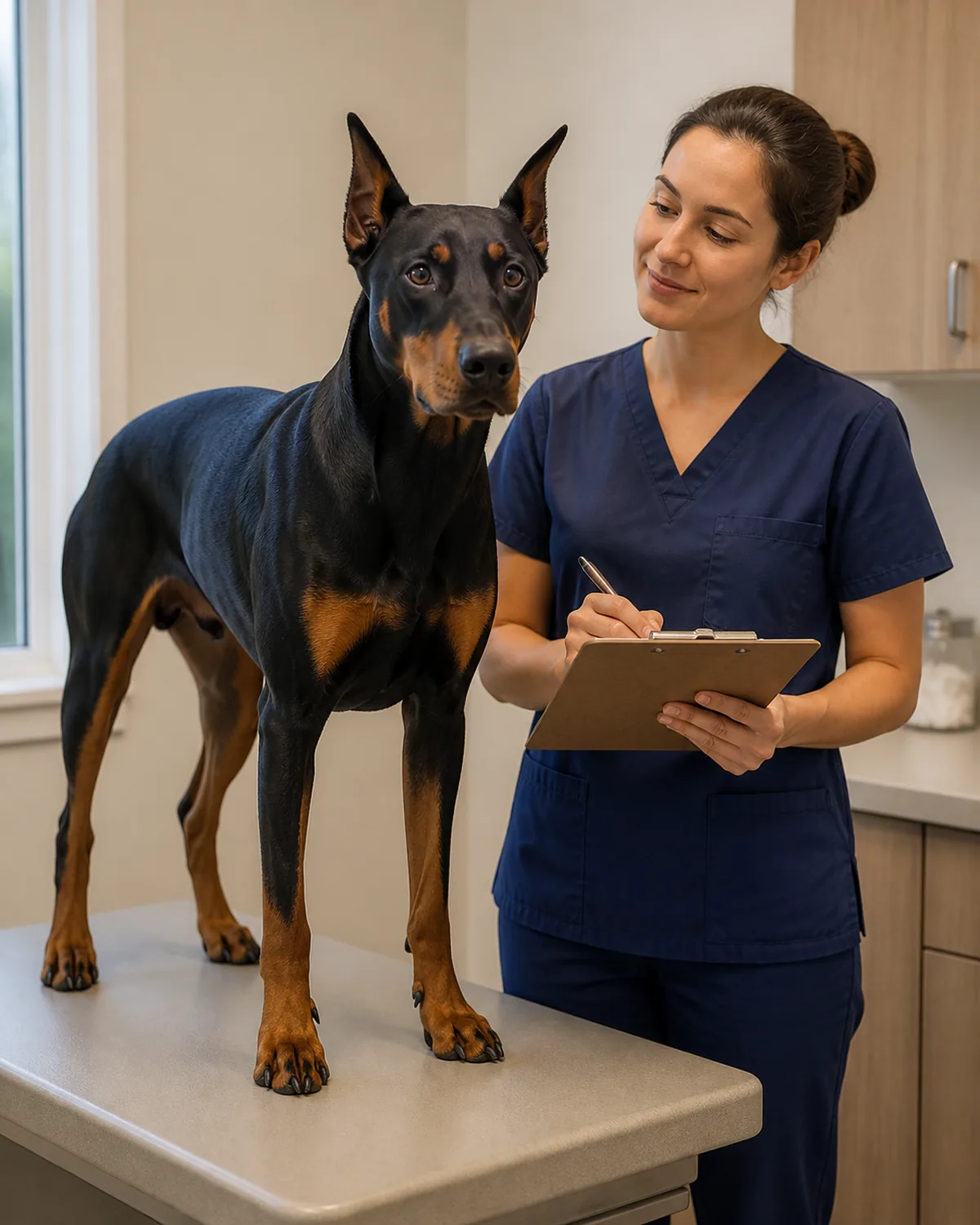
The standard combo shot, often labeled DHPP or something similar on paperwork, bundles protection against several viral threats in a single injection: distemper, parvovirus, adenovirus, and parainfluenza.
Distemper attacks the nervous and respiratory systems and is frequently fatal in unprotected puppies. Parvovirus causes severe gastrointestinal illness and is especially dangerous at a young age, spreading easily through contaminated ground and surfaces. Adenovirus causes a form of hepatitis.
Bundling these into one combo shot means fewer separate visits and fewer needle sticks, while still covering the diseases most likely to kill an unprotected puppy.
Understanding what is actually in that combo shot makes the schedule feel less abstract. It is not a generic “vaccine” — it is targeted protection against a specific, serious set of threats.
Why the Final Puppy Shot Around 16 Weeks Is Non-Negotiable
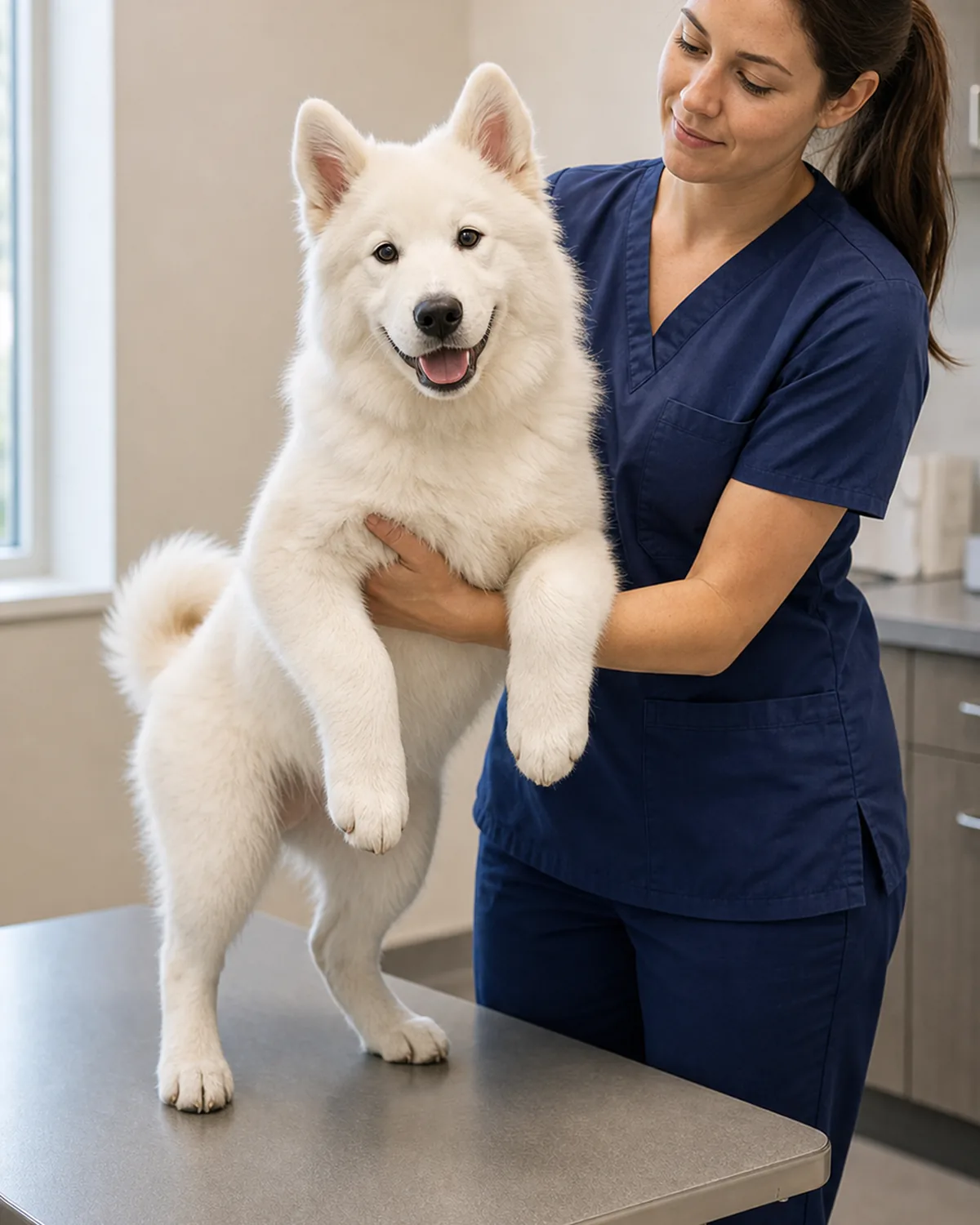
Vets push hard on the final round, even when it feels redundant after two or three shots already. There is a real reason for the insistence: that last shot is aimed at whatever window each individual puppy’s maternal antibodies happened to fade in.
Some puppies lose their maternal protection early. Others hang onto it later than average. The earlier rounds cover most puppies, but a puppy whose shield faded late can be left with a genuine gap if the series stops before that final round.
“My puppy already had shots” and “my puppy is fully protected” are not the same sentence until the last round in the series is done. Skipping it because a puppy seems healthy and energetic does not close that gap — it just leaves it invisible until something goes wrong.
The ‘Not Fully Protected Yet’ Window: What to Ease Up on Between Shots

Until the full series wraps up, a puppy is still working toward complete protection, and it makes sense to keep high-risk exposure light. Dog parks, pet-store floors, and contact with unfamiliar or unvaccinated dogs carry real risk during this stretch, while controlled spaces like your own yard or a healthy vaccinated friend’s home carry much less.
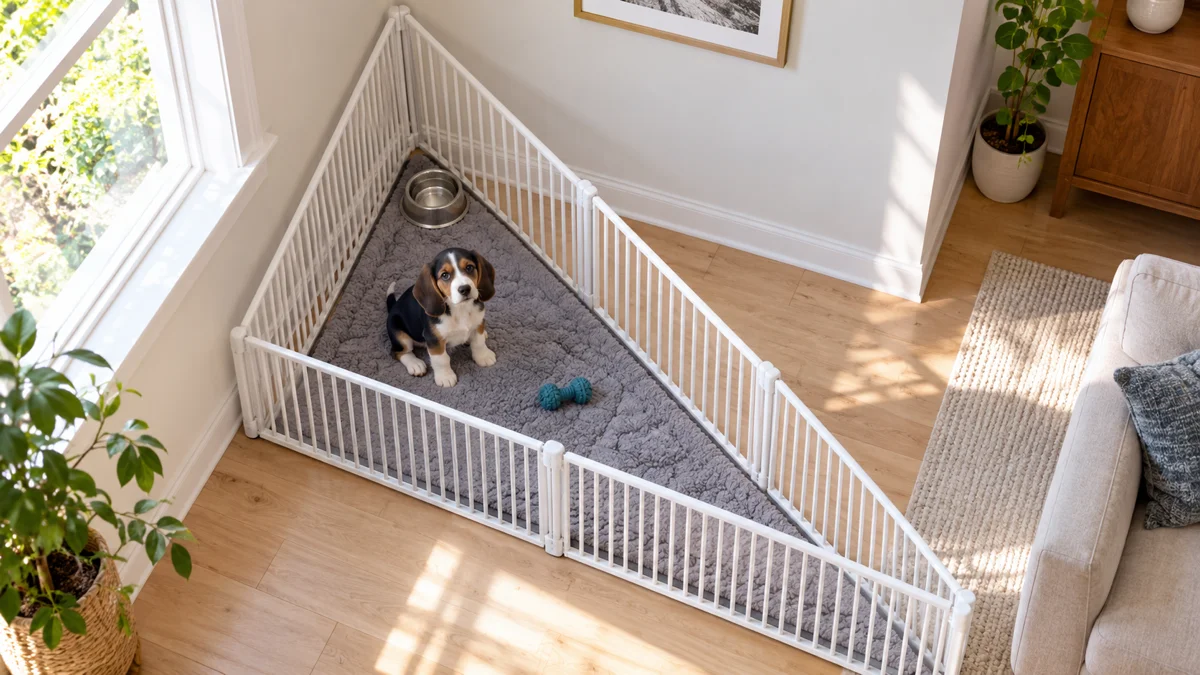
This stretch is also the moment your indoor hazard-proofing does the most work, since your puppy is spending more time contained at home rather than out and about exploring the neighborhood.
Partially vaccinated puppies are most vulnerable to parvo and distemper in exactly the high-traffic public spaces that feel most tempting to visit early — the dog park, the busy sidewalk, the pet store aisle. It is a short window, and it passes once the series finishes.
Most schedule gaps come from one of these sixteen lines, not from a missed appointment. Read both columns once before pickup day, and again before the first round.
Always Do
- Finish the entire series, including the final round around 16 weeks, even if she seems totally fine.
- Keep a copy of the vaccine record yourself — a photo on your phone plus the paper copy.
- Call two or three local clinics to compare puppy-series pricing before booking the first visit.
- Start controlled socialization in low-risk settings during the mid-series window, not after it ends.
- Watch for 24-48 hours after each shot for soreness, low energy, or a lighter appetite — all normal.
- Ask which non-core vaccines fit your specific lifestyle instead of accepting a default list.
- Confirm your state or county’s exact rabies-age requirement with your vet, since it varies by law.
- Bring any prior vaccine paperwork to the first visit, even if it looks incomplete.
Never Don’t
- Never assume one visit covers everything — the protection builds across the full multi-visit series.
- Never skip the last puppy round because earlier ones already happened.
- Never take an unvaccinated or partially vaccinated puppy to a dog park or pet-store floor.
- Never wait for facial swelling or vomiting to pass on its own — call the vet same-day.
- Never isolate a puppy from all outside contact for months waiting on “fully vaccinated.”
- Never assume every clinic charges the same for the puppy series — prices vary widely.
- Never lose the only copy of the vaccine record — boarding and daycare will ask for it later.
- Never diagnose a reaction yourself — a same-day call sorts normal soreness from a rare allergic one.
Vaccine Window vs. Socialization Window: Managing the Overlap
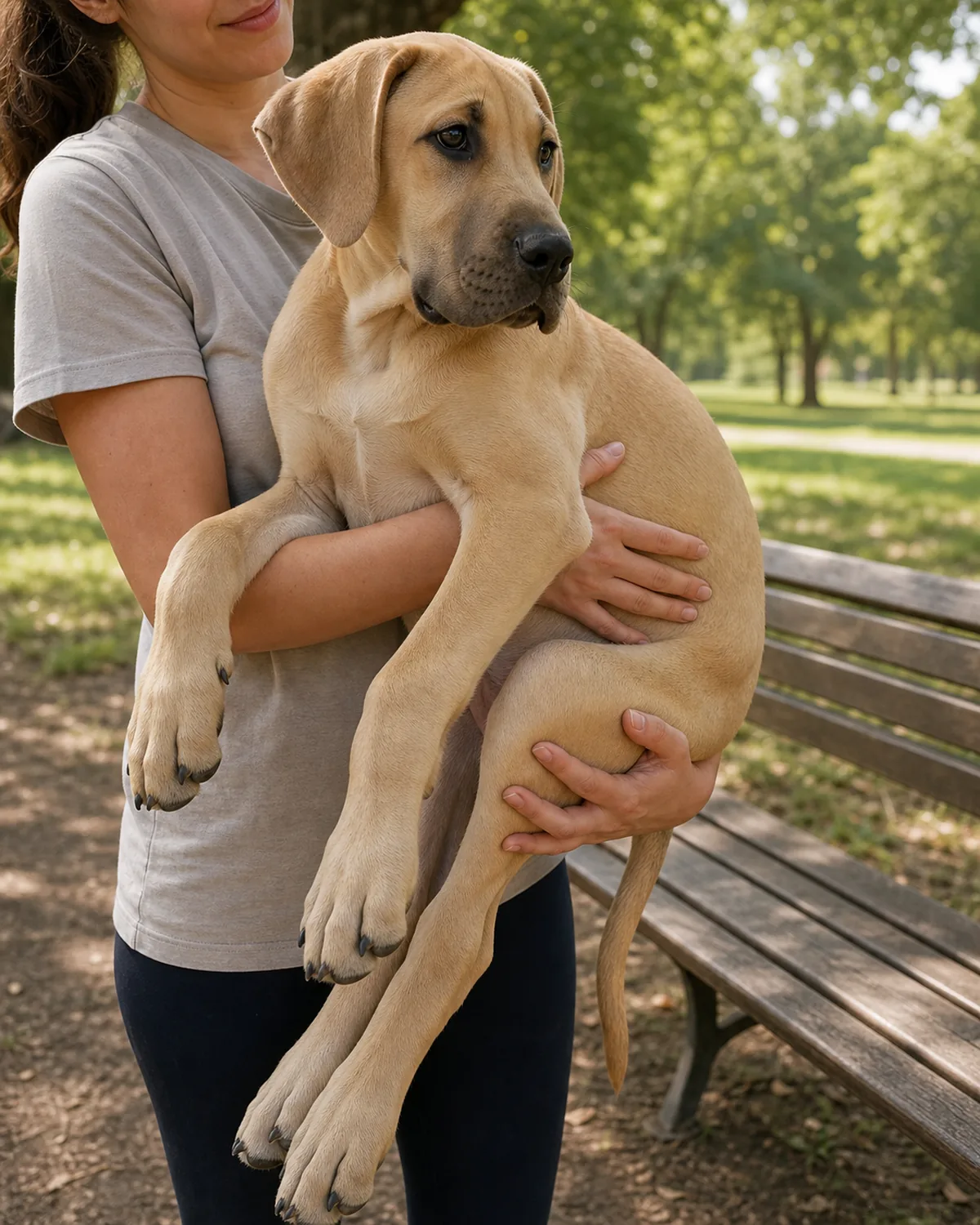
Here is the tension every new owner runs into: the critical socialization period, roughly 3 to 14 weeks, overlaps almost entirely with the stretch when the vaccine series is still incomplete. Wait for full protection before socializing and you have missed most of the window that shapes how your puppy handles the world.
Most vets suggest starting the socialization protocol in controlled settings rather than waiting for the last shot — a healthy, fully vaccinated adult dog you know well, a friend’s fenced yard, carried outings where paws never touch questionable ground. The socialization window does not pause for the vaccine calendar, so managing exposure type becomes the workaround.
The risk comes from exposure type, not a strict calendar lockout. A dog park at peak hours carries far more disease risk than a controlled visit with one known, healthy dog, even though both technically happen before the series is finished.
Rabies: Why It’s Treated Differently From the Rest
Rabies gets tracked separately from the rest of the puppy series for a reason that has nothing to do with medicine alone. The exact age requirement and timing are set by state and sometimes local law, because rabies is a public-health issue with legal reporting requirements attached.
Proof of a current rabies vaccine is typically required for licensing your dog, for boarding, for grooming appointments, and in some areas even matters at the county line. That paperwork trail is why this one shot tends to get its own line item on every form you fill out for the rest of your dog’s life.
Your vet will know the specific age and interval your state requires, and that is worth confirming directly rather than assuming it matches the rest of the core series.
The Adult Booster Schedule After the Puppy Series Ends
Most dogs get a one-year booster after finishing the puppy series. That booster confirms the initial immune response actually took hold, and after it, many vaccines shift to a longer-interval schedule — often every one to three years, depending on the specific vaccine and product your vet uses.
The puppy series does the heavy lifting of building that first immune response. The one-year booster is the checkpoint, not a repeat of the whole process, which is why the schedule loosens once it is confirmed.
Non-core vaccines tied to ongoing exposure, like kennel cough or Lyme in a tick-heavy area, often stay on an annual schedule regardless of how the core vaccines are spaced. Your vet’s specific recommendations for your dog’s risk level are what should drive the final schedule, not a generic timeline.
Puppy Vaccine Schedule Quick Checklist
Keep this on hand through the whole series — it covers the shape of the timeline, not the exact ages your vet will confirm.
- First core round around 6-8 weeks, second around 10-12, third around 14-16.
- Rabies typically bundled in the 12-16 week window — exact age set by state law.
- Don’t skip the final round — it closes the maternal-antibody gap for good.
- Keep dog parks and pet-store floors light until the series is complete.
- Start controlled socialization mid-series in low-risk settings, not after the wait.
- One-year booster after the puppy series, then a longer-interval schedule.
- Mild soreness or low energy for a day is normal — facial swelling or repeated vomiting is not.
- Keep a photo of the vaccine record on your phone plus the paper copy.
This is general guidance, not individualized medical advice — confirm exact timing and any reaction with your vet.
PAWLIQA · NEW DOG OWNERS
What a Normal Reaction Looks Like vs. When to Call the Vet
Mild soreness at the injection site, a day of low energy, or a slightly smaller appetite are common after a shot and typically resolve within 24 to 48 hours on their own. A puppy who naps more than usual the afternoon of a vet visit is not usually cause for alarm.
A short list of signs warrants a same-day call instead of a wait-and-see approach: facial swelling, hives, repeated vomiting, difficulty breathing, or collapse. These point to a rare but real allergic reaction, and they need attention quickly rather than overnight.
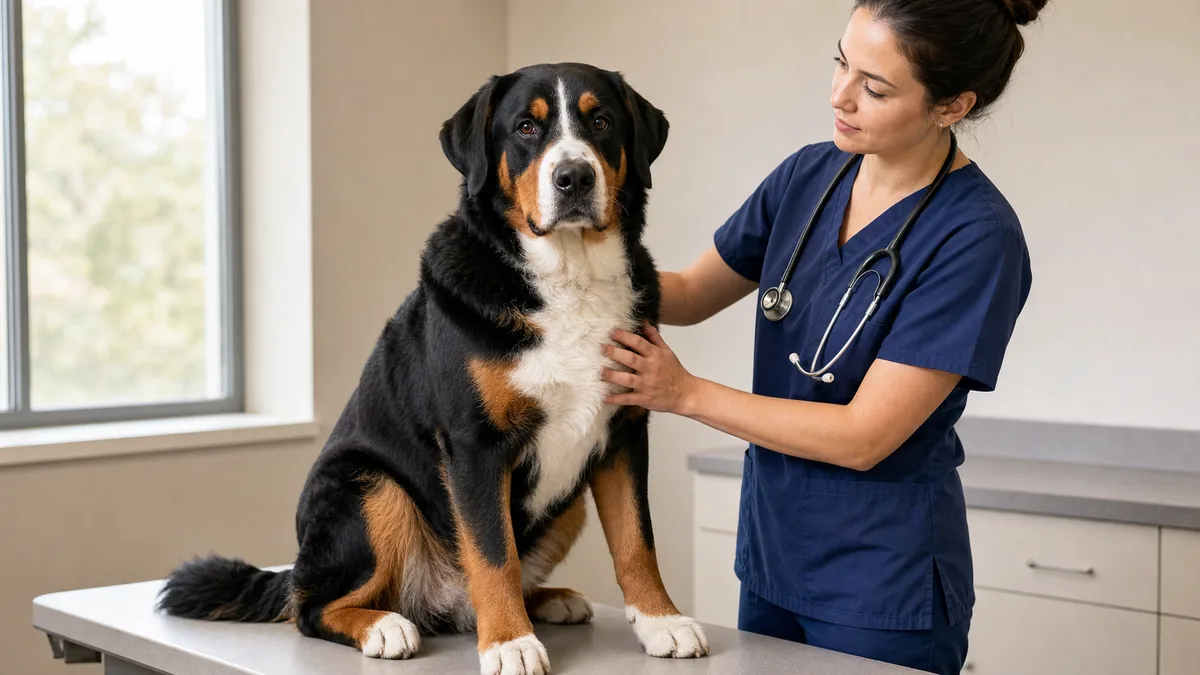
This is exactly why many vets ask owners to stick around the clinic for a short window right after the shot — it is the easiest time to catch a reaction early. If anything about your puppy’s response feels off, calling your vet directly beats guessing from a symptom list online.
What Puppy Vaccines Typically Cost (And Ways to Lower It)
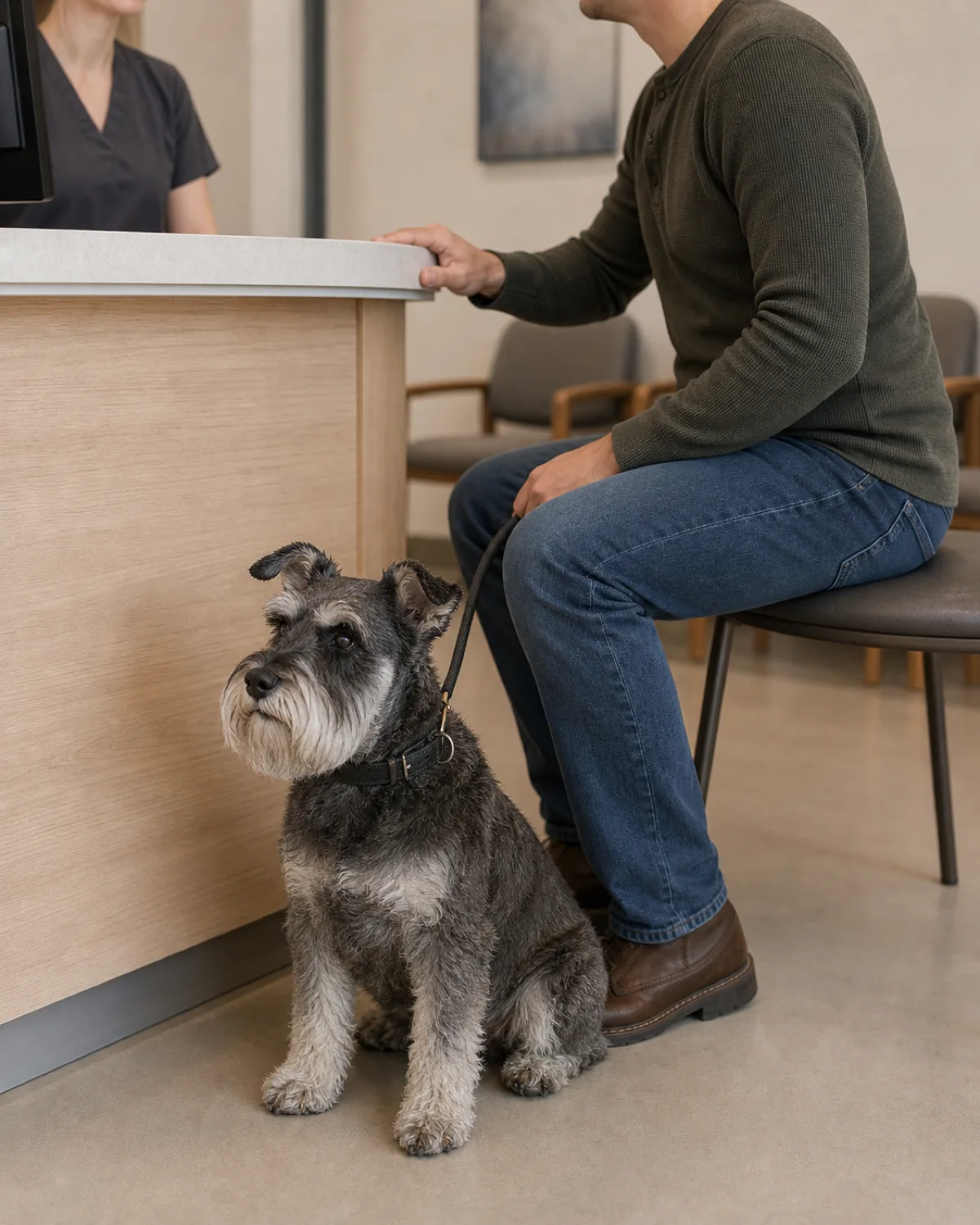
A full puppy vaccine series, spread across all the required visits, often lands somewhere in the low-to-mid hundreds of dollars total. The exact number swings widely by clinic, region, and whether the vaccines are bundled with a wellness exam or priced separately.
A few habits bring that number down without cutting corners. Ask your clinic about puppy-series package pricing, since many vets discount the bundle compared to paying per visit. Look into local low-cost vaccine clinics or shelter-partnership events, which often run well below standard clinic pricing.
Before booking each visit, confirm exactly what is bundled in — an exam fee tacked onto every shot adds up fast if you are not expecting it.
Pricing varies enough between clinics that a quick round of calls to two or three local options is often worth the ten minutes it takes, especially before the first visit locks you into a provider.
Keeping a Vaccine Record: The One Piece of Paper You’ll Need Constantly
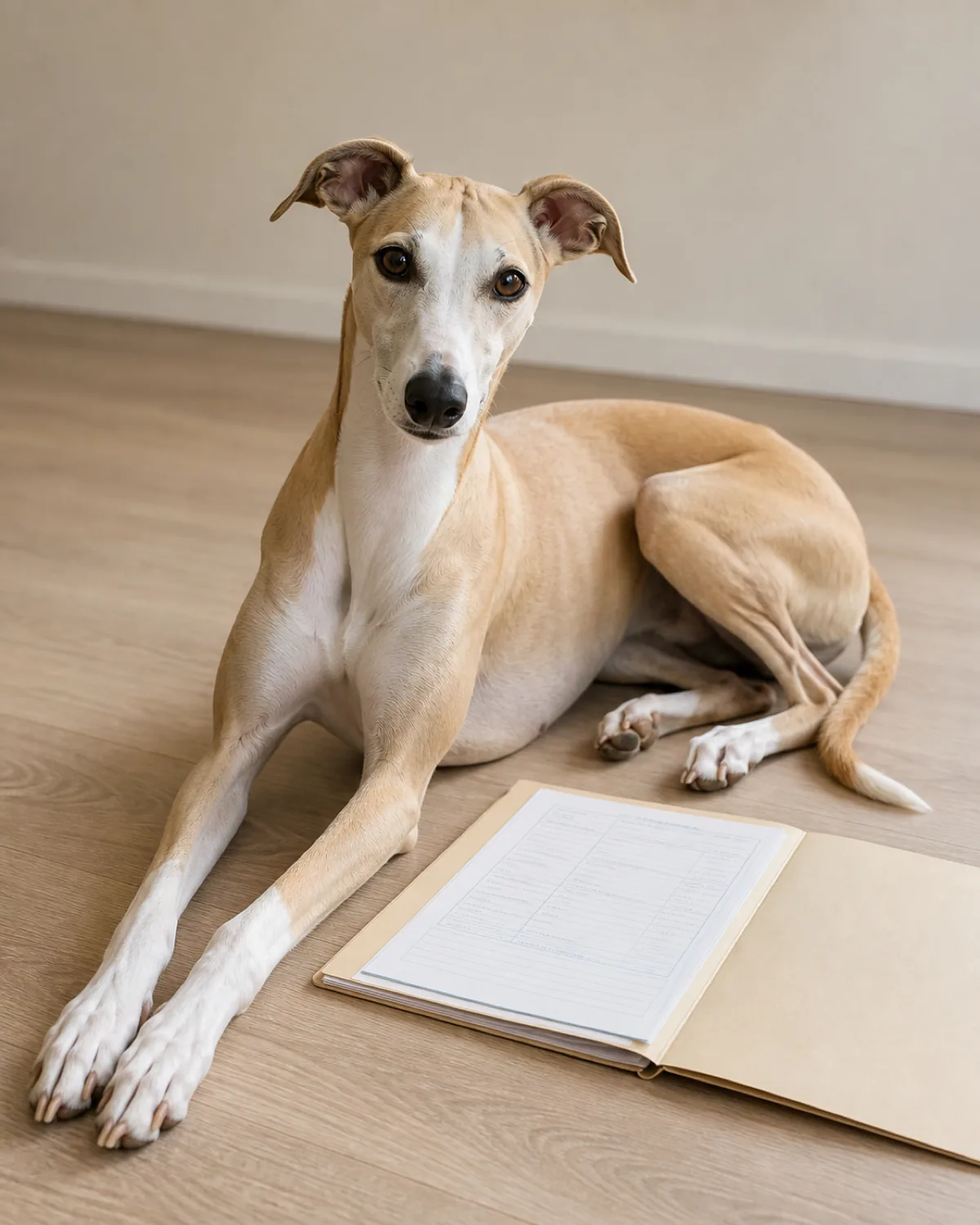
Daycare, boarding, grooming appointments, dog parks, and even some apartment leases ask for proof of current vaccines before they will let your dog through the door. It comes up more often than new owners expect, usually at the worst possible moment — the morning of a boarding drop-off, say.
Keep both a physical copy of the vaccine record and a photo of it on your phone. Clinics change, records occasionally take a while to transfer between vet offices, and having your own copy on hand sidesteps the last-minute scramble entirely.
This is a small habit that saves real hassle later. Update the photo every time a new shot goes on the record, and you always have proof ready the moment someone asks for it.
The Vaccine Schedule Mistakes That Quietly Leave Gaps
A few patterns show up again and again with new puppy owners, and each one quietly undoes protection the schedule was designed to give.
Mistake 1: Skipping or Delaying the Final Round Because the Puppy “Seems Fine”
A puppy acting healthy and energetic tells you nothing about whether its maternal-antibody window has fully closed. The final round exists precisely to close that gap, and delaying it because the puppy looks fine leaves the exact vulnerability the schedule was built to catch.
Mistake 2: Assuming One Visit Covers Everything
Vaccination is a multi-visit series, not a single appointment. Treating the first shot as the finish line instead of the start of the series is one of the most common gaps new owners fall into, often without realizing it until a vaccine record gets checked later.
Mistake 3: Over-Restricting a Puppy From All Outside Contact for Months
Waiting on “fully vaccinated” before any socialization sounds cautious, but it can cost the critical socialization window instead of just managing exposure type sensibly. The goal is timing the schedule correctly and controlling exposure smartly — not choosing between total isolation and total risk.
— Jess Calloway has walked all three of her dogs through this exact series, calendar reminders and all, and still calls her vet before every round to confirm the timing rather than trust her own memory of the schedule.

Jess is a dog mom of three, and all three came through the full puppy vaccine series at different clinics with different price tags — which is exactly why she started tracking the timeline instead of just showing up when a postcard arrived. This guide covers the core puppy vaccine timeline, core vs. non-core vaccines, what the combo shot protects against, why the final round around 16 weeks matters most, the “not fully protected yet” window, balancing vaccine timing against the socialization window, rabies requirements, the adult booster schedule, normal reactions vs. when to call the vet, typical cost, keeping a vaccine record, and the scheduling mistakes that quietly leave gaps. Pawliqa is not a substitute for veterinary care — this guide explains the general shape of a vaccine schedule; your vet sets the specific plan for your puppy. Visit the About page.